Fateful Dreams

Popular historians love a good coincidence. I suppose it is a way of reading order into a chaotic world where many events, in the final analysis, just don’t make sense. Perhaps academic historians shy away from coincidental events—after all, they contain a whiff of the improbable about them, and academics can admit no greater force driving our efforts toward a civil existence. The rest of us, however, like to note them. This week contains the anniversaries of a couple of significant landmarks of United States history, and they may somehow be related. November 19 marked the 150th anniversary of the Gettysburg Address while November 22 is the 50th anniversary of John F. Kennedy’s assassination. The events, a century and three days apart, stand for transitions in American society, and the implications of both still linger on as unfairness and fear continue to haunt our hopes for a future where all might indeed be considered created equal—and not just all men, but all people—and where optimism might edge out cynicism in the political world.

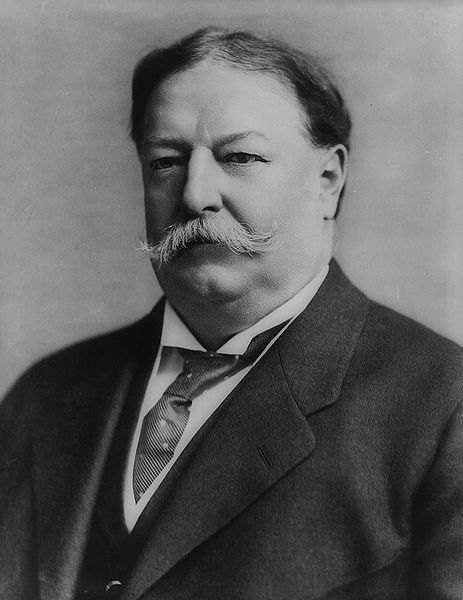
486px-Abraham_Lincoln_November_1863Of course, both Lincoln and Kennedy died at the hands of assassins. America has never been terribly comfortable with dreamers. The century that separated the Gettysburg Address from Kennedy’s tragic death was not enough time to swing the ship of state around to bring about a world of dreams. Unfortunately, war also defined both presidencies. The dream of a world at peace has been more difficult to attain than a human desire for such a world would seem to merit. If we all (or most) want a world at peace, why can’t we bring it about? Unfortunately, it seems that a basic sense of justice is lacking.

500px-John_F._Kennedy,_White_House_color_photo_portraitPerhaps it is a coincidence that many of the world’s religions stress the concept of a just society. By far the majority of the world population associates itself with one form of religious belief or another. Not all religions get along, however. Many of the conflicts that have erupted into wars have had a basis in differing religions. Power is easily seized from dreamers, religious or not. Watching modern elections is a terribly sobering event. We don’t advertise what we might accomplish, but rather what is so wrong with the other guy so that we win by a paltry default. Victory for whom? And why consider it a victory? A friend once suggested that Christians should start out as bishops and eventually be promoted to the level of laity. I thought it was a brilliant idea that could be applied to politics as well. Think of it: elected officials as servants of the people. Of course, by coincidence, I am a hopeless dreamer.

The Problem with Apocalypses

Over on The Daily Beast, Joe McLean points out “How the Tea Party’s Apocalyptic Politics Are Destroying the Republican Party.” I say good riddance. Let me explain. It’s not that I have a problem with apocalypses. (Zombie apocalypses are especially fun.) My problem is that the mythology of one religion endangers us all. This is not some leftist-leaning rant, or at least not a leftist-leaning rant that’s uninformed. I grew up in a very conservative, apocalyptic Christianity. I was looking for the end of the world before I considered a college major. Even my (limited) choice of classes in high school were determined by a kind of eschatological laissez faire: the world’s going to end any day now, so why plan for a career? I was a true believer. In my Christian college I majored in religion. If the end is near, it pays to be ready for it. I know this doctrine inside-out. If Christ is returning any day now (can’t you hear the hoof-beats?) then we should pillage this poor old earth for all its worth. That’s what it’s here for. Do we want him coming back and saying we’re poor stewards? Besides, if we can ramp up the crisis in the Middle East far enough, Jesus will have to return. Won’t he? And these are “rational” adults thinking this way.

There was likely a naive cynicism on the part of the Republican Party when it realized that aligning itself with what was considered the religious fringe would boost their numbers. After all, the fringe surrounds the whole of the cloth. Apocalyptic Christianity is very popular because it appeals directly to the emotions. Although our society believes the study of religion is pointless, those of us who’ve persisted have noticed a few things. The religions that are really taking off are the ones that appeal to the emotions. Many Spock-like scientists intone their message of materialism only in the face of massive crowds of true believers. Who do you think is likely to win out? We have had presidents in the Oval Office who believed that triggering the apocalypse was a presidential prerogative. When society finally shook off its goofy grin and slowly pressed the electoral brakes, the Tea Party took off. Guess what? Apocalypses are all about destruction. If you invite apocalypticists to your party, the results are pretty predictable.

In the article McLean uses the word “zealot.” Rationalists might find the use of their dictionaries helpful here. Zealots do not respond to logic. Zealots are driven by emotion. Have you ever tried to argue with one? I have had years of experience teaching religion in a variety of classroom settings. Long ago I learned to lay down the sword when a zealot spoke up. Logic is not spoken here. The media, the scientific, the academic, they scratch their heads. How can any rational person believe this? The answer doesn’t require much effort to find. It might mean consulting someone who understands a bit about religion, though. Otherwise, the smart money is on stocking up on canned goods, gas masks, and a good supply of water. This could take a while.

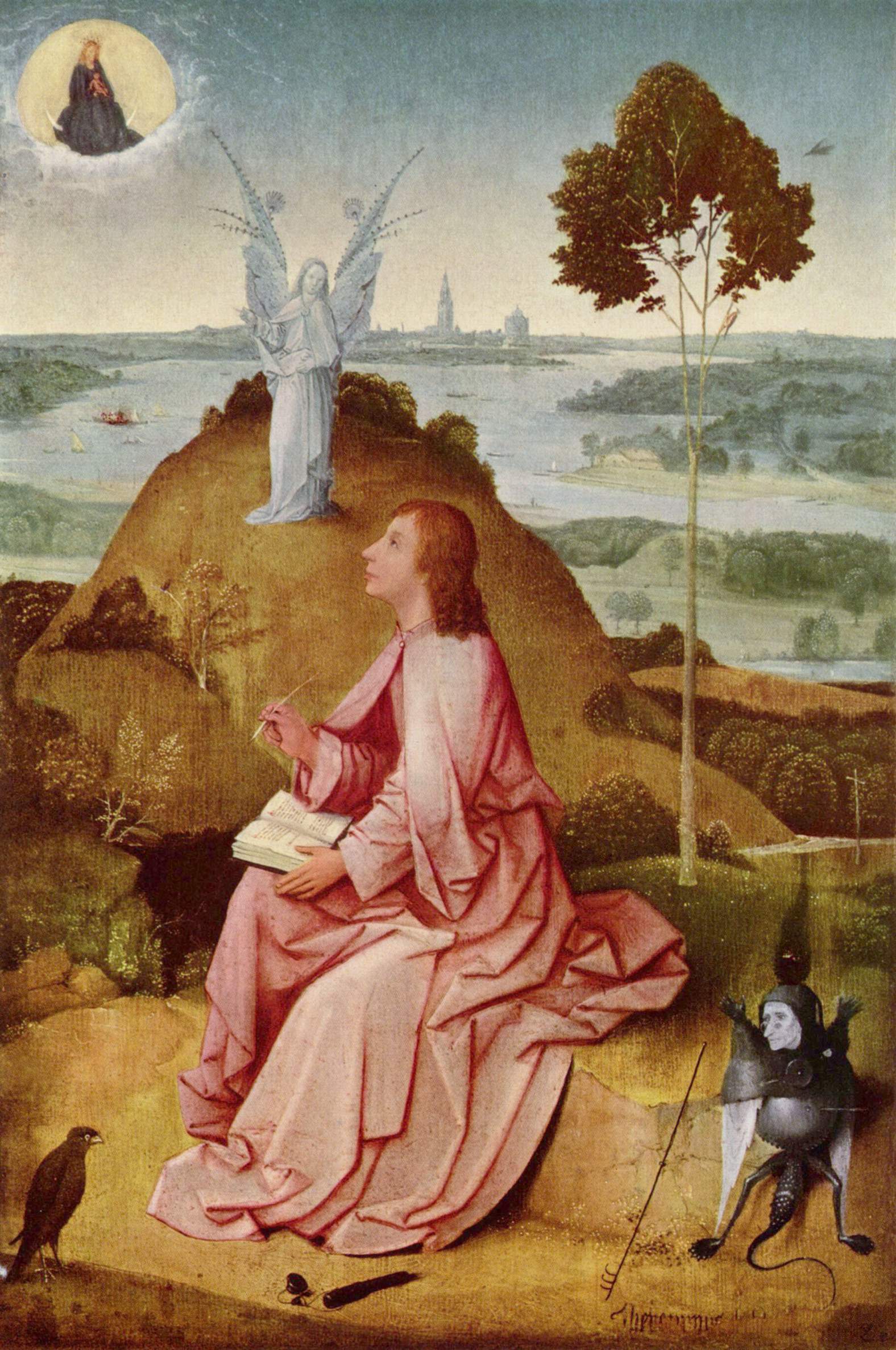
Mary in the sky with circles, or the apocalypse?

Mary in the sky with circles, or the apocalypse?


Beliefism

A question never adequately resolved revolves around the status of atheism. What exactly is it? Well, I suppose it is many things, actually. One thing that seems indisputable is that religion has been part of human culture from the beginning. It would seem likely that not all believers carried the same level of conviction, and there may have been “atheists” shortly after theism evolved. The difficulty is that both belief in god/s, and/or the lack thereof, are matters of personal conviction. That somewhat blurred line has been crossed, according to some, by the recent growth of “atheist churches.” In several web stories my friends have pointed out to me, a growing movement of atheist “mega-churches” has been noticed. These are groups of atheists who meet for many of the same reasons religious folk do, sans salvation. It is a social occasion, and a chance to fellowship with like-minded non-believers, and to support their lack of faith. Some atheists bristle at this (as do some religious), claiming that it cheapens the atheistic enterprise (or that religions somehow hold a copyright on belief-based gatherings).

Herein lies the rub. Atheists are no more cut from the same cloth (or lack of cloth) as religious believers are. There are varieties of unbelief. Some obviously see that the weekly gathering has benefits. There’s no question that atheists can be every bit as humanitarian as religious believers are. Besides, who doesn’t like to meet with people who think like them? “Minister” might not be the leader’s title of choice, although it has a long pedigree in politics as a secular title (as, for example, in the Ministry of Defense). The slow decline in mainstream Christian services, however, might suggest that atheist services would be inclined to grow. Weekends were originally created for religious reasons and still generally remain the religious meeting days of choice. Some religious groups do not insist on doctrine to be members—Unitarians are a prime example of this—but the value of meeting together is human, all too human.

Clearly the purpose of an atheist gathering is not primarily worship. I should imagine, however, that wonder is still part of the non-religious vocabulary. God is not necessary for feelings of awe and joy. And sometimes it is fun to get together for some structured activity that isn’t work (for those who have jobs). An Associated Press story, however, points out the irony of the gathering of “people bound by their belief in non-belief.” There is, however, believing going on here. There can be no escaping it. Despite all the problems associated with omnipotence, the idea of a deity where the buck indeed stopped was an ebenezer for grounding belief. Even the most outspoken of atheists share this with the literalist and the moderate—they all believe. And as long as people believe, they will seek groups of those who share similar views. Why not? Even the truth requires belief.

What does it  mean?

What does it mean?


A Theistic Nation

That’s a dill-pickillial of a peccadillo, if you’ll pardon my Ned Flanderism. I’m referring to the issue of the Supreme Court dealing with public prayer. Again. In a recent Chicago Tribune story, prayer before town board meetings in Greece, New York have led to accusations of violation of citizens’ rights. In a similar, but unrelated, situation, a friend asked me what I thought about religious symbols on public property. He asked the basic question that if atheism relies on no symbols, isn’t the absence of symbolism tacit approval of atheism. These issues are very difficult to resolve for a number of reasons. The first non-partisan elephant in the room is the fact that we do not have an acceptable definition of religion. Universities shy away from hiring specialists in religion and we, as a society, and, more restrictively, as an academy, can’t agree on what religion is. Is atheism a religious belief system? Some would argue that it is, and that it shouldn’t be the default stance—that would favor one religion. From what neuroscience seems to tell us, atheists aren’t born, they’re made. Religion, of some description, is normal human thinking.

A further issue involves both symbols and prayers. A symbol means nothing without interpretation. As I told my friend, unintentional crosses are ubiquitous. You might have to look a bit harder to find unintentional stars of David or yin-yangs, but I’m certain they exist. Without the Christian eye, however, those unintentional crosses are just architectural features or natural spaces between corners. The same applies to prayer. If I decide to speak, it is a matter of interpretation whether my words are prayers, a guy talking to himself, or, increasingly, somebody chatting on their blue tooth phone as they walk past a church. Intention, a specific aspect of interpretation, certainly plays into the sometimes coercive power of a symbol or a prayer. Do those Ten Commandments on the courthouse lawn just represent a nice piece of art, or do they bear an intended message? Do intended messages not attempt to persuade others that they are true?

Smart folk like Supreme Court justices have difficulty with this issue every time. I’m not surprised. We don’t know how to quantify religion, even though most of us are pretty sure of it when we see it. Some would argue that many eastern religions are in fact philosophies. Some would claim that atheism is the opposite of religion. Atheism is not so very far from some strains of Buddhism, however. And like it or not, people are all subject to belief. We seem to like forging ahead in the darkness on this issue. State universities hide their religious studies programs like embarrassing warts. What rational person would want to waste time studying such superstition? The Supreme Court of the United States, I might point out, just for one.

Religion or not?

Religion or not?


Thanksgivukkah

A moveable feast is hard to hit. Or something like that. Religious festivals are frequently tied to celestial events—the ancient Jewish holidays are based on a lunar calendar which, we all know, is out of synch with the solar one. This is the reason that for Christians Easter migrates around the spring calendar, even if different branches of Christianity peg the resurrection on various dates. Curiously, no one has suggested going back to c. 33 C.E., fixing the date of Passover that year, and giving a calendrical date for Easter. It sure would make planning a lot easier. In any case, a week or so ago there was a flurry of lighthearted commentary on “Thanksgivukkah,” the fact that Hanukkah and Thanksgiving occur at the same time this year. Both are moving feasts, and they just happened to bump into each other this year.

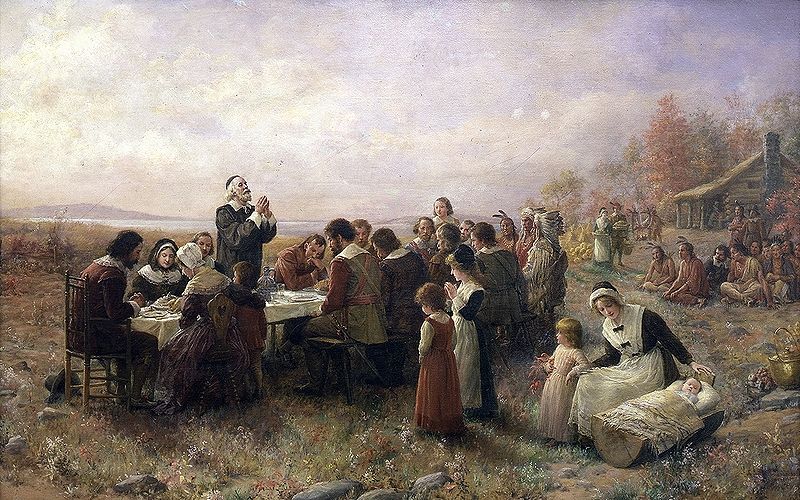
Thanksgiving is a modern holiday, emerging with the Protestant penchant for giving thanks for surviving in a harsh, new world. The United States government (which was not shut down at the time) finally regularized the date of the holiday to the fourth Thursday in November, giving the commercial world it’s only regular 4-day weekend. Christmas, not a moveable feast, cycles around the days of the week, giving employers a great sense of glee when it falls on a weekend so that employees may be given only a token Friday or Monday off. The day after Thanksgiving, however, is thankspending, as American a holiday as one can conceive. Hanukkah is also a roving feast. Celebrating the cleansing of the temple in Jerusalem after being defiled by the Seleucids, it has taken on many of the trappings of Christmas over the years, but it can come as early as late November, as Thanksgivukkah demonstrates.

800px-Thanksgiving-Brownscombe

Holidays, in this secular world, have come to represent something for which the Sabbath originally stood. The idea was that people needed a break from work. Despite all the studies that show more breaks make people more productive, our culture glorifies the over-worker. The reason, clearly, is not productivity, but control. I recall a lawyer once drawing a large circle on a newsprint pad and telling me, “this represents what your employer can do to you.” He drew a tiny circle in the middle of the large one and said, “and this is what your employer can do to you that is considered illegal.” Yes, we are a society that has never really gotten over the idea of indentured servitude. Little things like holidays overlapping keep us amused, while still at our desks. Hanukkah lasts for eight days. Christmas for twelve. But don’t try to take all that off—you might like coming back to work refreshed a little too much. Instead, why don’t you try making those bricks by finding your own straw? Everyone will benefit from this pyramid scheme.


To the Flag

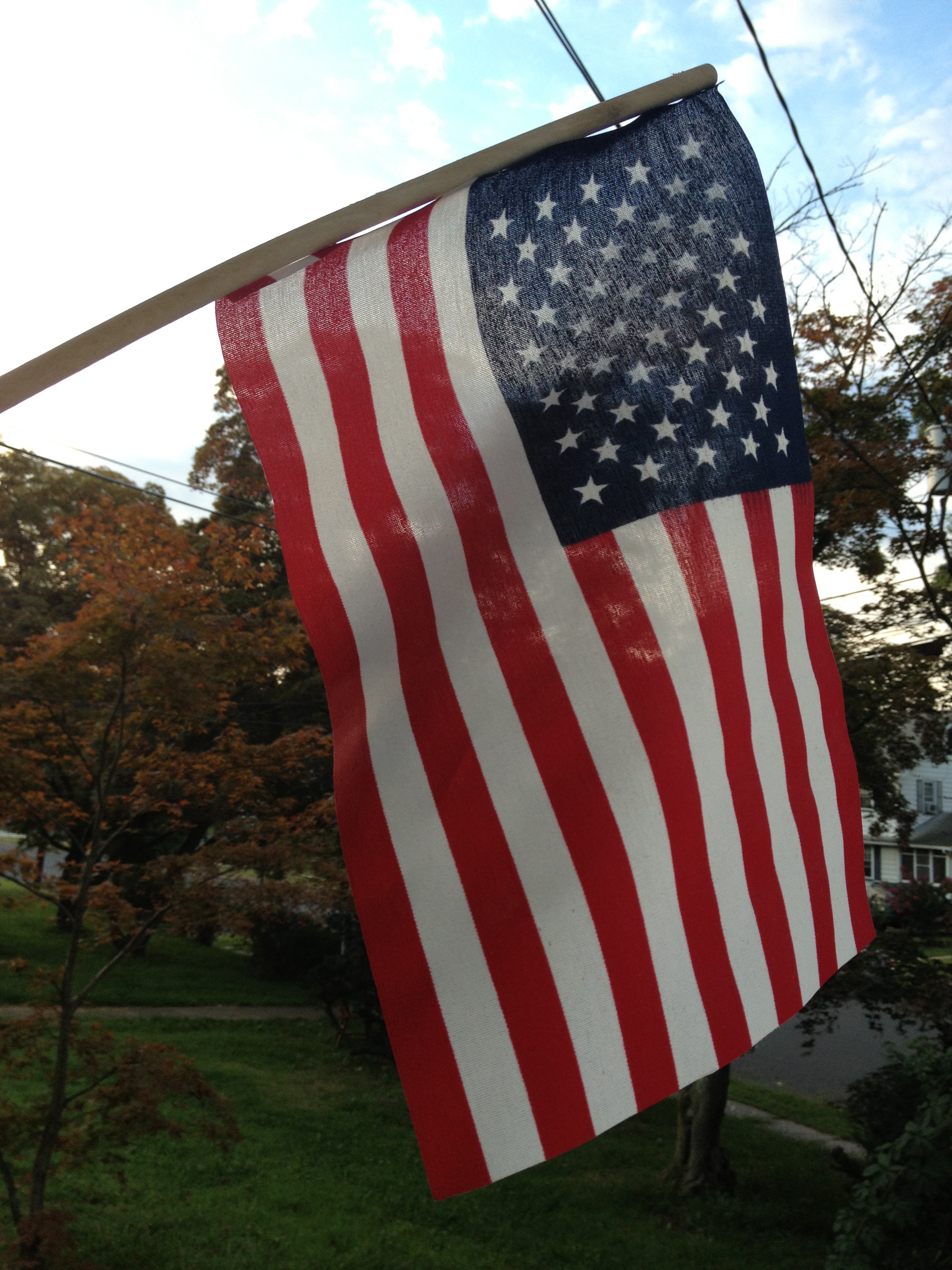
In the great witch hunt that began (or perhaps simply continued) with the Neo-con upsurge in which big business climbed into bed with theological conservatives, the pledge of allegiance became the acid test of true Americans. The Communists were now fading as a threat, and to be patriotic requires a clear and present enemy, so the un-Americans could be found among those who refused to pledge allegiance to a flag. In a recent CNN story, a case is going to court in Massachusetts to remove the words “under God” from the pledge. The dilemma is as simple as it is complex—children who do not believe in God may either recite what they don’t believe, or be ostracized for opting out. (Those of us who make a habit of opting out of things know the feeling well.) The argument goes that children are pledging loyalty to their country, not to a religion. Why should they be forced to say what they don’t believe?

The pledge has an interesting history. The original oath, a celebration of the now much-suspect Columbus Day, was intended as a quick credo of loyalty. No deity of any sort was invoked. Over time, additions started to creep into the pledge (the original version read “I pledge allegiance to my Flag and the Republic for which it stands, one nation indivisible, with liberty and justice for all”). It was not until after the tremendous horrors of World War II, when society was over-reacting to all kinds of threats, real and imaginary, that the words “under God” were added, in 1954. Godless Communists beware! Like the original pledge, this emended pledge celebrated a civil holiday—Flag Day.

IMG_0962

Nationalism could well be considered a form of religion. Customs differ in various parts of the world, and highlighting the differences allows for the conferring of unique advantages among the members. True capitalism cannot work in a culture of complete fair play or equality. Nations must be able to declare ownership and control of resources, including those known to every “human resources” officer in the universe as the most troublesome kind. To be useful to a nation, loyalty must be pledged. And children, who don’t have the experience or psychological development to make an informed choice about the Almighty, must say that they believe in “one nation, under God,” where “one nation indivisible” has itself been divided by God. Don’t get me wrong, I am glad to be an American—I can’t imagine being anything else. But I especially like the part about “liberty and justice for all.”


Playing Civil

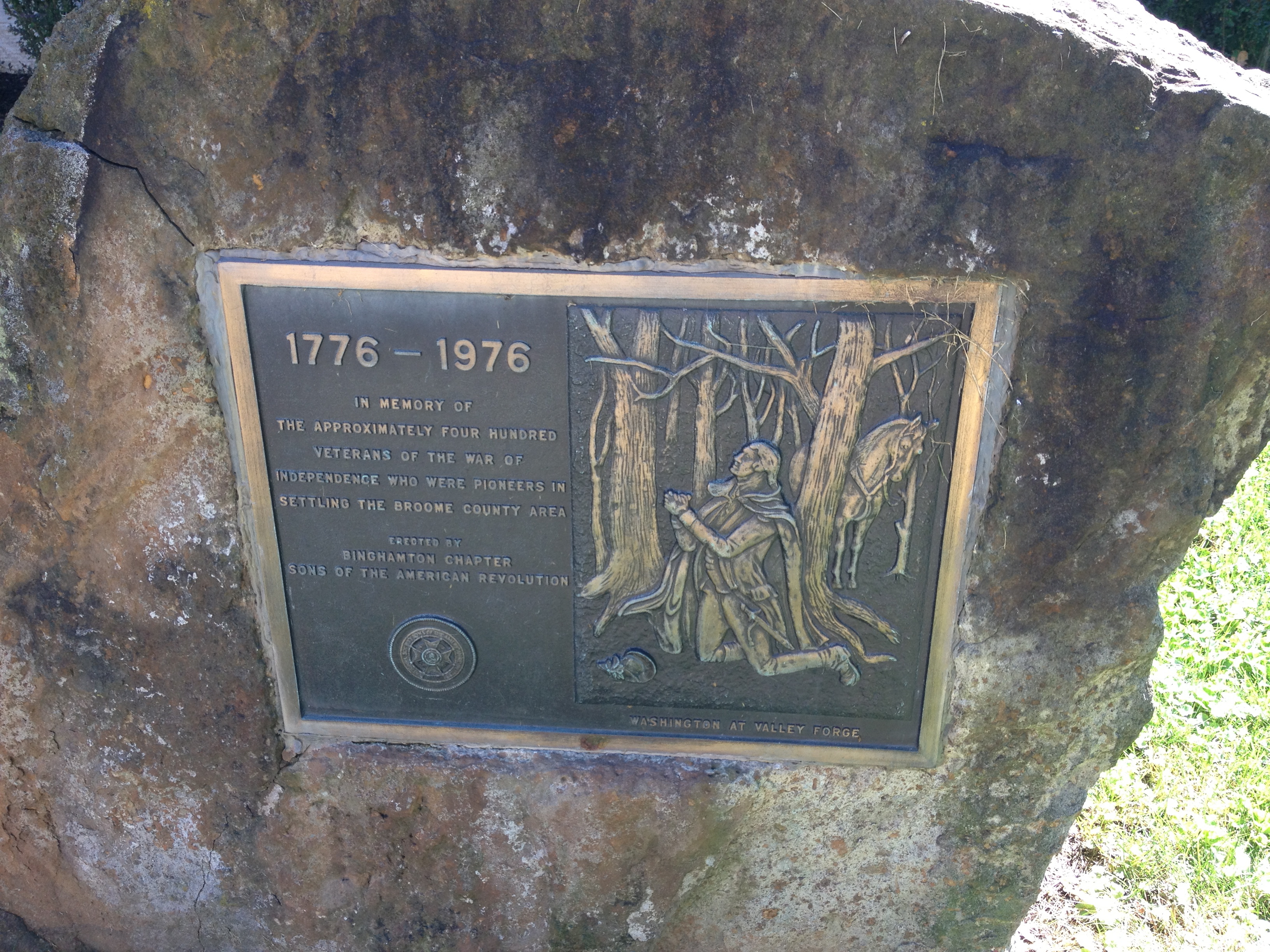
In a piece written for the Los Angeles Times, Joseph Margulies warns of the potential dangers of civil religion. I first learned about civil religion in college in the early 1980s, when the concept was still relatively young. The idea is as deceptively simple as it is accurate: when nationalism reaches its natural limits, the divine is invoked. Civic ceremonies become religious ceremonies—presidents lay hands on Bibles, whether or not they believe. Civil religion dictates that all presidents be portrayed as believers, but that is something we have to take on faith. Civil religion leads to sculptures of the Ten Commandments on courthouse lawns and the flying of United States flags in churches. The danger with this innocent-looking triumphalism is that some people take it too seriously. It is not limited to Christianity, either. Civil religion is a disguised, albeit thinly, form of nationalism.

The vast majority of people in the world hold religious beliefs without deep reflection. That is not to suggest that they don’t believe deeply, but simply that they don’t lift the edges to peer under the surface much. We are taught what to believe by religious specialists. To question them is to question the deity they represent. Since fear is easily ingrained in the human psyche, the angry god is among the most effective of weapons ever devised. We fear for our eternal peril, and it is easier to believe the clergy have the answers than to divine the truth for ourselves. Those who think profoundly about religion, outside the confines of the professional clergy, are always a suspect lot. What business do we have, poking around the beliefs of others?

Civil religion shocked me when I first learned of it. Like the majority of my peers, I had assumed that public displays of piety were to be taken literally. As I began to hang out with clergy and to see how they often transformed outside the church with a fellow “insider” beside them, I started to understand. The cynical asides whispered outside the hearing of the faithful, the double lifestyles, the on-stage personae. This may not have been civil religion, but it was not always what it seemed. Teaching in an Anglo-Catholic seminary, I saw high mass as carefully choreographed as an off-Broadway production of A Chorus Line. Civil religion relies on its partnership with the unquestioned belief of the Saturday-night and Sunday-morning crowd. It all fits easily together and runs as smoothly as a pink Cadillac. Just don’t look under the hood.

IMG_0088


A Goy in the City

Getting across Midtown Manhattan quickly during rush hour involves a kind of algorithm. That means my route to and from work each day changes depending on whether I catch that light at Eighth Avenue or Third Avenue. This past week my algorithm took me down 42nd Street on the way home. As I walked past a group of Orthodox Jews handing out leaflets, they singled me out and stopped me to ask if I was Jewish. I said “No,” but took their literature anyway. At first blush, it may seem odd to be mistaken as Jewish by some local experts (New York City has its fair share), but then again, maybe not. My brother tells me he gets asked the same question. Our great-great-grandparents left Germany in the 1820s and bore the ambiguous surname Tauberschmidt. By my great-grandparent’s generation they seemed to have been Lutheran, but before that? Hey, maybe this could explain a lot. Not to stereotype, but I do have the incessant angst that many Jewish characters exhibit in Woody Allen movies. Probably it’s my imagination. I thought it was cool to be mistaken for a “minority.” I felt, for a moment, like I belonged.

Reflecting on this incident (which made my day, by the way), I ask myself what it means to be part of a religion that has become a culture. The academic lingo for this is “cultural Jews” (in this case), but there are definitely “cultural Christians” as well. I suspect most religions have their cultural commandos. Part of the dynamic at work here is that although the world is very religious, it’s not really that religious. Most religious folks have an emotional connection to their tradition that may be, in fact, cultural rather than, for lack of a better word, spiritual. A person who is deeply religious often runs afoul of life in the everyday world. There is a sinful plethora of distractions. Those truly concerned about their religions often find themselves employed by them.

Cultural religions give the world a great deal of color. People flock to St Patrick’s Day parades when rivers are dyed green and everyone wants to be part Irish (and there is a genetic bit of this in my personal mix as well). Where would December be without Christmas and its attendant holidays? Even bunnies like colorful eggs in the springtime, so I’m told. Do any of these things make people religious Christians? I suspect few would argue that they do. I’m stretching Rousseau‘s concept of civil religion a bit tight here, but degrees of religiousness fall along a continuous spectrum rather than appearing in sharply distinguished colors. Cultural faiths are generally accidents of birth. It’s up to the individual how seriously to take it. And sometimes even the faithful misidentify one of their own.

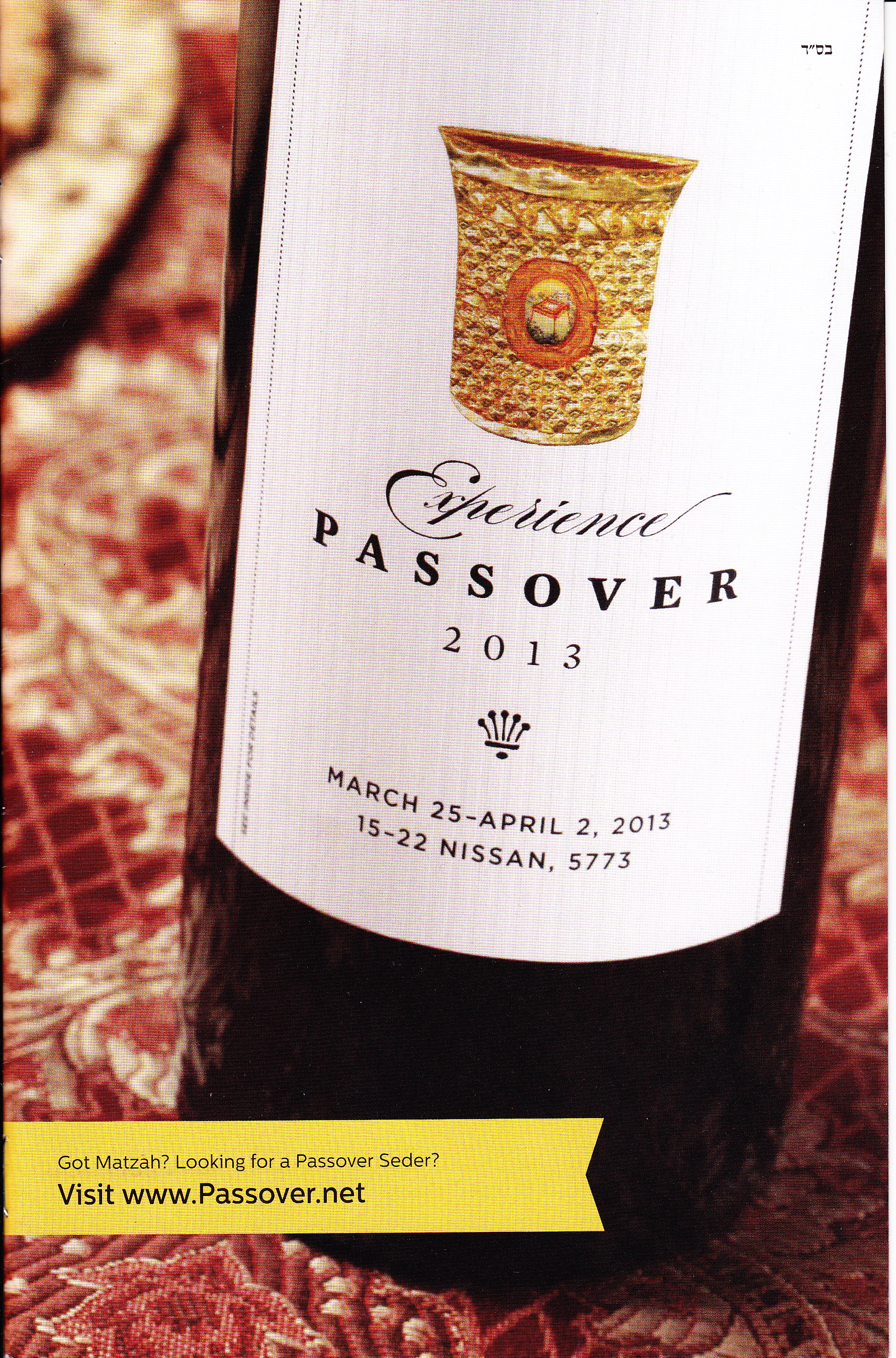
Happy Passover to my Jewish siblings!

Happy Passover to my Jewish siblings!


Here’s the Church, Here’s the Steeple

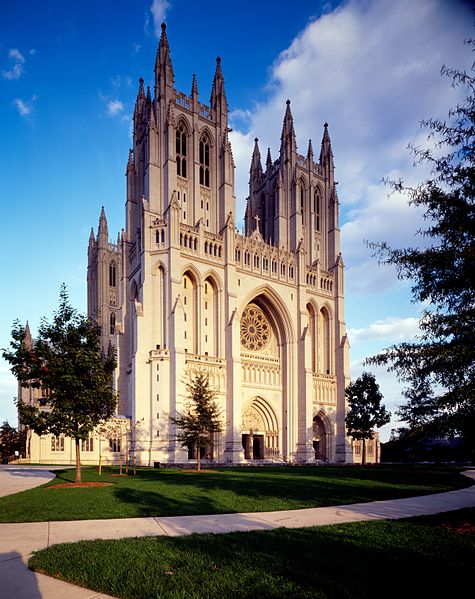
Americans seldom seem to fuss much about religion unless they perceive that it is under threat. We’re real believers in religious liberty that way. The threat angle is a vector worth measuring every once in a while. What gets our collective goat? A story on CNN last week about the National Cathedral caught some attention. Those who think about freedom of religion, liberty of conscience, and all that, might find the implications of a national cathedral itself a tad troubling. Of course, it really isn’t a cathedral for all of the United States, but it is used for many displays of civil religion including several presidential funerals and inaugural prayer services. The cathedral, historically and ironically, is of the Episcopalian brand. Episcopalians boast perhaps the smallest number of mainline protestants in the country, and since they are the remains of the “established church” of England in the States, it is not just a little odd that such an edifice should be associated, however informally, with government in its former colony. The reason that CNN ran the story related to a perceived threat to American religion: same-sex marriages.

Now that same-sex marriages have been approved in three states, some couples desire the symbolism of a wedding in the National Cathedral. It is a victory of social justice that highlights one of the deepest and most persistent of religious concerns—human sexuality. Although many religious denominations have made their peace with evolution by natural selection, few have really considered the implications of reproduction and its discontents. Formally ever since the Enlightenment (and certainly informally for all of human history) sexuality has been a subject of scientific scrutiny. And not just for humans either. As naturalists observe the world of our fellow creatures, we find all kinds of sexual behaviors labelled “unnatural” in humans are quite normal in nature. The reason is the religion that is invested in reproduction. People, many religions teach, are somehow different. Besides, in the days before scientific interest in animal reproduction, few bothered to consider what other animals did, far from human eyes.

For those willing to admit that nature can teach us something about ourselves, same-sex couplings are not limited to humans. They are a part of nature. As Martha McCaughey suggested in The Caveman Mystique, reproduction is only one of a variety of reasons that humans and other animals mate. For us, however, it is a strangely sacral act. All religions have something to say about sexuality, and many express strong feelings about what marriage means. So the Cathedral Church of St. Peter and St. Paul (two men, one might note) is in the news because of what marriages symbolize for many. Marriage is about commitment, not just sex. In a nation where commitment is only fair-to-middling, shouldn’t we applaud the use of the National Cathedral to reinforce such family values? Unfortunately, for many gender differentiation trumps love in what is understood as a legitimate religious outlook.

Carol M. Highsmith's National Cathedral

Carol M. Highsmith’s National Cathedral


Civil Rites

Sundays’ op-eds often have sensitive fingers on the pulse of the American religious scene. A piece by Tom Deignan in Sunday’s New Jersey Star Ledger raised a very interesting point about civil religion. Civil religion is, loosely defined, the acting out of religion in a civil-political forum as a cheap form of nationalism. We do it because it works. Noting that a presidential candidate denying the divinity of Christ in the twenty-first century would be engaging in political suicide, Deignan rightly points out that many earlier “Protestant” presidents would—and did—do just that. He notes that Taft, a Unitarian, came outright and said it. No matter the protestations of the Neo-Cons, the founding fathers were Deists, not believers in Christ’s divinity. Thomas Jefferson went as far as to excise all the miracles from his version of the New Testament. The idea that religio-politicking is business as it’s always been done is a myth.

And what a persistent myth it is! Many Protestant denominations trace their ancestry back to founders who believed that they were closer to the apostolic faith than the next guy. They legitimately believed their faith was the original, intended by God, Christianity. Thus it was in the beginning, is now, and forever shall be. Only it’s not true. Religion was purposely written out of the Constitution of the United States with the Bill of Rights declaring its freedom the ideal. What presidents believed hardly played into the concept of their fitness for national leadership in the early days. Now little else seems to matter. Deignan rightly wonders why Mitt Romney is so tight-lipped about his Mormonism. Could it be he fears what critics might say about devising a national budget through rose-colored glasses? Surely his vast personal wealth belies that concern.

So what was the original Christianity? On this point the Bible is amazingly unobscured; early Christianity was Judaism. Jesus was called “Rabbi,” and his teachings weren’t too far distant from Hillel and others near his generation. Paul of Tarsus, who pointed the nascent religion towards its evolution into Catholicism, was also Jewish. Following his faith in resurrection, some early Christians moved into the direction of eventual ritualism. The fancy hats of the papacy, it is fair to say, were never in the minds of Jesus or Paul. Not even Peter. Modern religions, even the primitivist movements, cannot reclaim the Christianity of the first century. That religion does not fit into a world of Internet, cell phones, and automobiles, let alone presidential candidates with wealth befitting King Herod. Let’s just grow up and admit where we are.


Under God

As one of the more flamboyant of national holidays in the United States nears, there is a whiff of discontent in the air. The North Carolina Secular Association has been sponsoring billboards that provocatively read, “One Nation Indivisible.” Those who, since 1954, have grown accustomed to reciting the “pledge of allegiance” with the words “under God” inserted after the “one nation” bit, grumble that one more icon of civil religion has come under fire. I first became aware of civil religion as a student in a self-identified Evangelical Christian college. I was astonished that the religion faculty, all believers, suggested that civil religion was not true religion at all. True religion was an inner commitment, not social bravado – often in the service of political aims. I was pointed to the writings of Richard Niebuhr and Dietrich Bonhoeffer and told to think for myself.

Since that time, I have kept a wary eye on civil religion. It is a dangerous force in society since few people think deeply or seriously about their religion. It fosters knee-jerk mob mentality. Civil religion is a slurry of a variety of religious outlooks, mostly Christian, predominantly Protestant, but now gaining a dose of conservative Catholicism. No one denomination would accept all its tenets as true faith, but weighed against the “godless alternatives” most conservative believers would much prefer the shallow public display of religiosity to “one nation indivisible.”

The Pledge of Allegiance was first composed in 1892. It read, “I pledge allegiance to my flag and the republic for which it stands: one nation indivisible with liberty and justice for all.” (That flag didn’t have 50 stars.) The North Carolina Secular Association has, arguably, simply reverted to the original formulation. In 1954, with Cold War concerns heating up and decent Americans associating themselves with Evangelical Protestant values, the phrase “under God” was added – take that you godless Communists! That other great icon of civil religion, the United States motto, “In God we trust,” was placed on currency during the battle-torn era of the Civil War. Once again, the Cold War brought it into prominence. In 1956 the Congressional Record noted that “In God we trust” should be designated as the United States motto. With the collapse of many of the Cold War threats, the fully charged civil religion front had to find a new outlet for its excessive energy. One needs only a casual glance at the American political scene to see where this insipid, lukewarm version of civil religion has resurfaced. One nation indivisible?

Does it really stand for freedom of religion?


Under G-d

In one of the great showcases of civil religion, the Pledge of Allegiance is again in the news for its brash statement, “under God.” Lawsuits have been introduced in California to try to label the statement as unconstitutional – state supported religion, a declaration that the United States is a theistic country. Even as a child, a religious child, no less, I was vaguely disturbed by the Pledge. I am a sentimentally patriotic American, and I begrudge no one that natural feeling of pride in their heritage. We all come from somewhere, and we like to think the best of ourselves, and therefore our forebears. I’ve tried to trace my ancestry and find that with a sole exception on a great, great-grandparent’s exodus from Germany that my roots are hopelessly lost in long generations of northern European expatriates that have been on these shores for well over a century and a half. Some even more. And yet, to pledge allegiance to a flag? As a student of religion, I understand the value of symbols, but I always felt that a hand over the heart while addressing a banner was a little like idolatry.

Well, I’ve grown up since then. I spent three years abroad, and returned with a renewed appreciation of how much this country has to offer. I’m still a little puzzled by the “under God” bit, however. Sure, America’s founders were generally deists (not Christian by any recognizable stretch of the definition), and since God is assumed, why not add him to the books? But God was only added to the pledge in 1954. In the heat of McCarthyism it seemed important to fly our “anti-communist,” theistic colors high for all to see. And yet, we never define who “God” is.

The God of the Bible has a name. Every semester I find students that have difficulty grasping the idea that “God” is not the name of a deity – it is only a generic title. It could be anybody divine. Shiva, Zeus, or even Baal. In the written work of many of my students from the Jewish tradition, the reverence accorded to the deity’s personal name has been transferred to this innocuous title. In essays and papers I frequently find reference to “G-d,” as if the Torah commands never to make reference to deity at all. So, out of reverence to the same divinity we have some citizens leaving out the lonely vowel of a one-syllable deity while others loudly proclaim that he (never “she”) must be kept in the little bit of civil religion we impress on our public school children. We don’t agree, as a nation, on who “God” is. Reading the rantings of the Religious Right with their tea parties and Conservapedias, I’m sure that this is not the G-d of the Bible. What does it mean to be a nation under a deity we don’t recognize?