Blessed Virgin (Not)

What’s not to like about Aphrodite? Hesiod’s first Olympian, she represents the exuberance of life itself in the pursuit of love. In our patriarchal world her erstwhile consort Cupid has come to represent that strange and compelling force that drives so much of what mere mortals spend their time on. A colleague has pointed me to a new documentary that is being produced on Aphrodite (trailer available on YouTube). In addition to fascinating footage illustrating modern Cypriot rituals to the goddess, the film contains what many would consider a sacrilege: on Cyprus the virgin Mary and Aphrodite are viewed by many as two forms of the same entity.
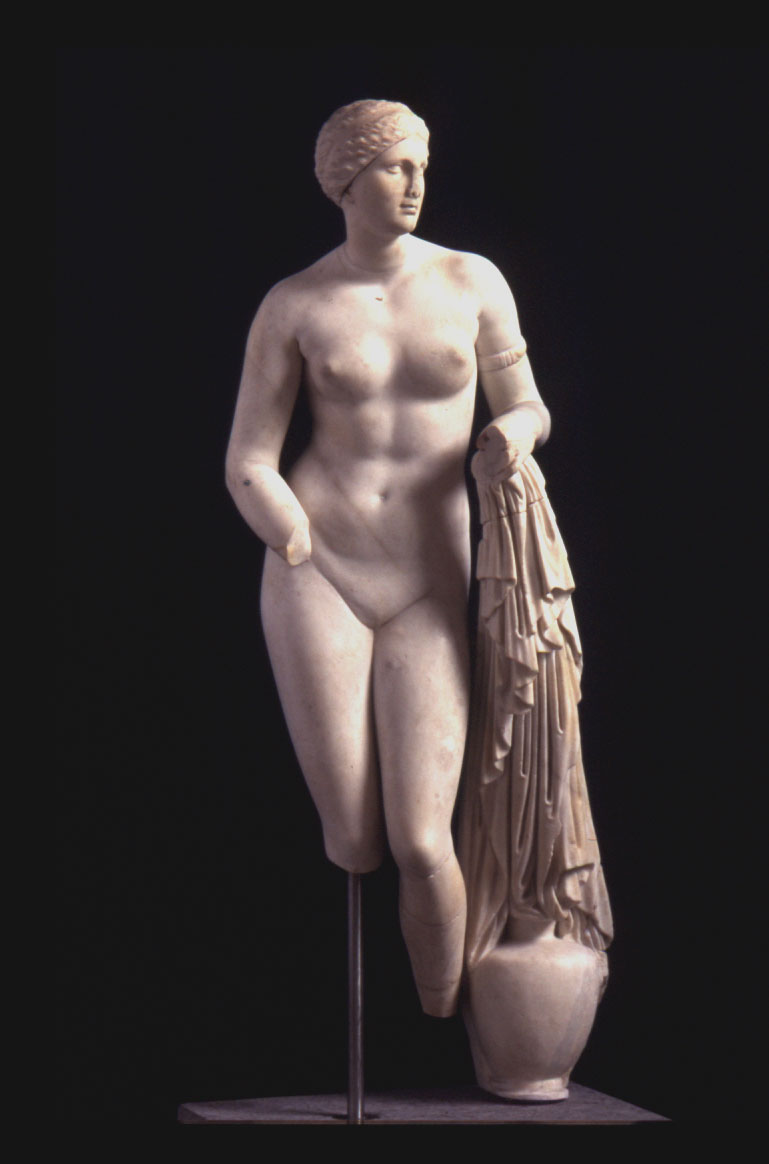
While the modern, monotheistic sensibility bristles at any notion of shared divinity, it seems perfectly natural that when the “mother of God” was introduced to the island that gave the world its Venus, “its desire,” a mental connection became inevitable. Unlike many “virgin goddesses” of the ancient world, Aphrodite had no false modesty regarding matters of love. Even the mighty Zeus, so powerful that he might be called simply “God,” was unable to resist her draw. Ancient peoples often celebrated the gift of love without the embarrassment that the Victorian Age has so generously bestowed on much of the western hemisphere.

Pressing the point even further, when monotheism emerged the equality of genders became an impossibility. The one god must, by the standards of all human imagination, possess a gender. And since men dominated the societies that embraced monotheism the divine feminine was lost. Orthodoxy replaced humanity, and thus it remained until only recent years when women finally managed to make their voices heard. Aphrodite, unlike Hera, is not under the control of a lordly king. The film by Stavros Papageorghiou offers viewers a chance to see what has been lost by the western world keeping half of the human race silent.
When Machines Fall in Love

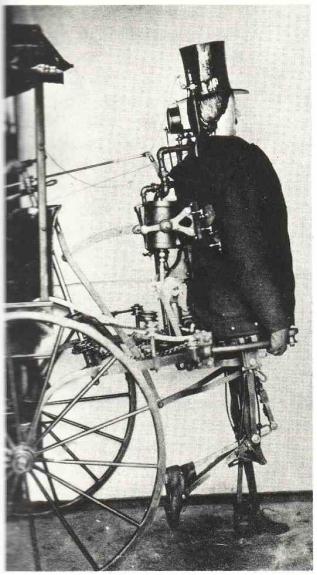
When I want to have a good scare, I seldom think to turn to Time magazine. This week’s issue, however, has me more jittery than a Stephen King novel. One of the purest delights in life is being introduced to new concepts. Those of us hopelessly addicted to education know the narcotic draw of expanding worldviews. Once in a while, however, a development changes everything and leaves you wondering what you were doing before you started reading. A change so profound that nothing will ever return to normal. Singularity. The point of no return. According to the cover story by Lev Grossman, we are fast approaching what theorist and technologist Raymond Kurzweil projects as the moment when humanity will be superseded by its own technology. The Singularity. Noting the exponential growth of technology, Singularitarians – almost religious in their zeal – predict that computing power will match and then surpass human brain speed and capacity by 2023. By 2045 computers will outdistance the thought capacity of every human brain on the planet (more challenging for some than for others, no doubt). The software (us) will have become obsolete.

A corollary to this technological paradise is that by advancing medical techniques (for those who can afford them) and synching tissue with silicone chip, we may be able to make humans immortal. We will have finally crossed that line into godhood. Kurzweil notes laconically, death is why we have religion. Once death is conquered, some of us will be left without a job. (Those of my colleagues who actually have jobs, that is.) We have empirically explained events as far back as the Big Bang, and no deities need apply. The evolution of life seems natural and inevitable with no divine spark. And now we are to slough off mortality itself. O brave new world!

There was a time when mythographers created the very gods. They gave us direction and focus beyond scraping an existence from unyielding soil. We have, however, grown up. There are a few problems, nevertheless. Scientists are no nearer explaining or understanding emotion than they were at the birth of psychology. We might explain what chemicals produce which response, but we can’t explain how it feels. Emotion, as the very word indicates, drives us. Until Apple comes out with iMotion and our electronic devices feel for us we are stuck falling in love for ourselves. Computers can only do, we are told, what they are programmed to do. The mythographer steps down, the programmer steps up as the new God designer. Having dealt extensively with both, I feel I know which I trust better to provide an emotionally satisfying future.

Zadoc P. Dederick's Steam-Man


Neverwhere Angel

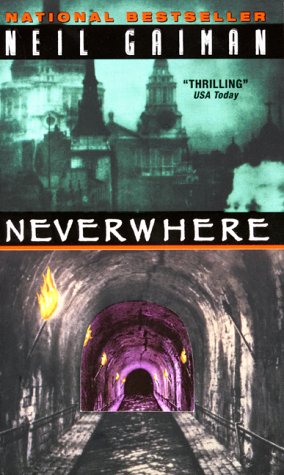
Neil Gaiman is popular among my students. At least among those that still read for fun. A couple of years back one of them lent me a copy of American Gods, and the story stayed with me. Having lived for many years in Wisconsin, and having visited the House on the Rock, the novel was like a kaleidoscope of some of my more pleasant memories of the state. Neverwhere is quite different and yet equally compelling. Gaiman peoples his worlds with characters just on the edge of believability thrown in with protagonists who tend to be completely confused by what they’re experiencing. Instead of gods, in Neverwhere there is an angel with the unlikely name of Islington and we have the myth of Lucifer’s fall retold in fantasy format, rolled together with Alice in Wonderland and the myth of Theseus. For starters.

A person is a composite of what s/he reads and learns and accepts. The books we digest, each in a unique recipe fitting our individual tastes, create new compounds and concepts that explore our personal realities. Neverwhere takes the reader down a rat-hole instead of a rabbit-hole, but nevertheless follows a young girl on a journey of maturity. The hero’s quest is undertaken to actualize both protagonist and idol, and along the way the beast in the labyrinth must be encountered and slain. Theseus, the flawed hero, dominates a world where even saviors have peccadilloes.

The protagonist of Neverwhere does not believe in angels, despite his encounter with one. As Gaiman puts it: “it was much easier not to believe in something when it was not actually looking directly at you and saying your name.” Belief generally involves not seeing. Once the object of belief is empirically confirmed, belief becomes knowledge. Today the belief in angels remains unabated. No empirical proof, nothing tangible confirms this belief beyond the anecdotal accounts of those who claim to have experienced them. Even the fanciful image of their androgynous good looks and unlikely wings remain untainted for all the centuries. Neverwhere raises an intelligent question about angels, but to discover what it is you’ll need to go down the rat-hole as well.


Witches or Prophets?

Some things never change. My daughter’s English class has finished its Shakespeare unit and this year’s selection was MacBeth. I recall the play from my own high school days, perhaps one of the hidden attractors that eventually drew me to Scotland. Shakespeare’s use of Holinshed’s Chronicles, however, was news to me. Raphael Holinshed was a 16th century chronicler of world history and his work gave Shakespeare the outline of MacBeth. The passage from Holinshed that stood out, concerning the witches, reads: “But afterwards the common opinion was, that these women were either the weird sisters, that is (as ye would say) the goddesses of destinie, or else some nymphs or feiries, indued with knowledge of prophesie by their necromanticall science, bicause euerie thing came to passe as they had spoken” (page 269 of volume 5, Scotland).

Being in the midst of courses on both prophecy and mythology, this passage ties a number of popular concepts together. Clearly the clairvoyance of magical females is simply accepted, and the easy association with classical characters such as the Fates or nymphs is evident. This is a world of mythical literalism. The weird sisters are able to predict the future with their necromancy. In a more nuanced view of prophecy, the concept actually incorporates effective speaking rather than future predicting. If a prophet speaks the words of Yahweh, in the Bible, then those words must of necessity transpire. When the stated events take place, it looks like prediction. Here Holinshed suggests the source of such knowledge for the women was more suspect.

Few of the biblical prophets are female. It is almost as if clandestine knowledge possessed by a woman marked her as a necromancer while a man might legitimately wield esoteric knowledge. This double standard no doubt applied in biblical times, and has lasted in various forms to the present day. The male establishment fears the knowledgeable female. Privilege takes many forms, all of them greedy. In my case I must gladly acknowledge that I would not have learned of Holinshed’s Chronicles if it weren’t for my daughter, and I am pleased for the opportunity to expand my esoteric knowledge.


Return of the Frost Giants

We have ceased believing in the gods, but we still feel their wrath. The recent winter storms encompassing much of the nation demonstrate our arrogance in the face of the uncontrollable. It has long been my contention that the chief god is a personification of the weather. No matter how many HAARPs we put into place or how many satellites we hurl over our heads, the atmosphere remains a chaotic system. Global warming triggers unpredictable weather and extreme conditions. Yet people claim the moderate level of snow in the northeast is proof against the facts. I say the gods are laughing. How quickly we forget the ice ages.

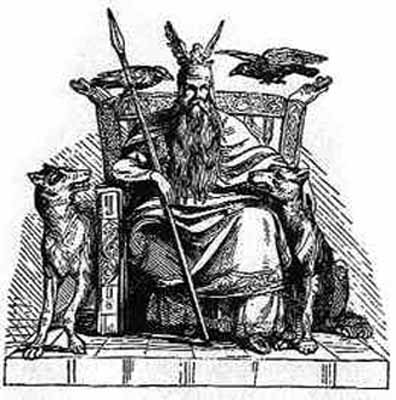
As a child Norse mythology was among my favorite pagan religious systems. Obviously those responsible for naming our weekdays felt the same. The struggles and weaknesses of Odin, Thor, and Loki are far more honest than claims of pristine intention on the part of the majority of gods. The most captivating aspect was the eventual victory of the frost giants at a kind of Ragnarök. In Scotland, so close to the landfall of many a Viking, I took advantage of indulging in Viking sagas and myths. My understanding remains that of a curious layman, but I sense a deep wisdom at work here.

A recent email from a university dean on a particularly treacherous weather morning admonished all instructors that classroom presence was a commodity that paying students have a right to expect. Deans, with their six-figure salaries, are not accustomed to not getting their own way. How hard it is to admit that the gods have bested us! There are those who’ve not bothered to study global warming but nevertheless like to make pronouncements about it. They claim such weather disproves that the world is heating up, despite the global warming models that predict erratic and localized colder weather. We have released the frost giants. The more we mess with them the more dangerous they become. So, what is my solution to the dilemma of too much weather? Well, I’m morally obligated not to say until I receive my six-figure salary.

The little wolf laughed to see such sport


Works and Fridays

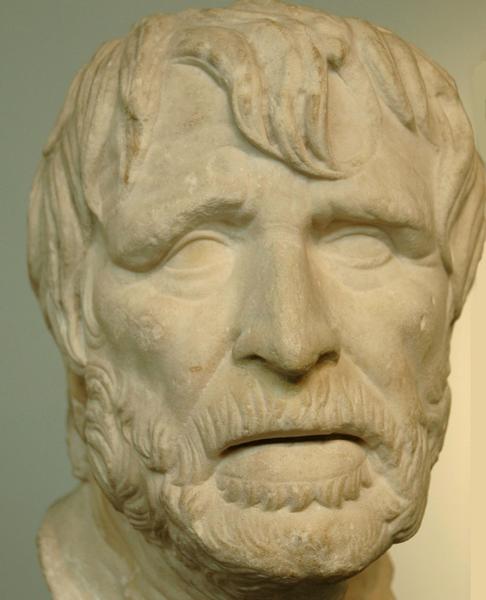
In rereading Hesiod’s classic Works and Days in preparation for my mythology class, I found the similarities with the Bible to be intriguing. One of the most noteworthy features of biblical wisdom literature is its universality. In a way that many believers find difficult to swallow even today, the wisdom authors accept – perhaps extol – the wisdom of sagacious “heathens.” We live in a world where religions are frequently engaged in building walls the envy of Jericho itself, while parts of the Hebrew Bible invite outsiders to join the party without even converting. Hesiod might have been a grumpy guest, but many of his words would have struck a familiar note with old Ecclesiastes.

Be not deceived – life is hard – so Hesiod tells us. The Greek gods made humanity to fend for itself. Men first and then Pandora to cause endless trouble, like the figure of Lady Foolishness in Proverbs. The misogynistic authors wave their flag in surrender to their passions; life is hard indeed. Instead of complaining (excessively anyway), the writers of wisdom interpret this difficulty as the crowning achievement of the human spirit. The gods made us to struggle, and when we’re up against it, we’re at our best.

Both Hesiod and the Hebrew Bible remind us that gods make the rules and we must obey. The human lot in life acquires an attenuated glory through living by divine standards. We will never shine like them, but we may sometimes outshine them. In the meantime, we must live by their apparently arbitrary rules. Reading the Torah, some of the Bible’s rules seem less-than-necessary to live a decent, honest, and moral life. We are not, however, to question the will of the divine. So it is that Hesiod warns, “don’t piss standing up while facing the sun” (Stanley Lombardo’s translation). Common sense might have added “while facing into a head-wind.” Such is the difference between gods and men.


Dispelling Myths

According to the Los Angeles Times yesterday, Danish scientists have debunked the folk-wisdom that a person can become drunk by soaking his or her feet in alcohol. In the spirit of science, three scientists submerged their feet for three hours in a washtub of vodka (I am very curious what the university requisition form must have looked like). At the end of three hours, the stone-cold sober scientists with pickled feet had dispelled “the myth.” Myth remains one of those loosely defined concepts that can be good and evil, in turns. If a falsehood is being disproved, the myth is misguided and wrong. If a deity is being described and worshiped, the myth is the ultimate truth. Perhaps we need a larger vocabulary.

A semester chock-full of mythology is drawing to an end for me. I taught on ancient Near Eastern myths, classical Greek myths, and biblical myths. Placing these religious stories side-by-side brings things into a sharp focus. No matter how funny or strange their results may seem to us, mythographers were people attempting to make sense of their world. Seldom do they get the scientific facts right, but that is not what they seek. In modern minds where the fine-tuning between truth and factual statements has been effaced, a conflict is inevitable. Especially since some fields of inquiry make lots of money (so much that professors can have happy feet) while others scrape by with the dregs of university funding. Aren’t we all climbing the same mountain?

One of the more disturbing aspects of teaching mythology is seeing undergraduates continually confusing mythology and history. This is not fine-tuning, the dial has broken off completely. I am astonished to learn that Heracles and Theseus really rescued (and sometimes violated) damsels in distress. Yet, on the first day of class, before the roster has been read aloud I could smell the alcohol in the air. A semester of dispelling myths lay ahead. “Kristensen [the Danish scientist] said it was important that the myth undergo scientific scrutiny to prevent students wasting their time experimenting with this activity,” according to Thomas Maugh. I wonder if it might not be best to keep the “mythology” alive – undergrads might well benefit from pouring the alcohol into their shoes rather than into their mouths.

A book undergrads might actually read


The Reality of Movies

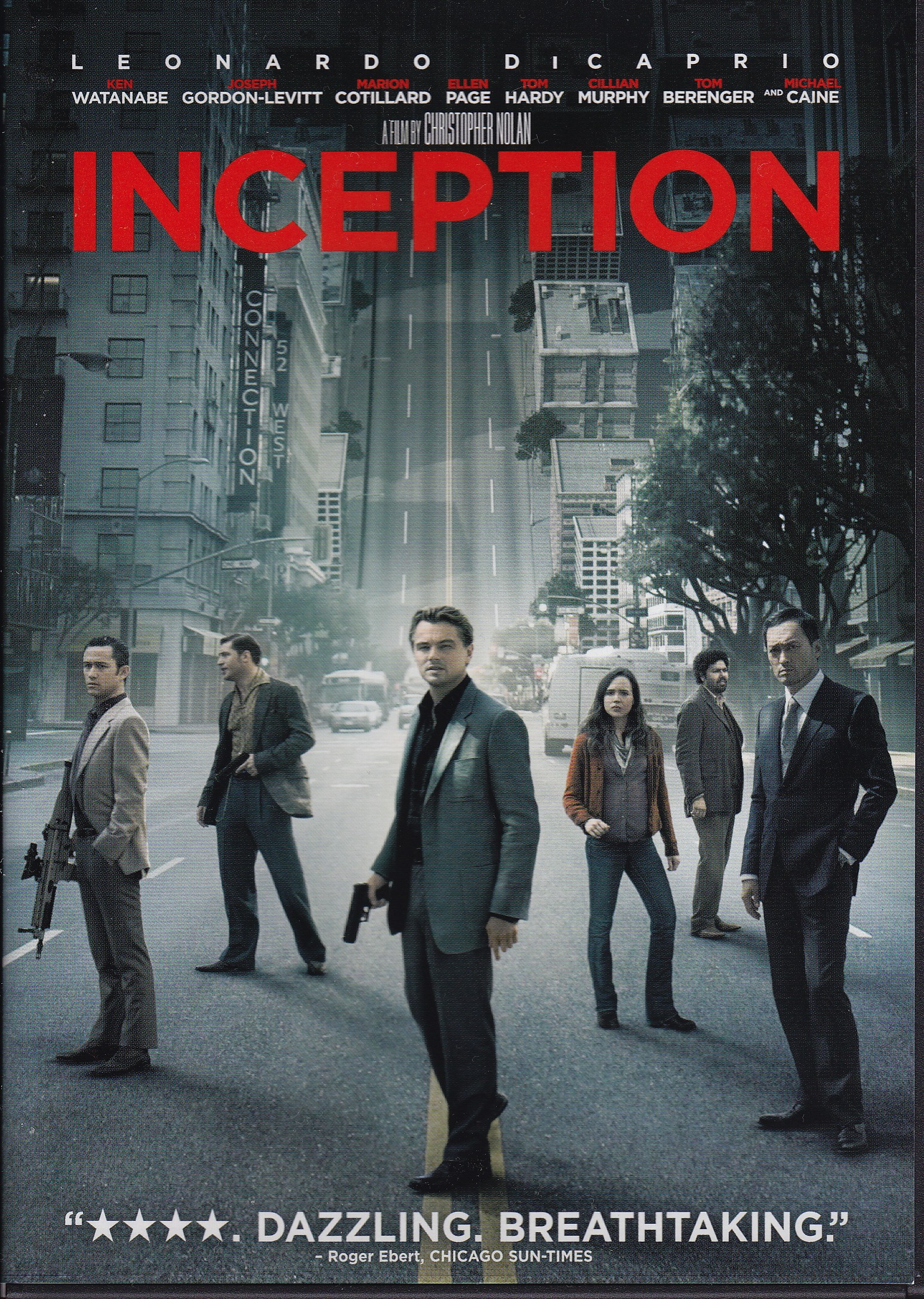
Inception was released on DVD this week, and having a weakness for struggling with reality, I knew I had to see it again. Now, people with a far sturdier grip on life than myself have been blogging about the movie since the summer, writing posts both profound and critical. I wrote an earlier post on the movie, toying with its retelling of the Theseus myth. This time, I am wrestling with the wonderful burden of having a subconscious mind. The crux of the movie is when Cobb has to decide which world is real: Mal’s or his own. The movie, of course, refuses to divulge the answer.

With a finesse that I had previously experienced with the original Matrix movie, Inception ups the ante on what we consider reality. “Reality” is a problematic concept, a bi-product, we are told, of consciousness itself. Reality is generally viewed in exclusive terms, and most of us spend our days in what I learned to denominate “naïve realism,” the concept that what we perceive is pure, unadulterated reality. Perhaps not as Inception or The Matrix, or even eXistenZ would have us believe, scientists today tend to agree that the world is not as it seems. The quantum world has opened up levels of reality undreamt of even by Einstein whose God did not play dice. This is perhaps one of the greatest challenges to traditional religions.

Although many religions gladly point out that there is a mythical reality behind what we experience every day, there is no hard evidence to back up these assertions. This is not the same as declaring they don’t tap into that reality, it is just that we have no final arbiter as to what that reality is. Having been in the business of religion all my life, I am absolutely certain that it isn’t what any fundamentalist group declares it is. They make claims about reality that would leave Jesus scratching his halo-encircled head. Is it Cobb’s, Neo’s, or Allegra’s reality or is it Hawking’s, Witten’s, or Greene’s? I simply don’t know. I just put the disc in an press the play button.


The Bells

No matter how naïve I find myself, reading student papers always rings bells. They may be alarm bells of my own obsolescence or the tintinnabulation of a new era dawning. Either way, they scare me. Having spent many, many days concentrating on reading papers to the detriment of daily life, I have been submerged into a world that is foreign to me. Yes, I am used to students texting in class, and I know when their laptops are open for “taking notes” that university wi-fi networks are freely available for surfing the net. I know they are only paying half-attention. I may be old, but I’m not completely stupid. Well, not all students do this, but the practice is ubiquitous enough to be considered normative. Their world is a realm of electronic information. The old ways are passing.

I recently learned that footnoting is dead. Already-in-the-tomb-four-days dead. An art that my mediocre high school drilled into every student in English class is no longer even remembered. I even had good students report to me that the campus writing center housed no one who even ever used the Chicago Manual of Style, although some of them had heard of it. In mythology class, any book is referred to as a “novel” or “story” with no regard paid to its actual genre. For those weaned on electronic reading, the old distinctions no longer apply. The Internet is full of information, and many young people can’t discern the wheat from the chaff. Raise your hand if you know what “chaff” is. I didn’t think so.

Seeing all of this in the context of a mythology course is fascinating. Many students refer to the days when gods and monsters actually existed. It is as if the Creationists have won without a struggle. The concept of religion, as reflected in the fiction of mythology, no longer fits the paradigm. Reality is electronic, and paper is fiction. Bells, bells, bells, bells, bells, bells, bells! At least as I get shelved with dusty books, I will be in a familiar environment with gods, monsters, and dinosaurs. This is the world I was born into and which will not long survive the passing of my generation.


Slash of the Titans

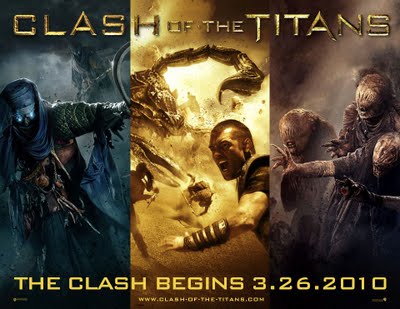
I’m suffering from mythology overload. Last night I watched the mediocre 2010 version of Clash of the Titans on DVD. Since I’ve been grading students papers on mythology non-stop for over a week now, I felt that I needed to see what all the fuss was about. Again. I saw the movie in a theater earlier this year and wrote a post on the post-modern perspective the film has on the gods. To get a better sense of a movie, however, a repeated viewing is awful helpful. The fact is that the public exposure to mythology is often limited to the movies. Students frequently ask if something they saw in the Disney version of Hercules is the way it really happened in the myths. Nothing really happened in the myths.

Meanwhile angry letters have been pouring into the New Jersey Star-Ledger. Rounding out a new losing season, Rutgers University football coach Greg Schiano remains the highest paid employee of the state of New Jersey. Academic voices are feeble, but economics makes people sit up and pay attention. Money talks. Brains are lazy when it comes to rigorous thought. As the collection of heroes gathered in the forest of Calydon to chase the great boar Artemis let loose on the city, the academic world has also chased the glory of the pig-skin. And poor Meleager paid the price of the public outcry when it was over. Even though his team won the biggest college bowl ever.

It is hard to tell the real villain in Clash of the Titans. The writers suggest it might be Zeus, or Hades, Medusa, the “Kraken,” Acrisius, Cephus, or even the “fire priest.” Everybody’s looking for someone to blame. Things aren’t right in Argos. Others blame state legislators, the president of Rutgers University, or the football coach himself. The fact is in both the movie and in the university priorities have been skewed. Nobody is driving except the money, no matter which box office it goes into.

Who's got the pig-skin?


Condom Not?

Newspapers and the Internet have been abuzz with Pope Benedict XVI’s leaked proclamation that condoms may be useful for male prostitutes in preventing the spread of AIDS. Many are astonished, and not a few heads have been scratched at the declaration from the stalwart bastion of “sex is only for procreation” Christianity. The announcement, while humanitarian, is deeply troubling. From ancient times it was recognized that human sexual behavior had more than procreational importance. The matter has been investigated by psychologists since the nineteenth century and the same conclusion was drawn: people engage in sexual practices for a variety of reasons. Meanwhile, the church has been holding out with a Hebrew Bible viewpoint enhanced by the personal outlook of Paul.

In the ancient world, the microscopic world of reproduction was unknown. What was actually happening in conception was misunderstood. Judeo-Christian sexual mores were based on faulty information, from a biological point of view. In such a view, the all-potent male gamete (inappropriately called “seed,” as if a womb were just a place for pre-formed humans to grow) was capable of producing life on its own. Reading a handful of Greek myths will demonstrate this principle nicely (since the Bible has a more demure and blushing way of discussing the idea). The concomitant concept that seed should not be wasted led to the faulty idea that, in the unforgettable words of Monty Python, “every sperm is sacred.” That mental construct has been used by the church to make women subservient to their biology in a way that never applied to males. The Pope’s declaration underscores this double standard.

If male prostitutes may use condoms with the church’s blessing to prevent the spread of AIDS, the only motivation left for heterosexual birth control is female control. The “lost cause” of male reproductive potential in male prostitutes does not apply in heterosexual unions? God holds married couples to a different standard than male prostitutes – why? Is the sperm in these two cases unequal? The Pope is undoubtedly on the right track by endorsing the use of condoms, but the church still has a profound distance to go before it can look women in the eye and say, “we believe you are truly equal with men.” Oh yes, and not blink while saying it.

Remember, these guys lost to the Greeks...


O Pomona!

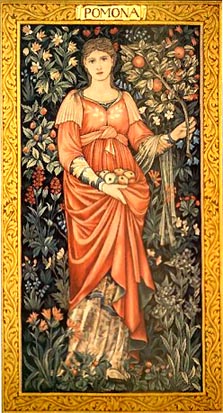
Ancient goddesses have long been a fascination with me. After writing my Edinburgh dissertation on Asherah, and taking employment at an Anglo-Catholic seminary that venerated the BVM – Blessed Virgin Mary, and not some underwear brand, as I had supposed – I realized that male-dominated religions still recognize the need for the sacred feminine. In my recent post on Halloween, I mentioned the Roman goddess Pomona. Roman religion is generally not treated with the finesse of classical Greek mythology, but it represents an important part of our western heritage. Pomona is an etiological goddess. Etiologies are stories of origins, and like other goddesses of the ancient world Pomona was used to explain the mysterious ways of nature.

The story that best describes Pomona is preserved by Ovid in his Metamorphoses. Pomona is one of the virgin goddesses, specifically the goddess of fruit. She has no known Greek antecedents. The myth involves her devoted chastity and her commitment to ripening fruit, particularly apples (and sometimes pears). Shunning all lovers, she was eventually wooed by Vertumnus, the god of changing seasons. Disguising himself as an old woman, Vertumnus visits Pomona and tells her of the wonders of love and of the attributes of Vertumnus especially. Eventually Vertumnus reveals himself, and Pomona, delighted at what she sees, loves him. Of course, apples ripen and seasons change. Winter is soon to come once the apples fall from the tree. The goddess has been subdued by masculine designs.

So it often is with goddesses. Men recognize the need for the divine feminine, but fear it and attempt to tame it. Pomona, however, survives. One of the memorable objets d’art at Nashotah House, where I sat in that chapel for over a dozen long years, was a frieze of the BVM. More technically, a Madonna and Child. The frieze hung over an altar in a side chapel behind the choir, so most people didn’t spend much time looking at it. Mary, holding Jesus, was surrounded by a frame of fruit rendered in plaster. Apples were prominent among them. There are those who suggest that apples show how Mary overcame the heinous sin of Eve. I believe, however, that the fruits surrounding the virgin demonstrate that Pomona, the virgin goddess who eventually succumbs to the advances of the male deity, still has a place in the patriarchal world of Christendom.


O Hades

Over the past week I have been grading essay exams for my mythology course. Most of my classes are large enough that assigning written work isn’t really feasible; adjuncts tend to teach many more classes than their full-time colleagues and getting grades in on time is impossible with too much paperwork. I tend to use “objective” tests, although I am aware, pedagogically, they do not reveal what a student actually knows. When I read essays, however, I am always brought to new levels of awareness. I also get the distinct feeling that I’m becoming a curmudgeon, complaining that back in my day you had to write better even to get into college. Regardless, it is a learning experience.

Last night I was reading an essay about Hades. This subject has particular interest for me since I recall attending revival services as a child where the guest evangelist shied away from using the word “Hell” in his sermons. He always called Satan’s realm “Hades,” rather like Paul, but when I studied mythology in school I learned that the places were quite different. Disney’s Hercules once again conflated the person of Hades with a Devil-like anti-god with fiery hair and the most Gothic chariot I’ve ever seen illustrated. This particular essay revealed an interesting religious training for the student; s/he wrote that unlike in Christianity, Hades was not God’s evil brother. The implication struck me – for her/his Christianity, the Devil is God’s diabolical brother. I don’t doubt for a minute that there are churches that teach such theologies, but the more I pondered the essay the more the idea expanded.

The dualism inherent in the view of God versus Satan clearly derives from Zoroastrianism. Judaism never recognized a “devil” character until meeting him in the Persian context of the Exilic and Post-exilic periods. I tarried long among the “orthodox” Episcopalians of Nashotah House where theological correctness was tantamount to being considered an actual human being. In such a school there was no time for those who thought dead Christians became angels or that you got to Heaven by being good. Yet the Devil was very real for these black-garbed acolytes of righteousness. The idea that he could be God’s brother, well, say a dozen Hail Marys and even more Our Fathers and we might let you back in the door. To me, nevertheless, it seems an almost biblical explanation for the origin of evil. Yes, Manichean in aspect, the idea does not fit nicely with a neat monotheism, but what is evil if not the antithetical DNA of God? Non-theology students have nothing to lose by expressing what they were taught in a secular mythology class, and for a brief moment in a student paper I had a glimpse of the true pluralism of Christianity.


Where Whoever Walked

No adequate explanation has ever been proffered for the human desire to be where more prominent individuals have been. In its religious guise this is generally called pilgrimage, and the faithful seek out locations where a besainted member of their faith tradition once trod, ate, slept, or died. Going to the place of the famous is a major motivation for the travel industry. We are driven to see what s/he saw, taste what s/he tasted, experience what s/he lived. Just to be there, and contemplate. No one person, however, is universally known by every individual world-wide, so who it is we follow varies widely. This sense hit me once again last night as my family undertook the rare treat of a live show at the Paper Mill Theater in Millburn. Although Hairspray is not the most profound of shows, it was exceptionally well done, and the images on the walls of the foyer reminded us of who had been here before.

The Paper Mill Playhouse, a place of transformation

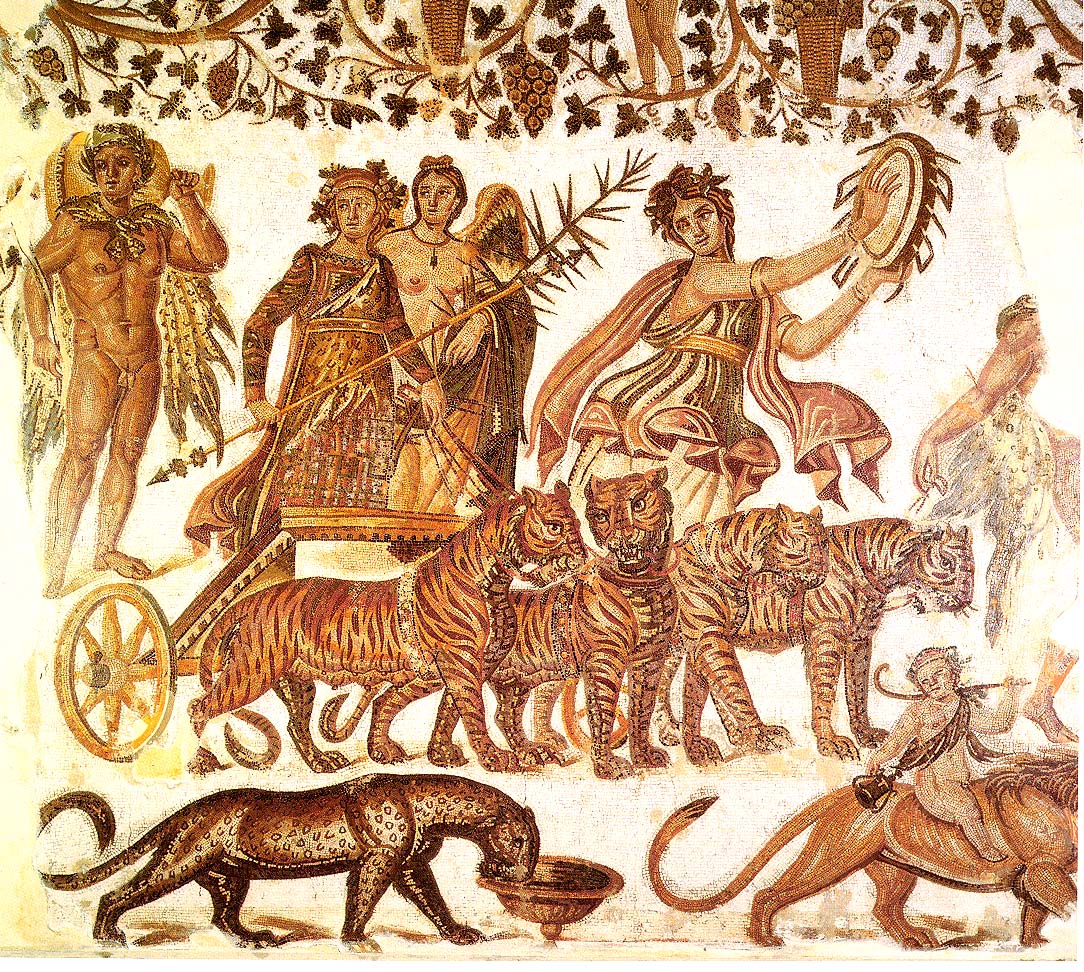
The shotgun blast of emotions this experience created verges on the religious. There was a time when I too donned the greasepaint (hard to believe for those who’ve only known me with this two-decades worth of old-growth forest on my face), and I know it to be a transcendental experience. The clean-shaven face is a boundless canvas. My own experience was local and small-scale, and certainly not done for fame, but the transformation was palpable. I am sure that actors everywhere share this experience – the apotheosis of becoming someone else. This week in mythology class we discussed Dionysus, the god of such transformations (and theater). A god who travels, a god associated with place, it is easy to understand how Dionysus became so popular, with or without the wine.

An epiphany of Dionysus

Dionysus was the recipient of a mystery cult in antiquity, one that rivaled Christian inroads in the Roman Empire. You see, many people recognized the similarities of Dionysus and Jesus. Both were begotten in unusual ways by their father (the high god), and both were gods of epiphany. Both were gods who understood the human condition – having mortal mothers, who came to people where they were, and who transformed the ordinary into extraordinary. Both were associated with wine – Jesus’ first miracle at Cana showed his theological pedigree – and both had reputations for associating with the less desirable members of society. And yes, both offered resurrection, a means of overcoming the limitations of life itself. Perhaps that is why the rare pilgrimage to the theater is so transcendental. It is pilgrimage and apotheosis all in one. And that is more than most of us might ever hope to achieve, short of encountering Jesus, or Dionysus, himself along the way of our pilgrimages.


Fearsome Fish

It must be October. As I was looking up a word on Dictionary.com, I noted one of their “the hot word” features entitled, “Scientists discover a fish they name ‘dracula.’” The fish, which is native to the eastern part of Asia, was discovered in 2009 but is just now starting to draw attention. The name apparently derives from its fangs. Vampires, however, have their ancient origins in creatures that draw the life force from humans. In the ancient world the “life force” could take different forms: blood, breath, and even semen. Soon a whole array of life snatchers populated the ancient mind – incubi, succubae, Lilith, demons, and any of a number of other contenders for the human essence. The fear of being drained is a very ancient one indeed.

While in my adjunct office at Montclair yesterday I met a colleague. We discussed the visit of the exorcist to campus that I missed but he attended, and while discussing the mythology class we both teach he mentioned how vampire movies make use of mythic themes. I have been using this information from the beginning for my class, but I was fascinated that another part-time instructor would latch onto the same film motif as I did to illustrate modern myth. The vampire is such a part of our culture that people often forget its religious origins.

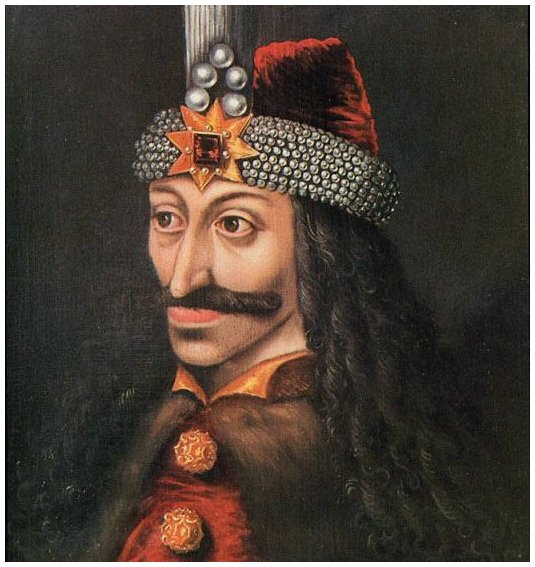
I attended a public performance of a two-man play at a local library this week. The play was a conversation between Edgar Allan Poe and Bram Stoker. Naturally, vampirism played a strong element in the single-act show. While Poe and Stoker were not contemporaries, they did both share an awareness of how religion tied in with the macabre. The Frank Ford Coppola movie Bram Stoker’s Dracula makes this connection explicit as an enraged Vlad Tepes stabs a cross in his chapel with his sword, starting a flow of blood that he greedily drinks.

Vlad Tepes on a good day

We’ve just crossed into mid-October and I already find myself surrounded with vampires. It is characteristic of religion to deal with our deepest anxieties, and the more we reflect on vampires the deeper we find they reside in the religious sensibilities of both fish and phantom.