Everything

It’s been getting a lot of press, Everything Everywhere All at Once has.  It’s been winning awards and it demonstrates that absurdism isn’t dead.  Absurdism is an essential element of existentialism, the philosophical school with which I most closely identify.  I had no idea others found it so appealing.  This movie’s difficult to encapsulate—the summary on Wikipedia is actually not bad—but it has to do with human potential when living in a multiverse where every decision splits the ‘verse into new bubbles where your actions play out in all possible ways.  And, of course, it’s tax season.  There are clearly elements of The Matrix here, as well as Brazil.  And it’s distributed by A24.  The message is good, as the story plays out.  The images are impressive and confusing and will make you think.
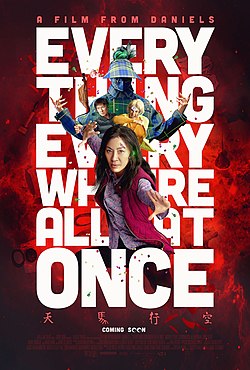
From the time I left home I’ve looked for two main elements in movies—they should make me feel and make me think.  When they do both they are successful.  Everything Everywhere All at Once is successful.  It also reminded me of how healing existentialism can be, which is what drew me to it in the first place.  Life, or to point a finer point on it, consciousness, is absurd.  You can follow the same rules and get different results each time.  And you have to live with the consequences.  If you think about it too much it leads to despair.  I need, and it seems others do as well, to be reminded once in a while that absurdity is endemic in this universe.  How else can we explain Trump?  Existentialism breaks in on reality and I used to self-medicate with Nietzsche and Kafka and Camus.  Lately I’ve been using horror.

The thing about absurdity is that it’s funny.  We may not laugh about what the universe hands us as much as we should.  Existentialism also holds that darker element called dread.  Sometimes that comes to the foreground.  In my own life, I guess I thought getting a Ph.D. from a major, internationally renowned, research university might help.  I had forgotten the role absurdity plays in all of this.  Everything Everywhere All at Once shows the universe, or multiverse, is the ultimate trickster.  There are those, serious scientists, some of them, who believe that each decision does split off another universe and that all possibilities play out somewhere in the multiverse.  Even if that’s true, we’re stuck in this one.  It makes sense, therefore, to laugh at it once in a while.

Aging Children

So I was reading this academic article from the late fifties.  In it the author was discussing how, in literary studies, imagination was considered childish.  It is something we’re expected to outgrow to participate in the adult world of cold, hard facts.  (Making money and such nonsense.)  And I came to think about the elderly I know.  You see, I’m part of that sandwich generation where children take longer to grow up and need more care longer, and parents live longer, requiring care as they age.  I know several elderly folk.  One thing I can say is that as they age, they live more and more in their imagination.  The cold, hard facts, in other words, are mere preoccupations of our “productive years.”  I, for one, stand with childhood and advanced age.  Imagination makes us human.

We’re all aging children.  I’ve rebelled against the work world since I’ve been in it.  My first job, at 14, was being a janitors’ assistant.  That meant taking all the jobs the school janitors didn’t want.  It often involved being left alone at a remote bus shelter with a Lord of the Flies-inspired group of tweens and being told, “Get that shelter painted by the time I get back” as the boss left.  (Ironically, my boss was also my seventh-grade science teacher.  The more I learn about everybody else’s school experience the more I realize just how extraordinary the Oil City School District was—Flu, may you rest in peace!)  From that point to now being told “Bring in more money for the company,” my mind feels truly at home only in imagination.  Perhaps I’ve grown up too soon, but we should still be listening to our elders.

There should be nothing but praise for those who manage to keep their imagination alive in the workaday world.  It’s not easy.  Faced with numbers, “metrics,” and “evidence-based” analytics, we’re expected to act like CEOs.  Every time I open Quicken I’m reminded I should’ve been an accountant, a real “adult” job.  My own evidence, however, comes in dreaminess.  I’m a daydreamer—always have been.  As a professor it was easy enough to get away with it.  Less so in the business world.  I still spend a couple hours every day in creative pursuits.  It keeps me young, I think.  Well, maybe it makes me old before my time.  In either case, I can imagine no better use of any adult’s time.


Missing Thoughts

Photo by Alberto Bobbera on Unsplash

Where do thoughts go?  Like many people who write, I carry a notebook with me to try to catch fleeting thoughts that make their way into my work.  That doesn’t mean you’ll catch everything, of course.  One of the most frustrating things is when you come to a key point in an essay or story and it vanishes before you can catch it.  Such things happen rather frequently.  More so than I would like, and, I’m sure if it happens to you it frustrates you as well.  Where do such important thoughts go?  This is a tricky question to answer because philosophers and scientists still don’t know what thinking, or what consciousness, is (are).  Whatever they are, they have some of my property.

Or do I have some of theirs?  Some have suggested that thinking is a much more collective activity than we suppose.  Our materialist view is that all my thoughts come from my brain and only get out if I share them.  Another way of thinking about it is that thoughts are out there and individuals receive them, like a radio or television.  Clearly our brains are involved in this, but mightn’t they be more like receivers instead of creators?  At least creators working ex nihilo.  One comforting thought, although it doesn’t help at the moment, is that that missing thought might still be out there, and like bread cast upon the waters, it will come back to you.  Sometimes it does.

Years ago I was working on a short story.  While out for a jog a perfect culmination for a scene came to me.  Naturally, by the time I reached home it was gone.  I was in anguish over it for many weeks.  Then, long after I’d stopped worrying about it, it came back within reach.  Something, I have no idea what, brought it back.  I hope this still works.  While rewriting a point in my latest book project, a stunning answer came to me, right in the middle of a paragraph.  By the time I’d hit “return” it had vanished.  The more thought I put into it, the more I felt like I was hitting a concrete wall.  As of this point, the key idea is still AWOL.  Since I don’t know where it possibly could have gone I can’t look for it.  Believe me, I’ve turned over every rock in this aging grey matter I regularly til and I just can’t find it.  Experience tells me it’s still out there somewhere.  And I do hope my receiver’s still functioning when it makes its way back around here.


Virtually Taxed

Nobody ever explained it to me.  DVDs, with no moving parts, can still go bad.  Having amassed a library of them over the years, and storing them the recommended way, I nevertheless come across several that have “damaged” areas—like a skip in a record—that confuses readers to the point that the movie simply isn’t enjoyable to watch.  The other day my wife had a hankering to watch one of those movies.  I checked our two streaming services and it was only available for rent, or “purchase.”  I still can’t wrap my head around buying something that doesn’t exist with money that’s purely electronic.  And people don’t believe in the spiritual world!  Well, I bit the bullet and clicked to “buy” the movie—perpetual access is what we call it in the biz.  We watched and all was well with the world.

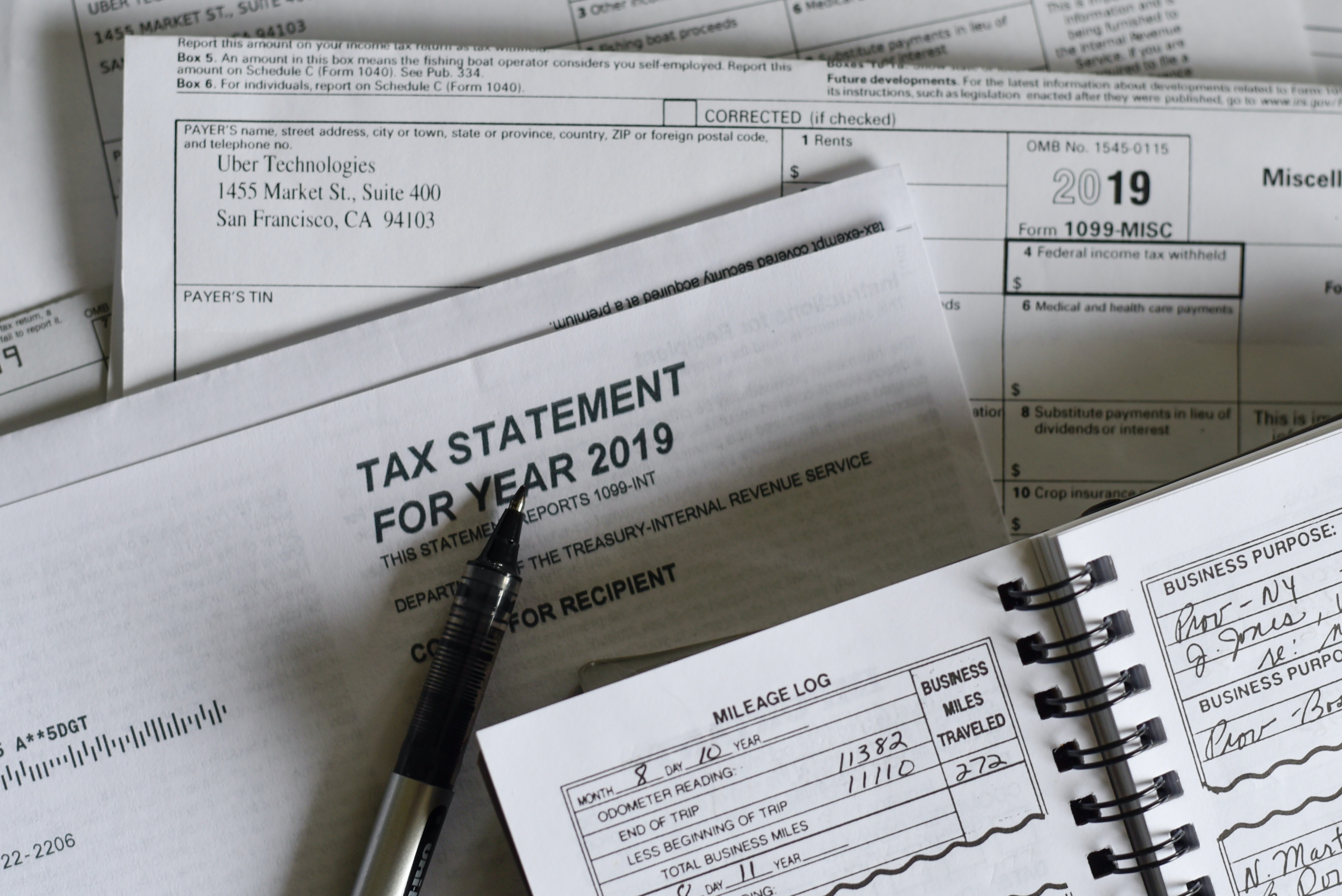
The next day when I went to file away the receipt, which came in the form of an email, I noticed that we’d been virtually taxed for this virtual purchase.  It never occurred to me before that when you’re buying electrons configured in a certain way, that this is a taxable event.  And your tax is based on the state in which you live.  If you’re in a place with no state tax—New Hampshire, I’m looking at you—these electronic purchases will save you some money.  The funny thing about this is the system works only because we believe in it.  The skeptic who says “What, exactly, did I just purchase?” raises a valid question.  Despite current trends, I don’t mind a bit of clutter.  I can always find the physical object I’m looking for.  It’s the electronic ones that give me trouble.

Our world is becoming less and less substantial.  More and more virtual.  Some of us prefer the corporeal sensations of the hunter-gatherer world.  Feet on actual ground, hands on actual book.  Or DVD.  Whatever.  The cloud, with its taxes, strikes me as distinctly odd.  Politicians can virtually live in a state—Dr. Oz wasn’t, and isn’t, a resident of Pennsylvania—so can I virtually move to New Hampshire and not pay taxes on my electronic purchases?  I’ve always wanted to live in New England, but my jobs have never allowed it.  There’s something about this physical universe, and house prices being what they are I can’t see a move anytime soon.  To deal with this reality I guess I’ll stay where I’m physically located and just watch a movie.

Photo by Olga DeLawrence on Unsplash

Blooming in December

The cascading petunias are doing fine.  It’s a little odd to see them in December, given that petunias are annuals, not perennials.  (The terminology has always been confusing to me—annual could mean, as it does, that they only grow one year.  Exegeted differently, however, annual could mean that they come back yearly, but it doesn’t and they don’t.)  The Aerogarden (not a sponsor) system provides plants with a perfect mixture of light, water, and nutrition.  The only thing missing is the soil.  Hydroponic, the unit gives plants the ability to prolong their blooming life preternaturally long.  These particular petunias have been blossoming since January and they’re showing no signs of slowing down.  This is kind of what science is able to do for people too—keeping us going, even as nature is indicating, well, it’s December.

I often wonder what the flowers think about it.  We keep our house pretty cool in winter.  Partly it’s an expense thing and partly it’s an environment thing.  In the UK they talked of “overheated American houses”—how many times I Zoom with people even further north and see them wearing short sleeves indoors in December!—and we went about three years without using the heat in our Edinburgh flat.  You see those movies where Europeans are wearing vest and suit coat over their shirts (and presumably undershirt) at home?  It occurs to me that it was likely because they kept their houses fairly cold.  In any case, I suppose the low sixties aren’t too bad for plants, but they certainly aren’t summer temperatures.  Still, what must they think?

Set on a counter where the summer sun came in, at first they gravitated toward the window during May and June.  Even with their scientifically designed grow light, they knew the sun although they’d never even sprouted outdoors.  That’s the thing with science.  I’m grateful for it, don’t get me wrong, but it can’t fool plants.  We can’t replicate sunshine, although we can try to make something similar.  (Fusion’s a bit expensive to generate in one’s home.)   So it is with all our efforts to create “artificial intelligence.”  We don’t even know what natural intelligence is—it’s not all logic and rules.  We know through our senses and emotions too.  And those are, in some measure, chemical and environmental.  It’s amazing to awake every morning and find blooming petunias offering their sunny faces to the world.  As they’re approaching their first birthday I wonder about what they think about all of this.  What must it be like to be blooming in December?


Gift Books

The New York Times recently ran a story suggesting that books are not only the ideal gift, but that this has been the case for a very long time.  The article points out that treasured Roman Saturnalia gifts included scrolls, or the books of the time.  Books are the gift of knowledge—who wouldn’t want that?  Also, I’ve been reading about the fact that money can be any medium of exchange as long as it’s agreed upon.  Why not books?  Being an American, it’s often amazed me how intellectuals are held in such low esteem in this country.  We pay our teachers poorly, we mock those who read “too much” (as if such a thing were possible), and we dismiss what experts of many subjects tell us because we don’t like to admit others might be smarter than we are.

Reading, like arithmetic, doesn’t come naturally to people.  We evolved to survive and reproduce and our brains have that prime directive.  Along the way, however, we learned to communicate effectively and cooperate on large ventures.  These ambitions required wrapping our brains around things like advanced math and learning to interpret squiggles written by somebody else.  Kids, full of energy and needing to play, don’t want to sit down to learn these things.  At least most don’t.  In some parts of the world those who do take naturally to such things are celebrated.  Teachers are venerated.  Learning is revered.  Ironically, in this country where some of the best higher education is available, we want to belittle those who attain it.  We prefer to play with our guns.

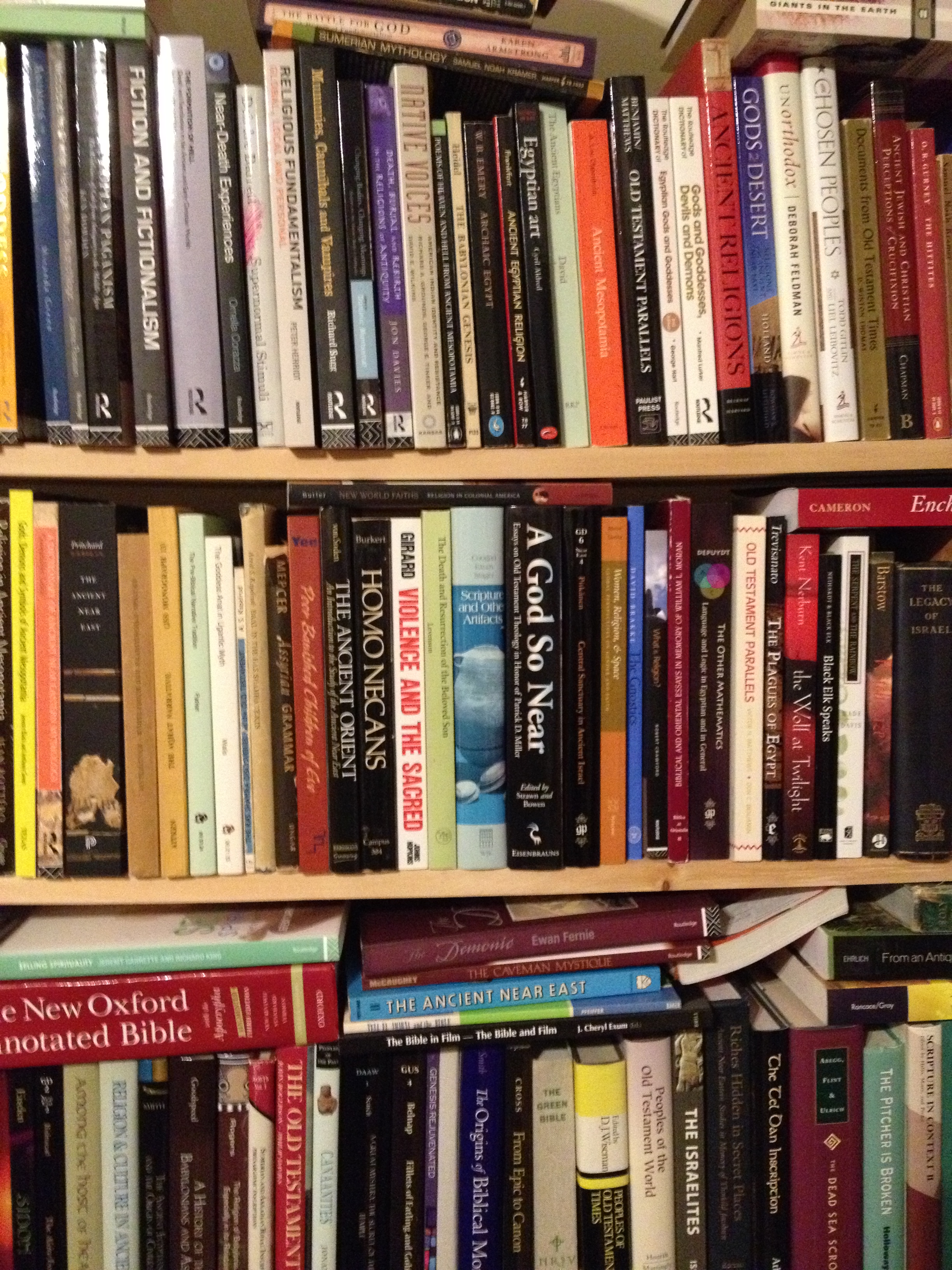
Now that the holiday season is upon us, however, I think of reading.  I keep a list of books I would like to have.  It’s well over a hundred titles long.  In a good year I can read sixty or more tomes.  It’s an engine that requires a lot of fuel.  Although in all likelihood I’ll never be able to retire, I keep my books against that time when I fear I might become bored.  Or that my mind might start to slip.  Reading is mental exercise.  In my current writing project, I’ve been discovering new connections almost daily.  Often in unexpected places in books I learned about only in recent months.  I write these words surrounded by books.  There are more in the attic, and more in the next room.  I may not ever have enough money to retire, but if we ever decide that books should be currency—and even if we don’t—I’m wealthy indeed.


Split Personality

This may be the way to develop a split personality.  For the majority of my waking hours of the week I’m a biblical studies editor.  I do the usual, boring editorial work associated with that job.  Academics contact me supposing I’m just some Joe who majored in English and who has to pay the consequences.  Once in a very great while the person contacting me knows that I once was a professor as well, but that’s rare.  So I have one part of my life.  When I’m not at work I continue to research (in my own way) and write books, as well as this blog.  Being in “the biz,” I have a fair idea about how to get published in the academic realm.  Ever since Weathering the Psalms came out I realized I could use that knowledge to steer my books toward appropriate publishers, but all of this is very separate from my day job.

A third compartment of this personality is as the closet fiction writer.  I’ve had thirty short stories published (under a pseudonym, for work purposes) and anyone curious about that pseudonym’s life can’t really tap into this one because I have to keep them separate.  I’m also involved in a faith community.  Most of the people there are surprised that I watch horror and write about it, and even write it.  Only two have expressed any interest in reading what I write.  So it is that each of these discrete elements—and they’re not all!—prevent me from being an integrated personality.  I know other religion scholars who watch and write about horror.  Because they’re academics they can integrate it into their profiles in a way a mere editor can’t.  To be fair, they’re misunderstood too.

The possibility of living an integrated life is limited in the workaday world of capitalism.  Companies want you to spend as much time as humanly possible making money for them.  You shouldn’t try to shine any light on yourself, and if you do, well, keep the company name out of it!  Who wants to be associated with some horror pariah?  And yet, statistics reveal about half the population of the United States enjoys horror movies.  A significant number of those people attend religious services or belong to religious bodies.  So what’s a graphomaniac to do?  I write because that’s what I do, and have always done.  I started in fiction and moved to academic and now I blog.  Somewhere in there there’s a person and someday I may discover who he is.


Pods

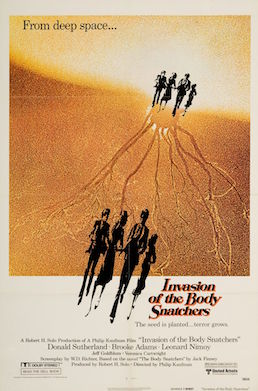
Some cultural assets (ahem) are so well known that you come to know them by association.  I knew the story behind Invasion of the Body Snatchers (1956 and 1978) long before I saw the original, within the last couple of years.  I may have been body-snatched myself since I can’t remember when it was or why I didn’t write a blog post about it.  In any case, I’d long been curious about the remake and discovered it free (for the time being) on Amazon Prime.  The fact I’m still looking for free stuff proves I’ve not been body-snatched, I guess.  If you’ve been raised with our cultural assets you know that the eponymous body snatchers are pod people who look exactly like the victims they destroy.  Their goal is a well-ordered society with no emotions.

The thing that’s so interesting about the 1978 version is that its assessment has changed over time.  When it first came out, many thought, and opined, that the 1956 black-and-white version was better and this one really added nothing.  However, over time this judgment has been questioned.  Critics taking a second look have now scored it as one of the best remakes ever made, and not only that, but it is considered one of the best science-fiction horror movies of all time.  I suspect nothing in that category will ever displace Alien, but still, my first viewing of the ’78 Body Snatchers agreed with the latter assessment.  It is quite good and it has even aged well.  You can kind of guess how it’s going to end, largely because the final scene has been played over and over, but still it’s definitely worth watching.

The social commentary in the film runs deep and strong.  Non-conformity is suppressed.  Life without emotions is better than really feeling something.  Simply go along because everyone else does.  The parable has changed actors over time—fascination with social media/virtual reality have perhaps become the modern pods—but the story is as old as our species.  Probably even older.  It’s non-conformists, generally after their demise, that are realized as visionaries.  Shooting a car into orbit requires tons of money but not much vision.  I’m not conforming, however, when I agree that the 1978 remake is good.  My taste in movies has always stood apart from others, at least from my own experience.  I also think that horror is often among the more intelligent genres of film.  But then, I tend to side with the emotional.


Forgot Again?

I’ve noticed a pattern.  I’ve been posting daily on this blog for over thirteen years now.  During the past two of those, several days (including the day before yesterday) have gone without a post.  It’s not that they haven’t been written—no, I have a surplus of ideas—it’s because of the pattern I mention.  I know that early morning is a bad time to be active on social media.  Few others are awake and by the time they are many, many more posts come on top of my meager efforts.  So in my reptilian brain, I think, “Maybe I should wait until about 6:30 to post—you know, when people are awake.”  My reptilian brain tends to rise between three and four (sometimes earlier) and so I really do believe people are shaking off sleep at around 6:30.  I think this although my family repeatedly assures me it’s just not true.

In any case, I load up my daily post on WordPress before starting work, which I also do early.  The pattern for the days I forget to post is this: something sets off my early morning schedule and I forget to click “publish” before getting engrossed with work.  I guess I need a blog posting alarm clock.  For example, two days ago I had an early author call from someone in Europe.  I don’t mind early calls,  as long as they’re pre-arranged, but that meant I had to jog early so that I could get dressed in time—I don’t like meeting someone for business for the first time wearing sweats.  By the time I’d jogged, changed, and wolfed down breakfast, I’d forgotten to click “publish” for the post already loaded up and ready to go.  Any interruption to my schedule can do this.  Just last month I forgot because election results were coming in.  I need that alarm clock.

Posting daily is a happy part of my routine.  I’ve done in when I have a flight out of the country later in the day.  Or when I’m overseas, I make sure to post ultra early Eastern Time (presuming I’m flying east) to make sure I get one post in each day.  If I fly west I post ultra early local time so that I can keep it about the same time as usual, or else I post later than usual—time zones flummox me.  (So far those western flights haven’t been out of the country, I would note.)  When I forget to post, however, I’m home and something disrupts my morning schedule.  Those who live by the clock, I’m told, die by the clock.  And when that happens, I’ll probably have a post loaded but I hope I’ll be forgiven if I forget to click “publish,” even if my alarm clock does go off.


Natural Wonder

I recently heard a talk about monarch butterflies that left me in awe, once again, of nature.  These remarkable insects have been in the news because of declining numbers—largely because of global warming, it seems.  We’ve only begun, however, to learn how remarkable they are, even with the head-of-a-pin-sized brains.  You might wonder why I’m discussing butterflies in November, but it’s not the first time I’ve done that.  Besides, global warming has made it relevant.  So what about monarchs?  Perhaps the most remarkable thing is that they migrate.  And to do so it takes about four generations.  This deeply embedded behavior shows an intelligence in nature that we’re reluctant to grant.  Still it’s clearly there.  I live in Pennsylvania and we have monarchs around here and they can be found as far north as southern Canada.

Photo credit: Kenneth Dwain Harrelson, via Wikimedia Commons, GNU Free Documentation License

These monarchs around here aren’t the ones who left their overwintering spot in Mexico.  The earliest ones we see up here may have flown in from the Carolinas or the Midwest, where they may’ve been born.  As adults they feed on flower nectar, but to be born they require milkweed plants.  Monarchs only lay their eggs on this one plant family.  The milkweed contains a toxin that they’ve evolved to eat and that toxin gives them a really bad flavor.  That’s why birds tend not to eat monarchs.  So they reproduce in northern locations until environmental cues change the late season eggs.  These late season generation produces the butterflies that will migrate.  Instead of hanging around sipping nectar, they find south (they can tell time and they only fly on days with a south wind) and make their way to one specific area in Mexico to overwinter.  They don’t eat at that stage.

In the spring, hungry, they following blooming desert flowers north.  They follow the food supply, birthing new generations to carry on, until they reach the latitude they prefer.  So some stay around here, eating and reproducing until the cycle begins again in the autumn.  It might seem like a lot of extra work (consider what we do in the office all day and try to criticize) yet it demonstrates the remarkable intelligence of nature.  That migrating generation has to know to fly south and they have to be able to find direction.  Once there, and ready to return, their offspring’s offspring will (we suspect because of other species) know where their great-great-grandparents lived and they head there over three generations.  All of this is being endangered by global warming, however. Because one species thinks of itself alone as remarkable.


Dangers of Bookmarks

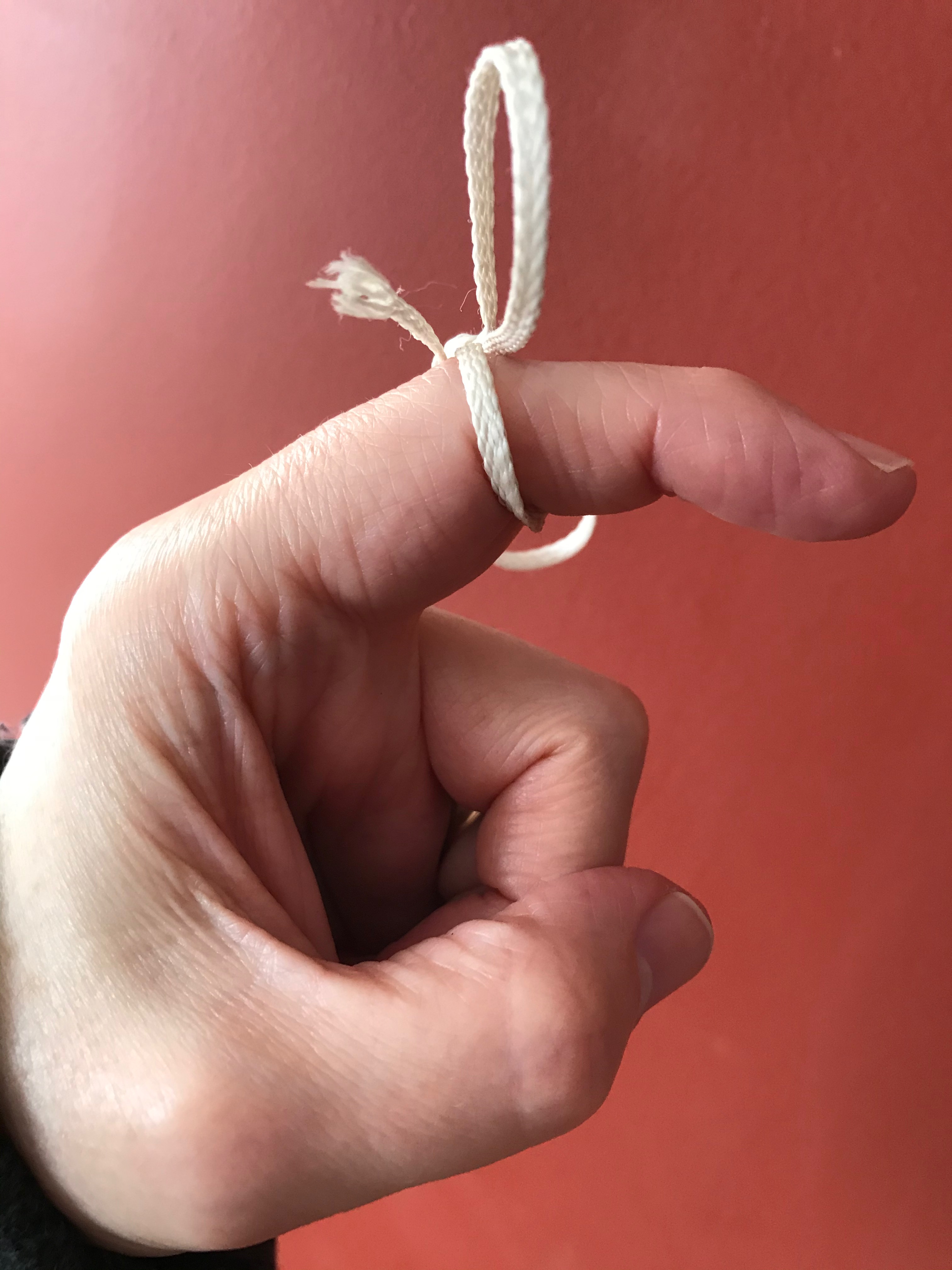
So you’re a busy person and you don’t always have time to act on something immediately.  Or you have to wait until the next billing cycle to afford something.  Daily life comes at you like a Russian missile, so you need to leave reminders around so that you don’t forget.  For me, those reminders often take the form of tabs.  On my browser I leave at least a dozen tabs open to remind me of things—I’ve got to get those cartons ready for mailing to recycle; thanks for reminding me.  I actually look forward to being able to click a tab closed because that means I accomplished something.  There are so many things to do and time is so rare.  Then the inevitable happened.

I was leading a Zoom meeting and I had to keep track of attendance.  Since I was leading I didn’t want to stop in the middle and write a bunch of names down, so I took a screenshot.  My poor laptop got confused and kept the screenshot on top.  Since the screen shot showed all the open windows (it’s not just the browser that’s open, but all the writing projects in the two different programs I use as well, all in various stages of completion), I couldn’t tell how to click out of the screenshot.  I couldn’t see the actual Zoom meeting or if someone was raising her or his hand.  I tried to keep the discussion going while trying to get Zoom back to the front.  I began clicking any window shut that I could.  Finally Zoom reemerged.

After the meeting I had to examine the carnage.  My browser had been closed and when I reopened it, the option to restore all closed tabs from the last session was grayed out.  I would have to rebuild my tabs from memory.  It was because of my overwrought memory that I’d kept those tabs open in the first place!  Before going corporate, when I could take my time and pay attention, I had a very good memory for things like this.  (As a professor I had time to act on things during the day instead of constantly thinking “I’ve got to get back to work.”)  Now too much is happening all the time.  I’m having Zoom meetings after work when I normally get my day to day business done.  So I’ve added a new task to all the others—trying to reconstruct my lost tabs.  Yes, it’s a classic “first world problem.”  At least that’s what I think it’s called—let me open a new tab and check.

A different kind of bookmark

Deep Life

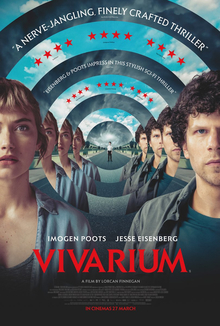
I have a list, you know.  It grows frequently and changes with my moods.  It’s a list of movies I want to watch.  While I never trained as a movie critic, there comes a time when you’ve watched enough, and written about them, that you can’t help but feel you have something valuable, perhaps, to say.  Movies are modern mythology.  At least if they’re done right.  Being a critic of limited means, I often paw through Amazon Prime’s list of freebies for subscribers.  Seldom is anything on my list there, so I try to find interesting offerings for free.  Sometimes they’re lousy (but at least free) and other times they’re provocative and perhaps profound.  Vivarium is a European film that slots somewhere between horror and sci-fi.  It’s like The Truman Show meets Village of the Damned while at a party thrown by the Stepford home owner’s association.  It’s one of the profound ones.

Tom and Gemma, a young couple, agree to see a house that an odd realtor insists they look at.  In a planned community of identical houses, the couple find themselves abandoned and unable to escape.  The house can’t be destroyed and food mysteriously appears.  Then a baby is delivered to be raised by the couple.  The child grows quickly, aging about 10 years in 100 days.  Tom decides to try to dig out while Gemma tries to care for the strange boy.  He mimics them and screams if he wants something.  Tom digs until he sickens.  He finds a body at the bottom of the hole and shortly thereafter dies at Gemma’s side.  The boy, now in his twenties, puts Tom in the hole he dug.  When Gemma attacks him he crawls under the pavement and she follows, only to discover other houses with other trapped parents.  She dies and the boy throws her into the hole and buries her with Tom.  He then replaces the realtor, waiting for other couples to come looking for a house.

The film is full of both existentialism and social commentary.  The boy tells Gemma as she’s dying that mothers raise their children then die.  We learn about two thirds of the way through that the boy is not human.  What he is is never explained.  This is the kind of film I would’ve found mind-blowing in high school.  It’s still very intriguing and will require some thought.  It’s well made, with high production values, unlike much of what I find scrolling through Amazon Prime.  It’s a film worth talking about.  And profound.


Life in the Woods

Early influences are often the strongest.  “If you can’t say something nice, don’t say nothing at all.”  Thumper was the dispenser of this particular wisdom, as prompted by his mother, upon noticing how shaky newborn Bambi is on his long legs.  Now I recall having seen Bambi only once, at an age so early that it’s buried in my personal ancient history, but I’ve tried to live by those words ever since.  I don’t like to hurt anyone’s feelings if I can help it.  When I do, I feel awful myself, often for a prolonged period.  Add that to the fact that I read a lot and review the books, in some fashion, here, and I sometimes face a dilemma.  Particularly when it comes to self-published books.  Most of them just aren’t that good.

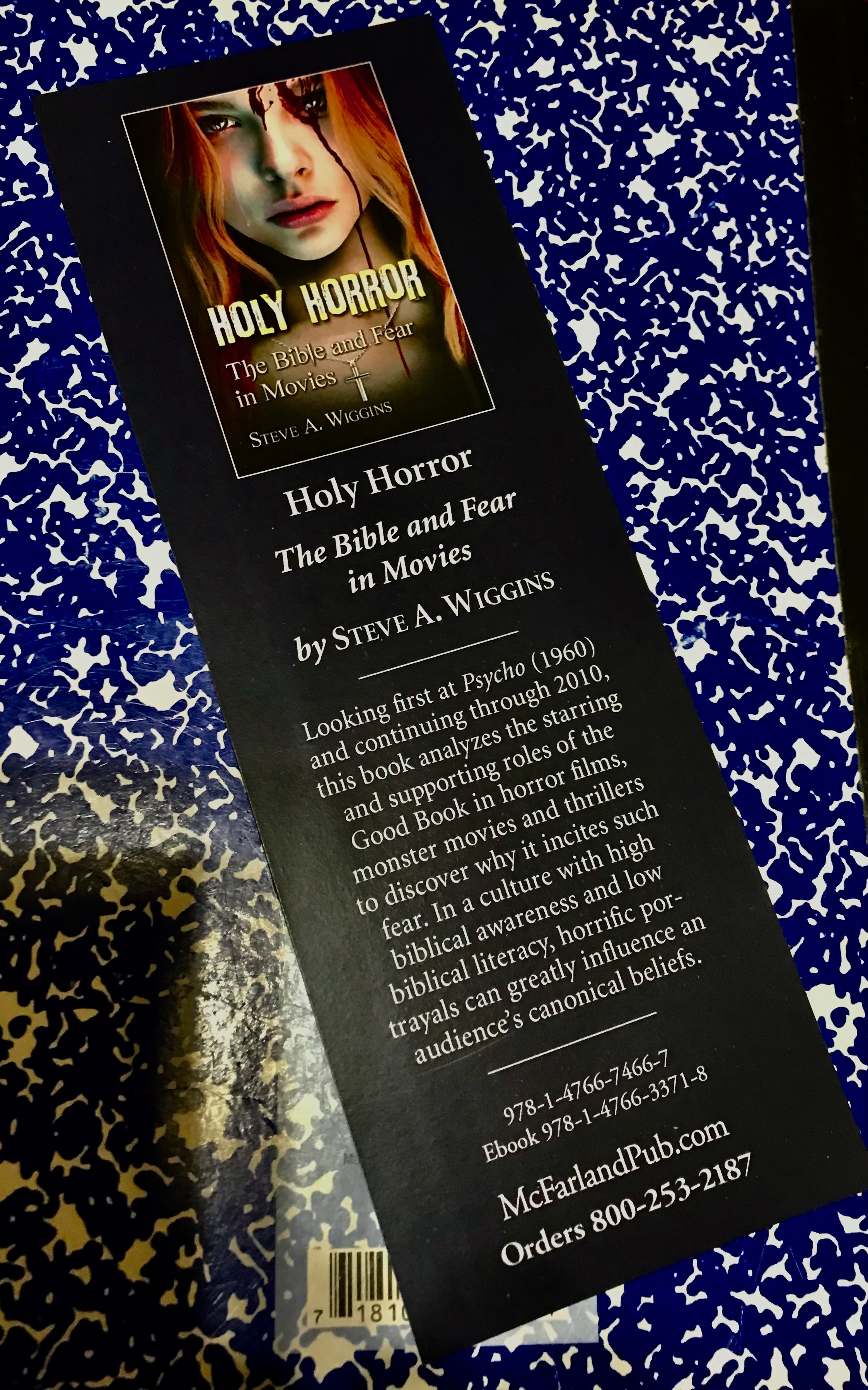
My wife once asked me whether I was concerned about my own critical reputation by not pointing out the problems in self-published books.  I had to ponder that a bit.  Just when the keystrokes start to point out the issues, Thumper hops into my mind and I think how I wish my own reviewers would be nicer at times.  You see, we’re all the victims of circumstance.  I’ve read self-published books where the author was clearly trying to make a living and honestly believed that s/he could write.  Ham-fisted keyboarding clearly stood behind some of these books and I realized that an editor serves a vital role in the literary ecosystem.  It’s also why I’ve resisted self publishing.  Before Holy Horror, I’d been compiling a book on monsters that I was ready to take to CreateSpace.  I’m glad I didn’t.  Books need editors just as surely as sparks fly upward.

The problem is the review.  I don’t mind saying critical things about books published in the standard way.  I’m still petting Thumper, though, and keeping it nice.  When it comes to self-published material I realize just about every time why the authors really should pursue a different line of work.  Many of us who write books do so while holding down full-time jobs.  Writing productivity suffers, yes.  I could write a lot more books if I didn’t spend nine hours at work most days.  As much as the criticism of editors (or peer reviewers) always stings, the resulting book is better for it.  You have to convince an editor, first off, that a book is worth doing.  If you can’t, perhaps there’s a hint to be taken.  I’ve never read the story behind Bambi to know if Thumper’s line came from Felix Salten or not, but I know the book was published by the prestigious German publisher Ullstein Verlag.  And self-publishing is, in many ways, a life in the woods.

Bambi: Eine Lebensgeschichte aus dem Walde by Salten, Felix

Monster Gods

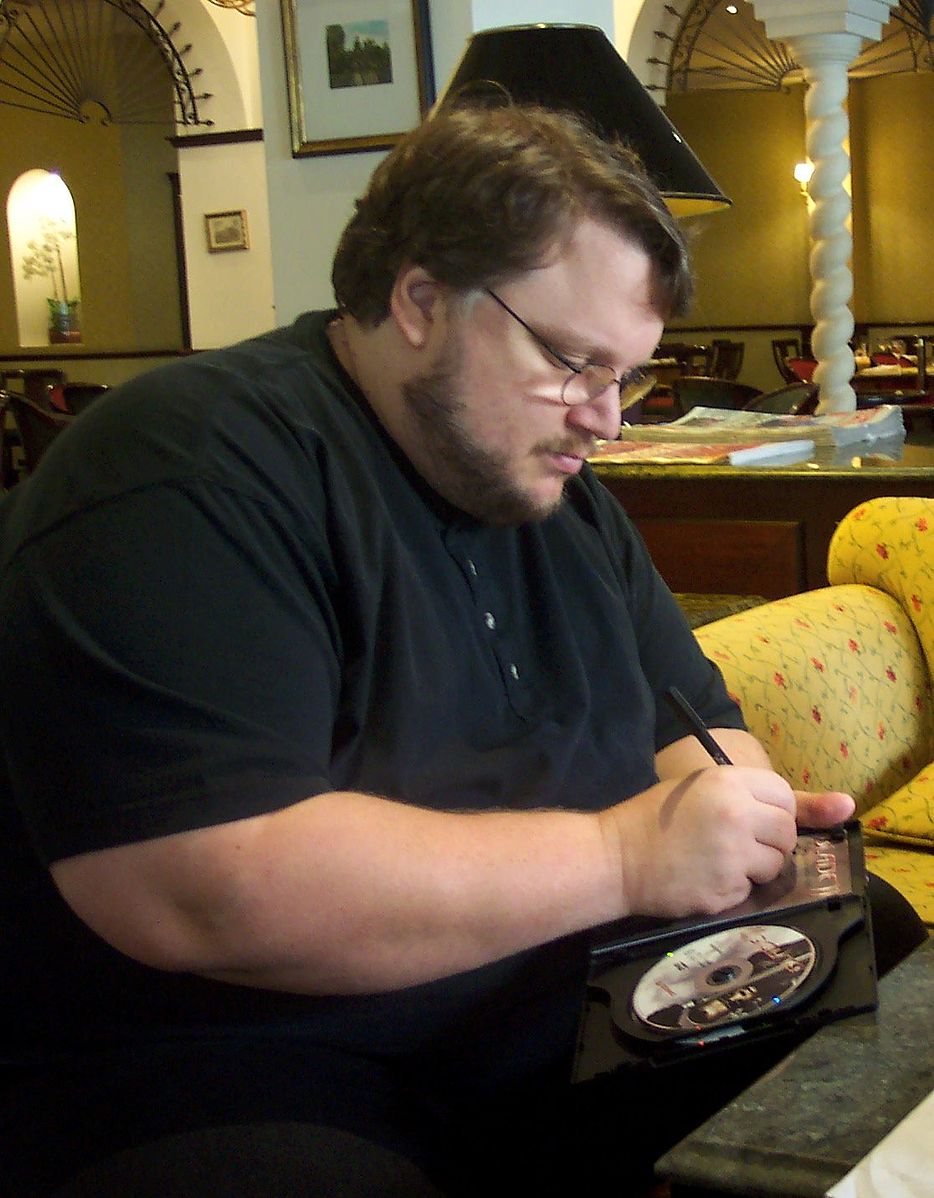
“I would go to Catholic Church and the saints made no sense.  But Frankenstein made sense, The Wolfman made sense, The Creature from the Black Lagoon made sense.  So I chose that as my religion.”  Famed writer/director Guillermo del Toro said these words.  They’re not exactly gospel but they do demonstrate the connection between religion and horror that is only now beginning to be explored.  Del Toro and I are of the same generation, and some of us in that time frame found meaning in the monsters we saw as kids.  They were coping techniques for living in an uncertain and difficult world.  A world with hellfire on Sundays and often hell for the rest of the week.  Fears of bullies and alcoholic fathers and lack of money.  Fears of an unknown infraction sending you to eternal torment, even if you didn’t know or mean it.

Image credit: Manuel Bartual, Creative Commons Attribution 2.0 Generic license, via Wikimedia Commons

I didn’t choose horror as my religion.  I didn’t grow up Catholic like del Toro either.  I haven’t seen all of his movies, but he does evince a kind of religious devotion to his monsters.  Pan’s Labyrinth was distinctly disturbing.  Pacific Rim was intense.  Crimson Peak is one it’s about time I watched again.  The Shape of Water offered a lovable monster.  Many of these films don’t follow standard horror tropes.  They’re thoughtful, emotive, and often wrenching.  These are, of course, traits shared in common with religion.  I suspect my own attempts to articulate this would benefit from conversation with someone like del Toro.  There’s no doubt that monsters give me the sense of Rudolf Otto’s mysterium tremendum et fascinans.

Religion and horror share a common ancestor.  Fear is an emotion that we apparently share with all sentient beings.  How we deal with it differs.  While a bunny will run away a rattlesnake will strike.  Horror is a way of dealing with fear.  So is religion.  We can’t avoid fear because, honestly, there’s much to be afraid of.  Many choose to believe their clergy, taught by people like me, and assume religion has all the answers.  Others, like del Toro, seek wisdom elsewhere.  When the credits roll at the end, you know it was all just a show.  When you walk out of the church, synagogue, or mosque, you know daily life awaits with its peaks and valleys.  Some may substitute one for the other, while others require the support of both.  And both, as odd as it may seem, can be addressed with conviction.  If you don’t believe me, just ask Guillermo del Toro.


Shatner’s Space

We constantly underestimate the power of fiction.  It’s difficult to break into getting fiction published.  It wasn’t always that way.  When the pulps were still a thing often it took a thimble of talent and a handful of persistence.  Publishers were looking for content and those with typewriters were clacking away as fast as they could.  Ding!  Carriage return.  These days it’s harder.  This came to mind in thinking about William Shatner’s trip to space and his subsequent reaction.  As several news outlets said in anticipation of Shatner’s new book, the experience made him feel profoundly sad and not a little cold.  So much empty space and we still haven’t figured out how to travel fast enough to reach our nearest neighbors.  We don’t even know if we’ll like them when we meet them.

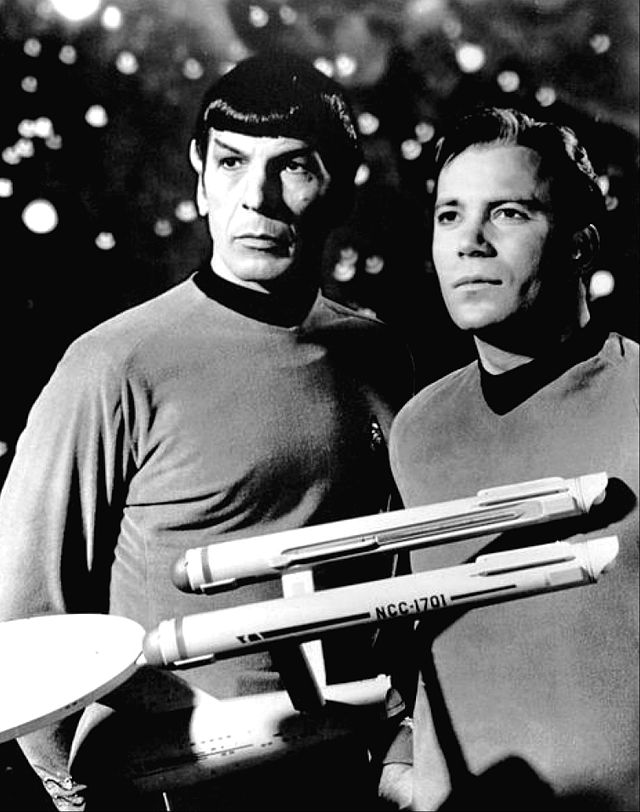
Others, in defense of space exploration, were quick to counter Shatner.  He’s not a real astronaut, after all, having spent nine decades earth-bound.  Or so they said.  But I think I understand, as a fellow land-lubber, where he’s coming from.  We’ve only really got one chance on this planet, being the only creatures evolved enough to type, to capture our thoughts—our essence—in words that can be preserved.  And wildlife statistics are showing an alarming decrease in other animals since the 1970s.  If we’re all that’s left and we can do no better than to elect fascists, well, stand me with Captain Kirk.  We look to the skies and see, well, empty space.  And besides, we need to get home because it’s supper time.

Image credit: NBC Television, public domain via Wikimedia Commons

The reason Shatner got a free ride to space was, of course, fiction.  Star Trek captured the imagination of my generation and those with actual science ability started to put that kind of future together.  Today we can talk to computers and they still mishear us, often with laughable results.  But if writers of fiction hadn’t been available the show would never have succeeded and what would a Canadian actor have had to do?  Maybe a crime drama or two?  And even those require writers.  It seems to me that we should be encouraging fiction writers with talent.  Believe me, I’ve read plenty who really haven’t got it (often in the self-published aisle) but I know firsthand how difficult it is to get fiction noticed.  It’s like, to borrow an image, being blasted off into a dark, cold, empty space and looking at the blue orb below and wanting to be home for supper.