Herd Not Heard

When mass shootings become commonplace, you might think bipartisan efforts would be made to stem the violence.  If so, you misunderstand how little the pro-life party actually values life.  By pumping its adherents full of fear, they use the hand not waving a gun to pocket donations from the NRA.  Human life is only valuable to get yourself elected.  It’s difficult to remember days when I didn’t awake to hear of someone with more guns than restraint opening fire in a public place.  Mental illness, it seems to me, is fairly widespread.  It’s no deterrent, however, to purchasing military-grade weapons and using them when the stress levels get too high.  Meanwhile lives of those—whether fellow gun owners or not—are lost.  And Republicans argue that nothing should change.  You’d think the insurrection might’ve changed their view.

How does one go to bed secure knowing the next day they may be reading about another mass shooting?  Sure, the perpetrator will be caught, if not already dead, and families will be bereaved but we know our rights!  Funny how even the Bill of Rights can be prooftexted by those who do the same with the Good Book.  What is so hard to understand about “Thou shalt not kill”?  Coveting, however, and adultery, seem alive and negotiable, to gather by their support of 45.  Such selective reading generally turns deadly and constituencies become mere statistics.  What seems to be missing is a basic sense of social justice.  A social justice that applies to all.

The idea of wanting a country only for white men and their subservient wives is a relic that simply refuses to acknowledge that societies change.  We’ll never reach perfection, but that’s no excuse to stop trying.  Firearm regulation might be a rational place to start.  While party politics will get in the way of this the pools of blood will grow only deeper.  What seems to be missing is the acknowledgement that these are people we are losing to assuage one party’s ambitions.  Wouldn’t prioritizing education and providing mental health services be better?  Ah, but it might stop some of the wealthy from pocketing yet more money from those who are lined up against the wall.  Of course, you can be in the majority and still be gerrymandered into silence.  When the Gun Ownership Party begins saying aloud that it can’t win elections fairly, and makes noises about beginning to cull the herd, we should all be getting a little nervous.


One, two, three

The danger of statistics is that they turn an individual into a number.  A few days ago an article in the New York Times addressed the rare blood clots that some women develop after receiving the Johnson and Johnson covid vaccine.  The response of the cited physicians was telling.  Many praised the decision to halt use of the J&J vaccine immediately.  Others, however, point to the numbers.  If a vaccine is halted many more could be exposed to and contract Covid-19.  It is better, they aver, to take the statically smaller risk and use the vaccine.  While I understand the logic here, I do wonder if the side effects occurring primarily in women has anything to do with the reasoning.  Why not save this vaccine for the men instead?

This raises once again the specter of consciousness.  Statistically the odds are small that a woman will develop a clot.  What if you are the woman who does?  This dilemma always bothered me while camping in the woods.  Statistically black bear attacks are rare.  How does that help you if your tent is one that looks like a candy wrapper to a bear of little brain?  You become a statistic instead of a living, breathing, feeling, blogging person.  Statistics.  There’s a reason some of us identify with the humanities, I guess.  I can imagine what it would be like to have your doctor say to you, “Sorry, this is rare, but look at the bright side—you now become a statistic!”

Photo credit: HB, via Wikimedia commons

The fact is we’re all statistics to strangers anyway, the government above all.  We are vote-bearing numbers to be gerrymandered and prevented from voting.  Beyond that we’re merely annoying.  This pandemic has introduced Stalin’s accounting with a vengeance.  542,000 is a big number.  Unless you know one or more of them personally.  Then the statistics seem to melt.  Life is full of risk, of course.  We’ve barricaded ourselves in our homes for over a year now, eating things that are likely more dangerous for us than a rare complication.  The virus, and perhaps some vaccines, are among various killers on the loose.  Nobody can declare with any certainty the correct course of action.  Actually doing something about the virus when it was first a known threat would’ve helped, of course.  We find ourselves on the brink, it seems, of getting Trump’s disease under control.  Would that we all could do so, without having to worry about lying down to be counted.


Whale Tales

Photo by Richard Sagredo on Unsplash

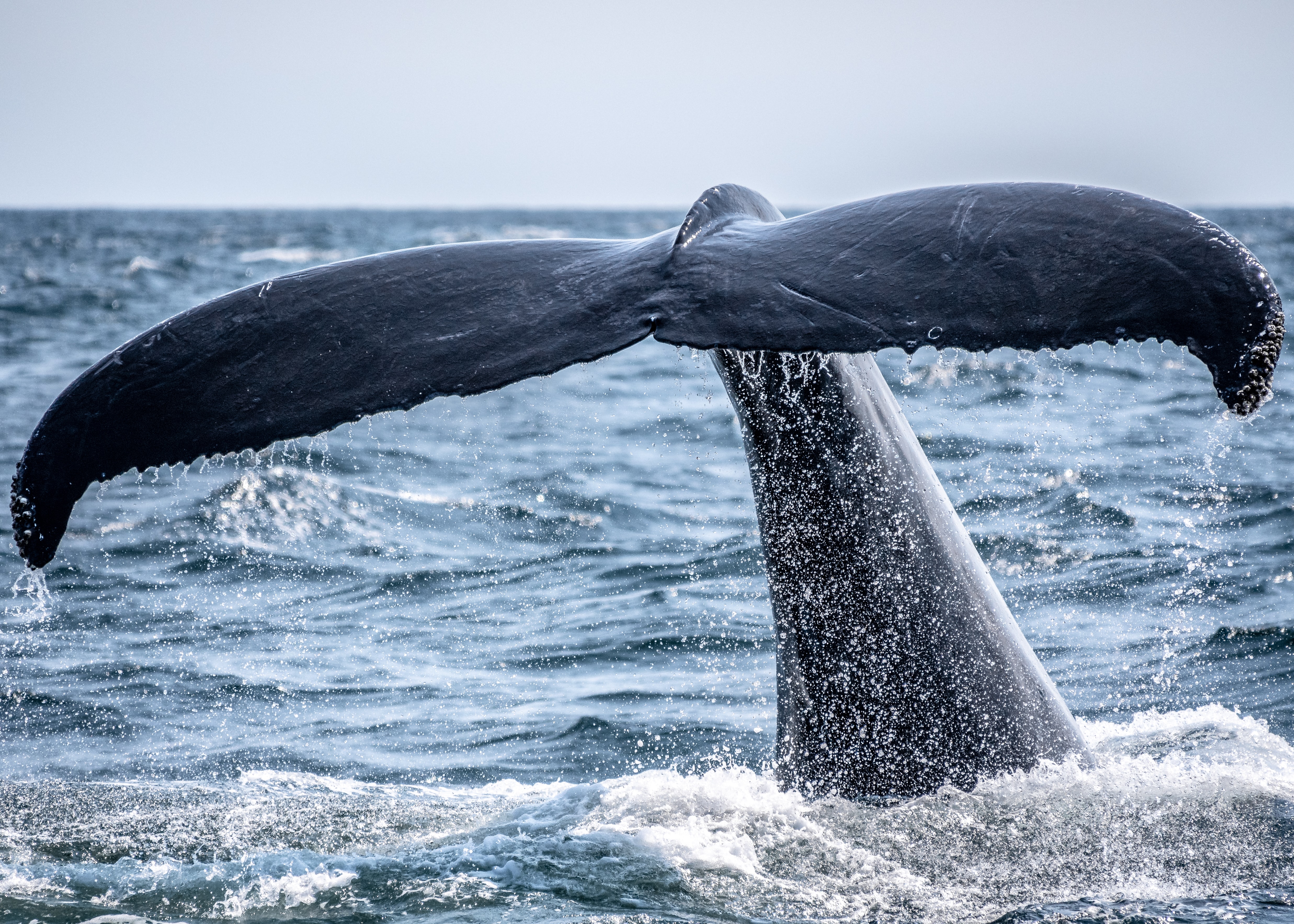
Always I’m surprised when other people seem surprised, specifically about animal intelligence.  Then I have to remind myself that our culture has absorbed the biblical view that people are different so thoroughly that even scientists believe it.  I watch the birds out my window quite a lot.  What they do is intentional and often quite intelligent.  True, not all animals are college material, but they are far brighter than the “automaton” paradigm with which I grew up.  So when I saw a piece in The Guardian titled “Sperm whales in 19th century shared ship attack information” I kept the tab open until I could read it.  Then I woke up this morning wondering why one of my many open tabs had the header “Sperm” on it, only to remember that I was going to read about whales.

I’ve written about Moby-Dick many times on this blog.  Although Melville didn’t experience financial success with it, he managed to pen one of the most profound and memorable novels ever.  One of the things he stressed was the intelligence of the whaler’s prey.  The Guardian article describes how, due to the magic of digitized log books, researchers can now compare captains’ notes about whaling.  What this comparison makes clear is that whales shared the information about attacks and avoided the areas where they occurred.  Despite the massive size of their brains, researchers had supposed whales to be rather stupid—or automatons—simply waiting to get slaughtered.  Animal intelligence is visible anywhere as long as we’re not afraid of that bogeyman, “anthropomorphism.”

We’ve been taught that human beings are so special that we think other animals act like us only because we’re projecting onto them.  Since the Bible informs us that we’re special and they’re further down the food chain, we must assume that creatures who destroy their own planet believing that they’re serving the will of God are somehow smarter than animals living in harmony with their environment.  We’re so smart that we had to add an extra sapiens to Homo sapiens to show just how special we are.  I’ve long suspected that animals are far more intelligent than we allow them to be.  Philip Hoare’s article offers us yet more evidence that we’ve underestimated our non-sapiens companions time and again.  Ironically we can accept that evolution explains how life forms change over time, but we somehow can’t let go of the story that says we’re somehow different.  I think we need to get out more and simply watch how animals behave.


Naming Easter

Today, for some, it’s Easter.  Others call the day Pascha, after the Hebrew word pasach, or “Passover.”  At its deepest roots it is a spring celebration timed around the vernal equinox.  The name “Easter,” however, has an interesting story.  All the more so for having missing parts.  There was apparently an Anglo-Saxon goddess named Eostre.  Since these Teutonic peoples didn’t have their own archives we only learn about the April festival dedicated to this dawn goddess from the Venerable Bede.  Being venerable, we tend to trust him.  He tells us that what is called Pascha used to be called Easter because of the goddess and her celebrations.  We’re often left, however, with not enough information about the deities of old Europe because, ironically, literacy had not come to them.

As we move into what publishers are calling post-literary culture, I have to wonder at the losses that will mean for the future.  We all know, deep down, that electronic media are ephemeral.  We just hope our bank accounts stay viable until we die so we don’t run out of money.  In any case, Easter is a good illustration of what historians and those interested in the development of ideas have to do when few written records exist.  We look at artifacts and images and make our best guess.  This is clearly evident in the field of studies of another goddess—Asherah—upon whom I lavished my dissertation.  We do have some written records, but for many scholars they aren’t enough.  We guess that this or that image might be of her, although they’re not labelled.  A similar problem applies to Eostre.

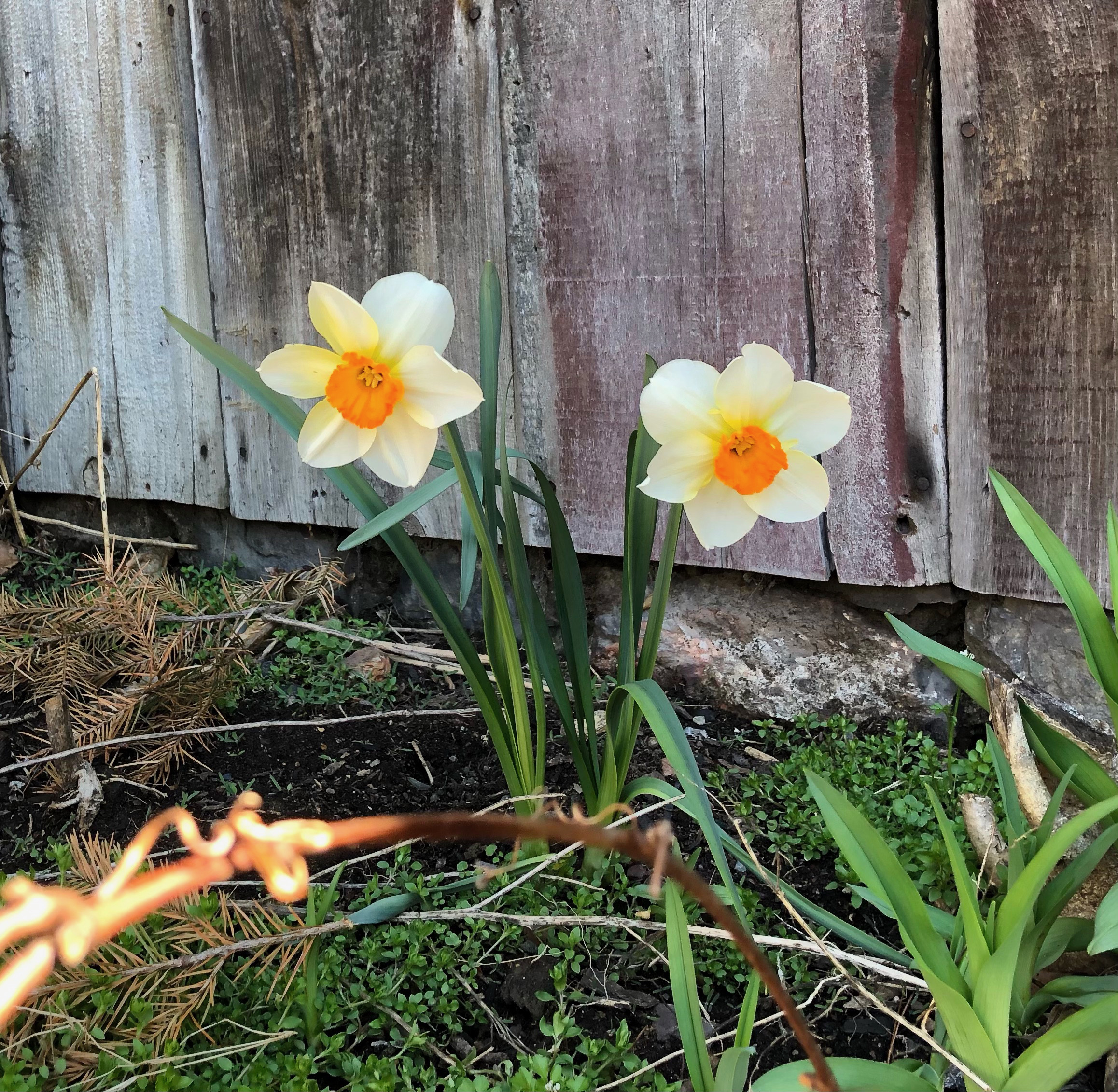
There is little doubt that a goddess named Eostre existed.  It makes perfect sense that she would be celebrated in April.  Before Daylight Saving Time was invented, it was light around 5 a.m. this time of year.  For early birds (historically we were in the majority) it would’ve been obvious.  The goddess of the dawn is coming back to us.  Shining in our eyes as we try to pry a little more slumber from a shortening night.  Early Christians tended to adapt rather than to reject  non-Christian celebrations.  The name of Easter is yet another of those conveniences.  Although it snowed a little around here on what some call Maundy Thursday, today Easter is here to remind us of resurrection.  Life does return and our daffodils, although they may be shivering, have bravely broken through the sod to greet the dawn.


Cherry Trees

Today is the predicted peak blooming of Washington’s famous cherry blossoms.  Although the trees were a gift from the mayor of Tokyo (before the United States bombed two Japanese cities into oblivion) they perhaps reinforce the myth of a boy George Washington chopping down a cherry tree.  I’m sure you know the story: Georgie cut down the tree and when his aristocratic father asked about it, knowing that he’d get in trouble, our founding father nevertheless confessed.  The incident never happened, as historians have long assured us, but it is part of American lore.  And perhaps a key to understanding American gullibility.  We like things that make us look great.  If a story shows that we’ve been honest even well before independence from Britain, well, we must be honest now.

Perhaps this is why so many people believed Trump, a president with a well-established and fully documented lifetime of lies.  The biggest one being, of course, that he cares about anyone other than himself.  Not content to accept facts, such as a closely monitored and fairly lost election, he espoused lies that are still causing shudders through the nation.  I, like many Americans, live in a “purple” town.  A few doors down from our house is that of a rabid Trump supporter.  Just two days ago I had to walk to the drug store about half a mile from here.  I walked past this house that had hung huge Trump banners right on the siding, in addition to one phallically jutting out from a flag bracket.  Now the house has huge American flags upside down.  Such things never happened, I’m pretty sure, when Bush lost to Clinton.  Or ever before.

Nobody with the ability to read can doubt Trump’s actual record of deceit and lies.  It is fairly well documented that he ran for president to help his business and promote his image rather than out of any concern for any other human being.  After sentencing over half-a-million Americans to death with Covid (about which he simply couldn’t be bothered to do anything), his followers (who numbered high among the victims) still clung to the lies.  Today the cherry trees, it is said, are blooming in Washington.  I believe it because I can check the facts and see if it’s so.  When I do I know that I’ll be thinking of George Washington and his fictional cherry tree.  I know it never happened.  Instead, I’ll focus on the beauty right before my eyes.


Found and Lost

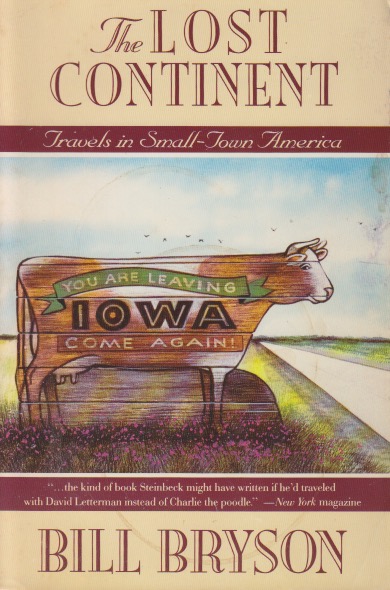
After the year that was 2020, I decided that I needed to read some books that might make me laugh.  That can sometimes be pretty difficult, just as finding books that scare me (unless they’re nonfiction) can be.  Turning to the internet (where else can we turn in these days of rare vaccinations?) Bill Bryson’s The Lost Continent came up more than once.  I think I may have read some of his other work, but this is one of his earliest books.  Perhaps it’s a sign of the times, but much of the humor seemed a bit cruel.  No doubt in America there are lots of things at which fun would be easy to poke, but we’ve become sensitive to others—perhaps overly so—perhaps to the point that even using the word “others” can leave you open to criticism. But still.

Bryson’s book is a classic travelog.  It’s the kind my family kept when we were able to travel.  We’ve still got a printed out copy of our journeys to significant places, stuck in an ersatz binder, awaiting notice perhaps.  We tried to keep it funny.  There’s something about travel that’s great for your sense of humor.  Bryson set out on two wings of a country-wide trip while back from England.  Starting at his home in Des Moines, Iowa, he drove south and east then up north and back to his starting point.  The second half of the trip, obviously, went west, to the south west before angling up through the high plains and back home.  

The book is hard to classify.  The cover on my copy says he was looking for the perfect small town, but mostly it just seemed to be driving around.  And hitting some big cities as well.  There were a few laugh-out-loud moments even for this dour reader, but mostly there were some smiles and a bit of sadness.  I had to keep reminding myself that this was the late 1980s.  In fact, I was living in the United Kingdom when the book came out, which is probably why I never really heard of it before.  I do, regardless of how well the humor works, enjoy a travelog.  You can learn a lot that way.  Many of the places Bryson visited I’d also been, but my impressions were somewhat kindlier.  As a kid I didn’t get to travel much (kinda like now) and seeing new places I was always awash in wonder.  Not everywhere is pristine, of course, but keeping notes always seems like a good idea.  And if you can get them published, you might even be able to make a living out of it. We all remember the freedom of the open road.


Story Over

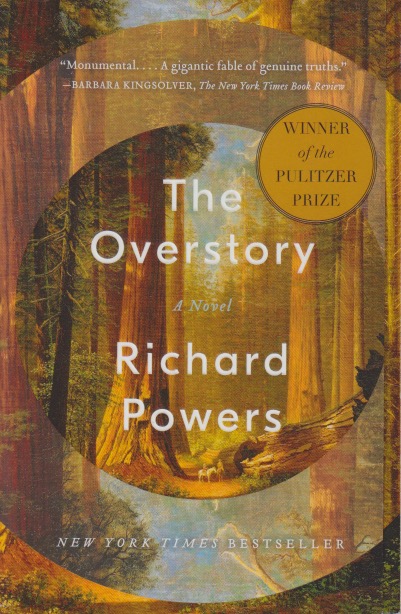
Despite my penchant for speculative fiction I tend to read a lot of what’s usually categorized as literary fiction.  These tales don’t fit into any genre and are often colored with realism.  More than one person had recommend Richard Powers’ The Overstory, not least the Pulitzer Prize committee.  In the style of novels these days it’s pretty long and that meant I had to build up the courage (and time) to get to it.  I support the environment.  I have a great respect for trees and try to support conservation any way I can.  The Overstory is, however, a bleak vision of what we’re doing to the planet and to other living beings.  It certainly helps to have read Peter Wohlleben’s The Hidden Life of Trees first.  It helps to know the main premise of the novel is based on non-fiction.  There may be spoilers below.

The first part of the book, Roots, introduces us to the various characters—most of whom will interact in the remaining pages.  Most of them are marked by tragedy in their lives and come to realize the longevity of trees has a perspective that can make sense of what, to our lifespans, seems inexplicable.  Several, but not all, of them end up in a conservation group trying to defend old growth redwoods from the insatiable greed of lumber companies and politicians.  The novel ends happily for none of them.  Trees, however, have the ability to outlive us.  While we cause real damage, they have the ability to regenerate, but in ways that none of us will live to see.  Trees see beyond the short, tragic lives we lead, into what may be a more hopeful future.

The other sections of the book, Trunk, Crown, and Seeds, follow events chronologically as the people age.  Some notable deaths among the group have a great impact on the small coterie of those protecting trees.  An unfeeling state and the corporate nature of laws are clearly on display.  They serve the will of those who can’t, or won’t, think differently about the world and our place in it.  Although the novel doesn’t ever cite the source, one of the eco-heroes finds a verse from Job to be of tremendous consolation: “For there is hope of a tree, if it be cut down, that it will sprout again, and that the tender branch thereof will not cease.”  I was glad to see the connection made, but the book left me emotionally exhausted.  With speculative fiction at least you can escape the real problems of this world for awhile.


Seussical Thoughts

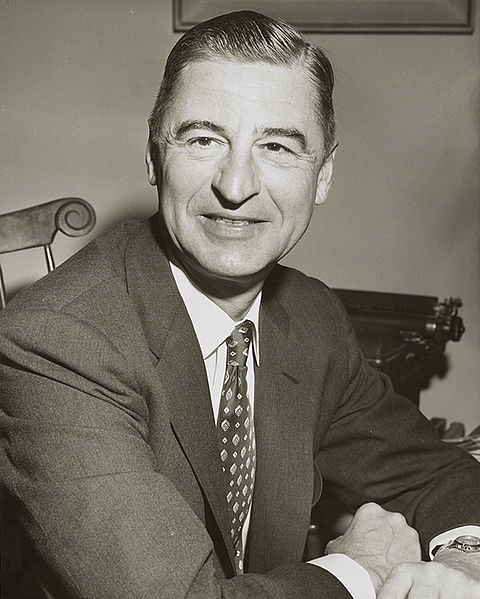
It seems that Dr. Seuss has fallen on hard times.  His estate is pulling six of his books from production because of hurtful race representations.  This has, of course, sparked the debate between period pieces and the clearly necessary reeducation that has to take place regarding race itself.  I don’t have a solution here, but children raised on these books are among those who realize the dangers of racial stereotypes.  In fact, even those of us who try to keep a weather eye on our own thinking process can at times get caught in the trap of thinking that “white” is “normal” and everyone else is a “variation.”  The truth is we are all variants and political power, with its not-so-subtle adjunct money, have embedded racist thinking throughout our society.

Photo credit:
Photo credit: Al Ravenna, via Wikimedia Commons

Theodore Geisel was a broad-minded individual.  His works often advocate for inclusion.  He was also a product of his time, even as we are.  The struggle to do right in the midst of a corrupt world is constant.  None of us, I fear, have risen to perfection.  The roots of racist thinking run deep and they re-sprout if just a fragment of a rhizome left behind.  We should all know by now that slavery was evil and that a system that devalued other humans for money was clearly wrong.  We should know that government policies that keep American Indians repressed and do so secretly are unethical.  We should know that people from Asia have as much right to opportunity as those whose ancestry lies in Europe.  Why is this so hard to learn?  Why do we still have to fight to dismantle systemic racism in this “land of the free”?

Dr. Seuss has taught generations of kids that “a person’s a person” and that persons deserve fair treatment.  He did it in the language and idiom of his own era.  Those making the decisions for his estate are not trying to destroy his legacy.  They are, however, asking us to look forward and to try to figure out where we go from here.  Half a century ago we knew that civil rights were the only fair way to live.  We’ve experienced globalization since then and we’ve been made better for having done so.  Yet we are mired in preconceptions that can only damage our collective sense of justice, often falling along party lines.  Dr. Seuss taught us well—shouldn’t we implement what we’ve learned?


one of many

It’s been some time since I’ve read about the Jehovah’s Witnesses.  There are so many religions that I need to refresh my study on them periodically.  So it was that I received a mailing from the local Kingdom Hall.  You see, the very last people at my front door before the pandemic was declared were bearing the Watchtower and telling me the end is nigh.  We knew about Covid-19 at that point and were being urged to keep social distance, although the authorities were still dithering about masks.  They knocked nevertheless and we stood several feet apart on the porch as they tried in vain to convince me of their truth.  So now, a year later, they’ve reached out by mail.

You’ve got to have a soft spot for a religion that has its origins in Pittsburgh.  Well, maybe that’s the case for those who grew up where it was the nearest big city.  And I do admire that pioneering spirit that says “established religions just aren’t doing it for me.”  The great swath of NRM—New Religious Movements—shows that you shouldn’t feel lonely if this applies to you.  Even today’s Christianities bear little resemblance to the teachings of the carpenter of Nazareth.  He who said even to look upon a woman lustfully was to commit adultery, but whose followers support a president who recommends grabbing them by the, well, where the originator said not to look….  Religions evolve.  The literalism many associate with Christian belief is really only about a century old.  We have no business castigating religions just because they’re recent.

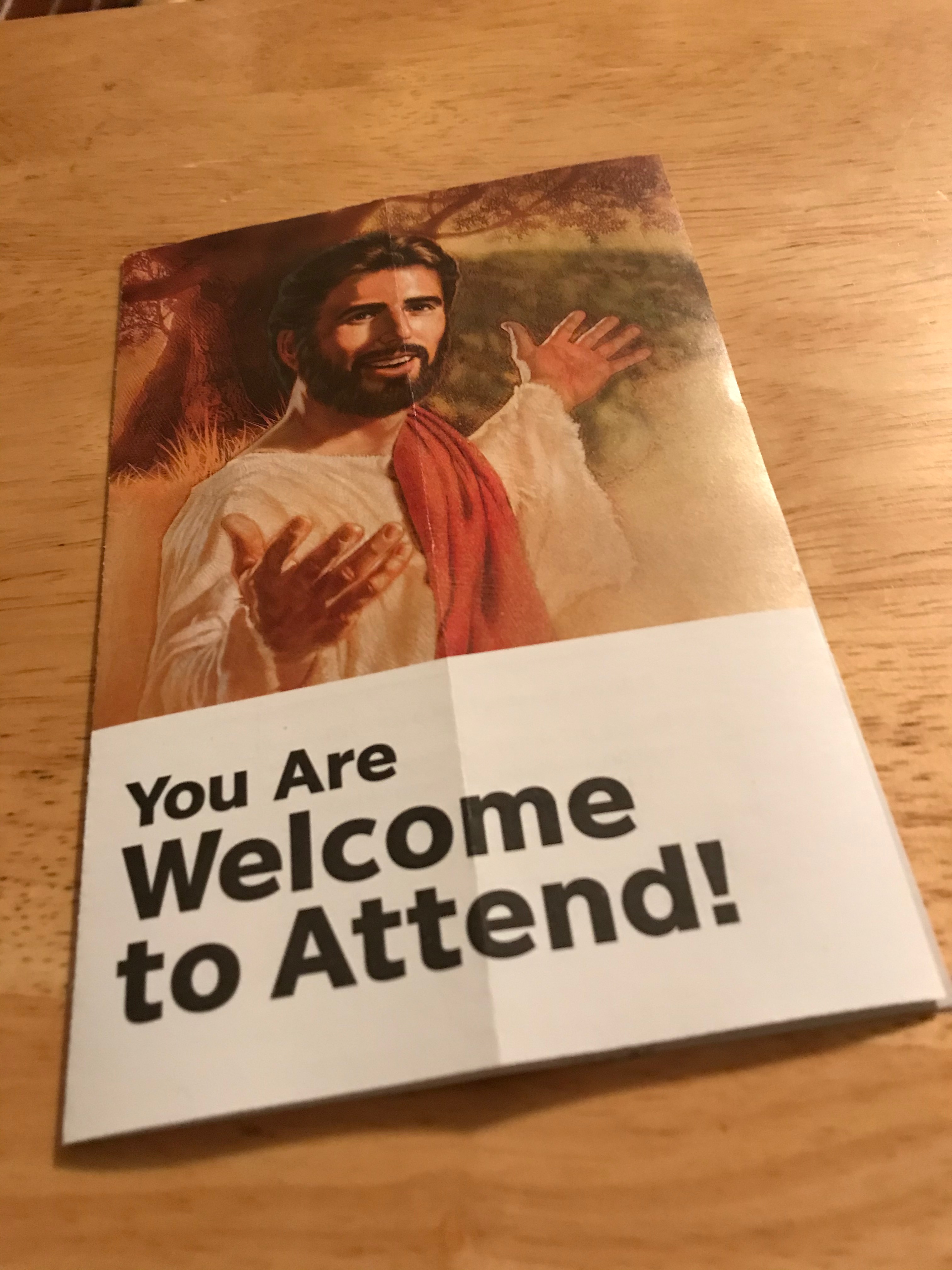
My mailing from the Witnesses included a personalized (somewhat) letter inviting me to a virtual commemoration of Jesus’ death.  Due to the pandemic it’ll be held on Zoom, of course.  The expected flyer with its Anglo-Jesus contains the details.  I did attend a Witness service back when I was in college.  Those days of heady explorations never really ended for me.  You have to settle into a tradition to get to know people, of course, but there’s a world full of ways of looking at our spiritual side and there’s more being propagated just about every year—even Jehovah’s Witnesses have splinter groups.  I suppose missionaries are something we’ll always have to put up with as long as people are convinced that their way is The Only Way.  Trust that others have perhaps quietly, perhaps deliberately, perhaps with a great deal of thought and reflection, have found their own way seems never to be good enough.  Still, an invitation is an invitation and those have been rare during a pandemic.


Who Says Suez?

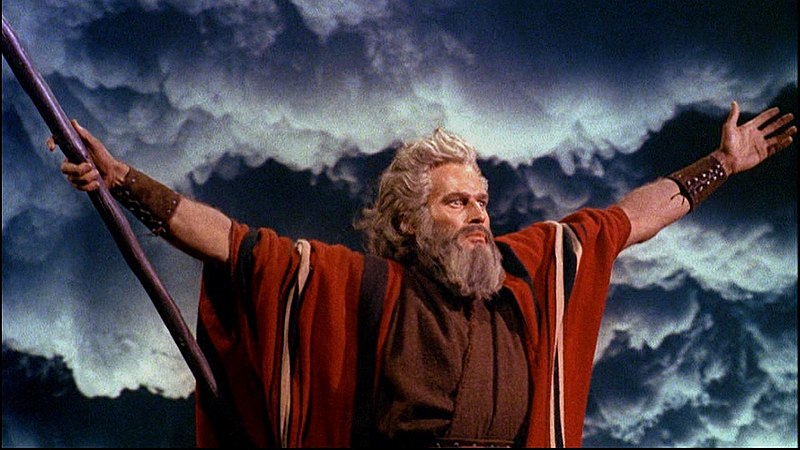
“Where was Moses when the lights went out?”  That’s one of the few sayings I remember from my grandmother.  She lived with us when I was a child and she’d say that when someone came in too late to help with something.  I always thought it a strange expression since Moses didn’t do miracles on demand, but I still remember it—kind of a miracle in its own right.  The expression came back to me when hearing about the MV Ever Given in the Suez Canal.  This massive cargo ship, buffeted by high winds, has choked the canal that links the Red Sea to the Mediterranean for days.  This shortcut means ships don’t have to round Africa to get to European and American ports.  While the problems of this one ship play out, over 150 others are waiting to pass through and goods could be delayed for weeks around the world.  I’m glad we have toilet paper.

Image credit: Ten Commandments trailer, via Wikimedia Commons.

Now Moses was known for have a role in the dividing of the Red Sea.  Of course, the name of the body of water is debated.  The Good Book actually says “Reed Sea” and nobody’s really sure where that is.  Besides, the miracle isn’t really credited to Moses.  God did the deed through, well, a strong wind.  If the waters could be divided perhaps present-day crews could figure out how to free the ship.  Photos of a bulldozer that looks like a Tonka next to the colossal freighter give an idea of the scale of the problem.  People building things so large that they can’t control them.  And the forces of nature seem happy to remind us that we’re not in control, right, Moses?

And everything, we assume, will go smoothly if left to its own devices.  How often do we really worry about the Suez Canal?  Or large ships, for that matter?  Theses things should go just as clockwork, we suppose.  Until our order from Amazon is inexplicably delayed.  The pandemic, Post Office troubles, and unexpected bad weather have caused major shipping delays around here over the past several months, and now we have no Moses when we need him.  According to Exodus, God lives right next door on the Sinai peninsula.  That’s where Moses first met him.  If we had a true prophet these days (let the reader apply wisdom here) there would be no concerns for something as simple as a wedged ship.  But we can’t even find Moses when the lights go out. 


Holy or un?

It’s either brave or stupid.  Maybe both.  Writing about a movie you haven’t watched, I mean.  Multiple people (do I have a reputation, or what?) have pointed out to me that Good Friday (for some) is the release date for The Unholy.  Since Good Friday’s a week away I guess we’re getting an early start this year.  The Unholy is a new horror movie and although I try not to watch trailers before seeing a movie—too many of them show too much in advance—I already have a sense of what it’s about.  This post isn’t really about the movie, however.  It’s about the bigger issue.  The concern many have is that it’s being released on Good Friday.  One thing I’ve learned is that to get attention you have to shock people, no, Donald?  Getting noticed is difficult and outrage generally works.

Friday, for many, is movie night.  Good Friday is, for some Christians, a day for church.  I’ve yet to have an employer (other than Nashotah House) that recognized it as a special day at all.  Easter always falls on Sunday so there’s no need to give time off work, at least in this capitalist, Christian culture.  But if you try to release a horror movie that day, people notice.  Mel Gibson knew that crucifixion could make the basis of a horror film, and people noticed.  Sitting over here in the backwaters just outside academe, I took to horror as a means of keeping my book writing active.  One reason was that horror gets people’s attention.  (It also helps if your books are reasonably priced.)

As a young man I used to spend a good deal of Good Friday in church.  Since I was serious about school I’m thinking we probably had the day off in my district.  Attending a Christian college, followed by seminary, I suspect these also paid attention to the liturgical year.  Then in the real world I learned the truth—it’s just another day.  A day for going to work and increasing the profits for whatever company may have hired you.  When the day’s over you’ll be inclined to relax, and perhaps watch a movie.  Right now going to a theater opens the possibility for horror itself so I won’t be there on opening night for The Unholy, but I think there was some savvy thinking going on, in any case.  And it may just be that the movie was titled specifically to fit the occasion.


Horror Story

Last week, according to an article a friend sent, Ronald DeFeo died in prison.  DeFeo was made infamous by the Amityville murders in 1974 that led to the Amityville Horror franchise, a series that I covered in Nightmares with the Bible.  Many of the other individuals in that famous haunting/possession have also passed away, including both George and Kathy Lutz, the owners who bought the house and brought it to the public notice.  Controversy still surrounds the story with some claiming it was all a hoax and others suggesting that the hoax doesn’t add up to the sum of what happened there.  DeFeo and the Lutzes were all considered unreliable narrators—DeFeo because he was mentally unstable and the Lutzes because they made money out of their misfortune.  If anything can complicate truth, it’s money.

Academics, of course, won’t touch the story.  Claims and counterclaims, all swirling around lucre, fog one’s vision.  The story illustrates just how difficult it can be to get at the truth.  Even allowing for exaggeration, it seems something happened there.  A worldview that dismisses any possibility of spiritual entities—however defined—will necessarily come up negative.  No doubt, considerable money changed hands.  The franchise is still going with no less than four movies being released last year with Amityville in their titles.  Getting at the truth involves decided which human beings you trust.  The one Lutz child that has been willing to talk, Daniel, has continued the claims.  How can we ever know?

I object to those who claim that such inquiry is a waste of time.  If such things as claimed in Jay Anson’s book do happen (even if exaggerated), it may be that they’re exceptionally rare.  Rarity of objects in the physical world is seldom in doubt.  Ask any auctioneer.  Getting into the accounts around the events, however, betrays a list of money-seeking individuals.  Just about anyone making a counter-claim had a book deal in mind, and given the phenomenal success of Anson’s original the possibility of getting to the truth after that would always involve wading through greed.  No wonder politicians so easily become crooked!  Money makes people do strange things.  Not surprisingly, those left with questions regarding the truth of the matter are left hungry.  It’s clear that Ronald DeFeo killed his family.  It’s a matter of record that the Lutz family moved into the house just over a year later and moved out without their belongings less than a month after that.  Beyond this what happened is less and less likely ever to be known.


Clearly Conspiracy

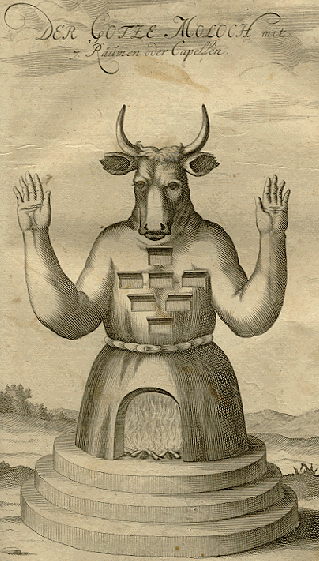
What an odd place to find ourselves in.  Some evangelical Christians, who used to be guardians of decency and moral human behavior, now have to have their clergy explain to them why Trump wasn’t the messiah he’d been touted as for the last four years.  A piece in the Los Angeles Times recently described the struggles of one such minister with his congregation that had fully bought into the conspiracy theories Trump promulgated in order to mask his own lack of care for his country and its citizens.  Conspiracy theories have become big business in academia with faculty from many departments exploring them.  I haven’t seen much in the way of religion departments participating in the discussion, but I think they should.  Why?  Religions are all about getting people to believe and act in prescribed ways.

Image credit: Johann Lund, Wikimedia Commons

Not that religions alone can explain this.  Psychologists and sociologists must have some important insights as well.  I used to tell my students that not all religions are about beliefs.  Some have to do with behaviors—acting in a certain way, regardless of belief, is to be part of it.  Certainly that explains part of the membership in the cult of Trump.  Many who follow it must know in their consciences that a man who defrauds the government he “governs,” who actively womanizes, and who displays overt racism can’t be the ideal evangelical.  Ah, but the conspiracy theories explain it!  Pay no attention to the man behind the curtain, right?  You can sure get away with a lot that way.

Religions have a lot to teach us about both strange behaviors and strange actions.  Many years ago someone pointed out to me as I was enumerating what I considered odd beliefs of a New Religious Movement just how odd Christianity looks from the outside.  When I stopped to think about it, this made sense.  The unconventional aspects of the faith had become naturalized because I’d been taught all my life that they were true—unlike all other religious beliefs.  Not only that, but I had been taught that accepting them without question was the only way to avoid Hell.  Over the years the strangeness became normal.  Trump and his conspiracy theories had their way smoothed by an evangelical narrative of unquestioning belief instead of an examined faith.  Now many ministers, awaking sober, are having to try to convince their flocks that they’d accepted lies for truths.  It’s an uphill battle, unfortunately.  Religions, after all, have been about getting followers to believe without questioning, or, apparently, considering the source.


Taxing Thoughts

Tax season has come with a new fear this year.  We had to visit our accountant’s small office to sign things.  We managed to get last year’s taxes filed before the pandemic became evident.  This year I spent weeks worrying about the upcoming appointment.  Sitting in a room with a man I both respect and fear.  Our government loves its paperwork, and although you can file electronically you still have to pay any amounts owed (on the state or local level) with actual paperwork.  That paperwork has to be signed.  To do so you need to meet an actual person who has some inkling of how this all works.  Ironically, the technology exists for taxes to be done automatically by the government.  Groups like Intuit, the owners of TurboTax, lobby the government not to make it easier.  Intuit would lose its income stream.

I don’t mind paying taxes.  I did chafe a bit the past four years, knowing I was supporting an evil government, but overall I understand that we all need to contribute in order for things to continue to run (somewhat) smoothly.  The thing that frightens me is being in a room with someone who might’ve been earlier talking with someone who had a dread disease.  Last week marked the one-year breaking point.  My wife and I agree that March 12 was the day the news turned utterly ominous.  Although the Trump administration knew about the disease, it had decided simply to ignore it.  Now, with more than half-a-million Americans dead, we’re still paying our taxes to try to undo the damage that one man did.

The more immediate problem is how to survive getting those tax papers signed.  Ironically, I can oversee the acquisition, editing, production, and sale of a physical book without ever having to touch a piece of paper.  It’s a marvel, really.  In fact, many of the books I acquire I don’t see until months after they’re published.  For taxes, however, we still need to send the physical paper in.  The alternative is TurboTax.  They add on so many fees that we ended up paying them as much as an actual accountant last time we did our own taxes.  I’m happy to pay a human being to do them, and I even like our accountant.  It’s just that it doesn’t feel safe to go inside somebody else’s space right now.  It’s a little too cold and wet to stand outside and sign the papers with trembling fingers.  Perhaps next year we’ll be able to do our part without fear.


That Time Again

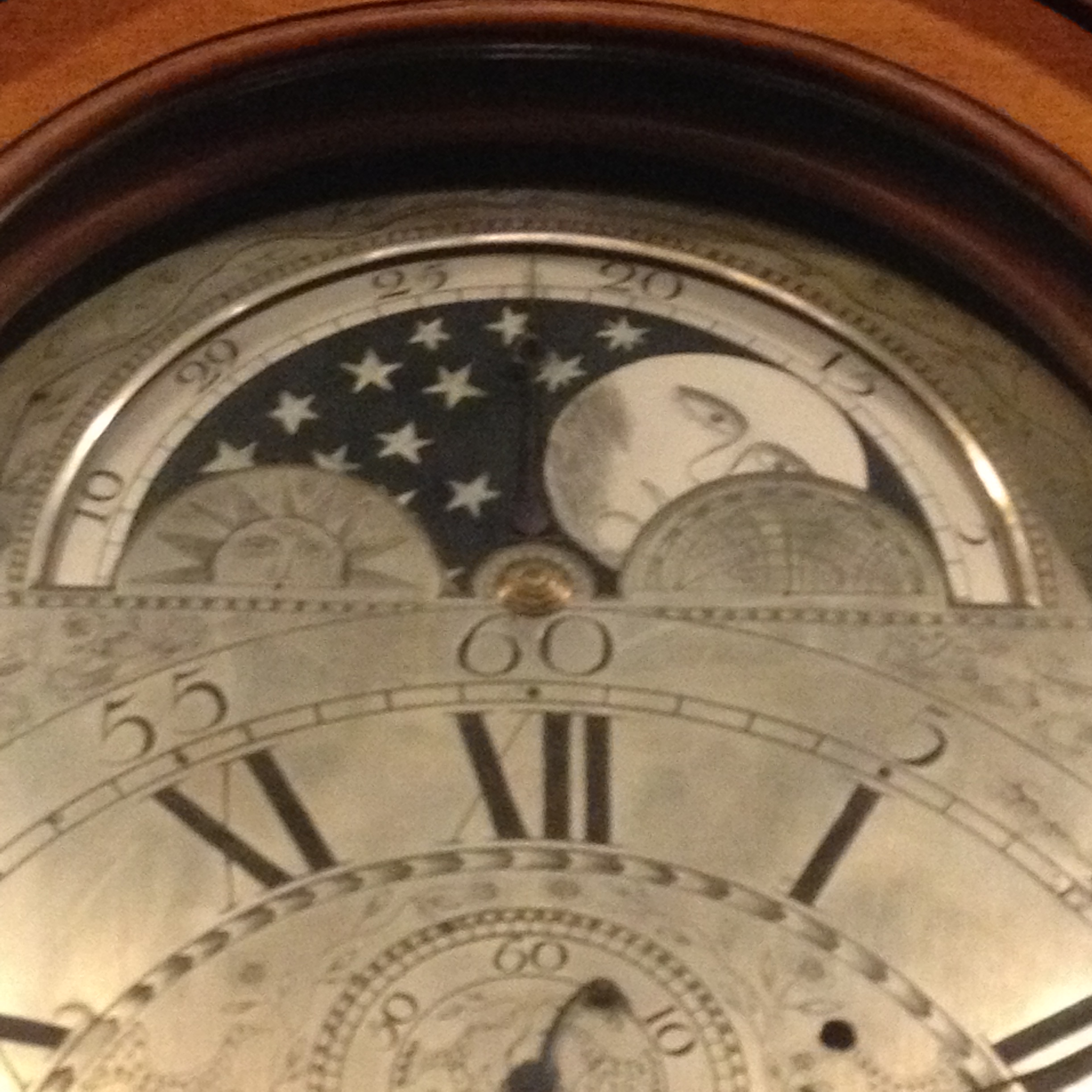
Where’d it go?  I could swear I left an hour sitting right here on the table, and now it’s gone.  That’s the feeling of waking up the day of Daylight Saving Time.  Sure, it’ll stay light later now, but the mornings, when hope is most necessary, are once again dark.  It’s funny how we play with time.  I’ve known many people who love the end of Daylight Saving Time because of the illusion that they’ve gained another hour of sleep.  In fact, it’s just a deferred payment.  The great time-keeper in the sky won’t be cheated.  So—pardon my yawn—we’re adjusting again.  One of the great mysteries of this is that keeping Daylight Saving Time permanent has strong bi-partisan support in the US government.  It never becomes law, however, because riders are constantly attached to it, making one side or the other back out.  And so we all spend a couple weeks trying to get our circadian rhythms to adjust.  Again.

I’ve often wondered about the timing for this change.  Why Sunday morning?  In this nation that likes to pretend to be Christian, it’s a regular joke that folks in pre-pandemic times would miss church, having forgot to set their clocks ahead.  One incredibly busy Sunday in Edinburgh, my wife and I had missed church altogether.  I’m thinking it must’ve been in the final throes of getting my dissertation finished.  When supper-time rolled around we found we were out of some ingredients and we went to the local grocery to find, of all things, it was closed early.  It was only then that we had to stop and laugh at ourselves.  We’d just spent an entire day out of joint with time and didn’t even know it.  In pre-internet days it was possible for that to happen.

Most of our clocks now set themselves automatically.  I still wear an old-fashioned analogue watch.  I need to set it manually, which keeps me on my toes when Daylight Saving Time approaches.  O yes, and the clocks in the cars are off—they’re not wired in that way, being older models.  And the one on the microwave.  I can always use my phone for the accurately predetermined time on which we all agree to operate.  Even if the morning skies, which were starting to be light at six now stay dark until seven.  In another month we’ll catch up again.  And Daylight Saving Time, instead of being a strange intrusion, like most unwanted guests, will begin to feel like normal.