
I’ve been guilty of this myself, so the first stone is being cast straight up into the air over my own head. Academic authors misunderstand how to title a book. The fact is, these days, that libraries often make their choice whether or not to buy based on the main title—no time for subtitles! Trade books tend to sell with flashy, if somewhat ambiguous titles. A well-selected title is truly a thing of beauty. This tends not to work for academic books. The librarian wants to know, at a glance, what the book is about. After being in the editing biz for about seventeen years now, I can honestly say that the vast majority of authors just don’t get this. They propose catchy, even clever titles that say nothing concerning what the book is about. Many of them are titles of several other published books. What’s called for is a descriptive moniker.

Again, I’ve made this mistake myself, but many of the guild have a difficult time distinguishing between the books they write and those that you find in bookstores (trade books). This is understandable enough when you’ve put years of your life into writing the tome and you want to get some notice for having done so. Getting notice is a trick all its own these days, but if you’re willing to settle for even average sales, attend to the title. The book business itself has changed. For example, back when I was writing my first book (which did have a descriptive title), academic books sales with established publishers sold at least around 300 copies, pretty much guaranteed. So much so that some presses would print 300 copies and when they sold out the book was put “out of stock indefinitely.” (You don’t put books “out of print” since authors often have legal recourse to request the rights back.)
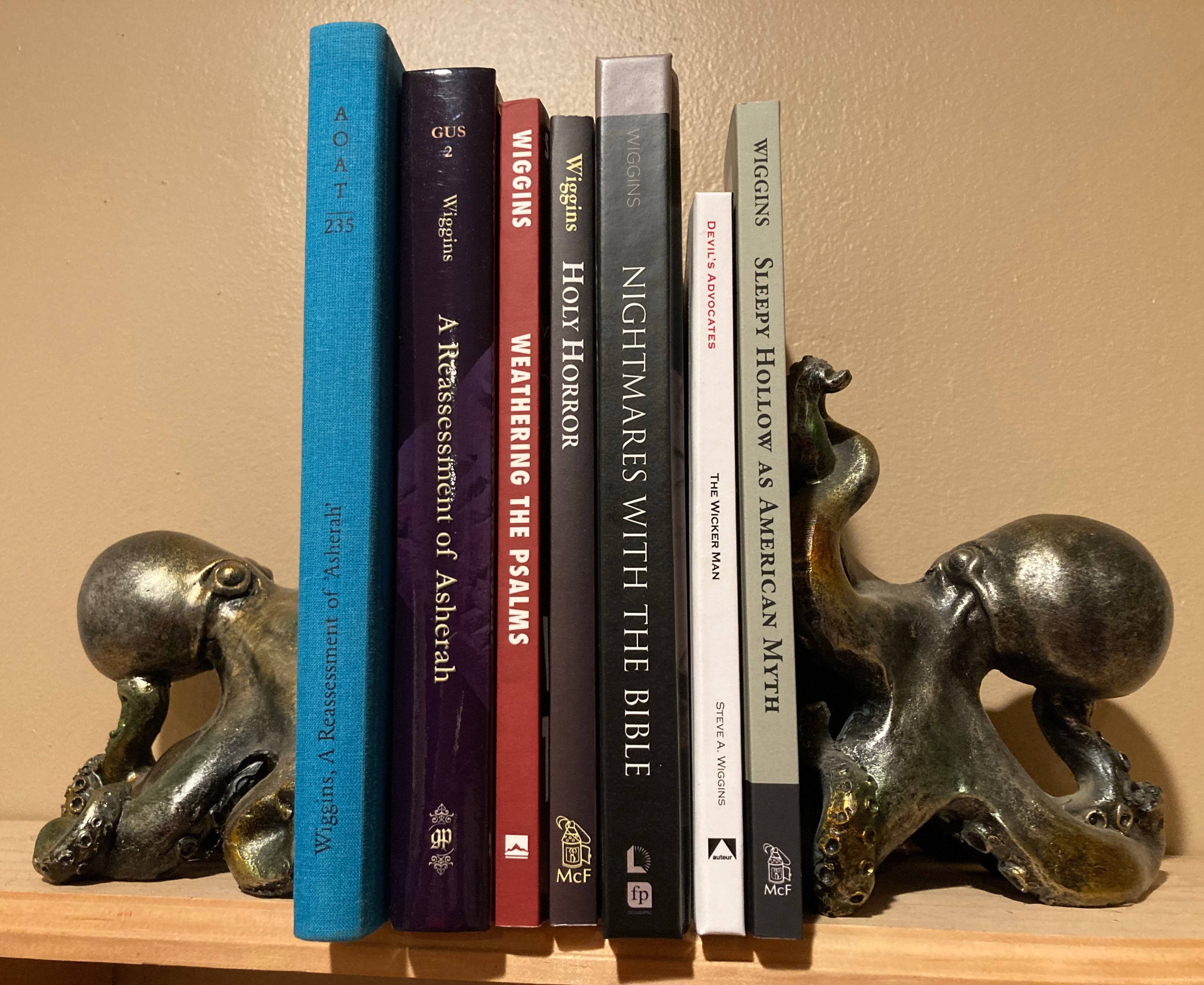
That “at least 300” level has now shrunk to under 100. One reason is there is far too much being published these days. Publish or perish has come home to roost. Libraries, which tend to struggle, have to be selective. And picking a book with a chipper but non-descriptive title is not likely to happen. So you cleverly title a book, say, Nightmares with the Bible, and it sells fewer than 100 copies. (In my defense, I understood that it was likely to be made paperback, given the target readership for the series.) Lesson learned. Trade titles need to be left to trade books. And let’s be honest; if your book is a research book written for other researchers, library sales are generally your only hope.



 Steve A. Wiggins