
Someone in the Greenville County Library doesn’t get out much. The LA Times reported this week that a surprised parent got a look at Alan Moore’s Neonomicon, a graphic novel that her child was reading, and went to the library to get it banned. There is a perverse kind of logic to this. The 14-year-old minor checked the book out from the adult section. The story doesn’t say why, but anyone familiar with H. P. Lovecraft would immediately see the familiarity of the title to his fictional Necronomicon. And anyone wanting to read that is surely above the age of innocence. As a result of this imbroglio another book has been banned. As the parent of a teenager I understand concerns about reading material, but then I know that graphic novels can be, well, quite graphic. I know because I read.
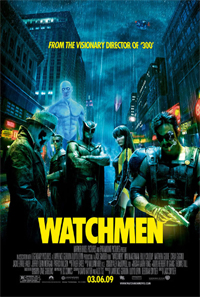
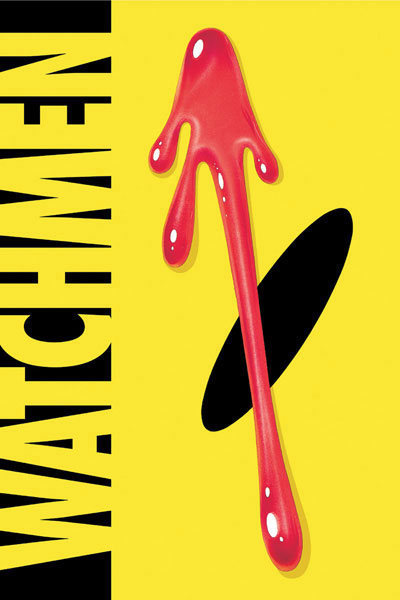
I’m currently reading a fascinating book about religious aspects of comic books. Many of us grew up with comics, and anyone who’s read some psychology knows that people are very much image-oriented. Even our Bibles for children are heavily illustrated—often with drawings nearly as far from reality as those of an Alan Moore story. Adults raised on comic books have been enticed back with such novels as The Watchmen— something that looks like maybe kids are the intended readership, but they’re not. The only way for adults to know is to read. (That, and to consider that the movie version of The Watchmen scored a solid R rating. That little itch should be telling you something.) But reading literature has fallen out of fashion.
While waiting for my bus home one day I decided to take the more local route because the bus was still at the gate when I arrived at the Port Authority. This is a longer ride, but with any luck it might get me home ten minutes earlier. When I asked a woman if I might sit next to her, and I began pulling out my book, she said, “you’re that guy that reads.” Guilty as charged. As I wait for the express bus, I spend the time with a book. Until she said that I never considered that almost nobody else does. Forget the days of earnest looking men, faces hidden behind newspapers, passing the commute by reading. Now it’s all ages and genders, holding electronic devices. Not that I’m surprised. People are visually oriented, after all. But I immediately recognized Moore’s nod to H. P. Lovecraft in naming his novel Neonomicon. I think I might have an idea of what to expect if I were ever to read it. It is, however, far easier to ban books than to take the time to read.
 Steve A. Wiggins