Shipping Tracking

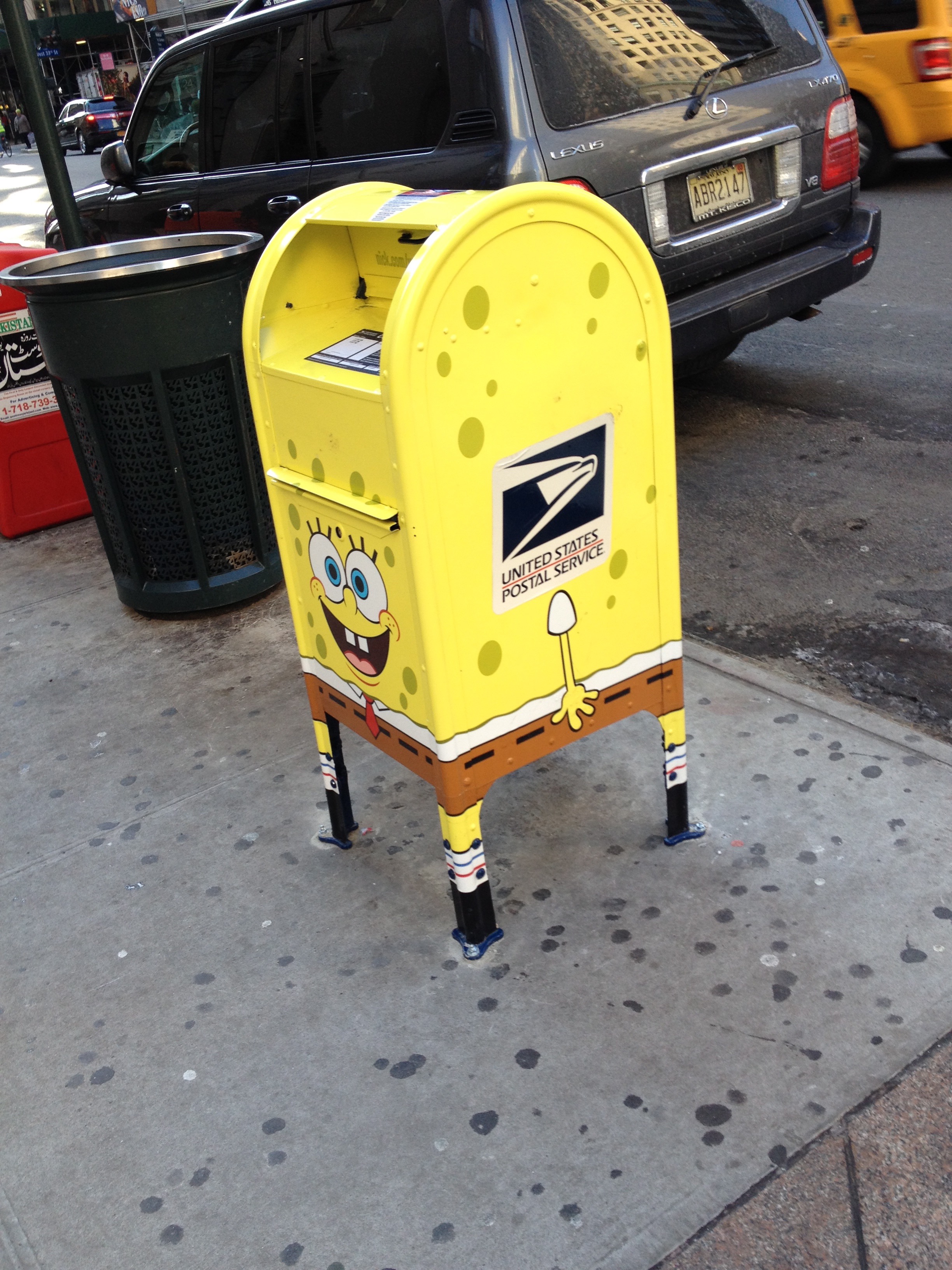
It’s an anxious season. What with porch pirates being a thing and the holiday season near, I think it’s about time to rate shipping trackers.  Please, I am not rating the actual delivery persons—theirs is a difficult job, I know.  On the receiving end, there’s always an anxiety that an item left on the porch will be raptured before discovered by the person who ordered it, so I try to arrange my schedule to be home on delivery day, during delivery hours.  The post office (USPS) has always been a little suspect.  I’ve had “item delivered” messages from them only to find it wasn’t even out for delivery that day.  And don’t get me started about two local distribution centers that appear to have no idea what state they’re in, let alone what other towns might be nearby.  USPS isn’t near the top of my list.  With apologies for the spoiler, Amazon understand logistics.  I know many people who don’t like Amazon for various reasons, but say what you will, they generally know where your package is, in my experience.

There is a service on the bottom of the list, regarding trackers, but before I get there I need to say that these are shipping companies we’re discussing.  Their raison d’être is to move items from one place to another.  I also realize that the older companies that ship had to integrate computer tracking into already existing structures.  USPS was around centuries ago, and it’s understandable that integrating tech into the rather straightforward process of getting an item from A to B is a challenge.  I’ve worked for companies that have tried to integrate tech into pre-existing structures, and it’s always messy.  Still, it would seem that if your business is delivery and everything from GPS systems and advanced software make that more efficient, why wouldn’t you integrate it?

Which brings me to the bottom of my personal list.  I’m sorry UPS (not USPS), it’s you.  The tracking info is often virtually junk.  The number of times I’ve seen a package to be delivered that day only to have some half-hearted excuse, such as “Delayed” pop up on the timeline, with no explanation, followed a day or more later with a vague “we’ll get it to you when we can” message, hardly inspires confidence.  All the more’s the pity since UPS was the “United Parcel Service,” with the goal of being a package delivery service industry.  And it was founded more than a century ago.  You’d think that they might be able to scrape together a few dollars to hire some kind of systems architect to figure out where the software’s falling down on the job.  Of course, I should be charitable with the spirit of the season. It’s just that I’m anxious.  There are porch pirates in the neighborhood.


Double-Dipping

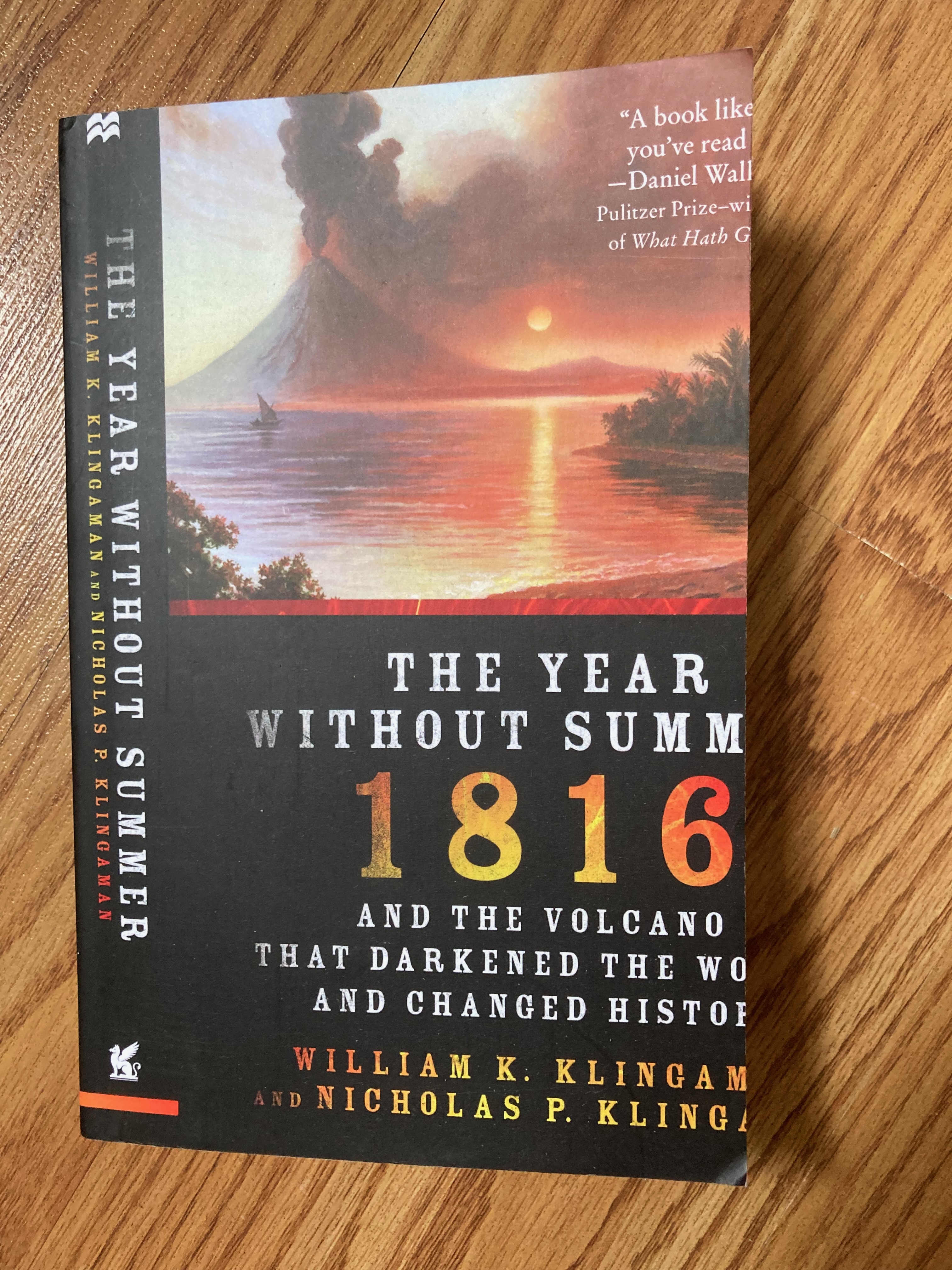
Double-dipping takes many forms.  The kind I’m talking about is trying to get more than your fair share by either taking twice, or by fooling others into buying the same thing two times.  I’ve fallen victim myself.  Some publishers will sell a hardcover book and then release the paperback with a different title a couple years later.  If you’re a fan of the subject, you’ll buy the same book twice because they won’t easily tell you that it is the same one.  On paper the strategy is to get libraries to buy the hardcover (which costs more) instead of waiting for the paperback.  Why change the title if not to fool someone?  Maybe I’m just embarrassed by the vegan egg on my own face because I realize that I’ve bought the same book more than once.  Maybe more than once.  With a limited budget, I don’t appreciate being deceived.

The egg is even older and more obvious when I realize that those of us of a certain age can’t keep our memories as sharp as they used to be.  I read a lot.  I try to get through 60 or 70 books a year.  Have done for over a decade now.  If a book doesn’t create a strong impact, it may go into that category of enjoyable but not really memorable.  So when I recently learned that a publisher had double-dipped with a book I’d bought and read—twice—I felt violated and embarrassed.  Even more troubling was the fact that I wrote blog posts about each of the books (about three years apart) without recognizing I’d already read it.  To be fair, buried on the copyright page (who reads that?) the paperback confessed that it was the same as the differently titled hardcover.  Of course, I’d already bought the book, read it, and blogged about it (twice) before someone pointed out to me that it was the same book.  Gotcha!

I hold myself to high ethical standards.  I hope that I’m an honest person; I tell the truth whenever possible.  I’d certainly not try to sell someone two of the same thing without telling them that they weren’t buying something new, but simply giving more money for something they already had.  Even Amazon says, “Purchased on,” and gives you the date if you call up a book you’ve already bought.  Publishers, I know, have a difficult time.  Publishing is a “low margin” business, which means that you have to sell lots in order to stay solvent, and each sale brings in only a small profit.  Temptation to double-dip must be very strong.  Still, I feel a bit silly to have fallen for it, even when it’s what I do for a living.


Fabric of Time

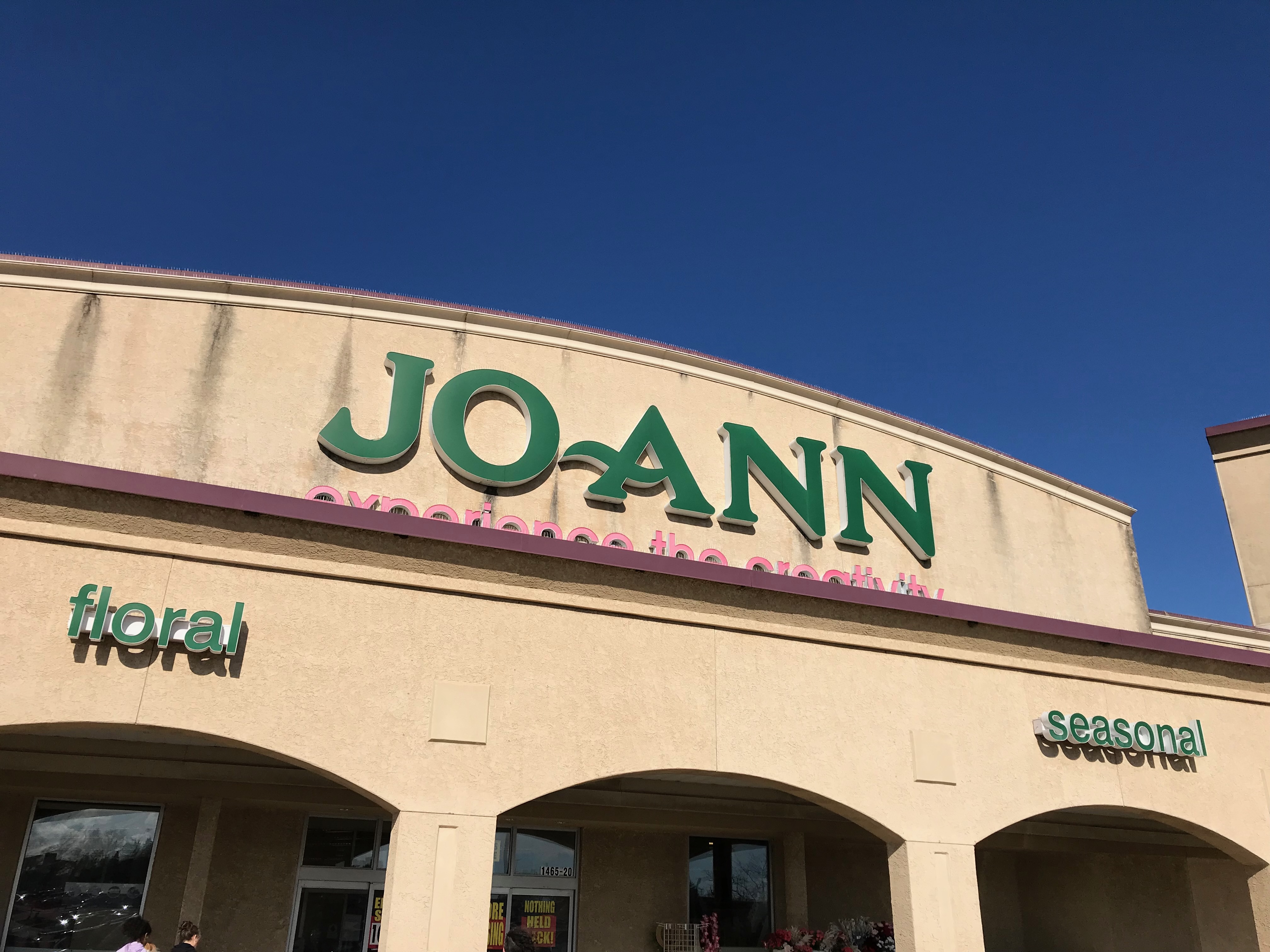
I’m not a sewer.  I mean, a person who sews.  I know people who are, though, who are quite distressed that JoAnn Fabrics is going out of business.  In an effort to console such folk, I indulged in an online search for fabric shops that led to a couple of conclusions.  One is that the internet is lousy at clean-up, and the second is that big box stores have ruined the ability to find things, funneling all purchasing to Amazon.  Let’s take these one at a time. 

If you’ve ever searched for a physical store (fabric or otherwise) online, you know that sites like Yelp are full of artifacts.  Stores that closed a long time ago and have never been removed.  In fact, when I commuted to New York City I sometimes walked several blocks on my lunchtime, looking for a store only to learn that it had closed five or ten years ago.  It still beamed happily on the web, though.  I have driven to bookstores that no longer exist, based on their location being proclaimed loudly online.  Regarding fabric, I located directories for Enright’s Fabric Warehouse, in nearby Bethlehem.  Nothing online indicated that they were long out of business.  I street-leveled the address on Google Maps and found a building I’d driven past many times; I’d actually driven by it the day before.  It obviously was a large factory-like building, but it hadn’t been a fabric store in the seven years I’ve lived in the Lehigh Valley.  This isn’t the only time I’ve searched specifically for a company/store with the query word “bankrupt” or “out of business” to find Hal-9000 saying, “I can’t let you do that, Steve.”

The second point.  Big box stories come to town, drive smaller stores out of business, then fold themselves, leaving us all poorer for it.  As big boxes go, I liked JoAnn’s.  Probably because they were failing, they had lots of things besides fabrics that I could look at on family outings.  But the fact is smaller fabric stores (which still appear online as existing) went out of business when JoAnn came to town.  There were two JoAnn stores in the Lehigh Valley.  Smaller places closed, and now we’ll be running around naked before we can find a fabric store willing to sell.  I’ve seen this happen with other industries as well.  There was a fine office supply store in Oconomowoc, Wisconsin when I was at Nashotah House.  Staples came to town and closed them down.  If you’ve been in a Staples lately, you know the writing’s on the wall.  I know we’re stuck with big boxes.  More often we turn to Amazon where a few keystrokes will get you what you need.  Check and mate.


Finding Poe

A gift a friend gave me started me on an adventure.  The gift was a nice edition of Poe stories.  It’s divided up according to different collections, one being Tales of the Grotesque and Arabesque.  This was originally the title of a collection of 25 stories selected by Poe himself in 1840.  I realized that much of my exposure to Poe was through collections selected by others such as Tales of Mystery and Terror, never published by Poe in that form.  I was curious to see what Poe himself saw as belonging together.  I write short stories and I’ve sent collections off several times, but with no success at getting them published.  I know, however, what it feels like to compile my own work and the impact that I hope it might have (if it ever gets published).  Now finding a complete edition of  Tales of the Grotesque and Arabesque turned out to be more difficult than expected.

Amazon has copies, of course.  They are apparently all printed from a master PDF somewhere since they’re all missing one of the stories.  The second-to-last tale, “The Visionary,” is missing.  I searched many editions, using the “read sample” feature on Amazon.  They all default to the Kindle edition with the missing tale.  I even looked elsewhere (gasp!) and found that an edition published in 1980 contained all the stories.  I put its ISBN in Amazon’s system and the “read sample” button pulled up the same faulty PDF.  Considerable searching led me to a website that actually listed the full contents of the 1980 edition I’d searched out, and I discovered that, contrary to Amazon, the missing piece was there.  I tried to use ratiocination to figure it out.

I suspect that someone, back when ebooks became easy to make, hurried put together a copy of Tales of the Grotesque and Arabesque.  They missed a piece, never stopping to count because Poe’s preface says “25” tales are included, but there were only 24.  Other hawkers (anyone may print and sell material in the public domain, and even AI can do it) simply made copies of the original faulty file and sold their own editions.  Amazon, assuming that the same title by the same author will have the same contents, and wishing to drive everyone to ebooks (specifically Kindle), offers its own version of what it thinks is the full content of the book.  This is more than buyer beware.  This is a snapshot of what our future looks like when AI takes over.  I ordered a used print copy of the original edition with the missing story.  At least when the AI apocalypse takes place I’ll have something to read.


Finding Books

This is a public service announcement to those who try to find books that aren’t issued by one of the big publishers.  I’m not shy about saying that my books all fall into that category.  One of the things I’ve noticed is that books feed out to different internet venues at an odd rate, before they’re published.  Some publishers use what they call New Book Announcements (NBAs) to get the metadata out to wholesalers, distributors, and other vendors.  Sometimes a book comes to public light in strange ways.  I’ve had my eye on a book that a friend pointed out.  I don’t know how they heard about it, but I went searching for it and found it on Barnes & Noble’s website, but not Amazon.  Well, that’s not quite true.  It is on Amazon, but not in North America.  Amazon China and Amazon Singapore have it, but you can’t find it here.  Yet.

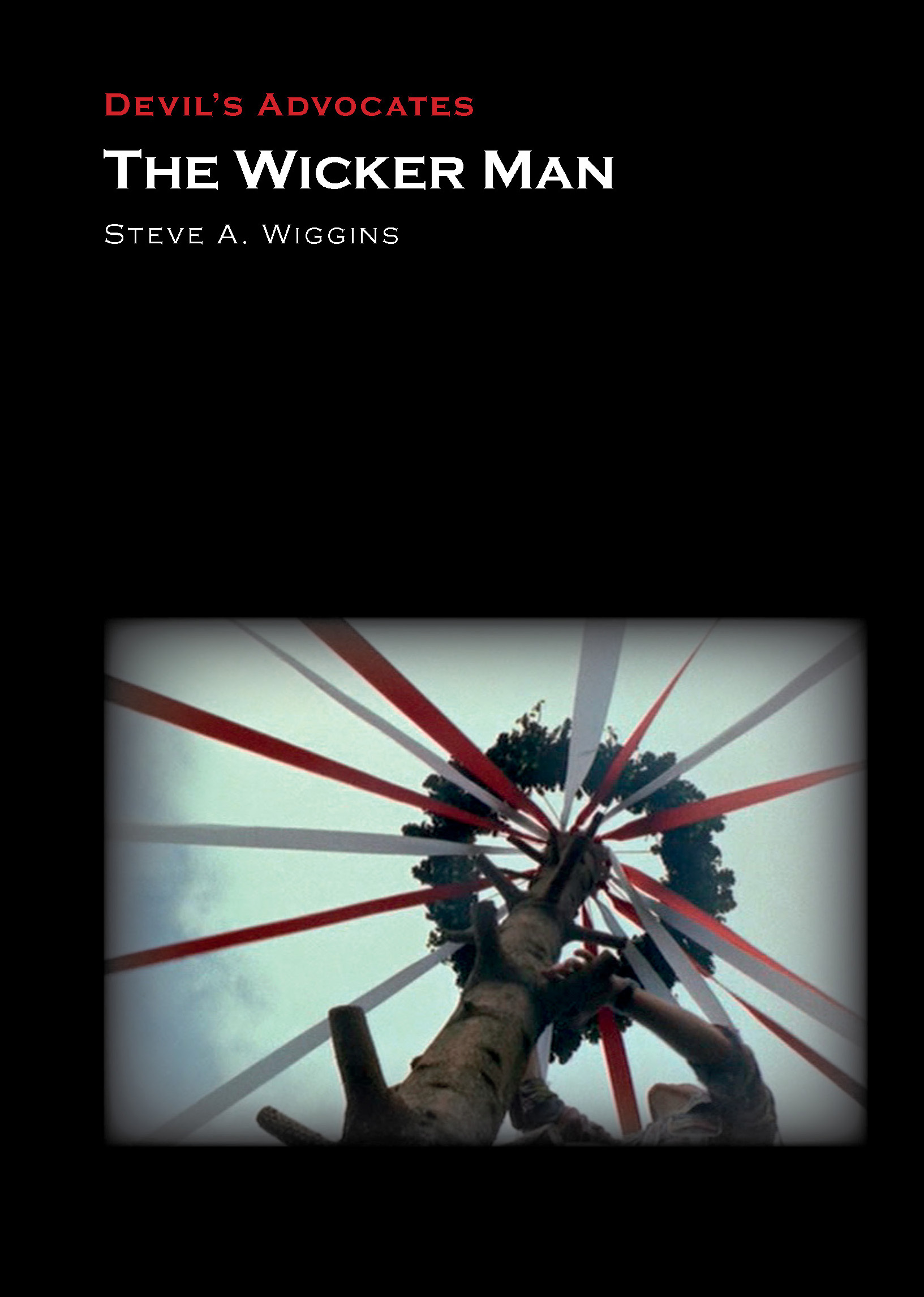
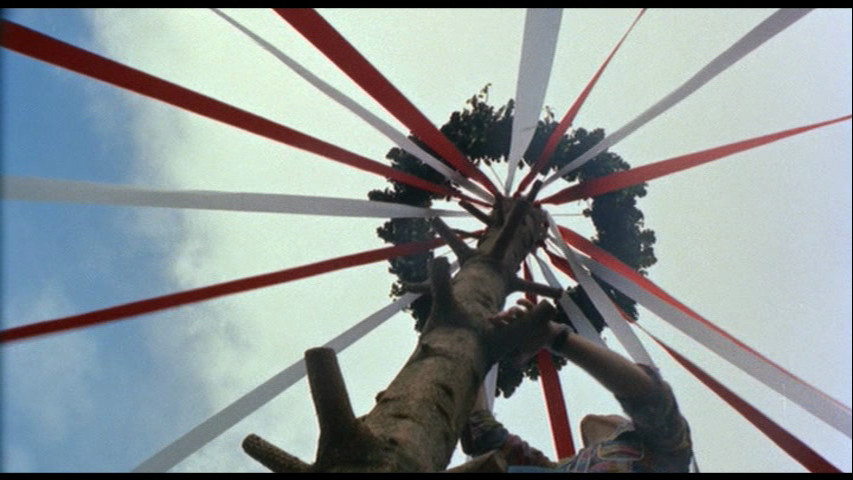
I noticed a similar thing with The Wicker Man.  An anxious author, I kept searching for it online when I didn’t hear from the publisher.  It was first announced at German booksellers.  Eventually it got around to English-speaking sites, and eventually (it took a few months after publication), it became available in “all channels.”  Although, several websites still only list the hardback which retails for more than a dollar a page.  Now that’s inflation!  Even $40 for such a short paperback is a lot, but that’s why I’m looking for anything but an academic publisher for the next book.  But there’s a larger issue here.

Like old Joe, I sometimes can’t remember things.  I have an elaborate and Byzantine set of reminders that fit my neurological profile (mostly).  For books I want to remember to look up after they’re published (I can’t generally afford to buy them right away, so this takes advanced planning), I have an online list.  That online list is associated with a bookseller and I can’t easily add to my list until the book appears on said seller’s site.  I suppose I could write it down in my zibaldone, but will I recall that I wrote it there?  (Those little notebooks get filled up pretty quickly.)  It would just be easier if information on the internet could feed out instantaneously.  If, say, Amazon Singapore could let Amazon USA know that a book that is publishing in the United States can be listed—well, wouldn’t that make sense?  Systems are complicated.  So complex, in fact, that architects must be hired to keep them in order.  Or maybe books could be announced when they’re actually available? What? Lose the buzz?  In the meantime I’ll put a bookmark in this page and hope that I remember to look it up when the time comes.


Used, Again

It may be impolitic to admit it, but I have positive associations with Amazon.  This goes back to before they started using smily boxes.  Before Amazon, getting books often involved mail orders and checks and several weeks before delivery.  Now Bookshop.org does a similar service, and with more of a conscience, but Amazon showed everybody how.  I do have a complaint, however, with the internet giant.  They allow used book sellers to be the top place when ordering a book, since they sometimes have a lower-than-retail price.  I used to sell used books on Amazon, back when I had no full-time job.  I took great care to list books according to the accepted standards of book conditions.  I know I’ve written about this before, but two recent used book orders simply didn’t measure up.  So, herewith, a tutorial:

“Like new” means in mint condition.  You should not be able to tell the book was read.  Look for soft rather than sharp edges on the pages, slight curling of the cover (especially paperbacks) from repeated opening.  Hey sellers, if you have any of this, the proper category is either “fine” or “very good”—not “like new.”  I’m not really a collector (in that way), but if I order a book “like new” I expect that I won’t be able to tell it’s ever been read.  Normally I opt for “very good.”  This brings it down to a less expensive bracket and it implies things are in pretty good shape.  If your book has extensive writing or highlighting in it, it is not “very good,” but “good.”  If it does have minor markings you are required to list them.  I recently bought a “very good” book in which practically the whole first chapter was highlighted.  This isn’t easily missed, and it’s certainly not “very good.”

I get it, classifying books takes some discrimination.  The categories are there, however, to protect the buyer.  People do all sorts of weird stuff to their books.  The used book seller, on Amazon, is morally obligated to tell us about what’s going on.  And Amazon, please make clear when a book is “new” or not!  I recently bought a book that was listed as new but it had clearly been read at least once.  Be honest, people.  Book folk, in general, are good folk.  Reading is so important for a civil society.  Books are collectible items.  If you’re thinking of going into the biz, please remember that I’ve found books for a buck at library book sales in better condition than many “very good” books I found used online.  Just be honest—you’ll still sell the book, even if for a few pennies less.


Eternal Return

Amazon gets a lot of bad press.  For me, anyone that sends me books gets a warm fuzzy association.  Besides, returns are a snap.  Amazon has sent me the wrong item a time or two.  You simply let them know and they’ll refund you.  No fuss, no muss.  Twice recently, in my effort to support both the planet and used book vendors, I have received the wrong item.  Here’s where I praise Amazon.  The most recent vendor (reputable and an old player in the used book market) required a multi-step effort to even make the claim of a wrong item, and then wouldn’t pay for the return.  Let me get this right: it is your mistake and I have to pay for it?  Just because someone who apparently can’t read the title put the wrong book in the bag and it took two weeks for me to receive it?  Is there any wonder people buy from Amazon?

To err is human.  I get that, believe me I do.  But if you make a mistake you fess up, you don’t charge the customer for your error.  Have they not realized that looking at the price tag after a trip to the grocery store is more effective than watching a horror movie?  I can’t afford to pay for their mistakes.  Then my existentialist friends come to the rescue.  Yes, they remind me, this is all absurd.  A world based on inheritance and privilege, where an active and alert mind sees that when an error is made, the one who did not make it takes responsibility.  I’m no fan of capitalism, but Amazon doesn’t make me pay for what I didn’t order.  I guess size matters after all.

Perhaps there should be caveats plastered across the internet: buy at your own risk.  If we make a mistake with your order, you will be responsible for it.  It just kills me to complain about book vendors.  Probably I care for books a little too much.  I try to buy responsibly, otherwise there’d be no house to, well, house the books.  I just don’t like feeling cheated when purchasing a used book.  It’s out of character for book vendors.  They’re the modern saints, those who are looking out for the good of the world.  Eventually the seller relented, but not happily.  My associations of Amazon will always go back to when I first discovered that there was a website on which you could find just about any book and have it delivered, and often cheaply.  I miss those days and their optimism.  I need that warm, fuzzy feeling again.  I need to buy a book.


Search Your Engines

It’s been fascinating to watch.  We tend to think things appear instantaneously on the internet, and sometimes they do.  Book announcements, however, are less prone to that.  The Wicker Man, my book for the Devil’s Advocates series, was first announced to the world (apart from me) on Oxford University Press’s website because they distribute books by Liverpool University Press.  It took several weeks before it appeared on LUP’s site (I’m projecting here, it still hasn’t showed up there).  Like an anxious father, I checked every few days to see if word was getting out.  After about two weeks it showed up on Barnes and Noble’s website, but not Amazon or Goodreads.  Then it appeared on ecampus, a textbook seller.  Days later it appeared on Amazon’s site in Spain only.  Word gets out slowly.

Some things hit immediately, of course.  Everyone in the world knows about them seconds after they happen, whether they should or not.  Some young folks, who grew up with the internet, are having trouble letting go of the, well, troubles of the world that jet through the 24/7 news cycle.  Books by unknowns travel much more slowly.  Of course, I’ve been trying to reinvent myself.  In as far as I’m known, I’m known as an ancient Semitic goddess scholar.  (The ancient part is correct, in any case.)  I turned to writing about religion and horror about a decade ago and if web searches mean anything, my most searched book seems to be Holy Horror.  That makes sense since Nightmares with the Bible is so expensive that I can’t afford additional copies even with the author discount.  The Wicker Man will be up near forty dollars, but that’s cheap these days.  At least it will be paperback.

Maybe I have been checking more than I let on, but I’ve also noticed something else odd.  Ecosia, the tree-planting search engine, comes up with more results (based on the ISBN) than Google does.  That astonished me.  Google apparently isn’t as good at searching as it would have us believe that it is, at least for obscure information.  (In my case, very obscure.)  Ecosia even outperformed Bing.  With this internet full of stuff, you’re obviously missing out if you don’t use multiple search engines.  Yahoo added yet one more site with the book.  I’m wondering when the actual publisher, or Amazon’s main site, will catch up.  Giants do move slowly, I guess.  Maybe once the cover image is released…


The Mystique of Research

One thing that many people may not understand about research is that those trained in it are basically learning how to find stuff out.  It doesn’t matter what the subject is, research is a matter of learning what’s available to help you understand that particular subject.  Typically it involves becoming familiar with the classic “standard books” on the topic then branching out.  Even the internet, however, has its limitations when it comes to trying to find out what’s available.  My curiosity extends far beyond the religion I often blog about.  I write about religion because I’ve studied it all my adult life.  When I discover a new area of interest, or rediscover it, I often wonder how to get the salient books on the topic.

Amazon isn’t a bad place to start, but they don’t have everything.  I’ve run searches on its powerful algorithms that come up with no results.  Bookfinder.com is great for locating out of print material, but it also depends on you knowing what to search for.  WorldCat and Google Books also help.  The one thing you really need, however, is time.  Research requires a lot of time.  You find a book on the subject and read.  Then you look up the sources the author used.  Search the names of other authors to find out what they’ve written.  Watch publishers’ catalogues for the new books they’re producing.  Read journals to see who’s writing on what.  It’s like a never-ending treasure hunt.  It’s beguiling and addictive.  But it’s limited to few full-time—those who are paid to find things out.  The rest of us make what time we can.

Prior to the internet we had, it seems, a lot more certainty.  Much of that certainty was false, but it was nevertheless firmly believed.  Many people despise researchers because they challenge what we’ve always believed about the world.  As if the truth were known x number of years ago and hasn’t changed at all since then.  We want things to stay the same—we want our wallets in the same place we’ve always put them so we can find them when we need them.  Then your told there’s new, virtual currency but you have to mine it.  I know many people who don’t even own computers.  Research opens new worlds, but not all people are natural explorers.  Some prefer to stay close to home and near to the certainties they learned growing up.  Others are restless and have to learn more.  And perhaps go places where we don’t even need our wallets.


In Praise of Paper Maps

One of the tricks, I’ve mentioned before, for getting around accessing books I can’t afford, is the used book market.  Now Amazon is probably just about as bad for small business as Walmart is, but it does seem to have its logistics down.  (Most of the time, anyway.  Early in the fall I ordered some horror movie DVDs.  One of them was out of stock and Amazon eventually sent me a notice that it was lost in shipping.  Would I like another, at no extra charge?  Shipped to the same address?  Of course I said “Yes!”  But they shipped it to my mother instead.  Most of us are probably embarrassed about what we watch and don’t want our mothers to know.  In any case, she had it forwarded on and I received it a mere two months after ordering it.)  They also let you track it.

If, however, you buy used books from Amazon, you may need to go with a separate vendor’s shipping.  (I tend to use BookFinder.com, but lately it’s been routing me back to Amazon.)  So it was I ordered something with a projected delivery date of October 25–29.  Not too bad.  It’s not like I need it for a book I’m writing or anything.  I was cheered, then, when on October 14 it was tracked to Secaucus, New Jersey.  I used to go through Secaucus every day on the bus.  Twice.  Surely I would have my cheap source before the 25th!  But my package likes Secaucus, apparently.  Once it got there every day the USPS tracking system assured me it hadn’t moved at all.  “You signed up for delivery on October 25–29 didn’t you?  Well, you’ll get it then.  Perhaps.”  Wouldn’t it be nice if shipping had the option of “Your package is pretty close, do you want to collect it yourself?”  Then on the 22nd I learned it was in Glendale Heights, Illinois.  It arrived on the 25th.

Why do I write these things?  (This isn’t the first time, young man!)  It’s because I think they’re funny.  To me, a society that has lost its heart to technology has to be ready for some laughs now and again.  (Some of my critics think I’m complaining; I guess I need more irony in my diet.)  Life during a pandemic has become one of having stuff shipped.  From last year’s toilet paper from China to my current academic book that’s just too expensive to buy new, I sit with my ear cocked for the Amazon footstep on my front porch.  And occasionally getting into my car to drive to a distant post office just because, well, it’s easier for me to find them than for them to find me.


Perspective on Distance

Thirty miles can be pretty close or pretty far, depending.  This time it was pretty far.  I know the Post Office has been having trouble, but when the tracking number on the package said it was “being held by customer request” (wrong) at a Post Office thirty-plus miles away, I had to wonder.  I still remember when zip codes were made mandatory for mail.  They would give the Post Office a more precise set of coordinates to get to your house or apartment.  The funny thing is they’ve been vastly outdone by other delivery services.  Amazon makes mistakes too (they recently delivered something I’d ordered for myself to my mother—thankfully it wasn’t too embarrassing), but less often.  It would seem that if you pay someone to bring you something, they should be able to manage a bit closer than thirty miles.

I went to the website where delivery instructions was an editable field.  In it the PO had helpfully written “DI not available for this delivery.”  If you want it, you have to drive over sixty miles round trip to get it.  Only during office hours.  Don’t get me wrong—I’ve always been a supporter of the Post Office.  They generally get things to you—it’s pretty remarkable.  (Junk mail inevitably arrives, of course.)  I even used to collect stamps.  I’m still reluctant to not save one or two that catch my fancy.  But thirty miles?  You’d lose at both hand-grenades and horseshoes with that kind of accuracy.  When I called they offered to put it back in the system, but that would add several days to the delivery schedule.  Who’s to say that it might not end up even more than thirty miles afield?

If it were an atomic bomb, or a volcano, thirty miles would hardly seem far enough.  It’s a matter of perspective, I suppose.  So it is with most things in life.  Nine hours isn’t long if you’re engaged in a task you really enjoy.  In fact, the forty-eight hours of the weekend go by so fast that you’re left wondering where they went.  If you take nine hours and put them toward a dull and tedious task, however, they stretch to monstrous proportions.  Science tells us that the amount of lapsed time—or space—is the same.  It’s just our perception that changes.  In the larger scheme of things thirty miles in the middle of the day can take only a couple hours, with traffic.  From that perspective it’s better than a nine-hour drive to the original shipping location.  It’s all in how you look at it.

It depends on your perspective

Bookshop

I still remember when I first heard of Amazon.  It was getting on in my years at Nashotah House and one of my students, a former university faculty member that I’d know prior to his decision to attend seminary, mentioned that’s where he ordered books.  I used the internet with caution in those days and I still ordered books by mail directly from publishers.  My library grew slowly back then, in part because faculty pay wasn’t exactly competitive.  Amazon quickly grew to the point that it became a household word, and, like Google, became an internet giant.  Publishers have felt the pressure from Amazon’s bargaining power and, arguably, its market dominance led to the downfall of Borders.  Despite my love of independent bookshops, I do miss Borders still.

I don’t have a similar, singular memory about Bookshop.org.  It may very well be because I found out about it online and studies have shown that online learning is less effective than the old fashioned way.  We put up with it because it’s convenient and we can cram more stuff in that way.  It’s all about getting more.  In any case, I do recall that I was impressed with what Bookshop was doing.  At a recent seminar I learned it was even better than I’d previously heard.  The organization supports independent bookstores so that when things become more normal again they’ll still be there.  The book industry is a rather strange one, and it operates a little differently than many others.  Places like Bookshop really do help when one vendor becomes too dominant.

Reading widely is a form of education, and the key, it seems to me, is to get books people find interesting to them.  I stopped by a local independent on a recent Saturday to find it quite full.  The weather was good, of course, and lots of people were out and about.  Still, nothing is quite as encouraging as finding a bookstore doing good business.  When that happens it’s clear society is improving itself.  I’m trying to make a habit of stopping by Bookshop before the default of ordering on Amazon.  Amazon clearly has the logistics of delivery down to a science, but the world is a less rich place for not having physical bookstores in it.  Making one’s name synonymous with the product on offer is a sign of success, at least on the business side.  Balance, however, is important too.  And that’s where the Bookshop story has to fit.


Al’s Rhythm

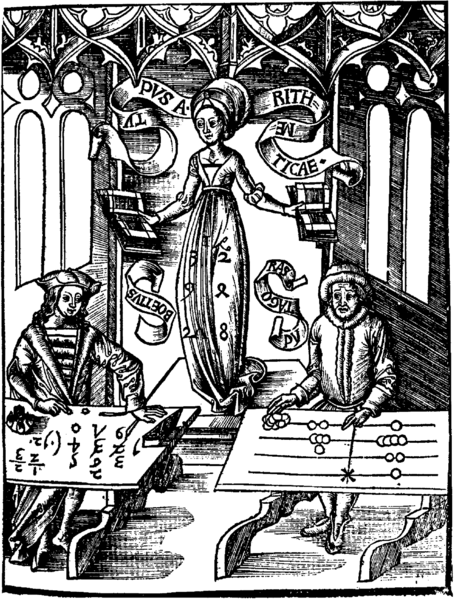
Algorithms.  Who can understand them?  I’ve been having some trouble with searches lately.  Not on the internet in general, but on specific websites (including this one).  While Sects and Violence in the Ancient World isn’t a particularly media-heavy site, I find it difficult to find images by searching.  For some reason, even when I put the title of the image in the WordPress search bar, it doesn’t always come up with the answer.  Well, given the time of morning I suppose I might’ve misspelled something.  Then I went to Amazon.  I’ve been working on my author page and wanted to update something.  I tried typing the distinctive title of my most recent book (Nightmares with the Bible—it is apparently the only actual book with that title [and titles can’t be copyrighted, in case you’re interested]) and found that it didn’t show up on the first three pages.  They were filled with books with other titles.  Algorithms.

Now granted not a lot of people seek the book on Amazon (I’m a realist), but if you type an exact, and unique title in the search bar and it doesn’t come up, isn’t something wrong with your algorithm?  (By the way, algorithm is one of the many words English borrows from Arabic.  It’s named after a ninth-century mathematician, al-Khwārizmī.  You could do worse than to have something so useful named after you!)  I’m not so naive as to think Amazon isn’t thinking to throw better selling books at you first—if you’re like others you’ll buy those before you’d consider shelling out a Franklin for mine.  But still, isn’t searching made easier when what you enter is what you want to find?

The internet’s primarily about selling you stuff.  Some of us look up sites for information or entertainment, but then someone tries to sell you something.  (I’m not trying to sell you my book here, by the way—it’s not priced for individuals, or even mortals—I’m not even putting a link to it on Amazon here.)  I’m just wondering why, if you tell websites exactly what you’re looking for they can’t find it.  You have to wonder if we’ve reached the level of too much stuff.  There’s a lot of sorting to be done and new webpages are added every day.  Even though I’ve been writing here a dozen years now, there are far older blogs and many more newer ones.  Finding things is an important exercise, and maybe if we sit down with al-Khwārizmī for a while, we’ll be able to figure something out.

Image credit: Gregor Reisch via Wikimedia Commons

The Price of Independence

Recently I was updating my Amazon author page.  Since this is purely a self-promotional place (my books aren’t exactly priced to move) I try to approach it with a sense of humor.  I need to be in the mood to write funny, and some followers of this blog often mistake what I’m doing when I try it here.  (Satire and irony, at least to me, have quite a bit of inherent humor.)  In any case, the trick with Amazon author pages—or any internet sites really—is being an “independent scholar.”  To both the academy and to educated laity, that moniker suggests you’ve somehow failed to impress the academic establishment.  No institution wants to claim you, and why should anyone listen to someone who “blows their own horn”?  If you sell enough books you’ll gain some credibility, but at these prices?

Still, I try.  The marketers and publicists I know all talk about building a platform (“shares” and “likes” help).  Platforms require a lot of planks.  One plank I recently learned about was JSTOR (a not-quite acronym for Journal Storage).  Well, I’ve actually known about JSTOR for decades but only recently have been able to use it.  JSTOR scans and indexes academic journals.  While that may not be exciting to the average layperson, for academics (and independent scholars), this is a great tool.  Prior to JSTOR you had to spend hours plowing through various indexes to learn what had been published on a certain topic.  Then you had to go into the stacks and look the material up.  And probably end up photocopying it.  JSTOR makes all of that obsolete with a few keystrokes.  The problem was you could only get in with your university’s subscription.

I stand and applaud JSTOR because they have now made it possible for independent scholars (we are a growing demographic!) to access 100 free articles a month.  Even though “independent scholar” often means you have a nine-to-five with no sabbaticals, that’s quite a lot of articles you can now access.  While I think this is a great move, I do wonder if it’s part of the writing on the wall for higher education.  Around the world universities (except those well endowed, or supported by federal funds) are having trouble staying solvent.  Knowledge is free on the web, until you run into that paywall at internet speed.  Well, at least for now we have JSTOR and access to otherwise inaccessible journal articles.  But that’ll have to wait until after work.  And after I update my Amazon author profile.


Dirty Books

Dirty books annoy me.  Not that kind of dirty book, but books that arrive dirty.  If a book is expensive, particularly an academic book, I look for a used copy.  Since we’re in a pandemic, and also since the books I read tend to be outré, shall we say, getting them in the local second-hand place generally doesn’t work.  Sellers of used books online have to rate them.  Acceptable, poor, fair, good, very good—the scale is somewhat arbitrary.  I don’t like books with writing in them; I don’t want somebody else telling me what’s important.  I think I can find a topic sentence, thank you very much.  Lately I’ve gone down to the level of good with my online buying.  (Have you looked at the prices?!)  When you add that “very” to “good” sticker shock sets in.  Okay, so the books arrive well loved, I expect that.  But dirty?

I used to sell used books on Amazon.  I never sold many, but I always tried to be sure they were dusted off before putting them in the envelope.  I never put a cup of coffee on them.  Nor used them as a plate.  Some people apparently do, though.  I had one book arrive so filthy that I took the 409 to it.  Thing is, it cleaned up nicely.  Is it too much to expect that someone selling used books might go ahead and get some of the gunk off before sending it?  It’s not exactly Antiques Roadshow patina, after all.  It’s someone else’s slovenliness.  Who knows—might not a quick wipe-down improve the profitability by enhancing the condition of the book?

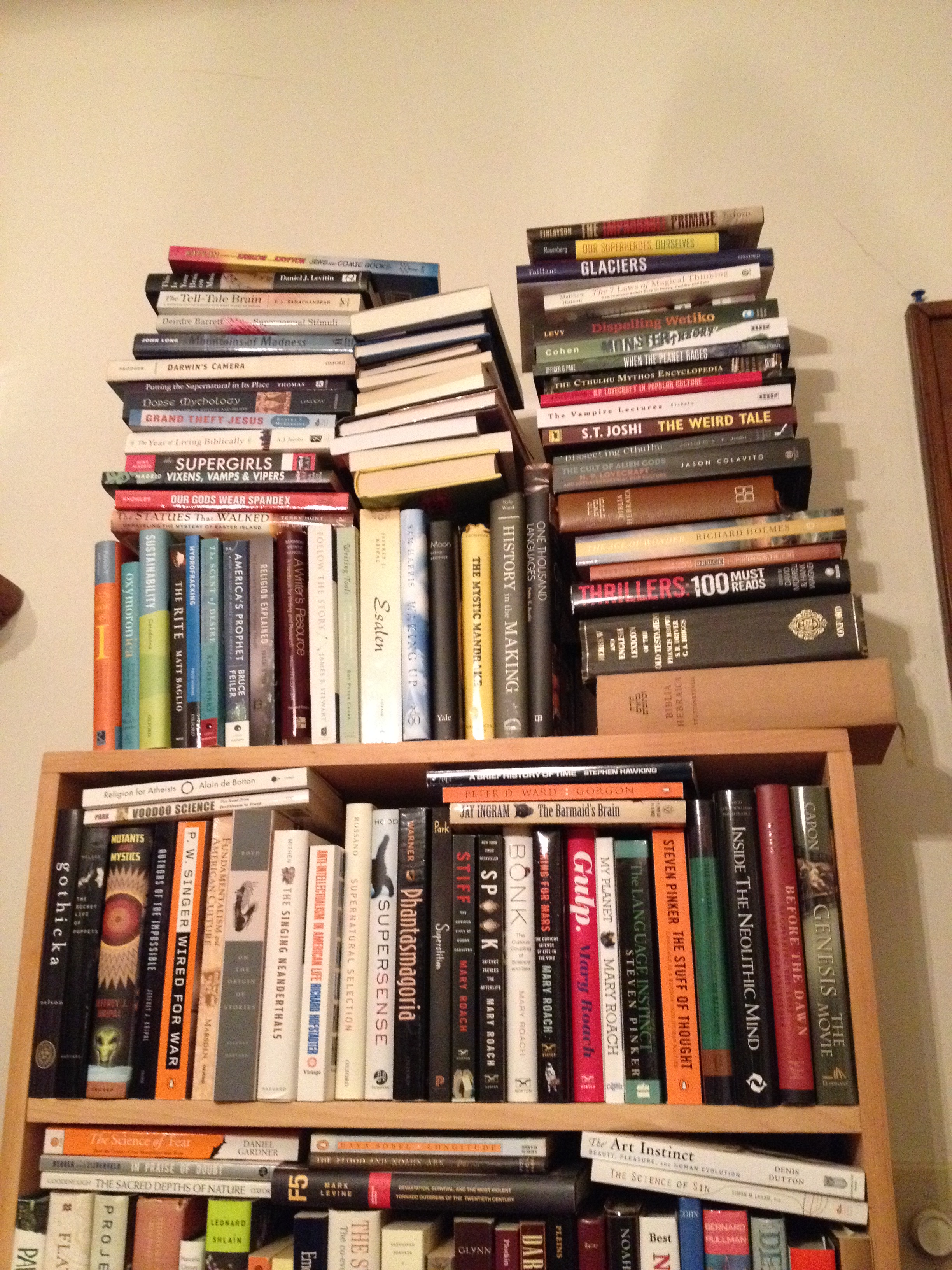
Library builders like yours truly want to afford the best editions that we can.  Books are more than mere objects gathering dust on the shelves—they’re individuals that we get to know.  Those that we meet but don’t really care for we pass along, hopefully to loving homes.  The way someone treats books reveals quite a bit about a person.  Accidents happen, of course.  A hazard of reading a lot may lead to the occasional spilled coffee or dropped bit of food, but treating books with respect not only increases their resale potential, it’s also an acknowledgement of the accomplishment.  Writing a book involves a considerable amount of work.  And although your property is yours to treat as you please, books are particularly vulnerable to damage by water, mice, or neglect.  Add fire, food, or extended exposure to sunlight and you get a sense of their fragility.  Acknowledging the effort a book takes to produce can go a long way towards making sure no book is dirty.  That, and a quick wipe-off before shoving it in the envelope.

Neat as a pin.