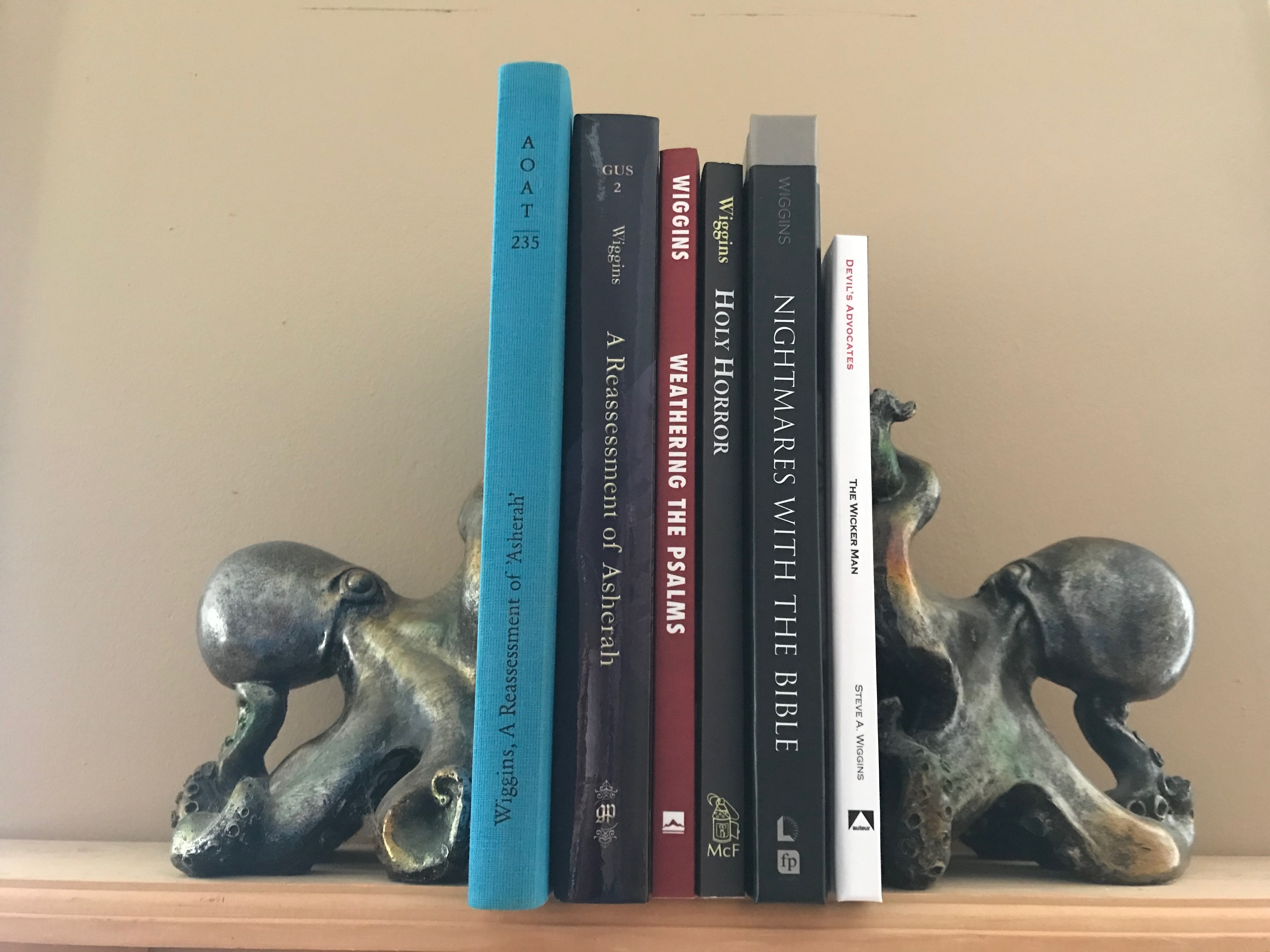
Name Your State

My grandfather’s name was Homer.  I’ve often wondered about that since he was from a long line of uneducated farmers.  Since he was born in Bath, New York, and since I’ve poked around upstate for genealogical purposes, I noticed that there were several place names derived from the classics, including Homer.  I suspect that’s where his name came from.  His ancestors had biblical names.  This got me to wondering about the many upstate classics town names of Utica, Syracuse, Ithaca, Corfu, Palmyra, and more.  A little (very little) research led me to Robert Harpur.  Harpur was a one-time clerk in the New York State Surveyor General’s office, and he assigned names to several towns, using classical sources.  I haven’t found a comprehensive list, but all of this makes me homesick for upstate, a place I’ve never lived.

My Homer

My mother’s paternal line had deep roots in New York state.  Nobody in the family went to college, although my grandfather did take a couple of courses at Cornell to qualify as a country teacher.  Then, many years later, my daughter moved to Ithaca.  We spent many fine weekends there and would’ve moved there had we been able to afford it.  It was a kind of homecoming.  But the connections have a way of wending their way around, as they often do.  Robert Harpur settled in Binghamton, New York.  Harpur College, now Binghamton University, State University of New York, was named after him.  Not aware of any of this, my daughter attended Binghamton University.  (There was even a picture of me on their website for a while, a photo snapped by someone as I sat in the financial aid office one parents’ weekend, begging for more money.)  I have no way of proving this, but it seems that Harpur’s interest in the classics may have led to my grandfather’s unusual Christian name.

Here’s where it gets interesting.  Homer had a sister named Helen.  Of Troy?  (There’s also a Troy, New York.)  Perhaps a family name?  My records don’t really answer that for me.  And they had a brother named Ira.  Ira is a biblical name, but it also may be a variant of the name Hera, the wife of Zeus.  This had nothing to do with my writing my dissertation on Asherah, who is perhaps the namesake of Hera, or at least it has been proposed.  I doubt my ancestors would’ve named a son after a Greek goddess (the family was of Teutonic origins).  Or maybe great-grandpa Adam was more educated than he let on and had read the Iliad?  If only I could afford to get back to Ithaca I might just go on an odyssey of my own.


Framing

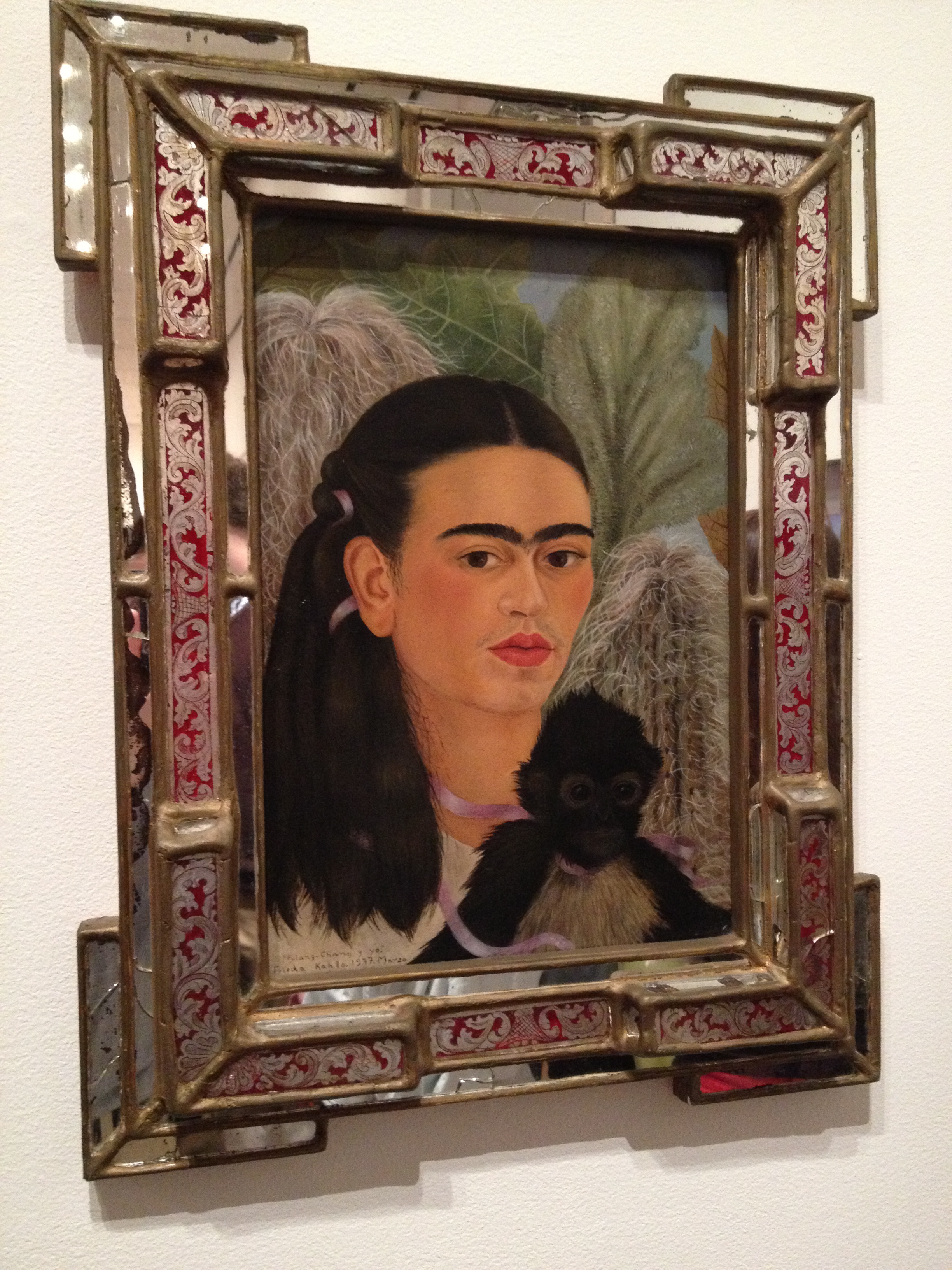
Have you ever gone into one of those art museums where the frame of a painting is so lavish that you notice it almost more than the art it contains?  It certainly says something about me (or where I shop), that I prefer simple frames.  Those that ideally pick up and emphasize something in the picture.  I recently critiqued a book on this blog because the framing seemed off.  Not a week afterwards I found myself going down an internet rabbit hole (the topic isn’t important) because someone had framed a speech so that it seemed to be reading things one particular way.  With that framing, I watched the speech and was astonished.  Then I sent it to one of my brothers and he pointed out that it could be understood a different way.  At first I was embarrassed and defensive (to myself), but I went back and listened again and realized he was right.  I’d accepted the framing uncritically.

We are incapable of seeing everything.  From the shape of our eyes to the limits on our distance vision, we can only take in so much.  That’s what frames are for.  We put them around paintings, photographs, posters, windows, and mirrors.  The demarcate the limit of something.  This image goes only so far.  Televisions used to do that, although now they seem to take up a wall instead of a framed corner space.  But even so.  Movie screens too.  They provide important context.  We know, looking at that screen, that something limited to that screen will appear.  We know that what’s caught in the picture frame can’t reach beyond it, physically.  (I am excluding some modern art, of course.)  Framing is important.

I am glad for this recent object lesson.  I was letting myself get worked up over something I may have viewed the wrong way because I had been primed to do so.  It involved one of my deepest wishes, so emotion definitely played a part in it.  Critical thinking involves looking at the frame and thinking about it as well as what’s inside.  Those who excel at creating content make you forget the frame is there.  The artist isn’t painting to fill a frame, the frame contains the art.  We all know this on some level, I suspect.  Nevertheless, when someone presents us anything with the interpretation built in, we need to ask ourselves if that interpretation is inherent in the object or is it simply part of the frame.  And if it’s the frame, no matter how fancy, we need to remove it and look from a different angle.


Museum Life

Allentown is the third largest city in Pennsylvania after Philadelphia and Pittsburgh.  Here in the Lehigh Valley it abuts Bethlehem and is just a few miles from Easton.  Getting an early jump on Memorial Day this year my family visited the Allentown Art Museum.  My daughter had been there before and let us know that it’s not huge, but certainly worth seeing.  They do have a Rembrandt among their collection, and a few Medieval pieces, including a tapestry that I could swear I saw on a book cover once.  In any case, I would recommend it.  We’re still fighting with rain around here, so it was a great Friday diversion.  We’re museum people, and I’ve pursued creative outlets my entire life.  I like to look at those good enough to be on public display.  As I told my family, when I was young I was curious about art and checked out books from the library on the great masters so that I could learn to identify paintings I hoped some day to see.  And as a bonus, the Allentown Art Museum is free.

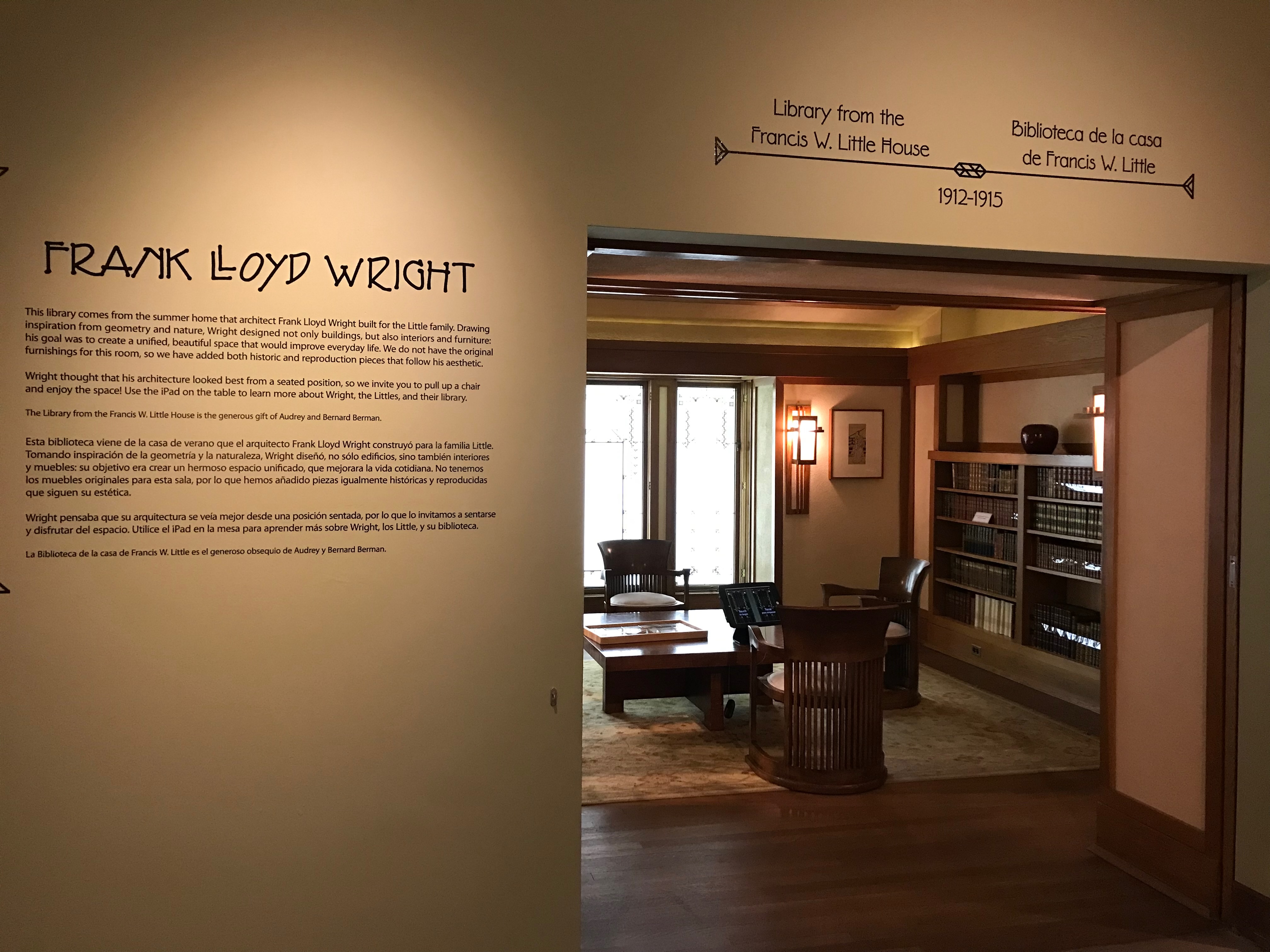
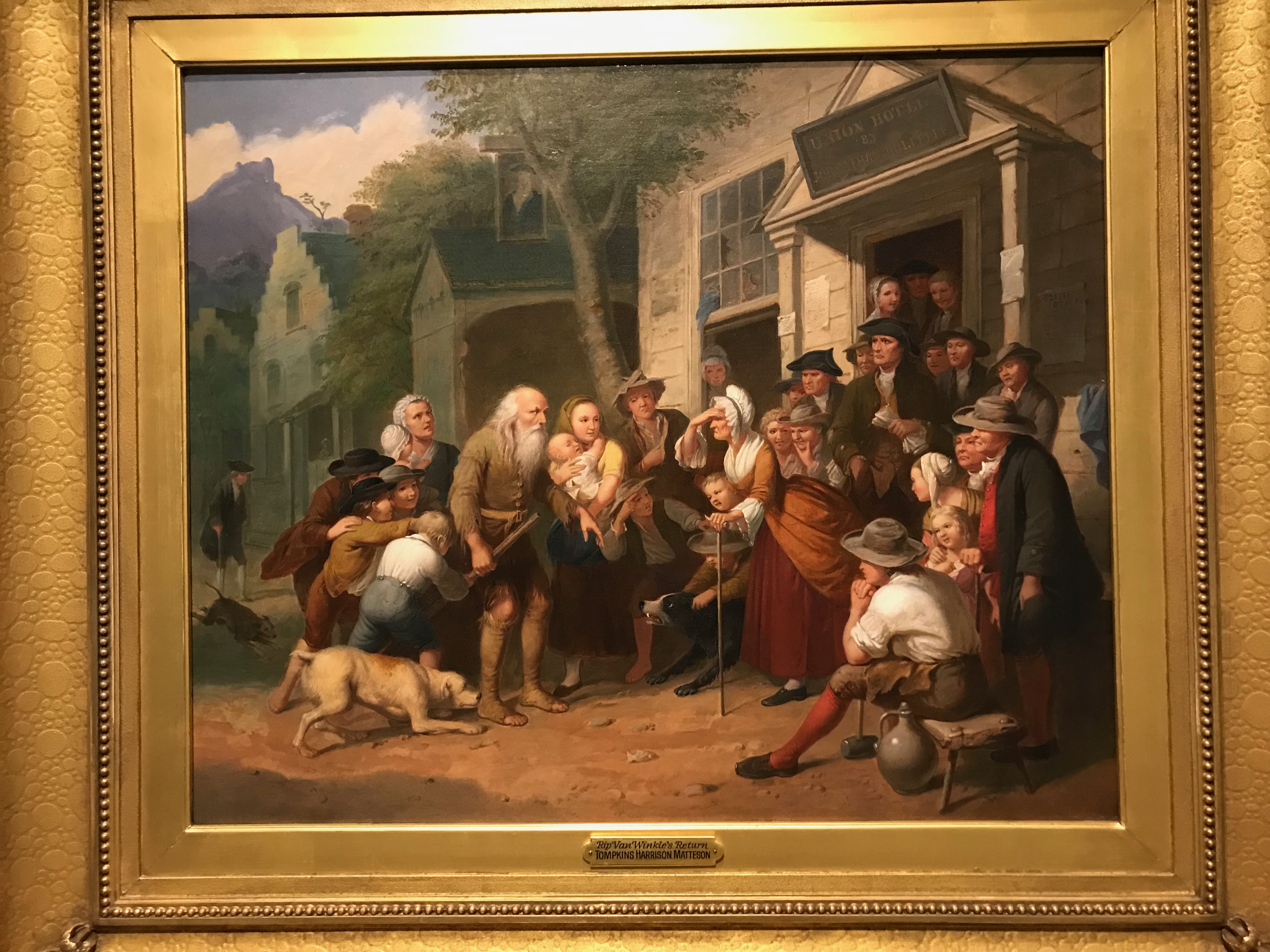
One of the features of the facility is a personal library designed by Frank Lloyd Wright.  The books on display aren’t his actual books (I don’t think), but being a book person I had to look over the titles.  Washington Irving was well represented.  Since Sleepy Hollow as American Myth will be out shortly, I was curious to see if they had The Sketchbook of Geoffrey Crayon, Gent.  This is the book in which “The Legend of Sleepy Hollow” first appeared.  It seems they have all of Irving’s books because I did indeed find the Sketchbook.  Such an unexpected connection was a bonus on what was already an enjoyable visit.  I wandered out into the paintings again and found Tompkins Harrison Matteson’s “The Return of Rip Van Winkle.”  As I discuss in the book, “Rip Van Winkle” is also in the Sketchbook.  Not for the first time, I’d made a personal connection with art.

Visiting art museums always leaves me in a liminal space.  For a while my soul was mingling with those of others driven by creativity.  I’ve made a few art works myself over the years but I’ve really had no training.  I did take a drawing and painting class in college, but I kept none of my output.  I enjoyed making it, however.  My daughter asked why I don’t do more and the issue always comes down to time.  Work takes the lion’s share and now weed control (they love the rain) takes most of the rest.  And writing, of course.  That’s why I need to go to museums.  To become fully human again.


Imagine Monsters

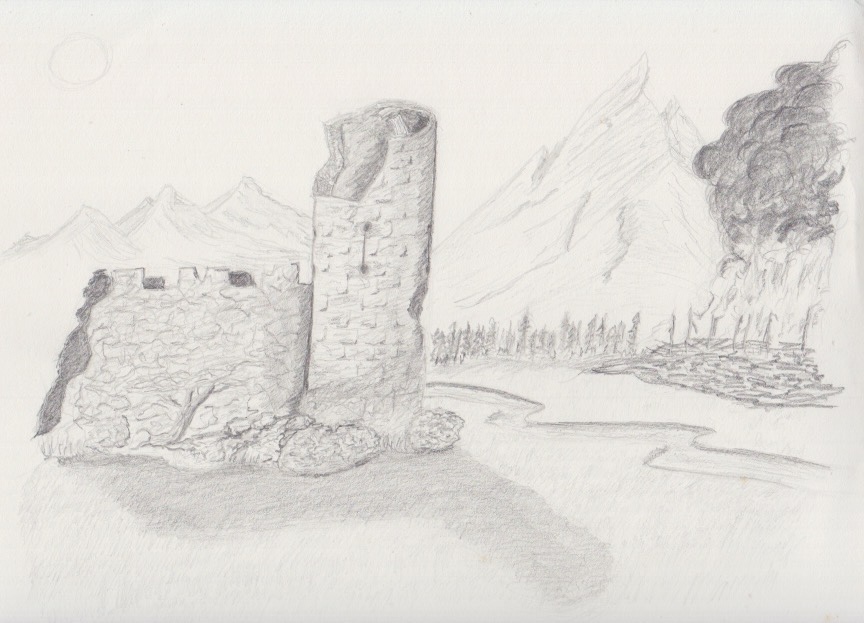
Adulthood is where you begin to recognize the folly of growing up.  Like most people, when I “matured” I was ashamed of things I made as a child and, regretfully, threw them away.  This came back to me recently as I was thinking of a sketchbook—actually a scrapbook that I repurposed in my tween years.  I love to draw.  I don’t do it as much now as I’d like (thanks, work!), but I was encouraged in it by art teachers throughout school who thought I had a little talent.  The sketchbook, however, was only ever shown to my brothers, but mostly only looked at by me.  This particular project was where I was making up monsters.  As with my writing, I’d never taken any drawing classes, but I had an active (some say overactive) imagination.  (That’s still true.)  

In any case, a discussion with my daughter brought back memories of this book I’d discarded by the time I went to college.  I still remember some members of the menagerie I’d concocted.  Even now that I’ve seen hundreds of monster movies, most of those I’d fabricated as a child have no peers that I’ve seen.  These weren’t monsters to be incorporated into stories—they were purely visual.  Although, I can say that my first attempted novel (probably around the age of 15) was about a monster.  I got away with being interested in monsters in high school, but college was a wholesale attempt to eradicate them.  Even so my best friend from my freshman year (who left after only a semester) and I made up a monster that lived in the library.

As an academic, until very recent years, monsters were off limits.  If you wanted to be sidelined (and in my case it turns out that it wouldn’t have mattered) you could explore such outré subjects.  Now it turns out that you can get mainstream media attention if you do (as a professor, but not, it seems, as an editor).  I’m sitting here looking back over half-a-century of inventing monsters, with a sizable gap in the middle.  The interest was always there, even as I strove to be a good undergrad, seminarian, and graduate student.  Now I can say openly that monsters make me happy.  I can also say, wistfully, that I’d been mature enough to keep that sketchbook that preserved a part of my young imagination.  It was tossed away along with the superhero cartoons I used to draw.  And the illustrations of favorite songs, before music videos were a thing.  Growing up is overrated. 

A surviving drawing, unfinished

Low Stakes

Elsewhere on this website I refer to myself as an “unfluencer.”  This quasi-serious attempt at humor does bear a kernel of truth.  It’s difficult to get your voice heard on the internet.  By the time I began blogging, vlogging had already become a thing and people prefer watching to reading.  (I do have a few YouTube videos out there, but they take an awful lot of time to put together and I’m kinda busy trying to write obscure books.)  The reason I mention this at all is to make a point.  People sometimes wonder why a guy who has a doctorate in religious studies wastes his time with horror.  There’s a good reason.  People will pay attention when the stakes are low.  Is horror important?  I think it is, but most people don’t.  Genre fiction is easily dismissed as being off in fantasy land, despite the growing number of voices suggesting we should be paying attention to how it influences (unfluences?) religion.

Those who delve in such blue collar things sometimes grow to be taken seriously.  I suspect—since I wouldn’t know—that it’s a matter of sticking with it long enough, and producing enough content that people have some standard for comparison.  And the interesting thing is, you often notice fascinating features along the way.  While working on my next book the other day, I realized a major gap in the study of history of religions.  I can’t say what it is here, of course, because someone without a 9-2-5 may scoop me.  But the gap is clearly there.  And I would never have noticed it if I weren’t spending my time writing about low-stakes monsters.

I’m a blue-collar thinker pretty much through and through.  Talking it over with my brother the other day, I realized that despite the years and years of higher education, I was brought up working class and I look at the world through those lenses.  When I was actually a professor that began to change, but in retrospect, I think that’s why my students liked what I did in the classroom.  I wasn’t some child of privilege handing down tired observations meant to impress other children of privilege.  I’m just a peasant trying to figure things out.  I can point to no highly educated forebears—neither of my parents finished high school.  No, I have been fortunate enough to have clawed my way through three higher degrees only to realize that people only listen if the stakes are low enough.  And I’m alright with that since I get to spend the time with my beloved monsters.


Major Drum

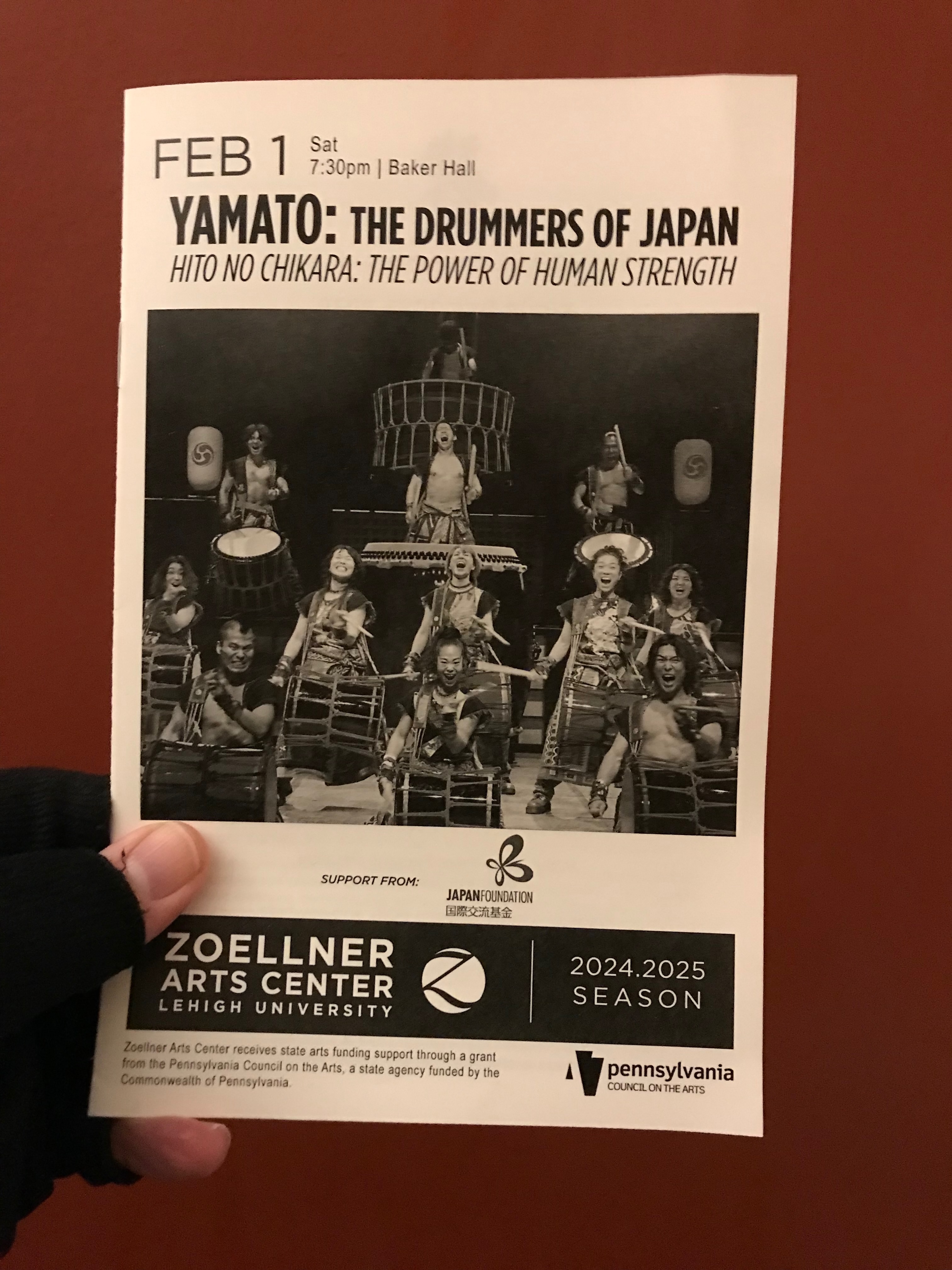
We don’t get out much.  Live shows can be expensive and these cold nights don’t exactly encourage going out after dark.  Living near a university, even if you can’t officially be part of it, has its benefits, though.  Over the weekend we went to see Yamato: The Drummers of Japan.  Our daughter introduced us to the concept while living in Ithaca, a town that has a college or two, I hear.  These drummer groups create what might be termed a sound bath, that is profoundly musical while featuring mainly percussion.  Now, I can’t keep a beat for too long—I’m one of those guys who overthinks clapping in time—but that doesn’t mean I can’t appreciate those who can.  The timing of the members of Yamato was incredibly precise, and moving.  At times even funny.  It’s a show I’d definitely recommend.

This particular tour is titled “Hito No Chikara: The Power of Human Strength.”  Now this isn’t advertising their impressively well-toned bodies, but is a celebration of human spirit under fire from AI.  The program notes point out some recurring themes of this blog: to be human is to experience emotion, and to know physical limitations, and to be truly creative.  Would a non-biological “intelligence” think to wrap dead animal skins around hollowed out tree trunks, pound them with sticks and encourage hundreds of others to experience the emotions that accompany such things?  I live in a workaday world that thinks AI is pretty cool.  Humans, on the other hand, can say “I don’t know” and still play drums until late in the night.  We know the joy of movement.  The exhilaration of community.  I think I can see why they titled their show the way they did.

Bowerbirds will create nests that can only be called intentionally artful.  Something in biological existence helps us appreciate what they’re doing and respond in wonder.  Theirs is an innate appreciation for art.  It spans the animal world.  Japan is one of many places I’ve never been.  I’ve never played in any kind of band and you don’t want me setting time for your pacemaker.  If a computer keeps such precise timing we think nothing of it.  It’s part of what humans created them to do.  When a group of people gets together, stretching their muscles and working in perfect synchronicity, we sit up and take notice.  We’ll even pay to watch and hear them do it.  Art, in all its forms, is purely and profoundly biological.  And it is something we know, at our best, to appreciate with our emotions and our minds.


Discovering Ordinary

I wasn’t quite sure what sense of ordinariness to expect from Robert J. Wicks’ The Tao of Ordinariness.  I would say as a whole it is about becoming ordinary you.  I found the whole interesting, but it was chapter four that really caught my attention.  It’s here that Wicks starts to address those whose damaged childhoods have created a false (and frequently re-affirmed) sense of our ordinary selves.  I’ve always known I have issues—it’s pretty obvious that I’m not quite like other people I know.  I often lack confidence and, thanks to my career and publishing history, have had that sense pounded in even as an adult.  (Poundedness is not a protected category, however, and it won’t get you any special consideration.)  Up until that chapter I was thinking, “This is nice, but it just doesn’t match my experience of things.”  Then I learned why.

It is possible to change your outlook, of course.  It’s not an easy thing to do.  Our culture isn’t set up to allow for it, what with 9-2-5s and all that.  You see, my personality really fit the teaching mode and lifestyle.  I loved the work, although it was hard.  And I loved the fact that if you had free time during the day you could, if you needed to, run an errand or two.  I guess I’ve never been one to invest in that capitalistic idea that your employer is buying your time.  For some jobs, yes.  In fact, my first employment experiences were of that sort.  I started at nine, did physical work until five, with a lunch break in the middle.  Now work begins early and doesn’t really end.  Days off are few and they fly by quickly.  Changing your outlook requires time to think.  That, it seems, is what’s missing.  It makes it difficult to find out what my ordinary is.

Wicks’ book is a hopeful one.  His optimism comes through page after page.  He gives practical advice.  The subtitle reveals why the book is important: Humility and Simplicity in a Narcissistic Age.  (That last adjective is so common now that spell-check completes it automatically.)  Politicians have frequently been narcissists, but Trump has made it into a high art—care only for yourself and tell people the lies they want to hear.  You can see the calculating cynicism in every glance and gesture.  And yet, here we are.  Books like this are important.  We need to be told that there’s another way.  If only it were also possible to get your horse to drink.


Free Cookies

The principle is a simple one.  People, being what they are, want more than just a nibble of something good.  Bakers know that giving away a free cookie generally leads to the sale of several cookies.  Most businesses realize this and give away freebies in hopes of selling more.  Something I don’t write much about (and this is related) is my artistic pursuits.  I love to draw and paint.  The fact is, were I able to do so I’d probably do that all day long just about every day without tiring of it.  The problem is I don’t have time for drawing or painting anymore.  Work demands increasing numbers of hours per day and writing is a time-intensive hobby.  I dream of illustrating my own blog since I know the kinds of images I’d like to use.  I just don’t have the time.  So I often use Unsplash.

I discovered Unsplash in 2020, during the pandemic.  A website of free photos, you can search and download and reuse them for free.  And give the photographer credit.  They benefit from the exposure and you get a nifty free image to use any way you like.  Now it’s beginning to seem that was a free cookie.  (I told you the topics were related!)  Lately, when I visit Unsplash, more and more images appear with a “plus” in the upper right-hand corner.  The plus images are those you pay for.  If you scroll long enough you come to the free images, but only after you’ve seen the ones that look especially polished.  Hey, you’ve been eating free cookies for years, don’t you think it’s time you paid your tab?  Well, I don’t make any money from this blog—in fact I pay WordPress for the privilege of writing here—so I’ll settle for what’s still free.

The truly valuable things in life seem to be those under threat since the pandemic.  I skulk about the nonprofit world—I’ve never been interested in making money for money’s sake.  I see valuable institutions struggling to stay afloat because the free cookies are gone and nobody seems to want to pay for a dozen anymore.  In fact, we’ve come to expect some things for free.  And we’re not about to start paying now.  I still use and support Unsplash.  I give the artists exposure here (such as it is) and hope that they’re getting hired for their talents.  I know that if I had the time these daily posts would come with hand-drawn art from yours truly, but I see it’s time to get to work.


Raven about this Book

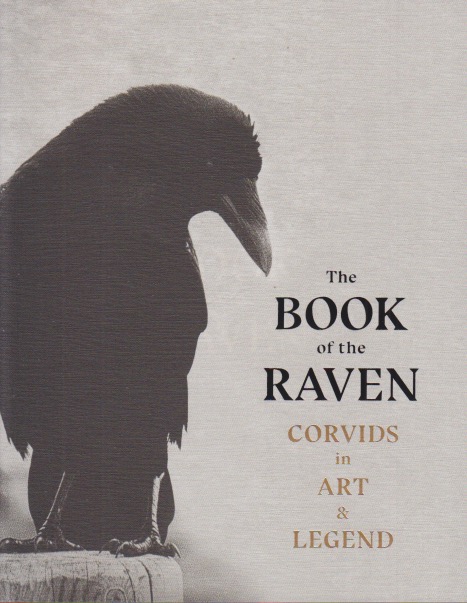
Some books are meant to be looked at.  Being busy most of the time, even on weekends, I’m guilty of not enjoying art enough.  The Book of the Raven: Corvids in Art and Legend is a work of art.  In it Caroline Roberts and Angus Hyland have compiled paintings, photographs, and prints that feature ravens, crows, magpies, and jays, interspersed with facts, poems, excerpts, and bits of lore.  It’s not a comprehensive book, nor is it intended to be.  It is, however, a deeply moving book for a certain kind of person.  It was an accidental find in a visit to The Book & Puppet Company in Easton.  When we’re in town we like to support the independent bookstores.  (I was saddened to discover that Delaware River Books, one of the two used bookstores in town, had recently closed.)

Corvids are, on a scale, about as intelligent as we are.  They think, solve problems, make tools, and recognize human faces.  They remember acts of kindness and reciprocate.  They recognize their dead and they also play.  They’re very much like us.  The book includes, of course, Poe’s “The Raven,” but also other poems that draw inspiration from these smart, magnificent birds.  The artwork is arresting.  One of the great sins of modern life is its busyness that robs us of the time for appreciating art.  And reading.  Learning how to thrive in a world that has become purely about profit and ownership.  Art is intended to be shared.  An artist produces so that others might see.  A author writes so that others might read.  And corvids exist to bring wonder into our lives.

I find the strident call of jays comforting.  I often hear them even on my winter walks.  There are murders of crows in the neighborhood from time to time.  They gather on roofs and in the trees across the street.  Recently I spied a large black bird while on my daily constitutional.  It had left a tree full of crows and was flying straight down the path toward me.  As it flew overhead I had a good look at its tail in flight—one of the best ways to tell a raven from a crow.  It was indeed a raven, and even common ravens are rare in this area.  We live on the edge of their habitat.   I was honored by its momentary attention.  I wished I had more time, perhaps to follow that magnificent corvid and to learn from it.  Instead, I will ponder The Book of the Raven with wonder.


Camera Ready

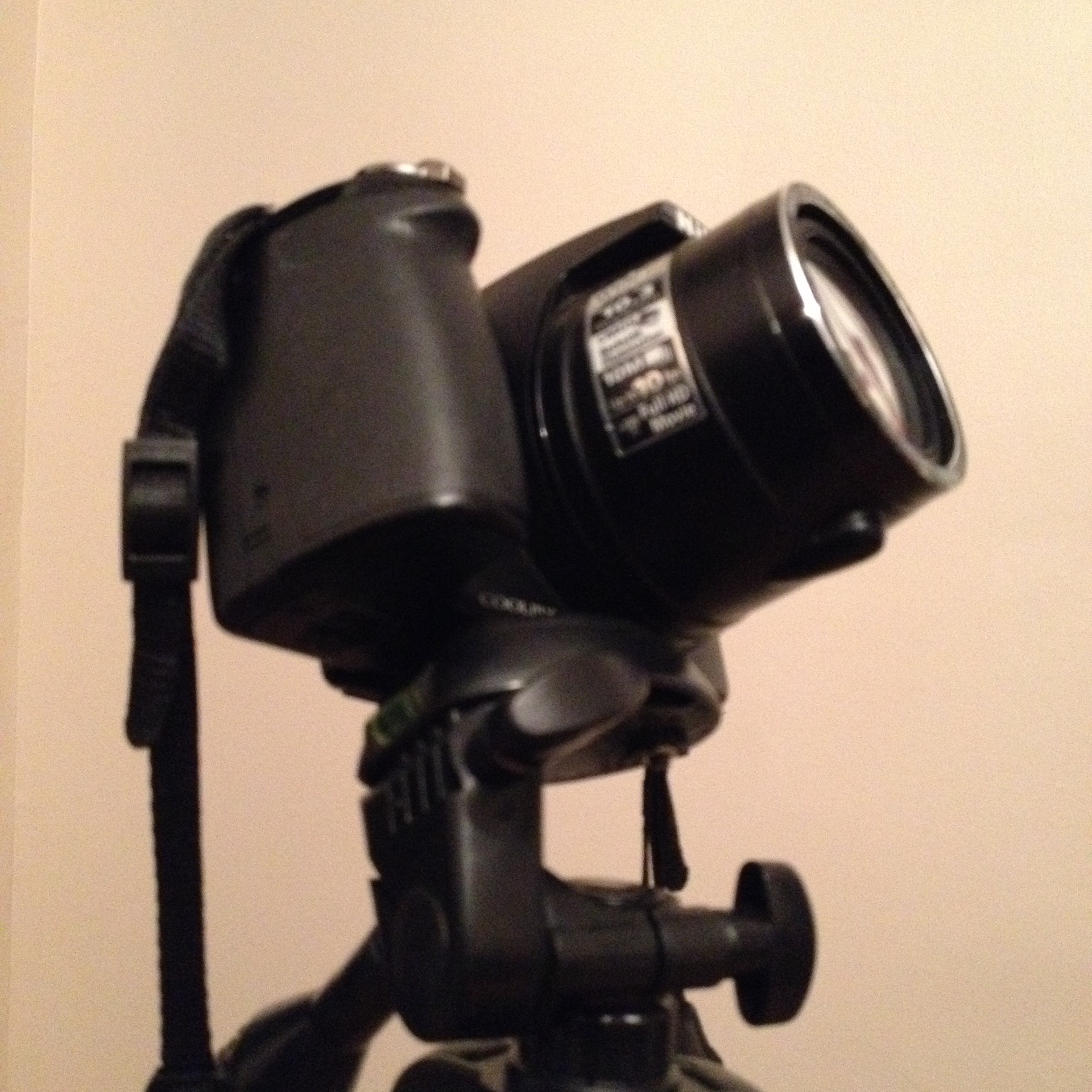
A friend recently asked me about cameras. I’m no expert, but after I finished my master’s degree I worked at Ritz Camera for about a year. It wasn’t an ideal job, but I learned a lot.  (Interestingly, I say that about most of the varied jobs I’ve held—janitor to editor.)  The conversation led me to dig out my box of pre-digital photographic equipment so that I could familiarize myself with f-stops and shutter speeds.  Handling my old Pentax K-1000, I reflected on how actual cameras (not that device in your pocket) transitioned from using actual film (which is superior for capturing images) to emulating that experience for the needs of digital photographers. Taking a stunning picture was more than just framing and lighting—it involved manual control.  The modern digital camera will allow the photographer control over things like shutter speed, aperture, and film speed (even if in altered terminology).

At the camera store, as in much of retail, waiting was involved.  Sometimes quite a lot of it.  Between customers coming in—and you had to be ready for that at any time—you had to find ways to amuse yourself.  Some would restlessly straighten up counter displays, restock the film (remember film?) bins, or find something that required putting away.  Most (and this was a young adult’s job) found ways of goofing off.  Immaturity takes a long time to settle into more reflective adulthood.  I often used the opportunity to read through the photography books we sold.  Well, in actual fact, I don’t remember ever actually selling one of those books.  If you’ve looked at the pictures most people take that will be evident.  That’s how I learned the little I know of photography.

At least you could see this kind.

We live in an era of disputing experts.  We like to think that we know just as much as the next guy.  Trump’s bull-headed tenure only made this fashionable.  Photography, on the other hand, no matter whether digital or print, is an art where the truth is clearly evident.  Gifted photographers take better photos.  The rest of us can learn some tips, but we all know when we see a stunning photograph.  We might even question if it’s real.  Although cameras can be made to lie—all photographs are fragments of the past—photography is perhaps the most impartial form of art.  Learning about it can improve results, but the camera is a revelatory device.  In the hands of an expert it can change the way we see the world.


This Is a Test

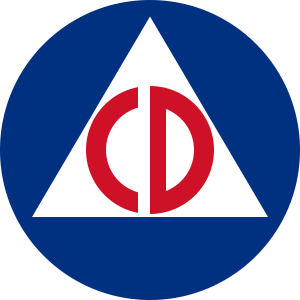
For the next sixty seconds…  (If you were born after Civil Defense aired these commercials, it’s your loss.)  I’ve been reading about animal intelligence—there will be more on this anon.  Today’s lesson is on artificial intelligence.  For now let this be an illustration of how difficult it is to come down from an inspired weekend to the daily technology-enhanced drudgery we call day-to-day life.  One of the real joys of seeing art in person is that no tech intervenes in the experience.  It is naked exposure to another human being’s expression of her or himself.  Over the weekend we wandered through five venues of intense creativity and then, back home, it was once more into the web.  The ever-entangling internet of things.

I write, for better or for worse, on my laptop.  My writing’s actually better on paper, but you need everything in electronic form for publication, so who has the time to write and retype, especially when work is ten hours of your day?  Then a system update alert flashes in the upper right corner of my screen.  “Okay,” I say setting the laptop aside, “go ahead and update.”  But then the message that states I have to clear enough gigs for an update.  I have been a little too creative and I’ve used my disc space for stuff I’ve made rather than Apple.  This is a test.  Okay, so I plug in my trusty terabyte drive to back things up before deleting them.  But the laptop doesn’t recognize the drive.  Oh, so it needs a reboot!  (Don’t we all?)  I give the command to restart.  It can’t because some app refuses to quit beach-balling, as if it is the computer that’s doing the actual thinking.  Force quit.  “Are you sure?” the Mac cheekily asks.  “You might lose unsaved changes.”  I need a technological evangelist, I guess.

All of this takes time away from my precious few minutes of daily creativity.  Restart, login, start copying files.  Time for work!  Just a mere sixty hours ago or less I was wandering through showcases of genuine human creation.  Art pieces that make you stop and ponder, and not have to upgrade the software.  Artists can talk to you and shake your hand.  Explain what they’ve tried to express in human terms.  Meanwhile my phone had died and was pouting while I charged it.  I know Apple wants me to upgrade my hardware—their technological extortion is well known.  Anyone who uses a computer experiences it.  Buy a new one or I’ll waste your time.  The choice is yours.  This is a test.  For the next sixty years…


The Art of Commuting

You can tell when the holiday season settles on the city. The commute home takes longer because developers simply can’t ignore a highway and the potential it has for shipping in the lucre. Highway 22 is built up in several spots—it’s kind of like a 20-mile long roadside mall between where the bus enters it and my exit. Holiday shoppers right after work clog this artery faster than fried eggs for breakfast every day. We crawl, penitent, wanting only to reach home. You get to know the regulars on the bus. You may not know their names, but their faces and personalities become clear enough. The man sitting across the row from me was someone I couldn’t recall having seen before. Lots of people, of course, go into New York occasionally. A stranger on the bus isn’t exactly rare.

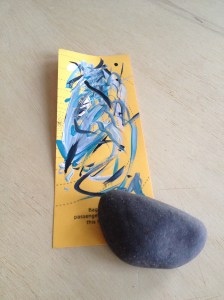
Near my stop I slip into the empty seat next to the aisle to get ready to disembark. He looks over at me and asks if he can give me a bookmark he’s made. Worse than talking to strangers is taking candy from one. He encourages me by telling me he does it to promote his work, since he writes haikus and does paintings. I accept one and learn of the website unfoldingmind.com. He then asks what I’ve been reading. If you read my posts in order, you can see my last book was The Exorcism of Anneliese Michel. There’s a reason I don’t tell my fellow passengers about my literary choices. I say it is a book about an exorcism and he takes it in stride, asking if it was an actual case.

I had my own unfolding moment then. Not only was it the case that I could mention exorcism in casual conversation, but a man considerably younger than me knew what it was. Stop and think about that: prior to the movie and novel, The Exorcist, very few modern people even knew about the rite. Strangers on a bus, both artists in their own way, I like to think, knew what this was. I look at my bookmark, some original art with a haiku on it, and think of the many interesting people that make this bus their temporary domicile. Occasionally, amid the snoring phone-movie watchers, is another passenger using the long ride home to open his or her mind. The bookmark is now amid the artifacts of my personal museum. And my words, hardly poetry, are a tribute to those who practice the arts that make us human.


Post Script to Art

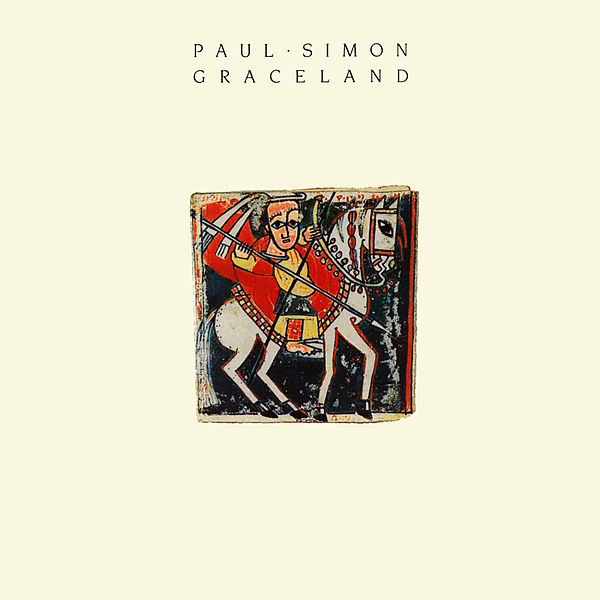
At work Christian Century is a magazine that sometimes lands on my desk. I suspect the book reviews are the main reason for this, but I like to skim the headlines to see what the more progressive, popular periodical has to say about the world. I always glimpse the news in brief section, and quite often the quotes of the week are poignant. This past week I read one from Paul Simon, who was speaking at Princeton University. The quote ran, “We are living in an anti-art age. The world is now a brutal place and obsessed with speed and wealth.” I found my head nodding as I read that sentiment. While I was a little too young to be aware of Paul Simon’s considerable contribution to popular music while it was happening (although I was old enough to appreciate Graceland when it came out), I nevertheless listened to Simon and Garfunkel during college and beyond, amazed at the depth and accuracy of Simon’s poetry. Here was a true artist.

What a difference half a century can make. I find myself not recognizing the world that I took for an assured thing as a child. Drawing back to get some perspective—which is something I think Paul Simon would appreciate—I think about the world without technology. Other species, for example. The behavior of, say, deer is the same today as it was when Europeans first invaded these shores. While deer still wander out onto roads in their natural quest for food, we race at them in heavy machines that leave them dead and twisted grotesquely at the roadside. Deer may not have the mental capacity to think, “hey, there’s fewer predators than there used to be,” but they are frequently brought into contact with a technology that is so nineteenth century, and the result is fatal. Where has the artistry gone? The deer remain the same.

I read a lot of older stuff. When I see the literature that was clearly published for its beauty of language and artistry, it brings a tear to my eye. We don’t publish work like that any more, unless it can make money. Everything has become a calculated capital venture. If you can’t make money off it, it’s not worth doing. When I was stressing out in college over exams, I would sometimes put on my old Simon and Garfunkel records and listen to the deep and complex lyrics to “Mrs. Robinson,” or “Bridge over Troubled Waters,” or “The Sound of Silence.” Despite the angst, this was a world that had a place for beauty for its own sake. It’s not just the music that’s changed since then, because I knew that I was listening to the words of a prophet. And prophets only appear when there’s trouble ahead.

Graceland


Evolving Instinct

ArtInstinct Evolution has appeared as a threat to the Christian establishment ever since Charles Darwin worked out a mechanism by which it could work without God. In the western world, particularly in the United States, evolution has always been a religious issue; it seems that if we remove God from the development of humankind we remove him from the universe. The thing is, natural selection works on such an elegant scale that the scientific endeavor itself almost hinges on it. And still people believe. I flatter myself with thinking I’m a creative sort, and so Denis Dutton’s The Art Instinct: Beauty, Pleasure, and Human Evolution provided an intriguing consideration of how we might become creators in a world lacking a creator. Well, I shouldn’t be so crass; Dutton has no atheistic agenda—he is interested in exploring what natural function the human love of art might have. We do know that art appears well before civilization itself, and Dutton has a suspicion that natural selection’s lesser known sibling sexual selection might have an explanatory role. He isn’t willing to go all the way and say art is just a mating strategy, but art and love are no doubt bound closely together.

I read The Art Instinct wondering if there might be some collateral insight into the origin of religion. I wasn’t disappointed. Within the first ten pages religion entered the discussion and it never really left. Not that sexual selection evolved religion, but the traits of the religious often parallel those of the artist. As Dutton points out, some theorists almost equate religion and art. For me one of the main features of this thought experiment was the innate questioning of reductionism. While there is no doubt a stark beauty to the idea that an atomistic theory might explain every weird little thing that we do in the name of art and religion, real life just doesn’t feel that way. The reductionist will counter that emotions have evolved as well, and surely there is a measure of truth in that. Nevertheless there is too much that goes unexplained in this mechanistic worldview. Even Dutton occasionally uses the language of the soul.

Sublimity remains a noble state. The feeling that we have standing before a painting that yanks our very consciousness into itself, or when a symphony sweeps us to places we can’t begin to articulate, or a poet distills in a handful of words what an entire lifetime has taught us—these experiences certainly don’t feel like electrons racing through a gray matter racetrack. Even stepping out the door on some autumn mornings can bring the essence of life into a single, compact moment when nature’s art transcends the human capacity for understanding. Science, at such times, is the farthest thing from our minds. Or at least mine. Perhaps it’s a personal defect. As Dutton notes in his Afterword, his thesis has raised the ire of reductionists and the religious alike. To me that sounds like he’s probably headed in the right direction. Religion may not be art, but art is life. Reducing life to a series of earning opportunities in a godless marketplace may make me believe in Hell yet.


Puppet Master

Usually I resist mentioning books I’m reading on this blog until I have finished them. It is probably because of some misplaced Protestant guilt at taking a small measure of undeserved satisfaction at claiming an achievement that I haven’t legitimately earned. Or maybe it is my innate fear that the author will say, on page 200, “by the way, everything before this is wrong.” In any case, sometimes I forget the important initial stages of a grand argument by the time I reach the final chapters, neglecting any ideas that may have arisen along the way. I just started Victoria Nelson’s The Secret Life of Puppets. I read her Gothicka earlier this summer, and couldn’t wait to get started on Puppets. Besides, when was the last time I saw an academic book with a back-cover sound-byte by Neil Gaiman?

The idea that is so compelling in The Secret Life of Puppets is that in the modern era religion and art have reversed roles. That is to say, people tend to turn to literature (and movies or other media) to discover a sense of transcendence—previously the bailiwick of religion. Religion has transformed into the receptacle of literary imagination instead of remaining the inspiration for it. New Religious Movements grow out of fictional sources—consider Scientology or Jediism or the religions growing from Avatar. But the connection runs to even more profound depths. Quoting a screenwriter she met, Nelson points out that horror movies are often the only genre of film in which God comes naturally into the conversation. Elsewhere God-talk feels high-handed.

Religion has become a kind of fiction while fiction writers preserve the prerogatives of the divine. We suffer from repressing our intuitive way of knowing. Perhaps it is only logical that I select an example from science fiction here. Since the late ’60’s the figure of Mr. Spock has stood sentinel over the neurosis of the flawlessly logical. Just one glimpse and we know this is not homo sapiens sapiens’ behavior. We think with both halves of our divided brains. Scientists sometimes commit the oh so human fallacy of supposing evolution is robbing us of passion. Falling in love would be a lot less enjoyable if it made sense. No, we have not outlived our need for the gods. I think Neil Gaiman would back me up on that.