Museum Life

Allentown is the third largest city in Pennsylvania after Philadelphia and Pittsburgh.  Here in the Lehigh Valley it abuts Bethlehem and is just a few miles from Easton.  Getting an early jump on Memorial Day this year my family visited the Allentown Art Museum.  My daughter had been there before and let us know that it’s not huge, but certainly worth seeing.  They do have a Rembrandt among their collection, and a few Medieval pieces, including a tapestry that I could swear I saw on a book cover once.  In any case, I would recommend it.  We’re still fighting with rain around here, so it was a great Friday diversion.  We’re museum people, and I’ve pursued creative outlets my entire life.  I like to look at those good enough to be on public display.  As I told my family, when I was young I was curious about art and checked out books from the library on the great masters so that I could learn to identify paintings I hoped some day to see.  And as a bonus, the Allentown Art Museum is free.
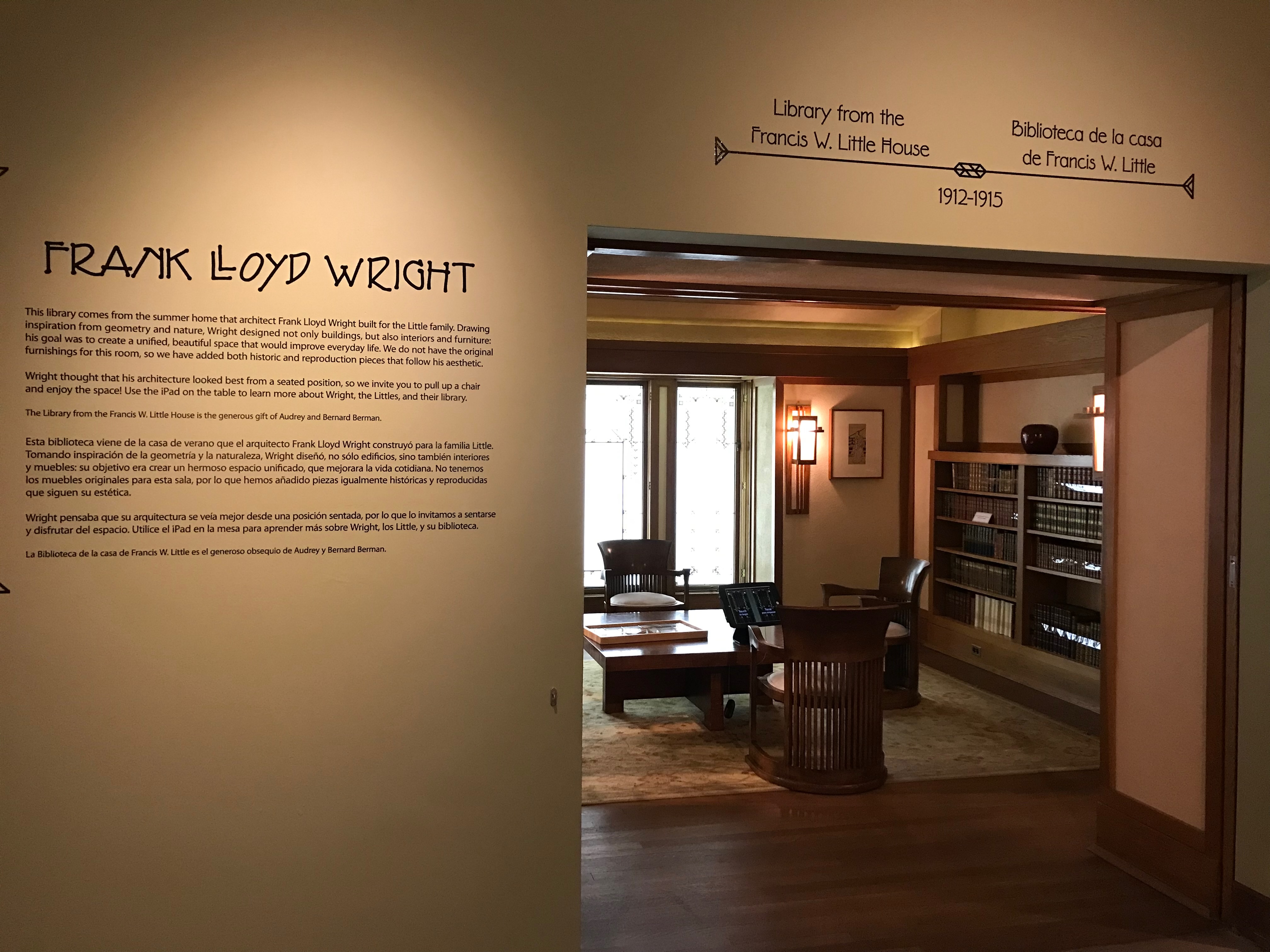
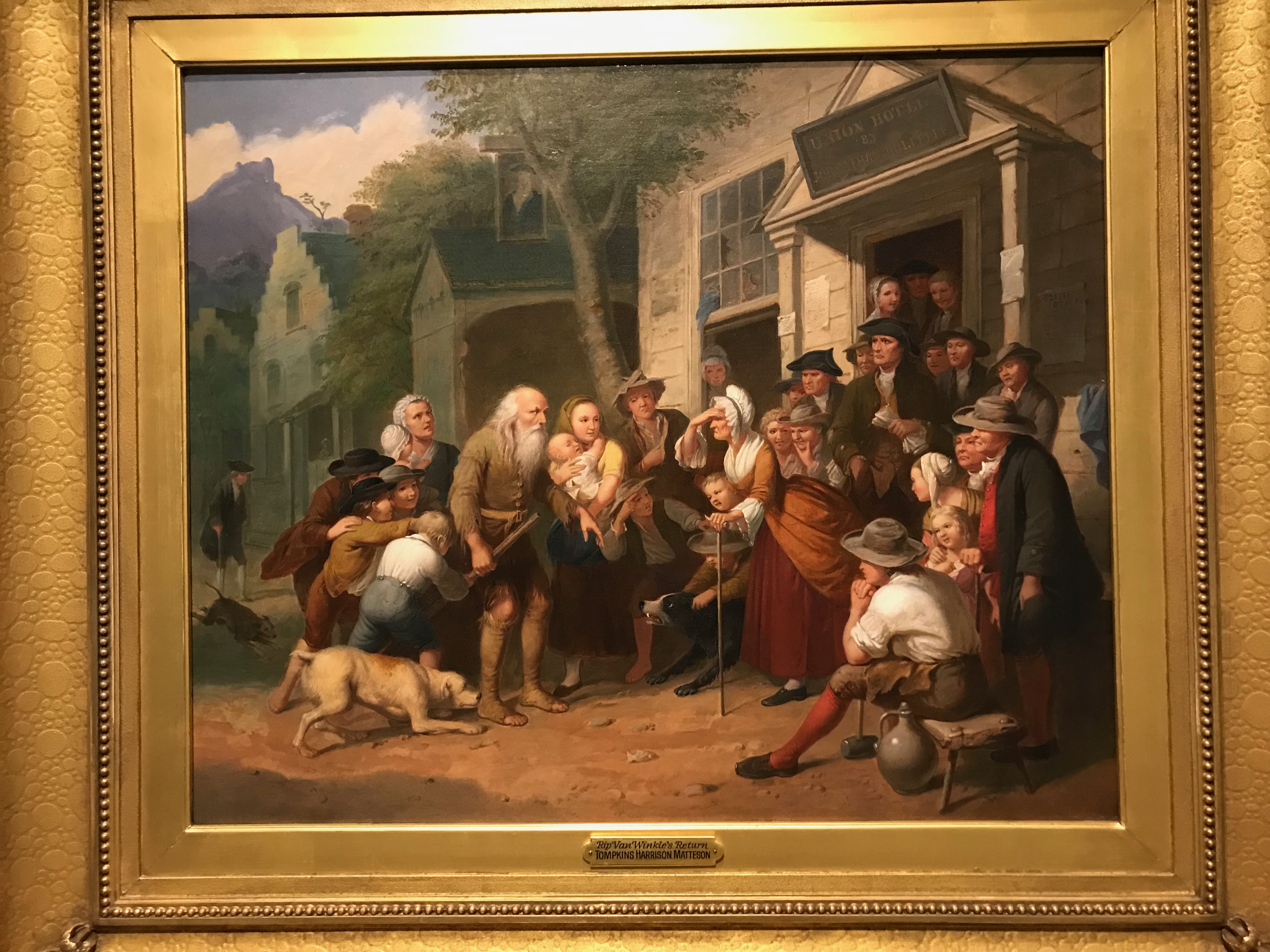
One of the features of the facility is a personal library designed by Frank Lloyd Wright.  The books on display aren’t his actual books (I don’t think), but being a book person I had to look over the titles.  Washington Irving was well represented.  Since Sleepy Hollow as American Myth will be out shortly, I was curious to see if they had The Sketchbook of Geoffrey Crayon, Gent.  This is the book in which “The Legend of Sleepy Hollow” first appeared.  It seems they have all of Irving’s books because I did indeed find the Sketchbook.  Such an unexpected connection was a bonus on what was already an enjoyable visit.  I wandered out into the paintings again and found Tompkins Harrison Matteson’s “The Return of Rip Van Winkle.”  As I discuss in the book, “Rip Van Winkle” is also in the Sketchbook.  Not for the first time, I’d made a personal connection with art.
Visiting art museums always leaves me in a liminal space.  For a while my soul was mingling with those of others driven by creativity.  I’ve made a few art works myself over the years but I’ve really had no training.  I did take a drawing and painting class in college, but I kept none of my output.  I enjoyed making it, however.  My daughter asked why I don’t do more and the issue always comes down to time.  Work takes the lion’s share and now weed control (they love the rain) takes most of the rest.  And writing, of course.  That’s why I need to go to museums.  To become fully human again.

Free Cookies

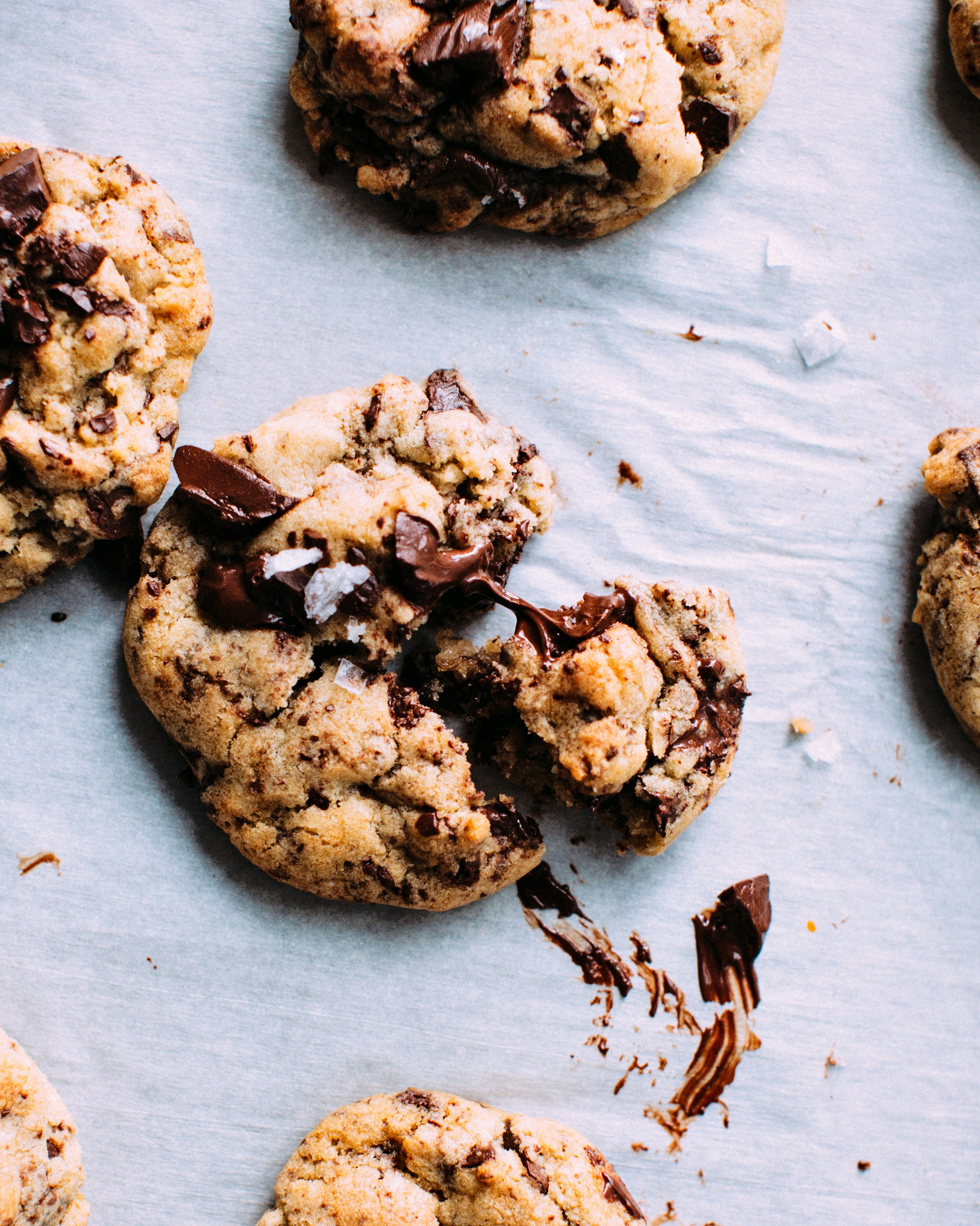
The principle is a simple one.  People, being what they are, want more than just a nibble of something good.  Bakers know that giving away a free cookie generally leads to the sale of several cookies.  Most businesses realize this and give away freebies in hopes of selling more.  Something I don’t write much about (and this is related) is my artistic pursuits.  I love to draw and paint.  The fact is, were I able to do so I’d probably do that all day long just about every day without tiring of it.  The problem is I don’t have time for drawing or painting anymore.  Work demands increasing numbers of hours per day and writing is a time-intensive hobby.  I dream of illustrating my own blog since I know the kinds of images I’d like to use.  I just don’t have the time.  So I often use Unsplash.

I discovered Unsplash in 2020, during the pandemic.  A website of free photos, you can search and download and reuse them for free.  And give the photographer credit.  They benefit from the exposure and you get a nifty free image to use any way you like.  Now it’s beginning to seem that was a free cookie.  (I told you the topics were related!)  Lately, when I visit Unsplash, more and more images appear with a “plus” in the upper right-hand corner.  The plus images are those you pay for.  If you scroll long enough you come to the free images, but only after you’ve seen the ones that look especially polished.  Hey, you’ve been eating free cookies for years, don’t you think it’s time you paid your tab?  Well, I don’t make any money from this blog—in fact I pay WordPress for the privilege of writing here—so I’ll settle for what’s still free.

The truly valuable things in life seem to be those under threat since the pandemic.  I skulk about the nonprofit world—I’ve never been interested in making money for money’s sake.  I see valuable institutions struggling to stay afloat because the free cookies are gone and nobody seems to want to pay for a dozen anymore.  In fact, we’ve come to expect some things for free.  And we’re not about to start paying now.  I still use and support Unsplash.  I give the artists exposure here (such as it is) and hope that they’re getting hired for their talents.  I know that if I had the time these daily posts would come with hand-drawn art from yours truly, but I see it’s time to get to work.


How Great Thy Art

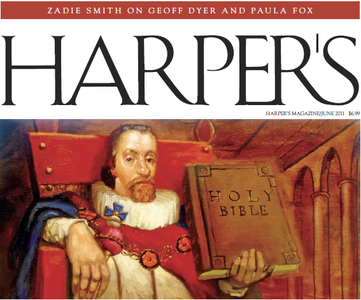
Celebrating the four hundredth birthday of the King James Bible, last month’s Harper’s magazine featured seven popular writers giving their take on various passages from the Bible. Noting the Bible more or less gave the English language its shape, this little exercise in eisegesis represents, in small measure, the power of the Bible even today. While many lament that America is no longer Bible-centered, with its misuse and abuse in the political arena the Bible still seems to be the heavyweight champion of the country, albeit altered through the eyes of certain key players. I was happy to note Harper’s chose novelists and poets to respond rather than theologians, biblical scholars, or—God help us—televangelists or politicians (frequently the same thing). What emerges is a tapestry that alike puts biblical scholars’ teeth on edge and makes fundamentalists wince.

Novelist Howard Jacobson looks at the creation story and takes the angle that God is a lonely artist. Writes Jacobson on the creation of light: “It’s good because it reveals an idea. The artist isn’t obligated to explain what that idea is.” Here, in the words of a non-specialist (can one say “amateur” of an accomplished novelist?) lies the heart of the matter. Art is creation and creation must be interpreted. Anyone who has undertaken a creative enterprise knows the feeling—the casual, disinterested glance at your work hurts. Any artist wants to be appreciated. Once the metaphor of God’s authorship of the Bible is recognized, there is a group of human artists hiding somewhere outside the annals of history. One of the great mysteries of the Bible is that we know very little about who wrote it (with the exception of Paul in the Christian Scriptures.)

The Bible is a work of art on a broad canvas. Today it is frequently criticized for the abuses it endures, but if we allow it its original purpose the view should become more sympathetic. The Bible was composed by individuals struggling with ideas. For millennia it served as a useful guide to the human experience until the church became politically powerful during the reign of the emperor Constantine. From that point on, deep knowledge of the Bible became power. For centuries the church guarded that power, keeping it in the hands of the clergy. Now that the Bible has become democratized, it threatens to take over democracy itself. Out there, somewhere unseen, the original artists are snickering as they chink their glasses and toast their accomplishment—they are writers who changed the world. But I suspect Paul is there too, warning them against partying too much.