Forbidden Love

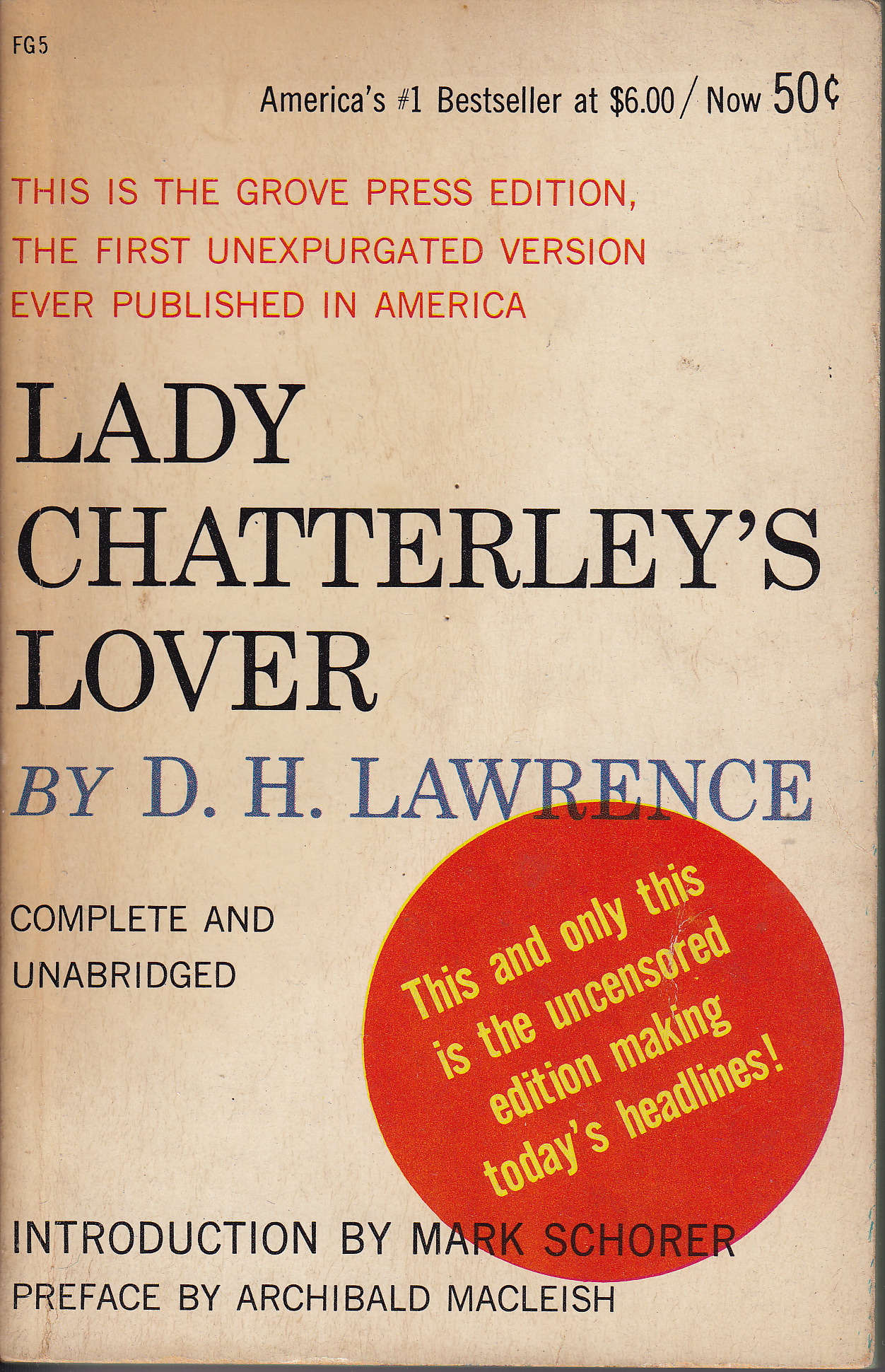
LadyChatterleyBanned Book Week is upon us. In that time of year when we begin to think of spooky, scary things, the prohibition of literature naturally comes to mind. Every year I try to read a banned or challenged book for the occasion. This year I went to perhaps the jugular vein of banned books, Lady Chatterley’s Lover, by D. H. Lawrence. Now, I’m not a romance reader, but I was curious about this sexually explicit novel that had been banned to the point of being outlawed and was now considered a classic. Lawrence’s last novel, it tells the tale of a woman escaping a loveless marriage with the help of lover below her social class. The steamy bits are tame by today’s standards, but Lawrence does use several words that are still rarely heard in the media due to their offensiveness. From my perspective the story was a bit too drawn out, and the fawning wasfs a bit over the top. What struck me even more, however, was the fact that this novel was largely about social justice. Not that Lawrence was an activist, but his concern for the poor and discarded of the industrial revolution is quite clear throughout the novel. The privileged having affairs within their class is acceptable. The scandal is that a titled lady falls for a common gamekeeper.

I haven’t read Fifty Shades of Grey, a franchise that has made even romance writers jealous. From the criticisms I hear, however, the concern is less the sex than it is the lack of literary value. I’m sure Fifty Shades of Grey is a banned book in some location. Still, the deeper concern for humanity that runs through Lady Chatterley’s Lover is part of its appeal. Several times I put the book down thinking, “this isn’t just surface stuff.” It is, baldly put, the search for redemption. Sir Clifford is an invalid who wants to control others. In an era when men laid claim to control of women’s sexuality this was no small demand. He also sees his coal miners as pieces in a larger game that is, it turns out, only to his own benefit.

Although the book ends with the lovers parted, and hoping for reunion, Lawrence’s final words turn toward economic oppression. Mellors (the gamekeeper) writes, “If you could only tell them that living and spending isn’t the same thing!… If only they were educated to live instead of earn and spend…” He defines Mammon as “wanting money and hating life.” No doubt, the book was a vehicle for Lawrence’s desire to see writing about sex to be part of literature and not pornography. Still, there is something deeper here. The story is more than carnality, although carnality is what brought it to fame. It is a banned book that proclaims liberty that, despite the license of contemporary society, is not really as free as it might seem. As banned book week unfolds, it is a moral obligation, I believe, to read those books that have threatened settled mindsets and raised the ire of censors. In so doing, we learn what it is to be human.

Casing the Promised Land

In one of the great ironies of the English language “flammable” and “inflammable” mean the same thing. Sometimes an extra syllable can make all the difference. “Ideas are incombustible,” wrote Ellen Hopkins in the final stanza of “Manifesto.” Unlike inflammable, that which is incombustible can’t be burned away. Most literally expressed in Ray Bradbury’s Fahrenheit 451, ideas are, however, endangered in a culture that claims to support them while secretly allowing them to be banned. Orwell called it doublespeak, and we all owe it to our heirs to fight it wherever we can. Sometimes the promised land may not be all that it seems. Can the brave truly be this afraid? Some politicians think “Born in the USA” is a complimentary song. Never has there been a better case for emphasizing literacy.

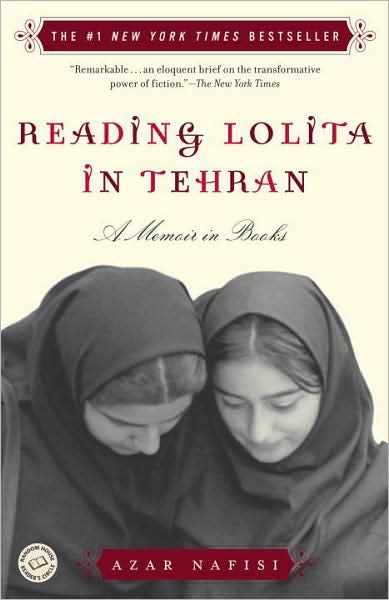
We fear the ideas our children might encounter, making them into the people they are meant to be. I’d like to return to an idea I broached at the beginning of this year’s Banned Book Week—the Bible has been a banned book. According to the antics of various preachers and vigilantes, so have been the Quran and the Book of Mormon. Destroying books or their authors, however, only creates martyrs. Until the world begins to understand that memes are more durable than genes we will fight our futile wars to drive the thoughts away. Azar Nafisi in Reading Lolita in Tehran tells of how some regimes want to control even our dreams. As if cutting the wings from angels were even possible. How do you physically cut an incorporeal being? Some may need to look “incorporeal” up in a dictionary.

I can’t remember when I started to read for fun, but I do know I haven’t been able to stop since. I have no idea how many books I’ve read, but it certainly comes out to more than the money I’ve ever been able to save. I write this with not an iota of regret. In my humble opinion people are products of the books they read, the songs they hear, the movies they watch. Ideas. Ideas permeate us and we, like sponges, absorb our nutrients from them. Inevitably we come to resemble the concepts we ingest. Ingesting concepts is perhaps the best way to think of Banned Book Week. Inflammable and flammable mean the same thing. Incombustible, however, is something completely different.

IMG_1497


Afraid for God

ReadingLolitaInTehranReading Reading Lolita in Tehran, by Azar Nafisi, is not easy. It is, however, rewarding. Appropriate for Banned Book Week, we might want to remind ourselves what a society that bans books actually looks like. Nafisi, an Iranian teacher of English literature, had broadened her mind and had traveled abroad. When she returned to her home country to take up a teaching post, she discovered that the world you always knew can be very unstable. It can change without you realizing it. (Mene, mene, tekel, upharsin, left even the sages scratching their heads.) The Revolution, as it was known in Iran, brought in the radical conservatism of religious outlooks that saw women as little more than temptations for men. The wearing of the veil was enforced by law. Nafisi was told it was a small price to pay for the greater good. The rhetoric is the same every time I’ve been frisked at the airport, although I’m a lifelong pacifist. In Iran, things were much worse.

Nafisi recounts gathering a group of her women students together after she was forced out of the university. They would meet at her apartment to discuss literature, including Vladimir Nabokov’s Lolita. How must it feel to be a woman reading about a man’s obsession with a girl so young? As Nafisi points out, girls of Lolita’s age are considered marriageable in some Islamic states. It isn’t Islam that’s the problem, it is extremism. When I read about how she became “irrelevant,” I literally shuddered. In my own way too, I had been made irrelevant to higher education by those who felt any means would justify religious ends. And the bookstores in Tehran were closed, for they sold dangerous ideas. The irrelevance of one woman, or even half the population, is a small price to pay for self-righteousness.

“You say you’re afraid for God,” Ellen Hopkins wrote in “Manifesto.” Afraid for the Almighty. Such a strange concept. Fundamentalists of all monotheistic stripes believe in an all-powerful God whom they arrogantly presume to protect. How can a human even conceive such hubris? We feel secure in our Bible-emboldened superiority, challenged when reminded that the Quran, the Book of Mormon, or even Science and Health came later, and by definition supersessionism inevitably takes hold. “Paranoia is in bloom,” Muse reminds us. Missiles fall on Tehran, killing women and children. We elect, however, officials who agree that healthcare for women is politically negotiable. The reason has nothing at all to do with justice. It has everything to do with using a black-bound book for power over those who are just twelve-year olds wondering how any of this is even possible.


Academic Freedom

Azusa Pacific University, 2013. Emmanuel Christian Seminary, 2012. Interdenominational Theological Center, 2012. University of Illinois, 2010. Carroll College, 2005. Nashotah House Episcopal Seminary, 2005. Unfortunately the list could go on and on. Academic institutions in the land of the free and the home of the brave dismissing faculty for saying or writing something that offended their doctrines. This is the land of my birth, and yet I’m still rocked by its permissiveness. That’s not permissiveness in that sense. I was latterly working on a paper called “the myth of academic freedom.” I know too many people for whom that myth has become a reality and all the while the governments, state and national, try to decide on more important issues such as whether or not to give children equal opportunity, our institutions crumble for petty points of pretentious pugilistic piety. Not only books may be banned, but those who potentially write them as well.

“You say you’re afraid for America,” Ellen Hopkins’s “Manifesto” suggests. Academics, of all people, should be afraid. Our society asks us to borrow thousands and thousands of dollars to become experts in some obscure topic only to release us from any possibility of finding employment that allows us to pay off said debt. “I don’t need no arms around me,” but I sure could use a podium in front of me. I am afraid for America. I am afraid for a nation that doesn’t defend its thinkers, instead following the wealthy to the peak of an unscalable Everest.

Academic freedom was once the guarantee that no question was disallowed, no thought anathema. We live in a time of pronounced conservative pushback, where those who feel threatened by knowledge persecute those who dare to think. Ironically in this situation many academics have become complacent. Having a place of your own, and the compunction not to make waves in this bathtub will allow your toy boat to float for many a year. Long enough to reach safe harbor. Beneath the surface shipwrecks lurk and books will never be written. Banned books are easiest to engineer at the aborted career stage. Even a pro-lifer knows that.

They don't write 'em like that anymore...

They don’t write ’em like that anymore…


Lola Lolita

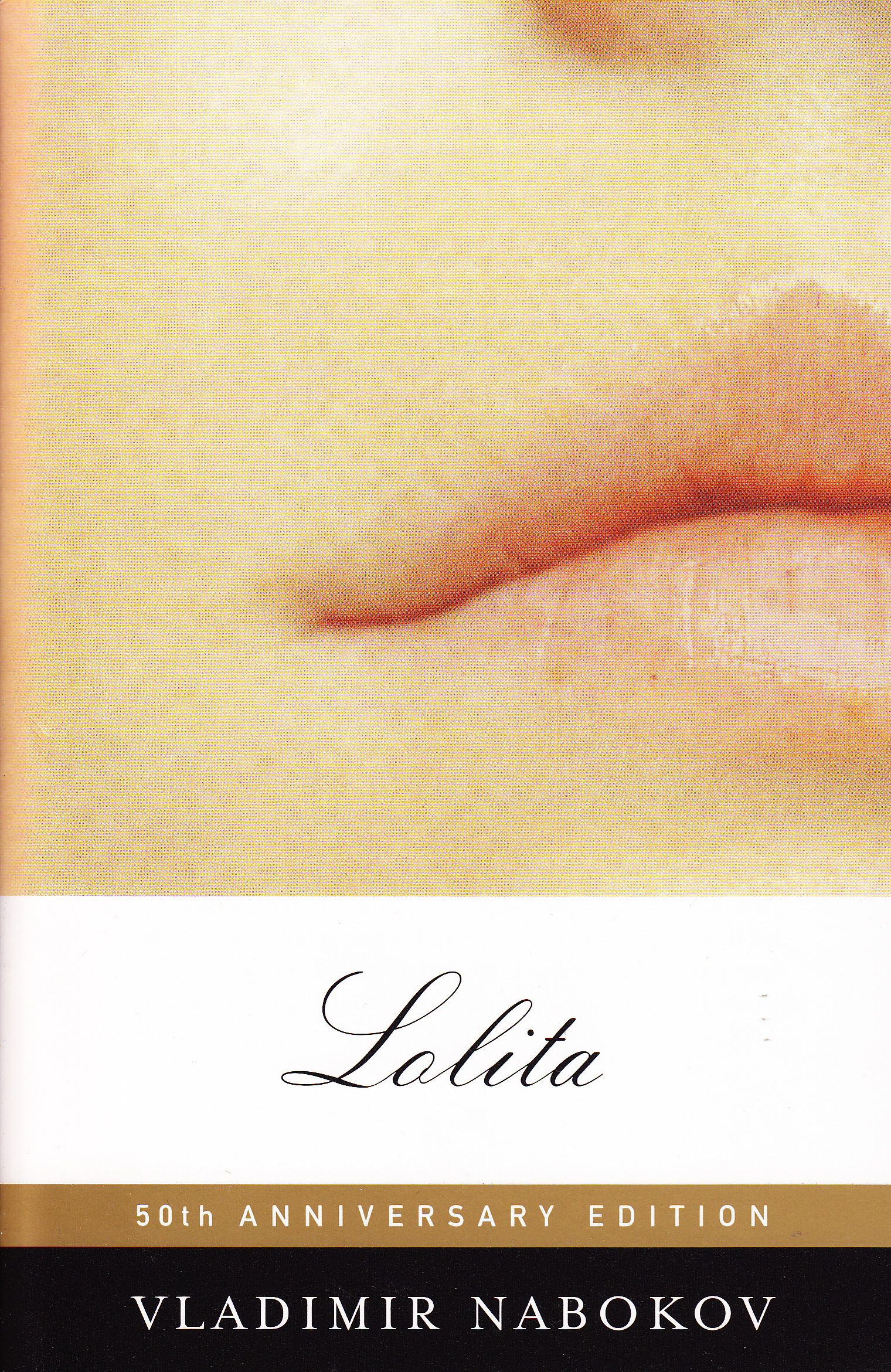
LolitaAs a father, Vladimir Nabokov’s Lolita is difficult to read. With Banned Book Week upon us, however, and with my wife suggesting I read Reading Lolita in Tehran, I figured I’d better read Lolita in New Jersey first. It’s not the kind of book you want to be seen reading on the bus. As is well known, the novel is written from the sympathetic point of view of a pedophile. It is distinctly creepy and yet also strangely sincere. Effacing the distinctions between love and lust and healthy and ill psyches, the story draws you into the life of a single-minded Humbert Humbert and his twelve-year-old obsession. I had been prepared for the end of the story, having seen Stanley Kubrick’s cinematic version some years ago, still, this tale distresses. Banned books take us to places we’d rather not be, and cause us to linger there. This is part of their secret appeal. These authors are honest enough to make us question assumptions. You have floated out of sight of land.

Lolita, through euphony, if not something more, reminds me of “Lola.” The Kink’s hit. I first heard “Lola” while I was in seminary, although it had been released a decade and a half earlier (I tend to run a little behind the times). When I listen to songs I pay attention to the lyrics, and I was disturbed to find that “Lola” was a catchy tune with a (to me, at the time) disturbing message. I confessed to a friend that I liked the song, but wasn’t sure that I should. We ban songs just as we ban books, because they bring us to a place where we question what we thought we knew. In my case, it often doesn’t take much. My friend Dave gave sage advice not to overthink the whole thing. If you like a song, you like a song. Let the music play on.

“You say you’re afraid for children,” Ellen Hopkins’s second stanza of “Manifesto” begins. (I confess to following a different scansion of the poem, call it poetic license.) I believe, however, our fear is for ourselves. We know that we could have a monster lurking inside. Lolita does not encourage pedophilia. Like many social crimes, pedophilia is the manifestation of an illness that some people, like sociopaths, unfortunately suffer. The lack of empathy for others is a frightening thing indeed. It makes for some of the scariest movies, and headlines, that I have ever seen. We do ourselves no favors, however, by pretending it doesn’t exist. I know little of the life of Nabokov, but I know that he died in Montreux. I know that he could afford to live there at least in part because of the royalties from Lolita, a novel whose manuscript he had once attempted to burn. And I know that in Montreux “some stupid with a flare gun,” well, you know the rest.


Acts of Apostles

“Manifesto,” the poem that launched Banned Book Week 2010, was written by banned author Ellen Hopkins. As a perspicacious undergraduate I know pointed out, each stanza of this poem addresses an aspect of that strange cultural fear known as Banned Book Week. Her line, “false
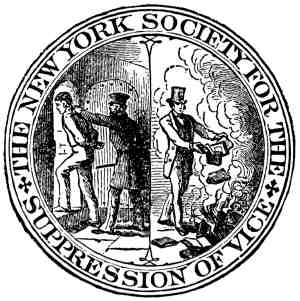
patriots who live in fear of discourse,” in stanza one makes me tremble each time. You see, it is easy to believe that censorship applies only to Nazis goose-stepping around bonfires with books flying through the air like a Steven Spielberg movie, or even, more recently, The Book Thief (the book is better than the movie), or godless Communists. That fear, however, travels both forward and backward in time. The Patriot Act has been at work effacing liberty for several years now, and people too fond of fear are unwilling to withdraw it. The world of frightening ideas in which we live, however, is nothing new. Literary artists bring us to uncomfortable places. That’s why we read them.

If we turn history’s pages back to the Nazis, we find ourselves sitting in judgment over their cowardly act of book burning. Those who never read of the phoenix are swift to recreate the myth. But we do history a disservice if we stop there. I was recently reminded that burning books has a biblical precedent. According to Acts 19.19, while Paul was performing miracles in Ephesus, those who were converted brought out their books of magic and burned them, to the approval of the nascent Christian movement. A Bible that advocates the burning of books is ironic, for the Bible itself has been banned in parts of the world. What greater crime against humanity can there be than the deliberate destruction of its own cultural heritage? We don’t believe in magic any more, but we still burn books.

NewYorkSocietyForTheSuppressionOfVice

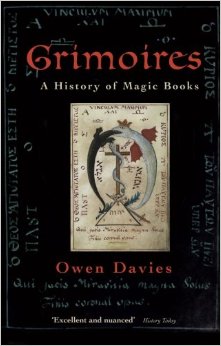
Owen Davies, in his book Grimoires, shows that the practice goes back even further, with Romans burning books of magic as early as 186 B.C.E. There is a perverse symbolism at work here. As someone who admires, but can’t afford, antique books, the thought of ancient documents intentionally destroyed appears as one of the most easily preventable of cultural crimes. Sometimes as I hurry through the Port Authority Bus Terminal to reach my gate, I see the military guards with machine guns and full combat fatigues and I hope that they don’t stop me to search my bag. The only thing I’m carrying is books. Books, however, convey ideas. Banned Book Week reminds us each year that ideas are essential to the life of the mind. They may be burned or banned, but they will live on. The cost, however, may never be fully recovered by the society that permits its ideas to be incinerated.


All Things Being Equal

Today the light and darkness are equal. The equinox is the great equalizer of the year, the day that reminds us summer’s ebullience is always, and ever will only be, temporary. From this day forth, for six months, night will dominate day. Religions the world over have offered responses to the increasing darkness. Autumnal festivals are among the most poignant as we can see the light diminishing, but we know nothing we can do will prevent it. Time alone cures this growing tenebrous atmosphere, until, as the solstice arrives, we dance, and sing, and drink, and burn candles to encourage the light to return. Return it does, on our universe’s ever rotating axis, bringing us around once again to when days lengthen and we turn our thoughts toward shallower things.

IMG_1177

The ember months, September, October (by association), November, December, each with an increasing sense of solemnity, invite us to read. Today begins Banned Book Week. I’ll be posting about banned books since, although my books deemed fit to print are so mundane as to offend no one, I stand in solidarity with any writer who has ever been told that her or his book is too violent, sexy, or depraved to be read. What thoughts are too dangerous to think? Religions will tell you, and so will pseudo-religions. Thoughts, however, are not so easily stopped. As an editor, I am a gatekeeper of sorts. Still, I know as an author that those I turn aside will persist. They will find their publishers. Their words will not be banned.

As an erstwhile writer I know that some of myself resides in each work clacked out on this keyboard. Those lucky enough to court editors with their efforts find the larger readerships. Some authors don’t even write their own books any more. Anyone can be imitated. The truly original, however, will always end up on someone’s banned book list. Our minds resist being challenged. We don’t want assumptions to be wrong. It’s too much work to have to think through all of this. It is easier to ban books than to have to try to comprehend them. As the darkness increases over the coming months, I will stockpile candles and light bulbs and huddle down next to a stack of books, secure in knowing that most of them have offended somebody along the way. And reading those books will only cause the light to grow.


Banned Magic

Grimoires“If you believe in the power of magic,” Eric Woolfson plaintively sang, “then I can change your mind.” A song that bewitched my younger years, when the atmosphere is just right, it can still bring a silent tear to my eye. Magic is a powerful elixir.

On my own personal almanac of holidays, Banned Book Week is one that takes the most preparation. In anticipation, for it is next week already, I read Owen Davies’ Grimoires: A History of Magic Books. Since this blog doesn’t get nearly the readership of a banned book, I might explain that witches are among my favorite topics. Despite that, and despite growing up with constant curiosity about religion, I only learned about grimoires recently. Davies makes it clear in his book that apart from some standard texts that have been around for a few centuries, the idea of a magic book is really relatively recent. Yes, the Egyptians and Mesopotamians had books of magic, but the concept of a grimoire only really fits the Zeitgeist of medieval Europe particularly well. Such books may draw on or cite oriental wisdom, frequently stepping into the forbidden territory of Arabic learning and alchemy, but they reflect the worldview of the Middle Ages when magic still seemed possible. In earlier centuries conjuring seems to have been subsumed under the miracles associated with Jesus, and we don’t hear much about magi beyond people like Simon Magus.

Davies packs a lot of information into his book, but my reason for focusing on it here, now, is the banned nature of grimoires. Many of them are considered rare and valuable books today, but in their day they were dangerous and forbidden. The concept that an idea can be suppressed is an odd one. In fact, many ideas have a very difficult time finding receptive minds. Once it is written down, however, an idea can circulate. The surest way to guarantee that it will is to ban it. People want to know what is so dangerous about this idea that it must be kept hidden. It makes an idea powerful, esoteric. Forbidden fruit, we all know if we’ll only be honest, is the sweetest.

Grimoires were considered most efficacious when written by hand. Although it took the printing press to proliferate such books, magic was believed to be most potent in the hand-written form. By writing text, one engages intimately with it. This is a reality we are in danger of losing in the computerized age. I grew up with only a second-hand typewriter acquired by my family when I was in high school. Most of what I wrote—for inspiration seldom comes when you’re sitting at your desk—was done by hand. My own little grimoires. Now we’ve added the interface of a keyboard. It is faster, and more efficient. Clinical even. But often the magic seems to be gone. And that is testified in many banned books. They especially, I would aver, believe in the power of magic.


Real Reading Rainbow

Libraries rule. According to recent studies libraries rate higher than religious institutions, according to public surveys, in their usefulness to society. From the lost library of Alexandria of yore to the local Carnegie, libraries have been the repositories of information almost from the beginning of civilization itself. Last week the American Library Association, according to an article forwarded to me by my wife, and the Banned Books Week planning committee, announced a theme for this year’s recognition of the books various groups (many of them religious) tell us we shouldn’t read. Banned Book Week, of course, falls in September. It might seem strange that planning has to go into this, but the banning of books has never ceased and the list grows year by year. I recently mentioned John Green, one of the authors who frequently appears on banned lists for children. In an age when encouragement to read should be running high, we hide behind platitudes to keep our eyes toward a predetermined prize. Among the reasons frequently given for banning a book: its religious outlook. I.e., the “wrong” one.

IMG_0324

I often wonder why we think sheltering children who are old enough to read from the collective knowledge of the human race does them any favors. Our culture so successfully removes us from nature that we don’t experience the “facts of life” that our ancestors no doubt noticed early and often. Violence, sex, drugs, and death, however, haven’t become any less common. They are only hidden until their knowledge hits with often catastrophic force, leading to neuroses about how unsafe our world really is. A function of story, if neurologists are to be believed, is to help us navigate the many trials we’ll encounter by seeing how others have done it before. I don’t doubt that there is age-appropriate material for children, but they understand a lot more than adults like to think they do. In my teaching days I was always amazed at how much undergraduates knew that I was only beginning to discover as a professor. Books seem a good way to introduce knowledge appropriately.

The internet, of course, gives access to unvetted knowledge to anyone with access to a computer or phone. Published books, it used to be, had the added value of passing through editorial hands on their way to public presentation. A funny thing happened on the way to the library. We’ve democratized the writing of books through self-publishing, but we’ve not yet ceased to ban them. Perhaps the real way to protect our children is to listen to them. We seem to think telling is better than hearing, although the flow of knowledge can go both ways. Instead of banning books for our young we might all benefit from opening of our own minds.


Grendel’s Gods

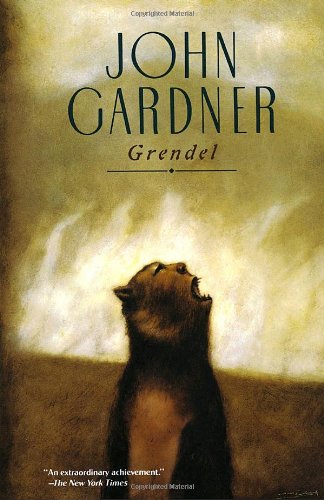
GrendelGardnerSometimes I think that if I had to do it all over again, I might’ve chosen Beowulf instead of the Bible. Let me define “it” here: if I had to pick a vocation that would lead to personal fulfillment and personal penury, that is. Beowulf is the earliest written story in English and, it’s a monster story. What’s not to like? In honor of Banned Book Week, I decided retroactively to read a banned title, John Gardner’s Grendel. An early parallel novel narrated from Grendel’s point of view, we are introduced to the introspective, existentialist monster who is really just wondering, like the rest of us, what the point of it all is. Not surprisingly, the protagonist often addresses the question of religion—indeed, it might even be at the heart of the story.

In chapter nine, Grendel sits in the darkness in the ring of wooden gods of the Danes when Ork, the great, blind priest stumbles in and believes the monster is the Destroyer god. As Grendel toys with his theology, the old priest understands this all as a revelation, and although Grendel gives him no answers, the words are taken as divine utterances. The other priests, finding their leader out on a winter’s night, insist that he has gone senile, that gods do not reveal themselves like that. The old man, however, is unshakeable in his faith. As in much of the novel, there is more going on here than meets the eye. The deluded priest believes a monster is his god.

The question of theodicy (literally, the judging, or justification of God) is never-ending for theists. The world is a problematic place (made so, I must note, by human consciousness) for the creation of an omnipotent deity who is good. Too much suffering, Grendel, too many failed expectations. Clergy and theologians have, for centuries, tried to frame a convincing answer to the dilemma. The tack they all studiously avoid is that God is a monster, although some posit that as a straw hypothesis quickly to be knocked down. Gardner, although not a theologian, was the son of a lay preacher and farmer. One suspects that elements of that childhood crawled out through the pond with Grendel. One of the truly tragic characters, a “son of Cain,” Grendel still has an immense power on the imagination. And that power, at times, might even appear godlike.


Ban Ban Go Away

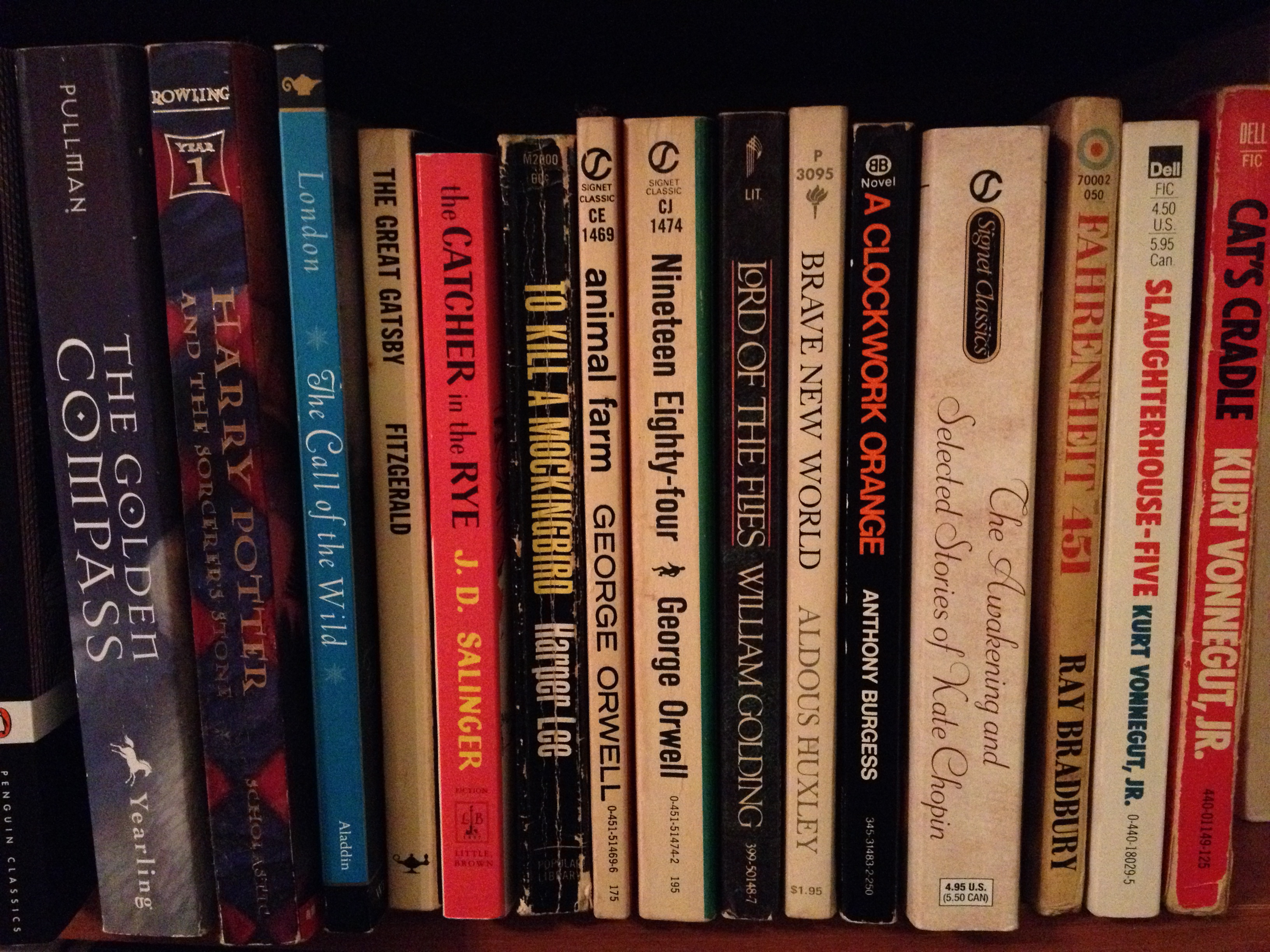
I always seem to discover banned book week in retrospect. With the insane amount of time put into getting to and from work, and actually working, my daily bus ride is my main vehicle (literally) for reading. For eating forbidden fruit. Historically speaking, the first literature was religious literature. Much of it, if anybody bothered to read it, would end up on banned book lists, I’m sure. The Bible is granted a special amnesty, given its reputation as a divinely penned parchment, but it too has its share of unseemly topics. Sex is there almost from the beginning. Violence too. We could go further, but sex and violence are usually sufficient to land a book on the list. And the choices are always so period specific. Catcher in the Rye seems downright tame in the new millennium (or, indeed, Kate Chopin’s The Awakening), and yet we still find new books to condemn. I wonder if such books aren’t forming a new kind of scripture.

There was a time when religion challenged social convention rather than championed it. Religions have been co-opted and domesticated by political interests. Can you imagine the man who overturned money-changers’ tables in the temple on the floor of the stock exchange? We have quantified everything, even—especially—human beings. That which can be quantified can be measured and that which can be measured can be sold. Religions, but only those upholding the status quo, grease those wheels nicely. If we had a chance to know religious founders personally, I suspect we would have found banned books in their libraries. Ideas can be dangerous things.

Despite my generally kind words on this blog, I do read books that I don’t like from time to time. I would never challenge the right of the author to express his or her ideas, nor the publishers (no matter how misguided I think them) for promoting them. I am not the one to quantify. Looking over the American Library Association’s list of banned and frequently challenged books, however, I realize that my fiction-reading hours would be slim indeed. We tend not to ban non-fiction, challenging though it may be. It is the imagination that offends. Such is the power of fiction. Last week was banned book week. Time to look over the list of latest condemned editions to find what to read this week. I am always looking for future scriptures.

The usual suspects...

The usual suspects…


Ban This

It should be a scarlet letter week. In honor of Banned Book Week, I’ve started to re-read Kurt Vonnegut’s Slaughterhouse-Five. Somehow I made it through high school and college without having been exposed to Vonnegut. A friend started me reading his works when I was about ready to start my Master’s degree, and I’ve always enjoyed coming back to him. When my daughter asked me why Slaughterhouse-Five had been placed on The List, I honestly couldn’t guess. Banning books, of course, is a scheme chiefly intended to keep children unexposed to ideas that adults find uncomfortable. We can’t go around telling other adults what not to think (although that hasn’t stopped many a religious tradition from trying), so some individuals figure that we can protect our unthinking young by putting in the corner literature that asks awkward questions. More radical conservative elements suggest destroying them. These are the true grapes of wrath.

Ideas can be wonderfully dangerous things. We now face a brave new world of internet access where ideas float lightly on the web and unless we watch our children constantly, we can’t control what they might see. Ideas as traditionally expressed in literature go through a tremendously long and convoluted birth process. We even use the language of conception to describe how they begin in one’s mind. Ideas implant, gestate, and grow. For the writer this might represent weeks, months, or years of writing, erasing, re-writing, and yes, parenting the idea. The written book has to meet the approval of publishers and only after yet another editing process are they pronounced fit to see the light of day as books. Having passed through many hands, many heads, such ideas become part of their culture. If we find them objectionable, well, isn’t that just part of life? Perhaps that is the largest message to be gleaned from the world of books: no one will be pleased with them all. Even the diary of a young girl will raise alarm.

Some of the finest literature to escape human minds has been challenged or banned. Ironically, in the land of the free and the home of the brave fear of books runs at a fever pitch seldom encountered elsewhere. Afraid of mice and men. What has made this country such a wonderful experiment—the embracing of diversity—has somehow morphed into a neighborhood where nobody feels safe if there are objectionable words on the bookshelf. Ironically Ray Bradbury’s critique of banning books, Fahrenheit 451, is itself a banned book. What most proponents of stopping literature probably don’t realize is that according to OCLC, the source for library data, the most banned book of all time is the Bible. To be honest, those who’ve read it know that it has sex and violence and many other adult situations. In the original languages there are even “swears.” Maybe it’s time people just grew up. The best way to accomplish that is to read a book. Hey, it’s a jungle out there.


Banned Bible?

Florian b.'s 2005 image

Florian b.'s 2005 image

It’s Banned Book Week again. Each year the American Library Association promotes free thought by raising awareness of books that have been, or currently are, banned. Having just exited ABE books’ Weird Book Room (among the currently featured: Paint it Black: A Guide to Gothic Homemaking, The Bible Cure for Irritable Bowel Syndrome, and Is Your Dog Gay?), it is easy to see how the morally squeamish might wish that some books had never been written, but being a firm believer in personal expression, I give them a rousing cheer. Odd ideas are also among the Lego blocks that build our world.

I also ponder the texts with which I have spent so much time, and wonder what the ancient censors would have done with the great classics of antiquity. History’s first great novel, the Epic of Gilgamesh, would certainly have been on their crushed clay list. On only the second tablet we read, “Enkidu sits before the harlot. The two of them make love together… For six days and seven nights Enkidu came forth, mating with the lass. Then the harlot opened her mouth, saying to Enkidu: ‘As I look at thee, Enkidu, thou are become like a god” (Speiser’s rather tame translation). A sex scene with the first woman Enkidu ever met? We can’t have our kids reading that! Where do you put the V-chip in this tablet?

Perhaps the people of ancient Ugarit would have fared better? Their epic tale, the story of the trials and ultimate triumph of Baal, includes his unfortunate defeat at the hands of death. Baal is ordered to the underworld. “Mighty Baal obeyed. He loved a heifer in the pasture, a cow in the steppes of death’s shores, seventy-seven times he laid with her, she let him mount eighty-eight times.” Whoops! Hope the kids weren’t reading that. Surely this is some kind of sacred marriage ritual with Anat and not a cow? Good thing we never figured out where KTU 1.10 fits into the cycle! There’s another one for the rock crusher.

It’s a good thing the Egyptians were more civilized. Their culture would never allow for such liberal, naughty writing, would it? Well, maybe if we ignore the Memphite Theology. Not for the shy, here we are told how Ptah brought the Ennead into being using just his fingers.

I started reading the Bible as a child. To my surprise, it would not have gotten away with a G rating either. It seems to me that books deal with the greatest complexities human beings face. Sacred books as well as secular delve into the darker grottoes of the mind, and here the Bible is clearly among them. If we had systematically destroyed all written work that had offended others throughout history, we wouldn’t even have the Good Book left to argue about.