
Halloween seems especially portentous this year. Some of us thrive in this introduction to what was a major set of Christian holidays that encompassed many pagan traditions. The lynchpin was All Saints Day (All Hallows), which in good Christian fashion upheld its favorite sons (and a few daughters) to remind the rest of us what a sorry lot of humanity we are. Followed by the more democratic All Souls Day where the vestments went from white to black, it was preceded by Halloween. Through mostly Celtic additions from Samhain, the first of the three days became decidedly spooky and came to be a commercial holiday. There’s more to it than that, of course, but we all know Halloween.
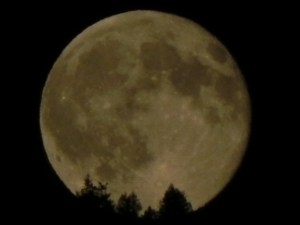
This year a number of other phenomena are converging on today. Not only is it a full moon, but a famed blue moon—the second full moon this month. It feel like something could happen. And if that weren’t exciting enough the powers that be have decided to end Daylight Saving Time tonight (well, technically tomorrow morning). And Tuesday is the most importation election day in the history of our nation, when we decide whether to retain democracy or become a monarchy. Seems like a strange confluence of phenomena. Meanwhile, outdoors a pandemic rages and some locations have had early snowfalls. The last of what had been Hurricane Zeta blew through here yesterday. Who needs Halloween to be scared?
For some years I’ve been contemplating the spirituality of Halloween. We live in a death-denying culture while knowing full well we all die. Halloween has become a holiday when we can think about it openly. Pretend we’re someone/something we’re not. Perhaps, if we’re lucky, we might learn something from it. It has become a boon for horror films, but they’ve been successfully spread through the rest of the year as well. There’s plenty to be frightened of in July and January too. Still, there’s something about Halloween. Some of my earliest memories are of this particular holiday. Poor as we were, we always had costumes for the day. I remember sitting on the school bus, wearing a mask, thinking that nobody knew who I was, and I could really be the hero or villain that my costume suggested that year. Now we wear masks all the time and we’re frightened every day. Halloween is coming along with a blue moon this year. There must be some significance to that.
 Steve A. Wiggins