
“Collectible ebook” is a phrase you never hear. That’s because such a thing doesn’t exist. Even though I work in the publishing industry, I’m not really a fan of ebooks. I don’t write my books anticipating pointing to some screen and crowing, “I wrote that!” No, books exist as entities and there’s a kind of contempt associated with making them disposable by creating them out of ephemera. I’m not wealthy enough to be a serious book collector, but when I buy used books I notice the rare category of “collectible” with some envy. This is a book that has been treasured. You see, I know that when I die I’ll leave little behind apart from my books. If they were ebooks they’d be worthless. You can’t sell them or trade them in. Or even put them into a little free library.
Sometimes buying electrons seems to be more convenient than the alternative. For example, we’ve pretty much run out of space for DVDs and Amazon seems unlikely to fold soon (like UltraViolet did), so subscribing to a streaming for a movie seems safe enough. Yes, you can resell DVDs, but often for a pittance and you gain by opening more space. The space books take up demonstrates their importance. We bought our house with an eye toward book space, and even though we don’t have many books that would be considered “collectible,” we do have many that are interesting. Unusual. They have been conversation-starters when we’ve had the curious over. (I always look at other people’s books when invited to someone’s place, if they’re publicly displayed. It’s how people get to know each other. I’ve never looked at anyone’s ebooks.)
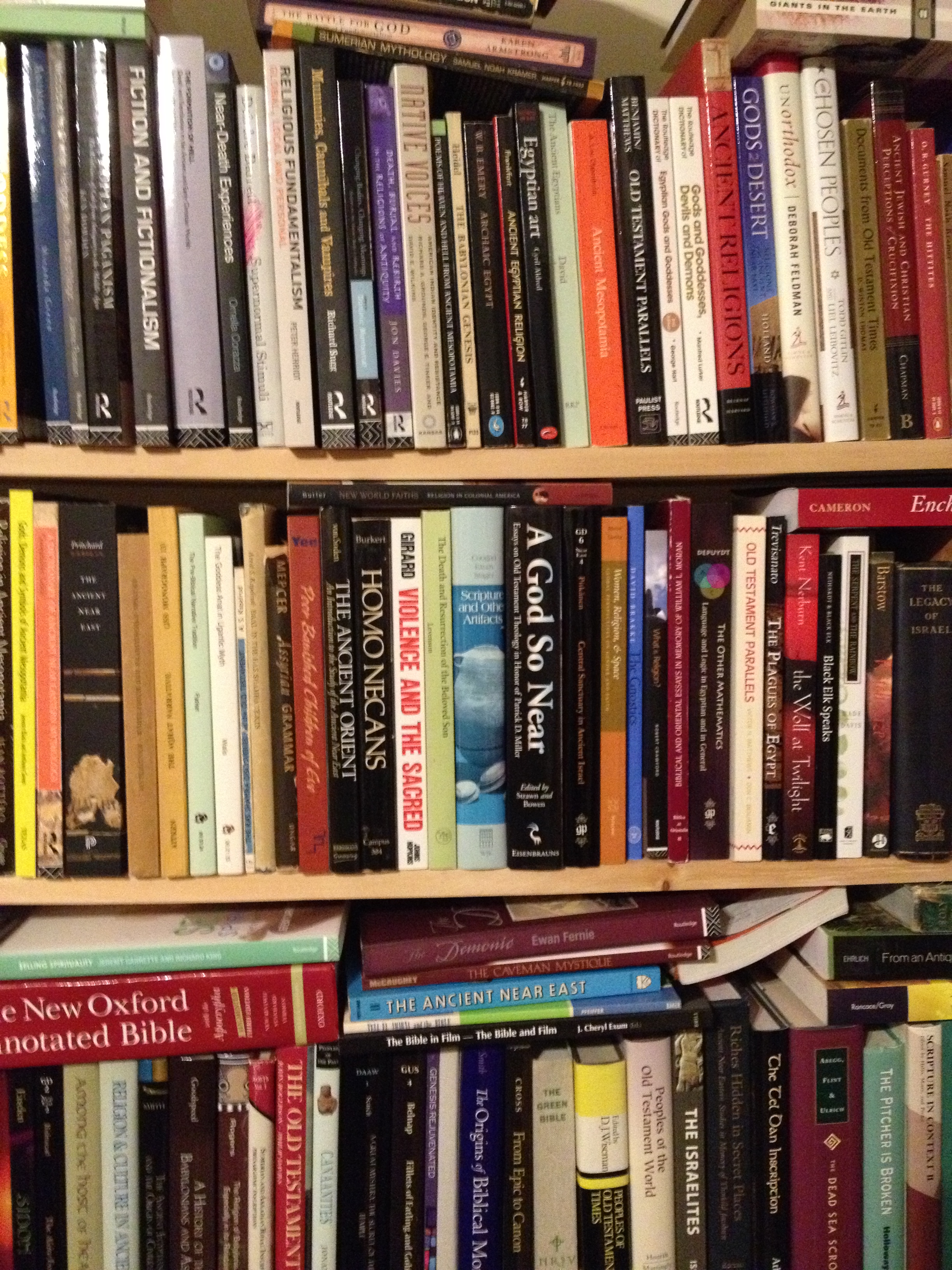
Books are a cultural object. The big tech companies have been trying to drive traffic to ebooks for years. The pandemic gave them a leg up, but book sales—print book sales—also increased. You can watch only so much Netflix, I guess. I have yet to find a study that shows something read on a screen stays longer, or receives deeper engagement than something in print does. To be sure, electronic reading has its place, but its place isn’t to replace actual books. I guess I’m suspicious of the electronic revolution. It feels fragile and tenuous to me. If the power goes out we’re left without our gadgets and their contents. You can still light a candle, however, and read an actual book. And if bought and treated wisely, you may even find something collectable on your hands.

 Steve A. Wiggins