
My hopeless naivety must show through on this blog from time to time. I mean, I once walked into a Fossil store expecting to find impressions of dead animals instead of trendy accessories. Maybe it is because I grew up in a small town, without cable, with a regular regimen of church attendance and associated activities. Being working class often means taking things at face value. You learn pretty quickly that you don’t have much control over the things around you—someone else signs the checks, and if you don’t do what they say, the checks don’t get signed. I grew up in a refinery town doing lots of dirty jobs. “Excuse me sir, but do you have any trilobites?” There’s one born every minute. Well, more frequently than that, actually.
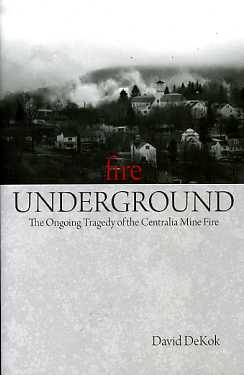
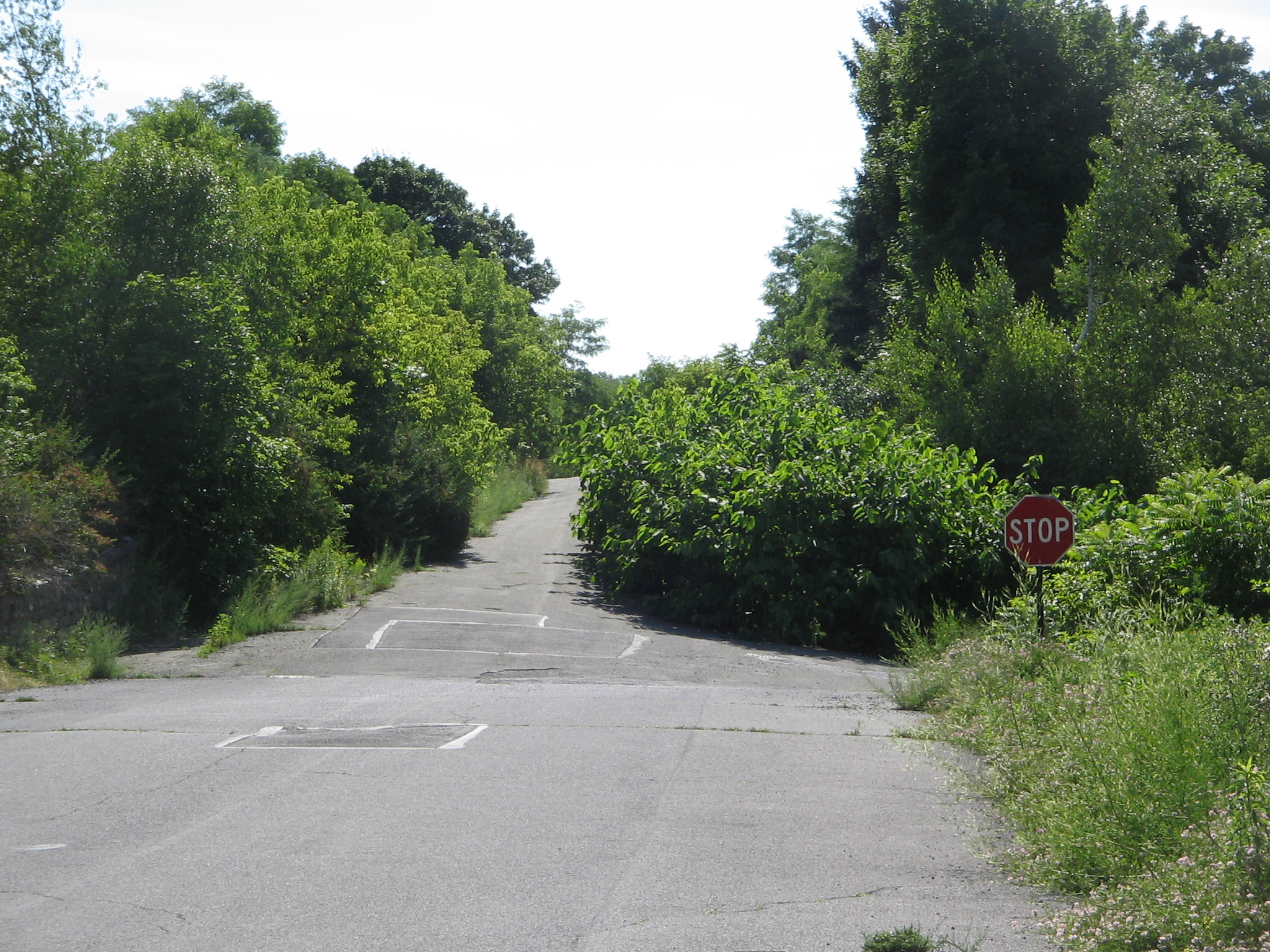
Thus it was with a certain wonder that I first learned about another small, Pennsylvania town with an unearthly problem. David DeKok’s Fire Underground: The Ongoing Tragedy of the Centralia Mine Fire is an unsensationalized ride through the reality of bureaucratic lack of heart and the weighing of peoples’ lives in the scales of cost effectiveness. The Centralia mine fire began the year I was born (1962). It still burns today and has enough fuel, some reports suggest, to last for a thousand years. This is a hellish millennium. Accounts of elderly citizens awaking in the middle of the night with carbon monoxide clouds in their basements, ground temperatures hot enough to melt blacktop, bore-hole readings of over 800 degrees. Under what’s left of the town of Centralia, the heart of the fire is hotter than the surface of the planet Mercury. What DeKok provides is a step-by-step analysis of political side-stepping. Realizing how expensive it had become to fight this fire underground, state officials were repeatedly caught with their skirts over their heads, claiming that they were wearing full-body armor underneath. During the height of the crisis, in the Reagan and Thornburg years, cutbacks in vital services left the working people of this town in an impossible predicament. Those in positions of power would not even change their vacation plans to try to save a thousand lives. When the smoke clears, after a millennium, if there’s anyone left to write histories, we will see where unchecked greed and ambition lead. It is the only hope we have. The book reads like porn for bureaucrats.
In my hometown we worried about refinery fires when I was growing up. As a child I saw such a fire from a distance; it looked like an entire hillside (a mountain in my naive eyes) was aflame. My brothers and I went outside to gather ashes as large as dinner plates that were floating through the sky, falling like demonic snow. (We doubtless would have kept them, alongside our fossils, had my mother not sensibly put down her foot.) Later, when we drove out that way, we saw the great steel vats that held 260,000 gallons of petroleum products bent and folded over like the hem of God’s great robe in the temple. Over forty years later the image is still vivid in my mind. Those who’ve lived with fire know the danger better than plutocratic oligarchs who view human lives in terms of the bottom line. One truth of physics may come to our aid, eventually; heat does rise. Whether it will ever reach the level of those in power, however, will only be answered when I find that trilobite I’m seeking amid the expensive watches and wallets of the Fossil crowd. I’ll find one too, before the Centralia mine fire burns itself out.

 Steve A. Wiggins