Not What It Seems

Now for the local news.  The ironic thing is I know very few people locally and even though folks are friendly around here nobody really wants to get to know you, it seems.  But that’s not unique to this area and it’s off point.  No, locally some months ago The Satanic Temple (which I’ve written about before) tried to start an after school club in an eastern Pennsylvania school in response to an explicitly Christian after-school club receiving sponsorship.  Of course it caused local furor.  That’s what the Satanic Temple intends to do.  The members do not believe in, let alone worship, Satan.  They exist to try to counter Christian hegemony, often in the form of courthouse lawn Christian imagery, or, as in this case, biased treatment to Christian groups wanting to use public property, such as school facilities, to promote their religion.

The reason I’m bringing this up is to show how the Christian agenda raises your taxes.  According to the ACLU, this school district, after challenged in court, has agreed to pay $200,000 and it must allow the Satanic Temple to meet if it allows Christian groups to meet.  That hefty chunk of change (enough to buy a house in this area) has to come from taxpayers because the school board (until a recent election) was controlled by a right-wing group that played the Christian narrative and apparently supposed the Satanic Temple was really a Satan-worshipping group.  It’s not.  The Satanic Temple is a national organization whose goal is to maintain freedom from religion in government and publicly funded spheres.  “Satanic” causes shock and panic and the sheep scatter.  And local citizens foot the bill.

Although I understand what they’re doing, I really don’t like to see my taxpayer dollars having to be spent to coddle the egos of groups who spread the narrative that Christianity is the only religion allowed in America.  In fact, one of the truly fascinating things about this country is the wide varieties of religions that exist in it.  Although the melting pot metaphor has fallen on hard times lately, I’ve always felt this was one of America’s biggest charms.  We’re a Frankenstein’s monster of a nation that’s just like the creature—not really a monster, but not like anything else you’ve seen.  Cookie-cutter populations seem to lead to wars and hatred.  Celebrating difference, indeed, encouraging it, leads to peace and shared prosperity, if we’ll let it.  It’s only when we want to keep all the good stuff for ourselves that things begin to break down.  And your local taxes go up because a faulty narrative is on the agenda.

Fearful Christianity

So some North Carolina Republicans want to declare themselves a state religion. I wonder which one it will be? Hmmm, let me think… Whatever that religion will be it will be one that is afraid. Only religions that are uncomfortable with challenges have to back themselves with militaristic force. Seems to me some North Carolina politicians have never read a book on Medieval history. Ironically, the religion they wish to select was probably itself the result of the Reformation, the original challenge to state religion in the history of Christianity. It is also clear that these misguided lawmakers have not fully acquainted themselves with the vast diversity of forms of Christianity. The Christianity they want is televangelist, conservative, Protestant Christianity. Even that, however, is no longer a uniform religion. Why would there be more than one channel?

Those who spend long hours gazing at religion, both from inside and outside, realize that religious belief is not, cannot be, a static entity. Should a genuine apostle walk into an evangelistic Christian service today, chances are great that said apostle would leave wondering what religion this was. According to the Bible itself (ironically, taken only partially seriously by those who promote it) the first Christians were communists. Those who refused to sell everything and give it to the common good were struck dead, or so the book of Acts tells us. My guess is that free market economics has trumped the Holy Spirit here. What legislators really, really want is a religion to back up their secular plans.

Which Christianity would they choose? Who would be welcome in New North Carolina? Mormons? Mennonites? Methodists? Catholics? Well, at least Catholics vote the right way on key issues. Or some of them do. What we are talking about is actual state support of religious ideology. In a country where some of the finest state universities do not even have departments of religious studies, the University of North Carolina, Chapel Hill, has one of the finest in the country. And not all the faculty fill North Carolina’s preferred demographic.

IMG_0019

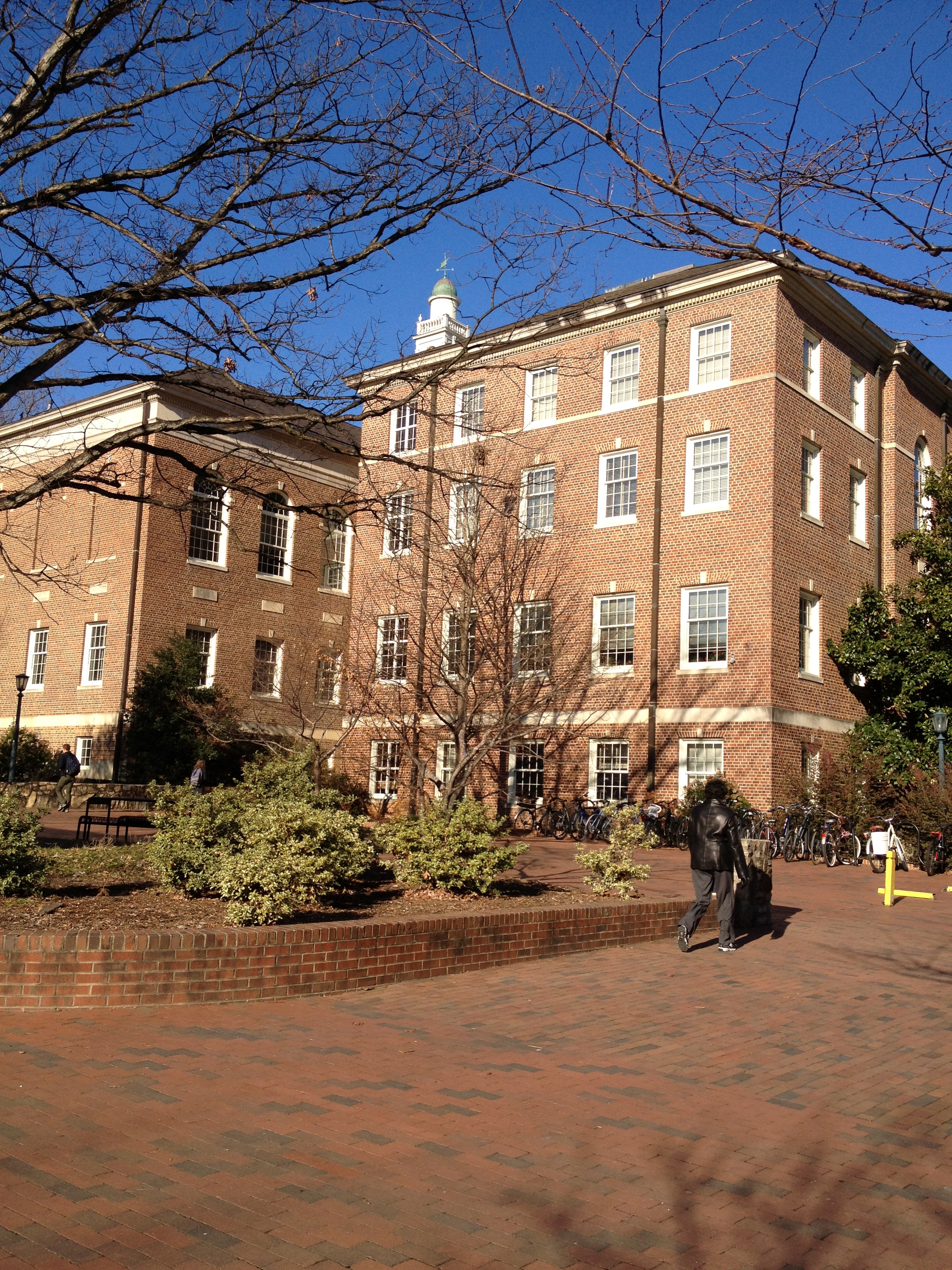
Religions do not take such rear-guard actions unless they are afraid. What does Christianity fear? It depends on which Christianity you mean. Studies have shown that over 41,000 Christian denominations exist. Think about that a minute. If one flavor-of-the-month Christianity becomes official state religion, what becomes of the other 40,999? I’m no math whiz, but it just doesn’t add up. Seems to me that before states start declaring their religions publicly funded, legislators should go back to school. They should be required to take Religion 101. Might I suggest they enroll at UNC Chapel Hill?


Faith and Freedom

Schadenfreude is not my usual response to the downfall of a religious leader—with perhaps the exception of televangelists. After all, religious leaders are only human. Occasionally one crosses a very serious line, as the news about Nechemya Weberman, a Hasidic counselor who was found guilty of molesting a girl under his profession care, reveals. The sad part of this situation, apart from the tragic consequences for his victim, which are very serious in their own right, is that the Satmar Hasidic community insisted that it should have had the right to do its trial in secret. Sects that take their cue from the Bible are seldom fair to women. The Bible, after all, is not a very female-friendly tome, no matter how much feminists may try to rescue it from its androcentric world. Religions based heavily on the Bible feel they have the right to judge by their own standards—something a secular court can’t understand. It is back to the paradigm of the two swords here.

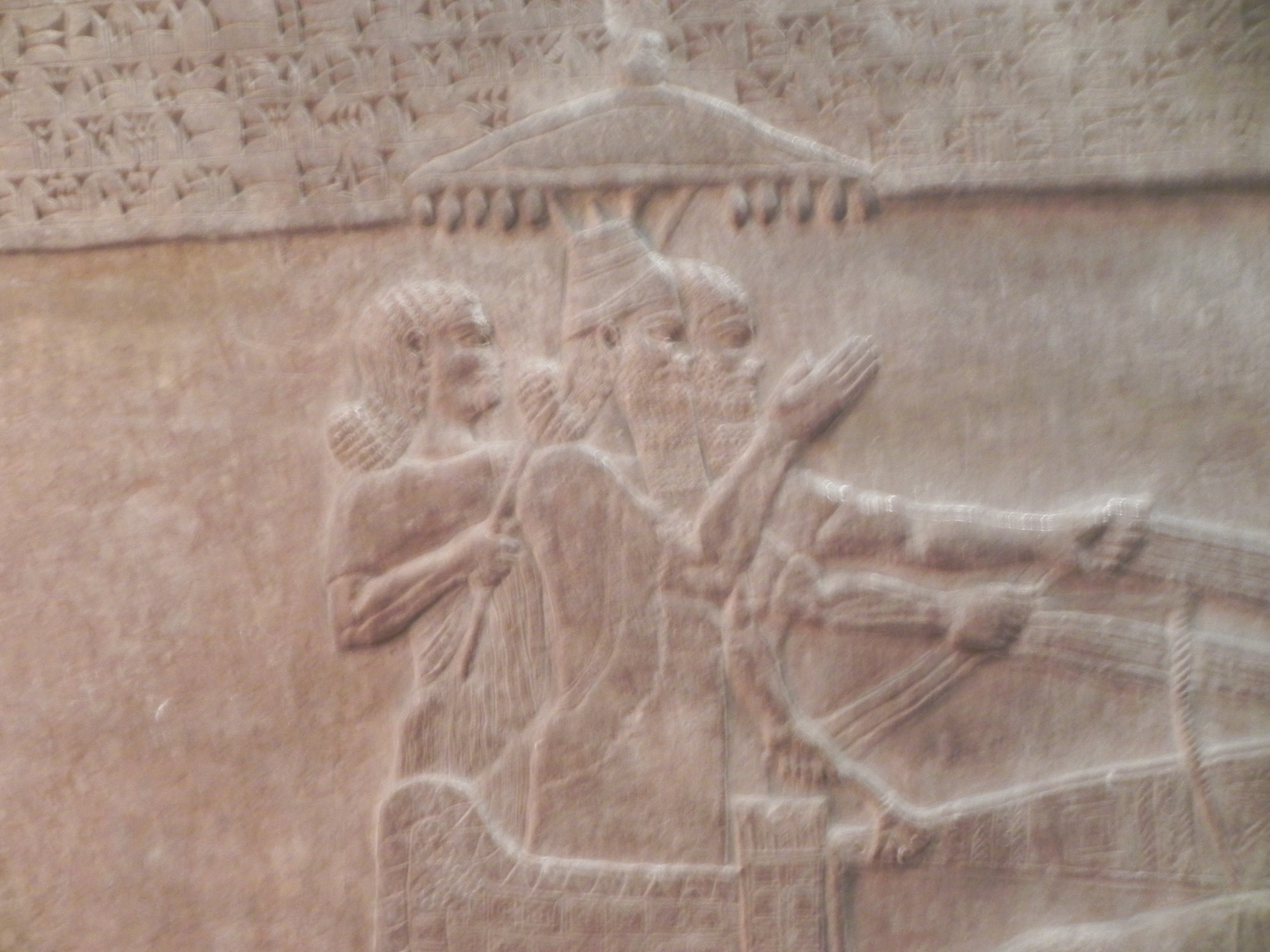
What are we to make of the civil crime that violates no religious laws for any one sect? What is wrong in one book is all right, or at least forgivable in the other. For a secular crime committed in a closed religious community in a country of religious freedom, who is to decide? These questions are decidedly more than rhetorical. Any religion that says women are here to serve men—and there are a disturbingly large number of such religions—can claim that God trumps gent d’armes every time. What’s more, they believe the decree is eternal and they are violating the divine will if they don’t keep to it. This situation is nothing new; at least as early as Tiglath-Pileser III, and probably earlier, ancient religions sometimes had to compromise under the hegemony of a higher power. But they were only biding their time until the political situation would grant their autonomy once more.

DSCN1828

It is simplistic to suggest that the two swords represent the two hemispheres of the brain, but we do have a rational versus emotive issue here. Rationally, would an unseen force endowed with a human personality demand the unfair treatment of some people simply because of an unexplained favoritism? It does not seem likely. But religions are seldom logical. “Credo quia absurdum,” Tertullian is remembered as sighing—“I believe because it is absurd.” Theologically profound? Certainly. Helpful in society? Not so much. Freedom of religion is a classic ouroboros, a serpent biting its own tail. Religions are free to declare their own beliefs, but their own beliefs may challenge the very authorities who grant them that privilege. Secular authority may have the ability to put to death, but resurrection is the prerogative of religion.


Educating Religion

The delicate dance engaged in by “church and state,” despite its apparent grace, includes many awkward stumbles and gaffs. Nowhere is this more apparent than in higher education at state-sponsored schools. I teach in two large state universities and the spring semester is winding to its accustomed close in both. The religious calendar of Judaism and Christianity, however, is just winding up. Based on a lunar calculation, the date of Passover is a moveable feast that takes Easter along with it. A late holiday season complicates the end of the semester when many students are held captive by religious leaders insisting that they cannot attend class during this most sacred of seasons. I’ve had many students missing class this week with final exams just around the corner. The students are, however, the innocent victims.

Religions are generally famous for unwillingness to compromise. I have both Jewish and Christian students who attend class despite the holidays while others find the requirements of enforced celebration more pressing. I do not pretend to have an equitable answer for this dilemma, I simply feel myself being squeezed between two colossal forces: the demands of the academy and the requirements of the faiths. Even state universities recognize the liberty of conscience and regulate excused absences for religious holidays. The information missed, however, cannot be easily acquired so close to the end of term.

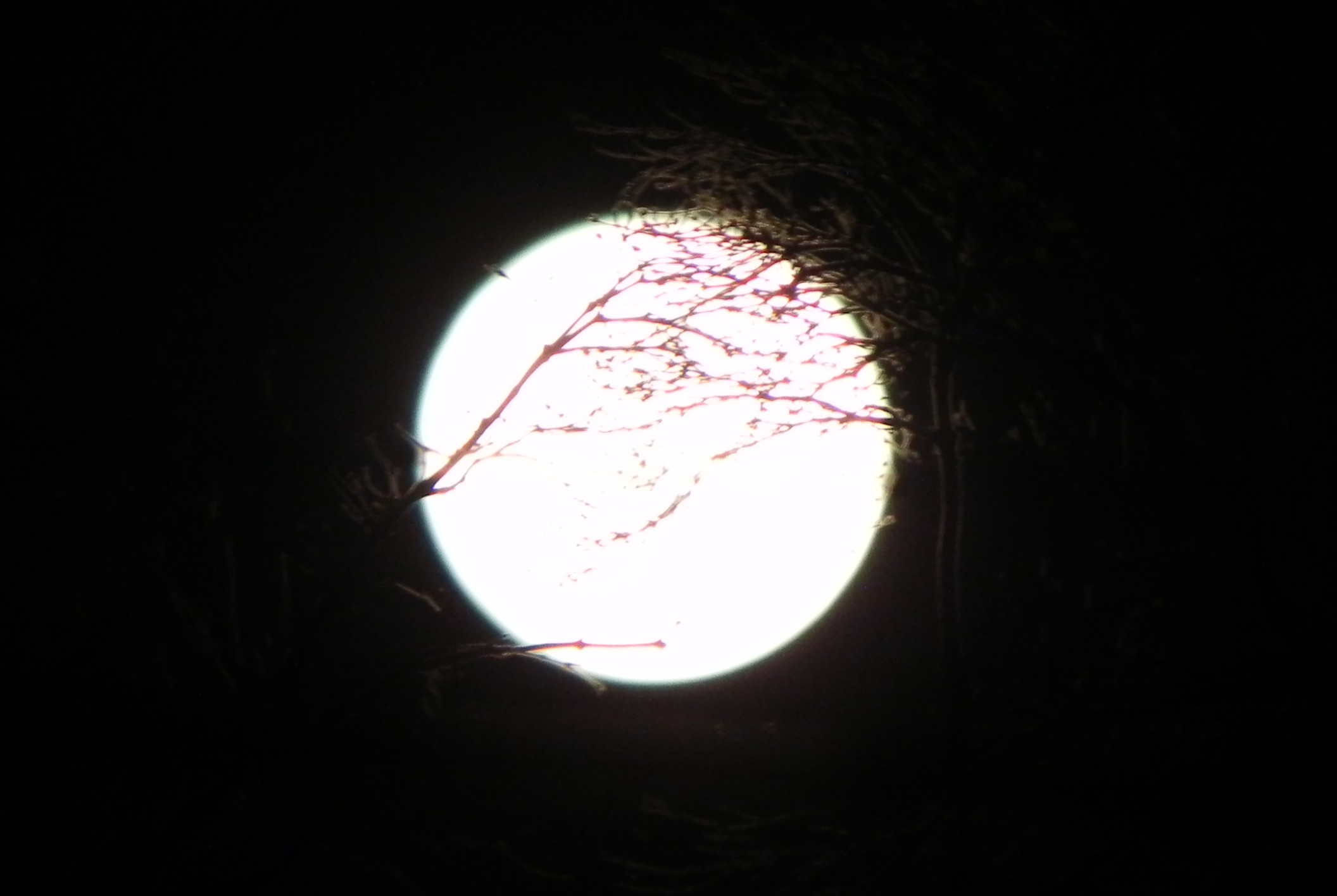
This jumble of conflicting demands is particularly evident in a Religion Department. Teaching a subject that many – including not a few deans – assume is How to be Religious 101, a lowly instructor is beset with the weight of ecclesiastical and rabbinic decree while trying to educate the young about their own backgrounds. And if grades are not stellar due to missed lectures, it is the teacher who must be blamed. No great wonder, I suppose. We see shifting blame as a repeating pattern among our political and business leaders as well. It is always somebody else’s fault. Oblivious, “church and state” continue their waltz and gather their funds while a few toes get stepped on as the first full moon after the vernal equinox exerts its firm pull on all believers.

In the light of darkness