Spare Change

The vernal equinox snuck up on me this year, and I learned that it can also be what those in medieval Europe used to call a “dismal day.” The sun was out and the temperature was unseasonably warm, but beginning with breakfast and all the way until bed-time, things just didn’t go according to plan. My mother had been admitted to the hospital, and I live some 600 miles away. When I called to see how she was doing, I spoke with a bureaucratic nurse who could neither “confirm or deny” that she was even there. I wasn’t aware that my mother had connections with the military, government, or covert operations. When I said I was just looking for my mother I got read the riot act including—this is the truth—having the Hippocratic Oath cited at me. I think, in all honesty, it might be spelled Hypocritic. Don’t get me wrong—I think it is important to protect people’s rights, and I sure the duty sergeant—excuse me, nurse, was only worried about lawyers and lawsuits. We have constructed a country so insidious that a boy can’t talk to his own mother. Eventually she put my call through to the patient’s ward where one of the patients answered the phone and went to find my mother for me. We call it civilization.

I’m not the most technical of guys. Think about it—I majored in very dead languages. When my wife surprised me with an iPhone for Christmas, my brother-in-law kindly agreed to get in on the surprise and took care of the details. We went into the Verizon store after the holiday and switched the phone (with the phone number I’ve had for years) into my name. Nearly four months later, when I tried to change some plan details, both he and I had to call Verizon several times to get the mess straightened out. One of the communications giants seems to have made itself so technical that it can no longer understand a simple request. When the Verizon representative asked if I understood the user agreement I said yes. Have you ever read one? No one without a law degree could possibly understand. Even Moses didn’t have a cell phone. I had to spend an entire evening getting my own phone back under my own name. Our society has taken what should have been a two-minute phone-call and made a mini-series of it.

So, is it because the vernal equinox is so early this year that my world went haywire for a day? We live in a society where it is nearly impossible to prove you are who you say you are. And children are not allowed to speak to their own mother. Lawyers have taken the law meant to shield us and made a bludgeon of it. Communications experts obfuscate. It may seem random, but these two phenomena have the very same evil as their root. They are twin trunks springing from greed. The nurse can’t put me through because a lawyer may sue. My phone number can be reassigned to my name, with added costs, approved by lawyers that only corporate giants can afford. Human need has been reduced to terms of cash. The trees are budding. The air is warmer. Flowers are in bloom. But it certainly doesn’t feel like spring to me. That chill you feel is cold, hard cash. We are all just spare change.
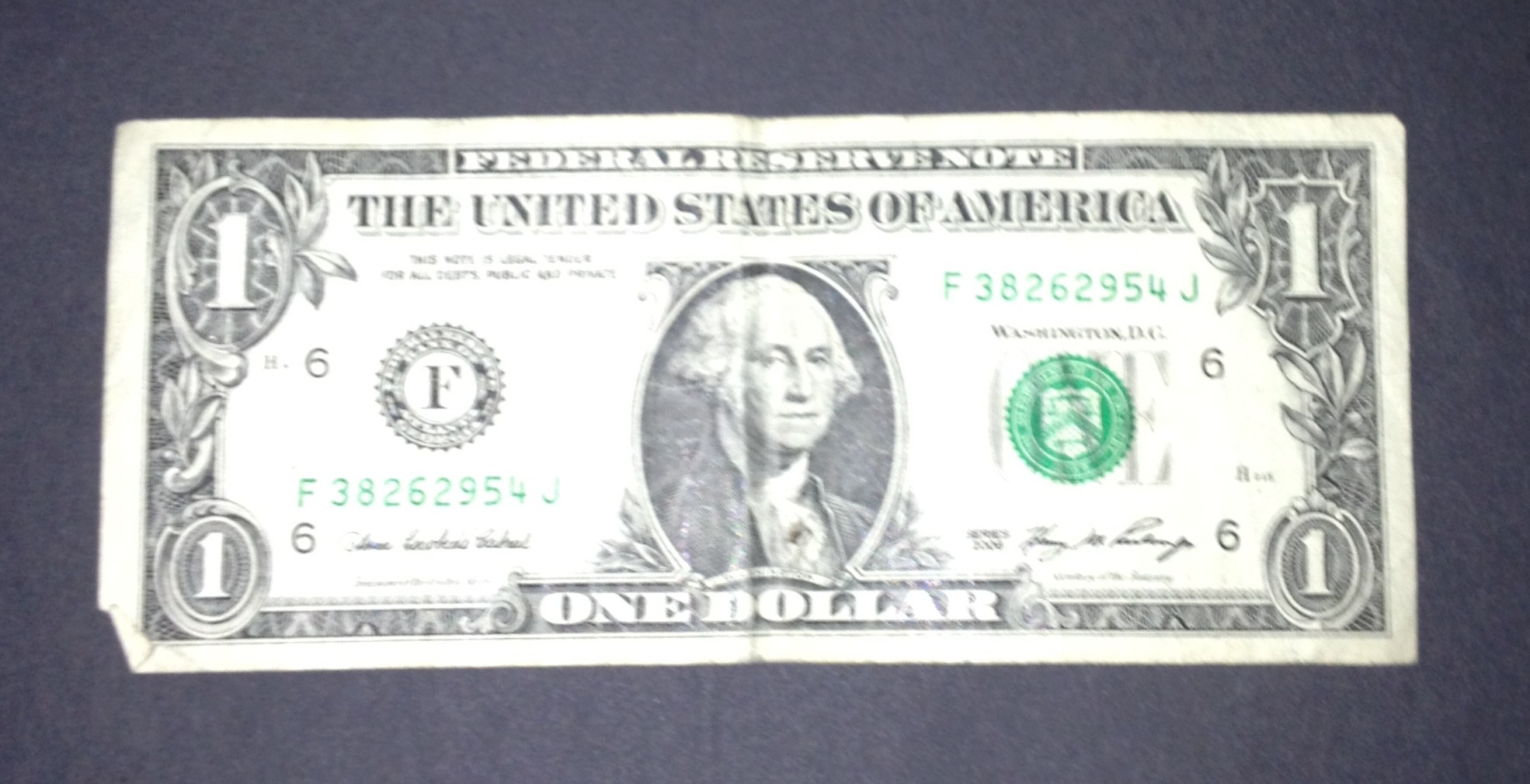
The weight of a human soul, legally.

Natural Born Killers

Every year I spend some time at the local 4-H fair. I grew up not knowing about 4-H, and the discovery of the organization as an adult has been an education for me. The local university extension that supports 4-H is Rutgers, although on campus you never hear about this rural aspect of the sophisticated world of academia. My daughter has been a member of the cat club for years, and although not a member myself, they are cordial and always offer me a chair (something no university has ever done) to spend a few hours in the shade while the kids showcase their skills and knowledge. Young potential is one of the few sources of optimism I find in a culture obsessed with selfish gain. My daughter’s cat club shares a tent with the alpacas, the epitome of herbivorous tranquility. With wool so soft as to be unbelievable, the alpacas with their long, graceful necks and huge brown eyes, look to be the least offensive creatures at the fair (except maybe the bunnies).

People in crowds, however, often shift dynamics and stress systems that would otherwise find their own balance. While many of the thousands of visitors at the 4-H fair are respectful of the animals, many others seem unaware that loud voices and running children and constant noise can stress even docile animals kept in small enclosures. Kids will find a cat in its cage and bark at it to get a reaction, and we all know the glass-tapping behavior that drives the reptiles wild. The fair has been part of my life for three years now and I’ve never noticed a stressed alpaca. They seem above it all. Yesterday, however, one stressed animal took on a surprisingly human behavior and began to bully a smaller alpaca in its pen. Apart from the caricatured spitting, the larger animal began licking and biting the smaller one, snaking its long neck after the smaller camelid’s head, biting its ears, and generally making its life miserable. The aggression lasted only a few minutes, but it felt to me like the tension of seeing bullies rough up a kid on the playground. The fairgoers felt uncomfortable, with some even wagging their fingers at the larger, aggressive animal.

Club members eventually stepped in to separate the fighting alpacas, and the poor, smaller animal kept trembling for several minutes after the attack. No blood was let; the assault was mostly psychological. I went out to get a snack at the food tent. When I returned I was relieved to see the smaller animal had been removed from the pen, given some space. Later I learned the young animal had died from the stress of the attack. I had seen the incident, and the violence had mostly been of an unrelenting display of dominance with a minimal physical attack. The aura of threat had created the stress. Saddened, I realized that a parable had unfolded before my naïve eyes that afternoon. Like all parables, only those with perceptive eyes may be able to see through the drama and get to the heart of the matter. If only people were as perceptive as even the innocent herbivores, perhaps such parables could finally come to an end. In the meantime, maybe I’ll watch the bunnies and forget what I read in Watership Down.

Just look the other way...


Bigger than Manhattan

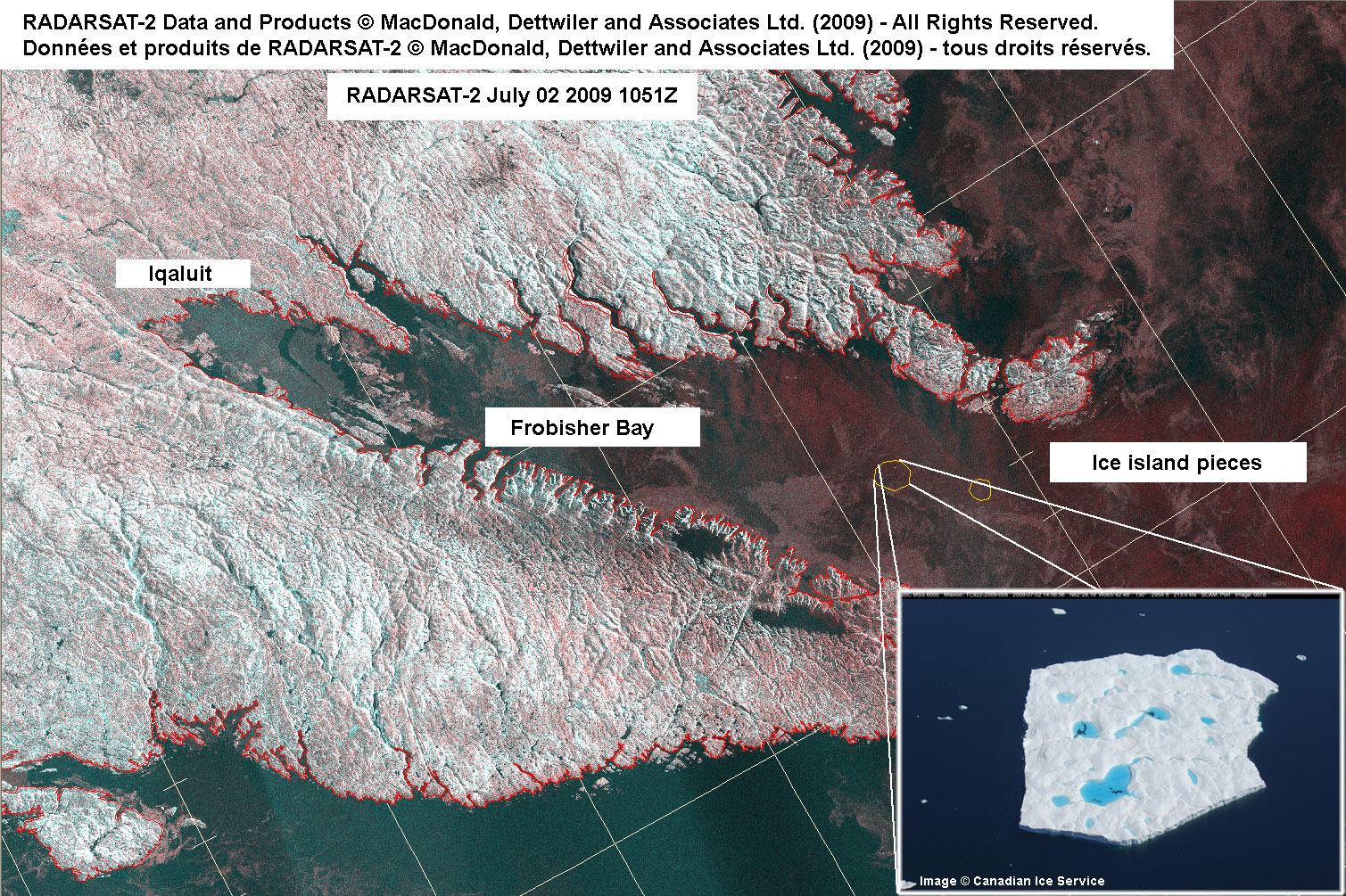
Walking inside with the newspaper this morning, I would have wagered that the word “biblical” would appear on the front page. This would have been a fairly safe bet since the headline of the New Jersey Star-Ledger reads, “Fire, Flood and Now a Massive Iceberg.” The reference is to the Petermann Glacier iceberg from Greenland that will likely threaten human maritime activities in the North Atlantic for some years to come. The massive iceberg, “four Manhattans” in size, is expected to drift down along the Canadian coast, causing potential problems for off-shore oil wells and shipping traffic. Sounds like a job for James Cameron, or maybe Kevin Costner.

The biblical connection comes in paragraph three: “It’s been a summer of near biblical climatic havoc across the planet, with wildfires, heat and smog in Russia and killer floods in Asia.” The more I ponder this curious superlative for disaster (i.e., “biblical”), the odder it grows. The Bible is really home to few epic disasters, most of them centered in the flood, the exodus and wilderness wanderings. Those who favor an apocalypse might throw Revelation in for good measure, but overall the Bible deals mostly with everyday occurrences that seldom find reflections in the media. To convey the idea of grand disaster, however, the Bible remains unrivaled.

While the Petermann ice island may not be the end of life as we know it, it is an appropriate symbol of our times. Our planet is warming; no one denies that. It is through human irresponsibility, it is true, but like all truths, this is controversial. The Bible, that great bastion of western morality, is frequently used to bolster positions that claim God gave the earth to humanity to do with as we please. It might serve the captains of greed and industry well to realize that the world given to Adam and Eve was flat, with a see-through dome overhead, and it was the only habitable space in a very limited universe.


Our Daily Bread

Over the weekend when my wife wanted to escape the East Coast heat wave and eat out in an inexpensive, but air-conditioned location, we ended up at the local Panera. While we were there, she mentioned that Time had just run an article about the chain because of its new, non-profit wing, the Bread Company. This store opened in Clayton, Missouri, and the store offers the option of paying what you can. Intended to help out the hungry but disadvantaged in an affluent St. Louis suburb, the customers are encouraged to pay more, if they able, to support those who can’t afford to pay. To the surprise of those on Wall Street, it seems to be working.

The article states that some wealthy take advantage of the system. No surprise there, we will always have the rich who feel the world owes them still more. Nevertheless, a successful company that offers to feed the hungry who can’t afford it – could this be a Gospel dream come true? It is easy to be cynical when the daily news feeds us a non-stop conveyor belt of corrupt politicians, CEOs greedy beyond the pale of human ambition, and the overall lack of concern among the privileged. Fat guys wearing cufflinks, jowls redolent with satisfaction, stare at the camera and inform us that they know what they are doing. Obviously.

In a nation as religiously inclined but as socially inert as the United States, it does me good to see a wealthy company offering something back to the community. The modest profits from the Bread Company are not channeled back into some executive’s already overstuffed wallet, but into community programs. I’m sure the cynical will say it’s a publicity stunt to win more customers. Perhaps so. Those who need help are nevertheless still able to access it. In a world where something as basic as bread is daily denied from many because those at the top can never have enough, it does my weary eyes a great deal of good to see any company with a modicum of social consciousness succeed.

A little bread shall lead them


I Have a Daydream

I don’t often comment directly on politics because I don’t like to get beaten up. I’m not a poly-sci major who has statistically verified evidence to present, and many of the issues are simply too complex for a guy like me. I’m left scratching my head like a confused ape. Nevertheless, I’ve just finished covering Micah in my Prophets class, and the eighth century prophets have a way of firing up even the most passive of souls on the issue of social justice. Also, newspaper stories continue to demonstrate that most elected officials, living in their world of privilege and power, have lost touch with the average citizen. After reading the prophets and dreaming of a better world, I have a proposal to end oligarchy and institute democracy.

No person who earns more than $100,000 a year should be eligible to run for public office. Now I live in New Jersey where the cost of living is high. I have survived here for over three years with an income far less than half of that figure, so I know it can be done. Observing the abusive tactics of bishops first-hand, I had suggested a similar measure for the church some years ago. To become a bishop an individual should be forced to take a pay-cut, bringing their income below that of those they serve. Politicians are “public servants” who’ve grown fat on the generous salaries they devise for themselves alongside their perks, kick-backs, and expense accounts. The same also applies to politicians in higher education. You want a really excellent university president? Reduce the funding for the post. Only those truly committed to the ideals of education would be willing to take on the job. Posers and playboys would have to step down.

Corporate-style greed has a strangle-hold on democracy. Most people are content to let the wealthy rule as long as they are left alone – freedom in exchange for accepting the demands of the self-indulgent. My daydream is of a world where people can free themselves from the never-ending greed of the corporate climber. And my system would not exclude anyone for seeking office. All the wealthy would have to do is be willing to live on a middle-class or lower salary for a few years. Politicians have forgotten (if they ever even knew) what is like to struggle, worry, and fear that any month, week, or day you might not be able to meet your obligations. They don’t personally watch the prices increasing at the pump or at the grocery store or on the electric bill. Their Olympian existence is beyond human suffering. It is once more time to ask, “what would Micah do?”