
We’ve been dwelling so long in the materialist worldview that we’ve come to doubt evil. Oh, we still use the word, but we don’t really believe it manifests itself in any real way. I wonder, however, about it’s association with power. Lord Acton’s adage is appropriately apt, but when the word “corrupt” enters in one has to wonder about whether evil is lurking. I’m thinking about these things because some friends were recently telling me about “political” machinations of the Republican Party right here in Pennsylvania. Initiatives that rank and file Republicans object to as being unfair, but are trying to be ramrodded through because they will keep one party in power forever. Trump, a man with a staggering number of lawsuits against him before he even received the “grand old” party’s nomination, made it acceptable to bring blatant cheating into the political arena.
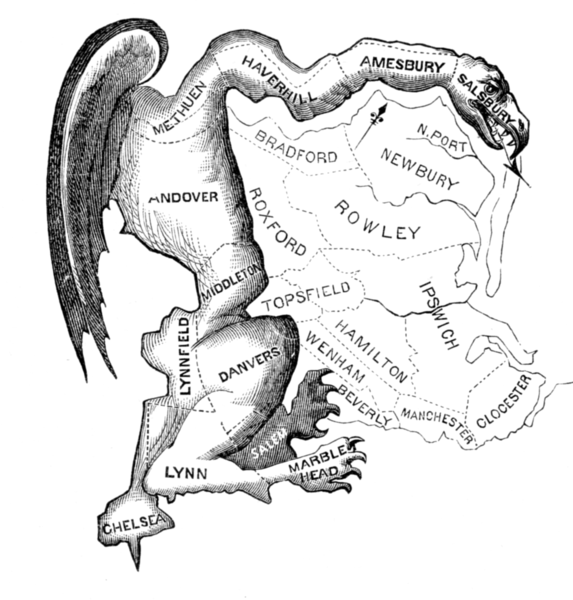
Credit: Elkanah Tisdale (1771-1835), via Wikimedia Commons
A recent story in the New York Times discussed how the Republican Party has been focusing on winning despite what the people want. Its own people. In other words, a planned destruction of democracy. A hostile takeover bid for the nation. Here in Pennsylvania, those who understand the legislation say, a variety of bills and propositions are being put forward—particularly gerrymandering—to ensure that the losers of the popular vote will nevertheless win. We’ve seen this on the national level when the electoral college has elected a couple of Republican presidents who’ve clearly lost the popular vote. It never elects Democrats that way—they win both popular and electoral votes when they win. The fact that Republicans are actively trying to make it harder to vote so they can maintain minority(!) rule would be ironic if it weren’t so, well, evil.
I remember my first civics course (which most Republicans, it seems, never took) in middle school. I remember my teacher—who was a smart man—saying that voters never elect someone who will hurt their financial interests. This was before Reagan was elected and every Republican president since has favored the rich over their own poor and working class supporters. I’m not a political scientist. I find politics boring and I resent having to try to have to learn an entire new discipline just to keep living in the country where I was born. We would find, I expect, widespread agreement that taking a country by force of arms is evil. Taking it by shady lawmaking that is the very definition of corruption, apparently, is not. The Trump administration took corruption to new heights, right in the eye of the public. Could a Democrat make such a showing in an election after stating outright on television that Republicans can only win by cheating? And when he lost fairly and squarely to try to overturn that result and still be the favored candidate for a party that’s lost its moral bearings? We put the word “evil” to bed a little too soon, I fear.
 Steve A. Wiggins