Release the Wicker

One of the many fascinating things about The Wicker Man is that even its release date can cause confusion.  There should be nothing so simple as to look up when a movie first hit theaters, but especially in trans-Atlanic efforts the dates are often different between the UK and the US.  The Wicker Man had a limited UK release on June 21 (quite close to Midsummer, it turns out) of this year.  It’d been released before, of course.  The initial UK release date was December 6, 1973 (twenty days before the US release date of The Exorcist).  Making its way to the US, it was first released on May 15, 1974—not long after May Day.  One of the features of the curious history of the movie is that it lacked support from its own studio.  Not surprisingly, it performed better overseas, particularly in America.
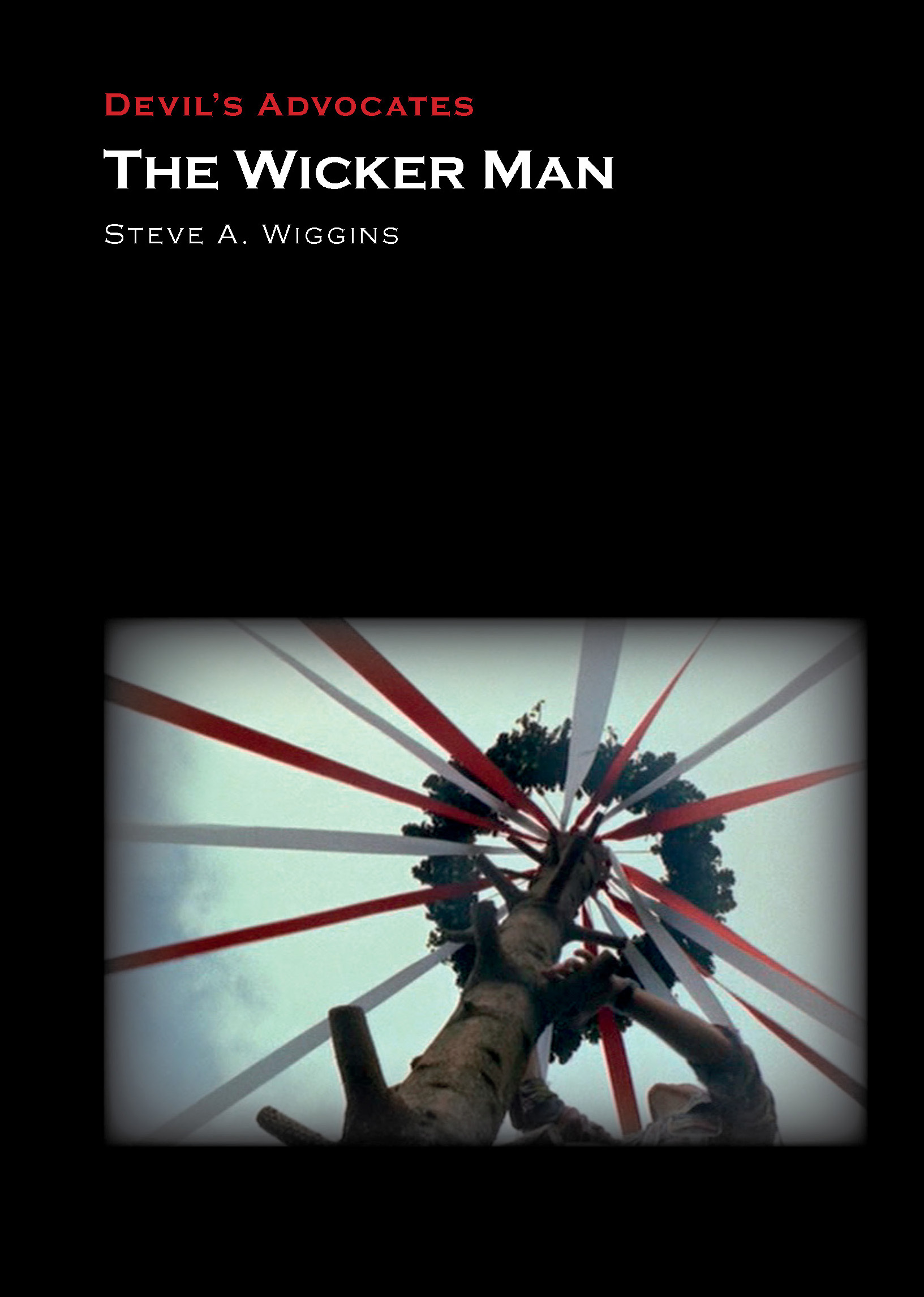
Release dates can be important, and can make a difference in a film’s success.  Again, the quirkiness of The Wicker Man reveals this—although set in late April-early May, it was filmed in November.  Actors had to suck on ice chips to prevent their breath from being visible.  And who’s thinking about May Day when getting ready for Christmas?  All of these factors swirl around in a mythology that the movie has developed.  My book went to the printer yesterday.  It should be out in August-September, hopefully in time to catch the interest of those who’ve gone to see it in theaters again.  I’ve lost track of how many times I’ve seen it.  I’ve watched all three released versions.  It feels like an old friend.

From the beginning, the plan was to release my book this year, due to the fiftieth anniversary of the movie.  It’s funny how simply surviving half a century can make something interesting to people.  There are plenty of 1973 movies that aren’t getting any particular boost this year.  The thing about The Wicker Man is that it became a cult classic.  Although it was never a mainstream hit, it has sent out its tentacles far and wide.  I notice references to it is unexpected places.  If you’re attuned to this you say to yourself, “that movie really made an impact.”  And it did.  When I first pitched this book idea to the editor of Auteur, I told him I’d do whatever I could to make a 2023 release.  Of course, I started writing it before Nightmares with the Bible came out.  My next book after the Wicker Man doesn’t have an anniversary release in mind.  That’s good, because like a moon-shot it’s nerve-racking to aim for such a narrow target, years in advance.


The Cult of Relaxation

Relaxation comes with a price.  As with most people who work hard, I find taking more than a day or two off work tricky.  It’s not that I want to go to work, but that I feel the need to keep improving my mind.  I read quite a bit on holidays, and, being of the opinion that movies are the modern mythology, I like to watch what I can.  Last night I saw a film I’m too embarrassed to name, but which was so utterly awful that I can’t get it out of my head.  Call it an experiment in relaxation.  Or call it madness.  Either way, I came to realize just how much impact a movie might have without really containing anything to give back.  This particular film is often listed as a cult classic.

I’ll confess right now that I loved Attack of the Killer Tomatoes the first time I saw it.  (This is not last night’s feature.)  It is a bad movie—so bad that it’s good.  My professional reputation may suffer for it, but I have to admit to having watched it multiple times over the years.  I’d heard that last night’s film was like that.  So bad that it’s good.  And that made me ponder the blurring of these categories.  Without a universal deity to declare the terms, good and bad are matters of consensus.  No quantitative means exists for making, a movie for example, good or bad, beyond the human judgment of viewers.  We tend to listen to critics, who experience more cinema than the rest of us can afford, but I’m sure we all have our secret likes that don’t match the decrees of the experts.

Films that flaunt convention so radically, and which gather disciples, are, as I mentioned, called “cult classics.”  This is the language of religion.  Although religionists have moved away from the use of the word, cult implies irrational intensity of devotion toward that which is clearly, in the eyes of the majority, bad.  Again we come to the question of who defines value.  For most of human history it has simply been majority opinion.  Cults, however, give meaning to those who “get it.”  Cult classics have faithful followers.  In the line of duty some months back I watched Exorcist II: The Heretic.  I later found out that it also frequently makes the list of all-time worst movies, despite starring Linda Blair, James Earl Jones, Paul Henreid, and Richard Burton.  It’s a cult classic.  The unnamed film from last night has no known stars.  Hideous acting.  Ludicrous writing.  I watched it to relax.  Now I wonder if I’ve joined a cult, or if I just need a vacation.