
“If you can read this, thank a teacher.” So the old saying goes. Besides the virtue of venerable age, this proverb has the added advantage of being true. When I first peered at a page full of complex combinations of minute, triangular wedge-marks and was told I’d learn how to read them, I needed to head outside for a few gulps of cold air. My first attempt at Akkadian was doomed to failure, but eventually I learned to read cuneiform through the gateway language of Ugaritic. After that the bewildering sprawl of Mesopotamian languages didn’t seem so threatening. I don’t exactly remember when I was first exposed to English cursive in the classroom, but I do recall that same breathless fear of the unknown. The language I’d learned to print out neatly all seemed to be melting into curly figures that looked remarkably alike. How would anyone ever be able to read this?
According to a story in Sunday’s New Jersey Star-Ledger, schools are moving away from teaching cursive. Beginning next year 46 states will no longer require it. Beyond that, some politicians are questioning why teachers should be wasting their time instructing students in printing, or even keyboarding. The gold standard they are worried about is identity. Can you sign your name (to endorse this campaign check)? If we have another way of identifying you—eyeball scans seem to be very popular suggestion—why should you bother to scrawl your name? Keyboarding, well, kids already know that by the time they start school these days. If the texting craze really takes off we may evolve future generations with just thumbs. School is for teaching students science, math, business—practical stuff. Oh yes, and intelligent design. (Got to keep the gods, or anthropic principles, happy.)
In a world where languages are dying out at a disturbing rate (each language is a thought process as well as a way of stringing sounds together), we have become very cavalier about the very innovation that has allowed us to develop as we have. I used to tell my students that less than seventy years separated the Wright brothers from the moon landing. A human lifespan where technology outstripped our ability to think. And the pace has only accelerated since then. Are we premature in leaving out cursive from the curriculum? There is coming a day when future archaeologists will discover a strange substance that seems to have been manufactured from wood pulp. On it they will find scrawls with loops and curls that form a pleasing pattern in the repetition, but from which no intent can be discerned. And if they are like modern technocrats, they will quickly realize the utility of the wood pulp for starting a fire.
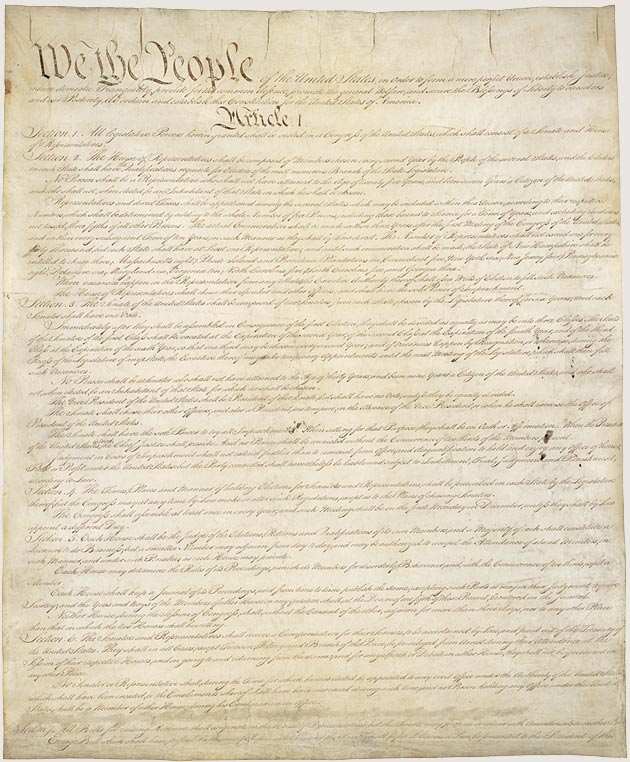
What's it say?
 Steve A. Wiggins