Horror Week

“Remember, remember, the fifth of November,” the old rhyme goes.  Earlier this week I advocated for Halloween being the start of the holiday season.  There’s been a lot going on this week and I’m now reflecting on how Halloween also took some of its identity from Guy Fawkes Day (or more properly Guy Fawkes Night), here on November fifth.  Halloween, as we know it, incorporates traditions from Samhain (actually November 1), All Souls Day (November 2), as well as Guy Fawkes (November 5).  All the while the Hispanic world is observing Dia de los Muertos, a multi-day holiday whose origins are somewhat uncertain but which shares similarities with Halloween.  In other words, it’s a veritable week of spookiness to get our November started off right.

Ironically, at least in corporate America, none of these are work-free holidays.  For the Celts Samhain was the most important day of the year.  A day when the dead might wander into our realm or we might stumble into theirs.  For the modern person it’s a day of checking email, making deals, trading and evaluating how well we did at it.  Pretty mundane stuff.  The message of all of these holidays is that there are matters of deeper import going on.  We should perhaps look up from our monitors and see.  Just as that veil between the living and dead thins at this time of year, so does that line between work and personal life, when our laptops are as omnipresent as a haunting deity set to keep our minds on the sin of not working.  
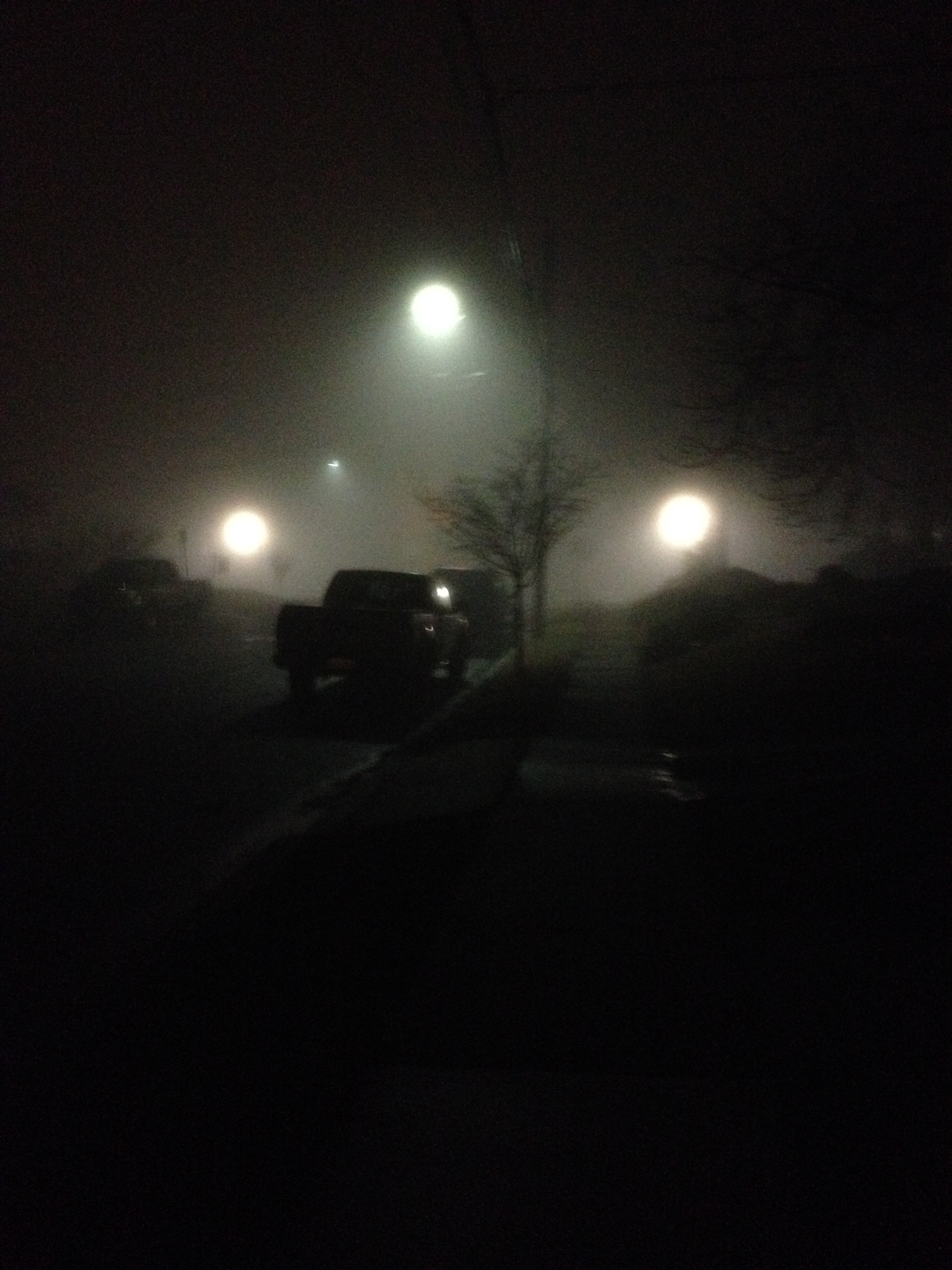
Guy Fawkes is about rebellion.  More specifically, putting down rebellion.  Keeping the status quo.  Halloween and its siblings are all about challenging the way things are usually done.  I often wonder what it would be like if people took it seriously.  The costumes are fun, yes, and the trick-or-treating, but there’s something more serious underneath.  Perhaps symbolically we pretty much ignore All Saints to Guy Fawkes, or Dia de los Muertos as pleasant diversions.  There’s some spiritual heavy lifting going on behind the scenes, however.  It’s not all about fun and games, because fear is always with us.  We know there are problems but it’s more comfortable keeping things as they are.  Guy Fawkes, perhaps for a cause we see as obsolete—restoring a Catholic monarchy—was trying to change things for the better.  What’s more, his motivation was religious.  There are spooky parallels here, even today.  It might be good to take a day off work to ponder the implications.

Buying Salvation

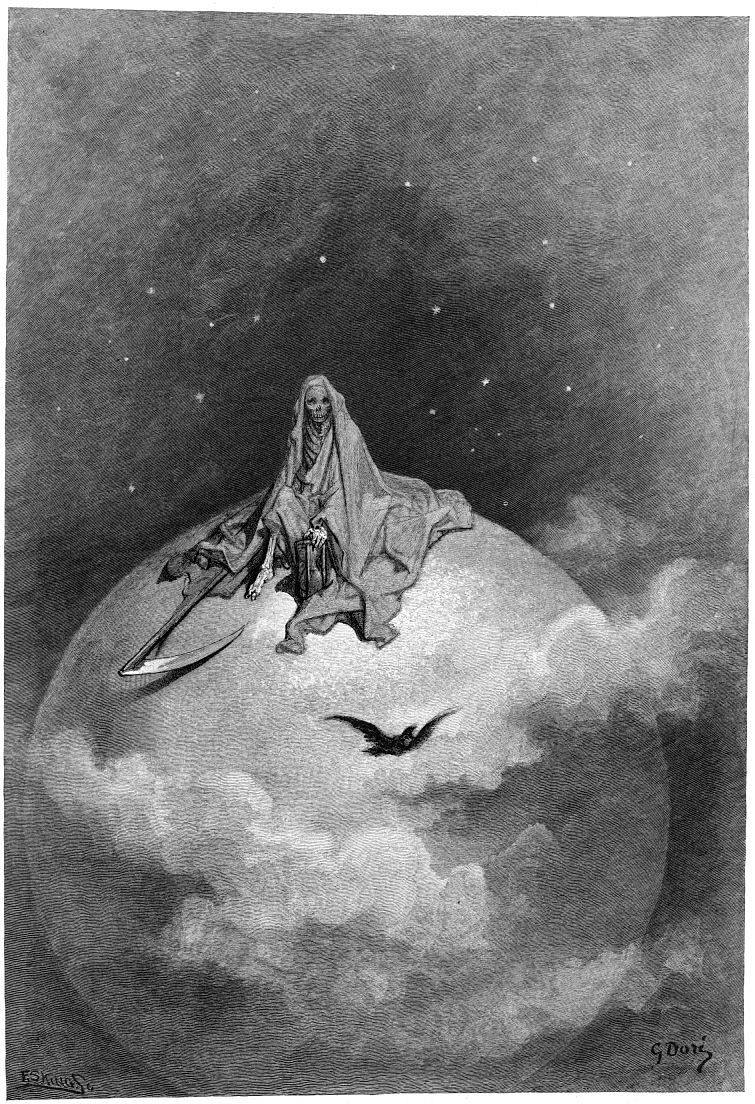
October is upon us. The telltale signs are all there: trees just starting to turn, gray skies that hide an intangible menace, a coolness in the air, and Halloween stores sprouting like mushrooms. Halloween is a holiday with incredible sales appeal, I suspect, because people are still, at some level, very afraid. We evolved into who we are from a long history of being prey as well as predators. Fear governs many of our interactions in social settings, although we prefer to call it more abstract names such as “rule of law” or “peer pressure.” Deep down, we are afraid. Halloween allows us to wear that fear on our sleeves. And it isn’t just the Celts who made this confession; Día de los Muertos developed independently, giving us a different flavor of the same emotion. Savvy marketers know that where a human concern lies, there will be the purse-strings also.

Commercialization of religion—the fancy word is “commodification”—is as close to American religious experience as you can get. We live in a religious marketplace. Various religious groups offer their wares, sometimes obviously, sometimes subtly. Often the underlying motivation is fear—fear of displeasing deity, fear of eternal torment, fear of reincarnation. We are afraid and we don’t know what to do, so we try to buy our way out of it. Other times the Madison Avenue approach works. Consider the Crystal Cathedral, or even the great medieval cathedrals of Europe. These are tourist destinations, architectural marvels that draw us in. The message is still pretty much the same: the deity will get you unless you give back. How better to show respect (that is fear) than erecting a massive, complex, and very expensive edifice to the angry God?

It is simplistic to suggest that religion boils down to fear, but when all the water evaporates, fear is certainly evident among the residue. Next to the overtly commercial holiday of Christmas the most money can be coaxed out of Americans at Halloween. Or consider the appeal of horror movies. Love them or hate them, they will draw in big money at the box office. In a society that sublimates fear and tells its citizens that unimpeded growth is attainable, Halloween is the most parsimonious holiday. Perhaps the most honest, too. A full month before the creepy sight of naked trees and chill breezes that sound like screams whistling through their bare branches, the stores begin to appear. When Halloween is over they will be dormant for eleven months of the year, but like the undead they are never really gone. Only sleeping.

A parable.