
In anticipation of the Academy Awards, last night I revisited Titanic. Since I tend to view art from the perspective of metaphor, I was once again struck by how our society resembles that great ship. In particular, with the current turmoil between plutocratic governors and the average citizens who’ve elected them, the brazen upper-class passengers on the Titanic embody the interests of the self-interested. When Captain Smith leads the privileged first class travelers in “Eternal Father, Strong to Save,” in their own private chapel unsullied by the second and third class detritus, the line “for those in peril on the sea” resonates with the Prosperity Gospel. The well-to-do are that way through no fault of their own; God loves them more and made them better off than the rest. And when icebergs float, those unloved by their creator sink.
Over the past few weeks, in the shadow of events unfolding in Egypt and even Libya, we have seen the assertions of the aristocratic governor class assailing the workers. Attempting to make unions illegal, reducing the services offered to the poor, attempting to shorten the lives of the elderly by withdrawing medical programs (let us not ask how much profit pharmaceutical companies make for they are dearly loved by their father who art in Fort Knox), they know the rush of divine power. Indeed, populations are so complacent that as long as we have our MTV (substitute here your favorite media narcotic), that we shrug our collective shoulders and say “whatever.”
Perhaps it is not the metaphor James Cameron intended, but it is the working class Jack who sinks to an icy grave while the privileged but bankrupt Rose remains afloat. Our sympathies are with the young lady abused by privileged society, but the lifeboats should best remain half empty to preserve the upper crust rather than risk all going down together. After all, the Bible informs us that bread cast upon the waters comes back. And those who take up more than their fair share of the lifeboats wager that when that bread comes back it will be docile and subdued after its ordeals in the North Atlantic, and the Carpathia will come and restore society to its proper order. And so perhaps it is only a metaphor that more than a decade later the shoo-in for the Academy Awards is a film about the royal family. I think I see an iceberg ahead.
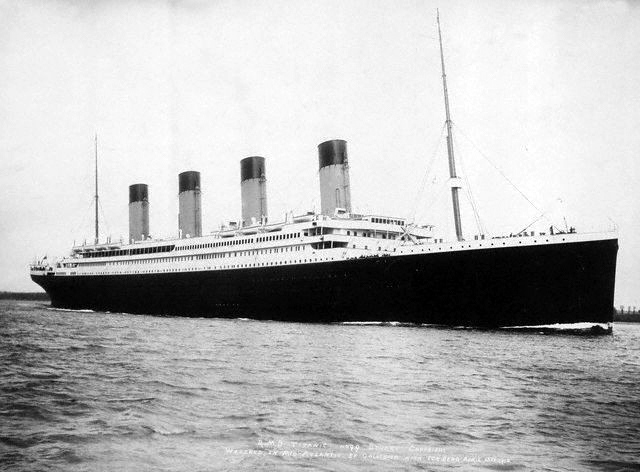
This is only a metaphor

 Steve A. Wiggins