Jane Who?

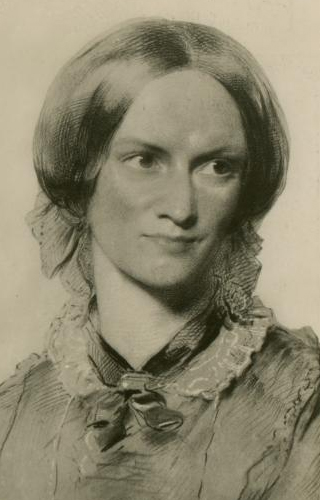
“Conventionality is not morality. Self-righteousness is not religion. To attack the first is not to assail the last.” So states Charlotte Brontë in the preface to the second edition of Jane Eyre. I am inclined to believe that the lines were widely ignored by clergy and politicians, for public leaders in nineteenth century Britain were not likely to take the advice of a young lady who only had one real credit to her name. Politicians and clergy of twenty-first century America can hardly be expected to have read Jane Eyre, for how would this woman know the harsh realities of how to assert one’s own will on the masses? In the stewing tea pot of the Religious Right, conventionality is morality. Self-righteousness is religion. George Santayana might well have saved his cramped fingers from writing, “Those who cannot remember the past are condemned to repeat it.”

As politicians oil their moving parts in preparation for next year’s great race, they know that many constituents will gladly accept conventionality as morality without asking about the origins of such practices. Schoolyard bullies who seek their own aspirations praise the great darkness that has settled over New Jersey where education is simply a commodity with which to bargain. Jane Eyre? Who’s she? If she’s a constituent, I’d better spin this slashing of education funds to her liking. Without an educated public, it is much easier to bolster one’s personal authority.

For years educators have been watching in dismay as other developed nations soar past American expertise in science, math, and even geography. Our response: let’s cut education funding. Conventionality is morality. Education teaches children to think for themselves. Is it not better to show them that self-righteousness is religion? We can put other religions on trial (thank you, Mr. King), while conveniently forgetting our founders were largely religious dissenters. To know that, however, you have to read a little history. We are far too busy plotting how to shortchange our future in order to feather further already overly plush nests.
Escanaba in da Moonlight

My daughter was ill at school recently and I went to pick her up. It has been a few years since this has happened, so I guess I’m a little out of practice. In the school office there is a Star-Trekish device poking up through the counter where visitors check in. I was instructed to put my driver’s license on the device and an eerie glow emerged from it as they scanned my card. You are not allowed to leave with your own child, even if the school calls you, without being scanned. A New Jersey license is a real hassle to acquire with multiple forms of ID required – this isn’t the Midwest where you just turn in your expired license and they hand you a new one. Every four years you have to prove you are who you say you are. As we climbed into the car, I was glad for the school security, but I couldn’t help remembering.

I grew up in western Pennsylvania where deer worship was the dominant religion. The first day of buck season was a school holiday; I can’t recall if doe opening day was just a half-day or not. We could not graduate without passing a course called “hunter’s safety” which involved detailed instructions on how to shoot rifles and shotguns. My high school – God’s truth – had a rifle range in the basement and you were allowed to bring your rifle to school as long as you checked it in the principal’s office. When I tell others about this they don’t believe me, but when I ask my high school friends they all remember it that way too. Now that my stupidly smiling driver’s license image is floating around the school mainframe as a potential kidnapper for picking up my own daughter, I think about the difference in times.

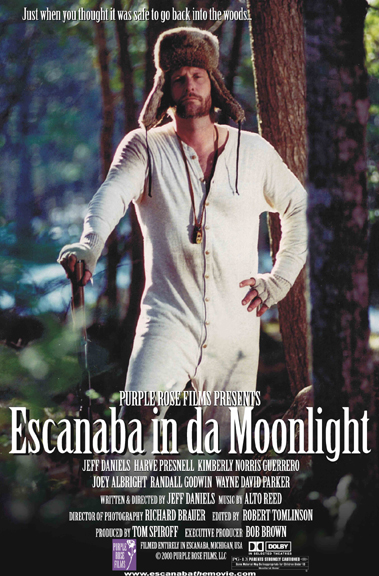
Kids had guns in my high school in the late 1970s, but they knew that it was wrong to shoot other students. It was a small town, but we were all taught the rules of engagement and we knew that other human targets were outside the scope. Every year there were accidental hunting fatalities (Dick Cheney would have felt right at home), but the schools were used to address that issue. Today I see wind-bag politicians trying to cut back on education as much as possible and I see kids who don’t know any better killing their fellow students indiscriminately. No, I’m not nostalgic. I do not own a gun. It is my belief that children learn from adults, and when politicians say through their words and actions that looking out for number one is all that matters and that bullying (yes, Mr. Governor) is appropriate for getting what you want, I think it is no wonder we find ourselves with children who can’t tell right from wrong. I’m ready to watch Escanaba in da Moonlight and pray to the god of the deer.

Deer God...


Bibles and Freedom

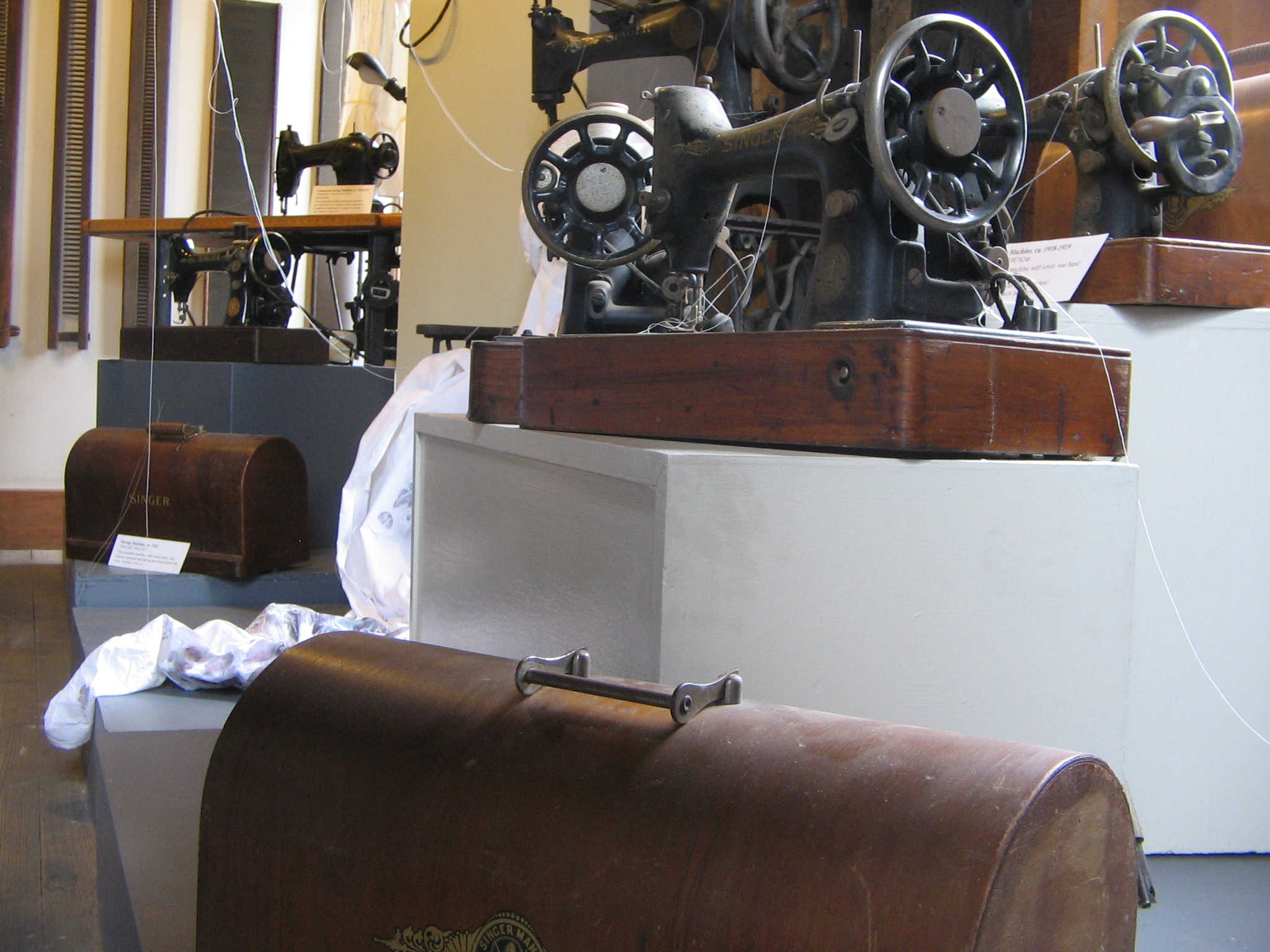
Visiting the Red Mill in Clinton, New Jersey is always a worthwhile experience. Yesterday, a gloomy, gray September postcard, was perfect for such a visit. In addition to the many buildings on the museum grounds that retain an atmospheric feel year-round, the Mill is supposedly haunted and is frequented by a number of ghost hunting teams. With its long (for America) history and its picturesque beauty, the museum is a popular spot with tourists as well as ghost hunters.

One of the buildings on the grounds is an old one-room schoolhouse. As a family we have visited a number of these, although none of us qualify as having been actual pupils at one. A frequent blandishment at such institutions is the rules by which school teachers had to live in the nineteenth century, usually posted on the wall. Yesterday as we read the obligatory list, one “commandment” stuck out from the 1872 code of conduct: “After ten hours in school, the teachers may spend the remaining time reading the Bible or any other good books.” While many of the rules were condescending in their moralizations, this one carried a perfect example of how a nation, naively short-sighted, was already giving preferential treatment to one religion, Protestant Christianity.

As a nation founded as a haven for religious freedom, the colonists and settlers simply had narrow exposure to religions of the world. Freedom seemed an ideal worth dying for, but usually it meant freedom to be whatever (Protestant) denomination you wished to be. Catholicism was associated with the old powers of Europe, and the religions of the east were barely known. The Protestants were the ones who promoted Bible reading in those days, and while the rules allowed for other good books, there is an unstated superiority given to the Good Book in its pride of place. Once the colonials became nationals, it was still fair to taunt Quakers, Unitarians, and others who didn’t seem to fit the mold. We didn’t see any ghosts at the Red Mill yesterday, but it did seem that a haunting memory of true religious liberty hung about the place.

Clinton's Red Mill sews freedom