
The “Burnt Over District” is religious historian shorthand for upstate New York. That particular region, during the “Second Great Awakening,” spawned so many religions and hosted so many revivals that it was difficult to believe anything more could sprout there (thus, “burnt over”). One of my great fascinations is the origins of religions. Not only that, but where those religions began. On a continent-size level, Asia is clearly the champion, with all of the “big five” beginning there. But religions evolve, sometimes rapidly. Christianity in Britain gave rise to such groups as Quakers and Anglicans, and, in a post-Christian phase Britain gave the world Wicca. The Germans were also great religious innovators with Luther and the Pietist and Anabaptist traditions. Perhaps it’s in the Anglo-Saxon blood to make religions new.
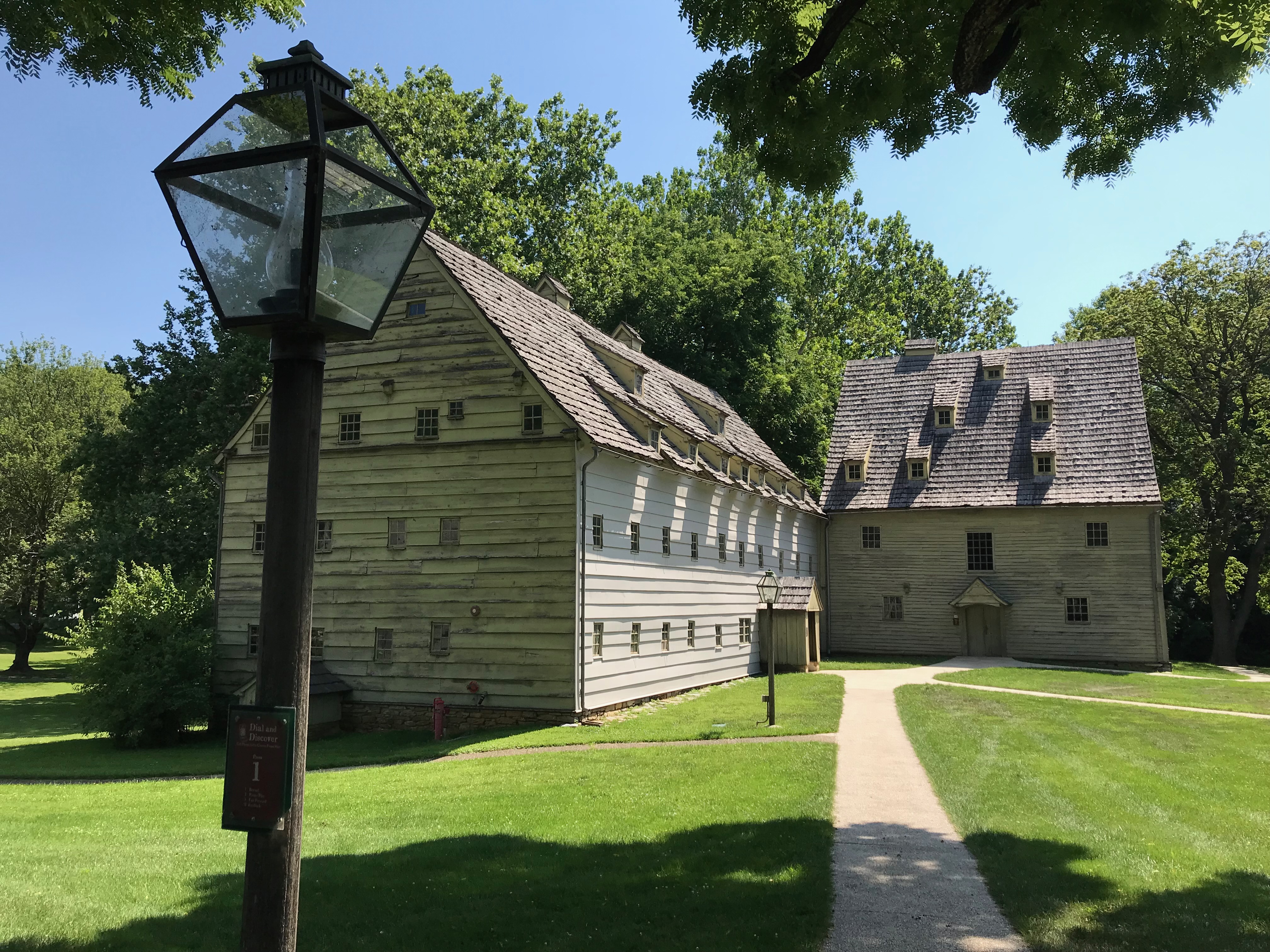
After visiting Ephrata Cloister recently, my mind naturally turned to the “Hermits of the Wissahickon.” If you’ve not heard of them, you’re not alone. They, despite being men to a man, preferred the title “Society of the Woman in the Wilderness.” They were followers of Johannes Kelpius. Kelpius, like Conrad Beissel after him, was a German mystic, Pietist, and musician, and he also believed the end of the world was imminent. This was in 1694, just a few years before Beissel laid the foundations for Ephrata Cloister. Like Beissel, Kelpius decided Pennsylvania was the best place to set up camp. Although founded by Quakers, Pennsylvania offered something some other colonies didn’t—real religious freedom. Given that you could be killed for being a Quaker in some of the other colonies, this didn’t seem like a bad idea. Convinced Jesus would return in 1694, Kelpius and his followers settled into a cave just outside Philadelphia, by the Wissahickon Creek. They set up a quasi-monastic community to wait out the clock near the city of brotherly love.
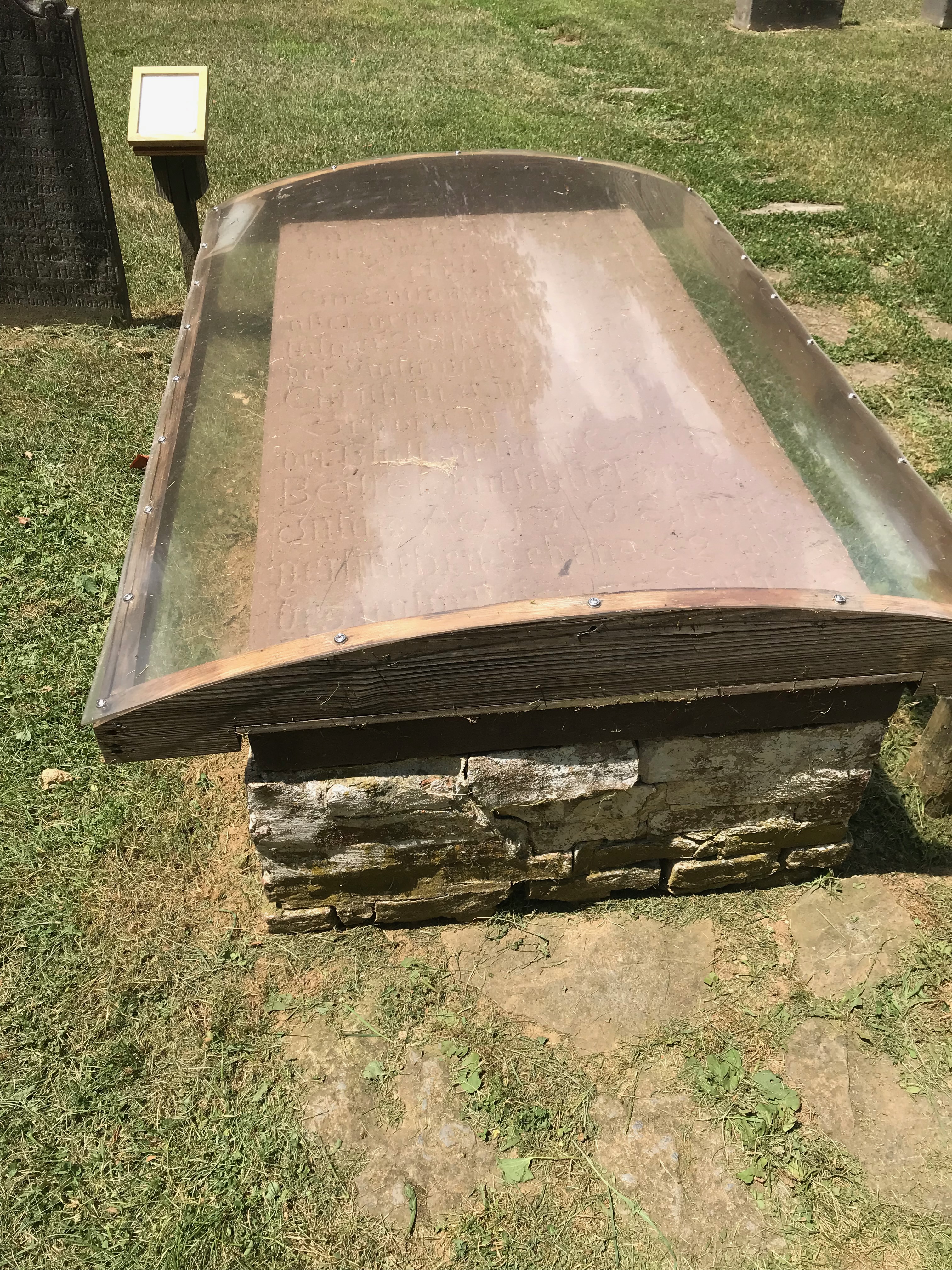
It’s difficult to know if Conrad Beissel was consciously imitating the work of Kelpius. Religious leaders tend to have pretty strong views of their own outlooks. The draw to Pennsylvania, in those days, was strong. Interestingly, both Kelpius and Beissel are remembered for their music. The death of Johannes Kelpius isn’t as well documented as that of Beissel—you can see the latter’s burial place in Ephrata. Like millions of others, Kelpius lived through the “great disappointment” of not having the Second Coming occur when he supposed it would. Some suggest Kelpius believed he would be translated after death. He died in 1708, as his younger colleague was exploring the wilderness several miles to the west. Keplius’ final resting place is listed, perhaps fittingly, as “unknown in Pennsylvania.”
 Steve A. Wiggins