Manitous

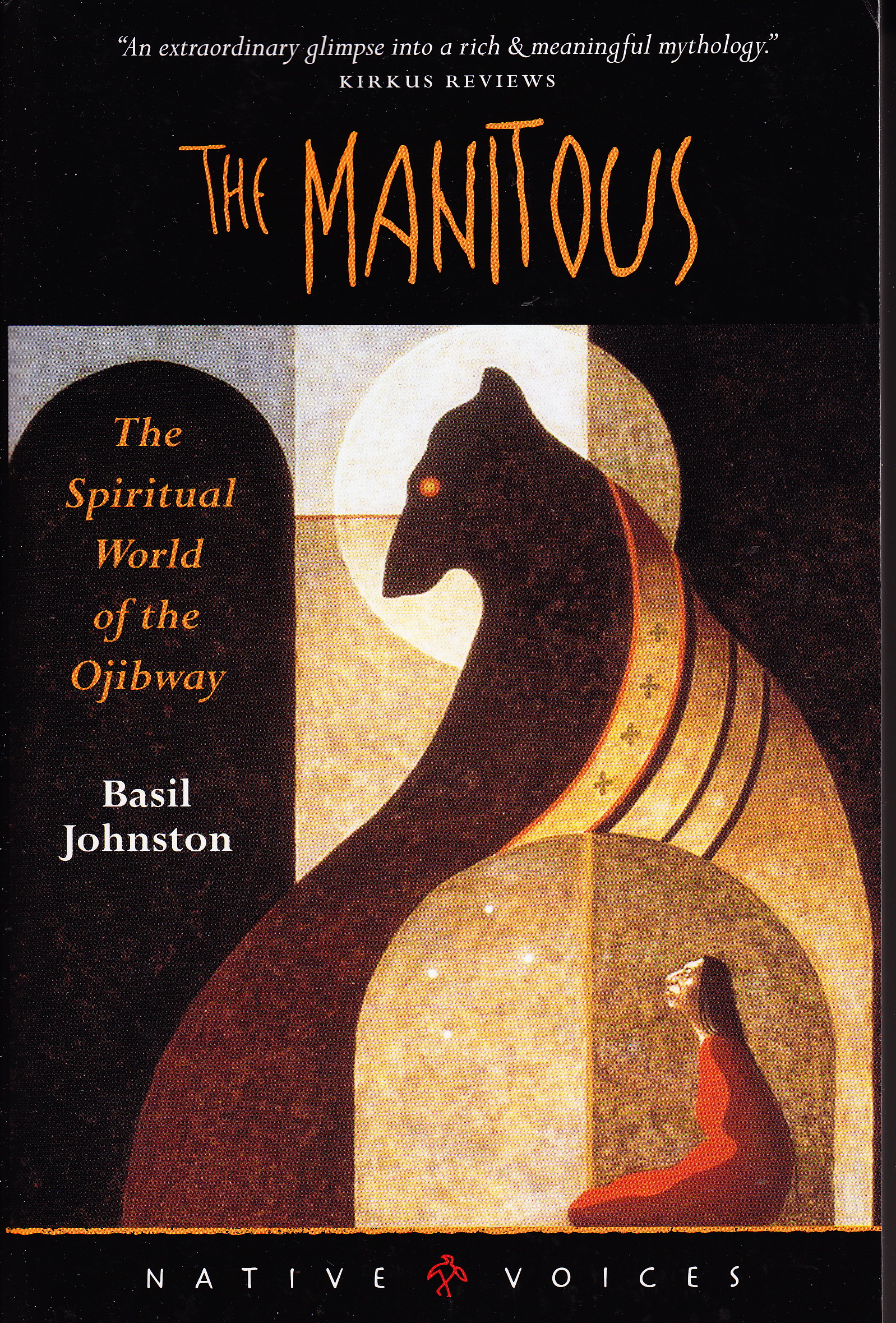
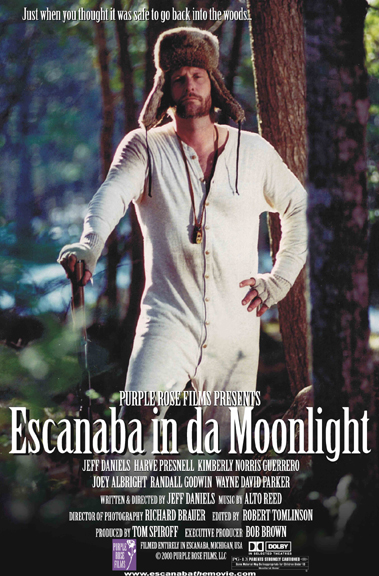
ManitousOne of the yearly autumnal rituals we’ve established is the watching of Escanaba in da Moonlight. It is a silly, crude, and profound movie that revolves around Native American lore—namely, the creature known as the bearwalk. Despite the high level of interest in monsters on the internet, the bearwalk continues to be elusive. Robert C. Wilson wrote a novel, Crooked Tree, about this Ojibwa legend, but academics have seldom explored it. The few resources I found pointed me to the wendigo. Wendigos are frightening spirits of the forest, sometimes presented as skinwalkers, or shape-shifters, who prey on unwary human beings. Some writers call them werewolves, but this isn’t exactly correct. Frustrated at finding no solid information, I picked up a copy of Basil Johnston’s The Manitous: The Spiritual World of the Ojibway. Johnston, who is Anishinaabe, writes to preserve the heritage of his people.

Manitous don’t have a direct equivalent in English. Some have been inclined to designate them as gods or spirits, but they inhabit that strange realm that overlaps with humans as well. The Ojibwa viewed the world as more animate than western science allows. People were part of this larger universe, but were not the sole end of intelligent life. The tales in this book map out an unseen territory where manitous may be found in lakes and streams, in the hearts of trees, in the early prototypes of humankind, and yes, in the wendigo. The wendigo (also spelled windigo or weendigo) is a representation of excessive acquisitiveness. They often begin life as humans, but become cannibals. As they eat other people their hunger grows, along with their bodies, and they cannot be satisfied. The more they eat the more their hunger remains. They are, therefore, extremely destructive, roaming the woods seeking human victims.

Throughout The Manitous, Johnston gives little in the way of editorial comment. One of his stories is a parable for the coming of Europeans and their subsequent treatment of Native Americans, but most of the tales are of the natural world. The wendigo occupies the last chapter of his book. Before putting the matter to rest, however, Johnston makes a poignant and valid point. Although the Ojibwa no longer believe in a literal wendigo, the treatment of the earth by corporations has taken its place. Always hungry, excessively greedy for more to be taken from the earth, industrialists have made the wendigo look as if it were an amateur slaughterer. Living lightly on the land, the Native Americans tried to take only what they needed. Europeans, on the other hand, created new things in order to keep the hunger going. And those who constantly create new needs grow wealthier and wealthier. Instead of naming this inherently destructive system the wendigo, we call it progress and happily invite it to live among us.
Sunday Best

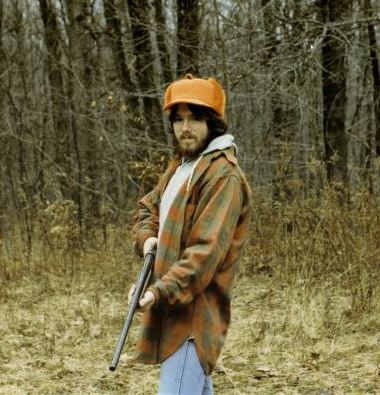
When my rural, northwestern Pennsylvania shows up in the news, I pay attention. An Associated Press story recently appeared concerning Rev. Chris Terbush of Bradford, Pennsylvania. Inspired by the success of Duck Dynasty (which seems poised to overtake even Apple as the most popular purveyor of popular culture), Rev. Terbush has encouraged his congregation to show up on Sunday mornings in camouflage, ready to go forth and claim dominion over nature once the service is over. I’ve been ambushed by enough clergy that the idea makes me a little nervous, I’ll have to admit. But then again, I know where he’s coming from. I grew up in a town that celebrated the first day of deer season as a public holiday, with schools closed and the hills alive with the sound of muskets. Not being a hunter, I just enjoyed the day off school. This upbringing, however, gave me a profound appreciation for the Jeff Daniels’ movie, Escanaba in da Moonlight. But I digress.

Religious services evolve, just like any other social phenomenon. When I was young, just as the sixties were wresting the color of life from the black-and-white fifties, going to church was a formal event that demanded your “Sunday best.” Only the worst of heathens would show up before the Almighty in anything less than a white shirt and tie, a jacket and uncomfortable shoes. You had to show the divine that you were willing to go that extra mile and implicate that you didn’t intend to have any fun when it was over because the sabbath is a solemn occasion. I remember the weird feeling of walking into church during the weekday wearing jeans for the first time. It felt as if I were dissing the rules of the club. It was an exclusive affair.

The “theology of dress” has become an area of scholarly investigation with the growth of embodiment issues. What we wear says something about our beliefs, and the fact that we wear clothes at all is sometimes even traced back to Genesis 3. The origin of “good clothes,” clearly, was a status issue. Those who could afford to keep some surplus clothes unsullied by labor wished to strut their stuff on occasion. And who better to impress than God? All of this has eroded over the years with many churches as casual as any man cave. Now you can camouflage yourself in church. There may be more going on here than meets the eye, both literally and metaphorically.

What happens in the woods stays in the woods

What happens in the woods stays in the woods


Escanaba in da Moonlight

My daughter was ill at school recently and I went to pick her up. It has been a few years since this has happened, so I guess I’m a little out of practice. In the school office there is a Star-Trekish device poking up through the counter where visitors check in. I was instructed to put my driver’s license on the device and an eerie glow emerged from it as they scanned my card. You are not allowed to leave with your own child, even if the school calls you, without being scanned. A New Jersey license is a real hassle to acquire with multiple forms of ID required – this isn’t the Midwest where you just turn in your expired license and they hand you a new one. Every four years you have to prove you are who you say you are. As we climbed into the car, I was glad for the school security, but I couldn’t help remembering.

I grew up in western Pennsylvania where deer worship was the dominant religion. The first day of buck season was a school holiday; I can’t recall if doe opening day was just a half-day or not. We could not graduate without passing a course called “hunter’s safety” which involved detailed instructions on how to shoot rifles and shotguns. My high school – God’s truth – had a rifle range in the basement and you were allowed to bring your rifle to school as long as you checked it in the principal’s office. When I tell others about this they don’t believe me, but when I ask my high school friends they all remember it that way too. Now that my stupidly smiling driver’s license image is floating around the school mainframe as a potential kidnapper for picking up my own daughter, I think about the difference in times.

Kids had guns in my high school in the late 1970s, but they knew that it was wrong to shoot other students. It was a small town, but we were all taught the rules of engagement and we knew that other human targets were outside the scope. Every year there were accidental hunting fatalities (Dick Cheney would have felt right at home), but the schools were used to address that issue. Today I see wind-bag politicians trying to cut back on education as much as possible and I see kids who don’t know any better killing their fellow students indiscriminately. No, I’m not nostalgic. I do not own a gun. It is my belief that children learn from adults, and when politicians say through their words and actions that looking out for number one is all that matters and that bullying (yes, Mr. Governor) is appropriate for getting what you want, I think it is no wonder we find ourselves with children who can’t tell right from wrong. I’m ready to watch Escanaba in da Moonlight and pray to the god of the deer.

Deer God...