Not the Oscars

I could blame this week’s Time magazine for declaring that one thing we don’t need to worry about is an end to the zombie craze, but in truth I really have no one to blame but myself. Having watched White Zombie a few weeks back, I decided to see Revolt of the Zombies, its sequel, this weekend. With holes in the plot large enough for a small planet to pass through, it leaves a great deal of creativity – and imagined continuity – up to the viewer. It’s a movie bad enough to make you want to slap the television in frustration, but it did bring a number of my standard (read “tired”) themes on this blog together.
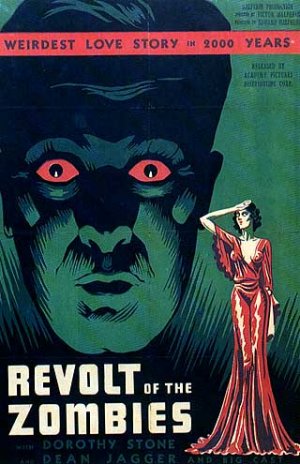
In this confused romp through sci-fi horror, excused only leniently for having been filmed in 1936, the terms robot, zombie, and automaton are used interchangeably. This is one of the technically redeeming features of the film. The term “robot” was coined to indicate a mindless servant, and in their religious origins zombies shared exactly that function of the automaton. Today’s robots are machines, and the future of the Singularity (posted on a couple weeks back) revolves around this very point: machines will complete the degenerating biological frame. Somehow the zombies will save us.

The zombies of 1936 were surrounded by swaggering, stereotyped caricatures of the helpless female who has very little mind of her own (perhaps less than the zombies who actually do something to better their state). Racist images including a wizened Scot called MacDonald and subservient Asians make the film uncomfortable for present day viewers. One glimmer of intelligence in the film, however, comes from an awareness of the classics. After a rat’s nest of a plot that is essentially one man wanting another man’s girl, old MacDonald gives a commentary on the assassinated master of the zombies. He takes his line from Euripides’ play Medea – an original strong female that the Greeks so feared. “He whom the gods destroy, first they make mad.” Second, I would add, they make watch Revolt of the Zombies.
House of Myth

Mythology is everywhere. Although I am prevented by personal experience from declaring with the professionals that it is highly valued by our culture, I nevertheless find it lurking all around. Just yesterday my daughter asked me if anyone still believed in the Greek gods any more. I am sure that with the revival of ancient cults that is all the rage today one wouldn’t have to travel too far to find an ardent devotee of Zeus or Hera. Even on a more pragmatic level, however, mythology maintains its allure. While reading a bit of Apollonius or Euripides recently I was struck at how biblical it sounded. Mythology pervaded ancient life and became woven into the fabric from which our own culture is cut. There is no escaping it.

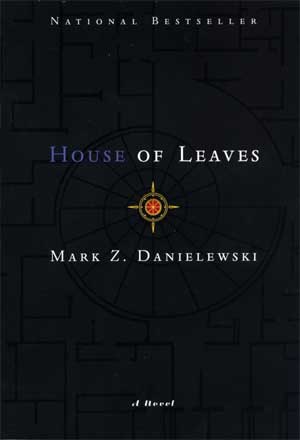
I just finished reading Mark Z. Danielewski’s House of Leaves. While I’m not a real fan of ergodic literature, the story has a way of luring the reader into the labyrinth of the Minotaur, an association that the book itself disavows. As a student of mythology, however, I approached the book as a decidedly non-demigodic Theseus, wondering where the twists and turns might lead. My conclusion at the end was that no one truly escapes mythology. Classed in the horror genre, the book has few frights and more than a few rest stops to ponder. If we would admit it we would see that mythology still has a tremendous gravity.

The use of mythology as the basis for literary work is nothing new. Clever authors for centuries have recast the classics into newer forms, sometimes transforming them beyond recognition. As the world grows more pluralistic, keeping in touch with our mythology will only grow in importance. It is our shared heritage, and even if far distant cultures have their own cadre of myths, it doesn’t take too long to realize that their stories, like ours, spring from a very deep pool indeed.


Paul Does the Classics

I first became aware of Greek mythology in fifth grade. My teacher in an industrial, rough and yet rural school, believed in the benefits of teaching aspiring drug addicts and laborers the stories of gods and heroes. I immediately adored the stories we heard and read. Raised in a religious household, however, I feared enjoying the tales of what were admittedly pagan gods after all, too much. In the educational topography of my youth, we were on the brink of this brave new electronic world we’ve entered, and mythology was not considered a terribly useful part of the curriculum after that. I left the gods behind. In a class on the Christian Scriptures in college, however, my instructor suggested we all go see Clash of the Titans (the 1981 version) for its appreciative (if a little hokey) presentation of the Greek world. I enjoyed the movie and even took a class in the literature department on mythology.

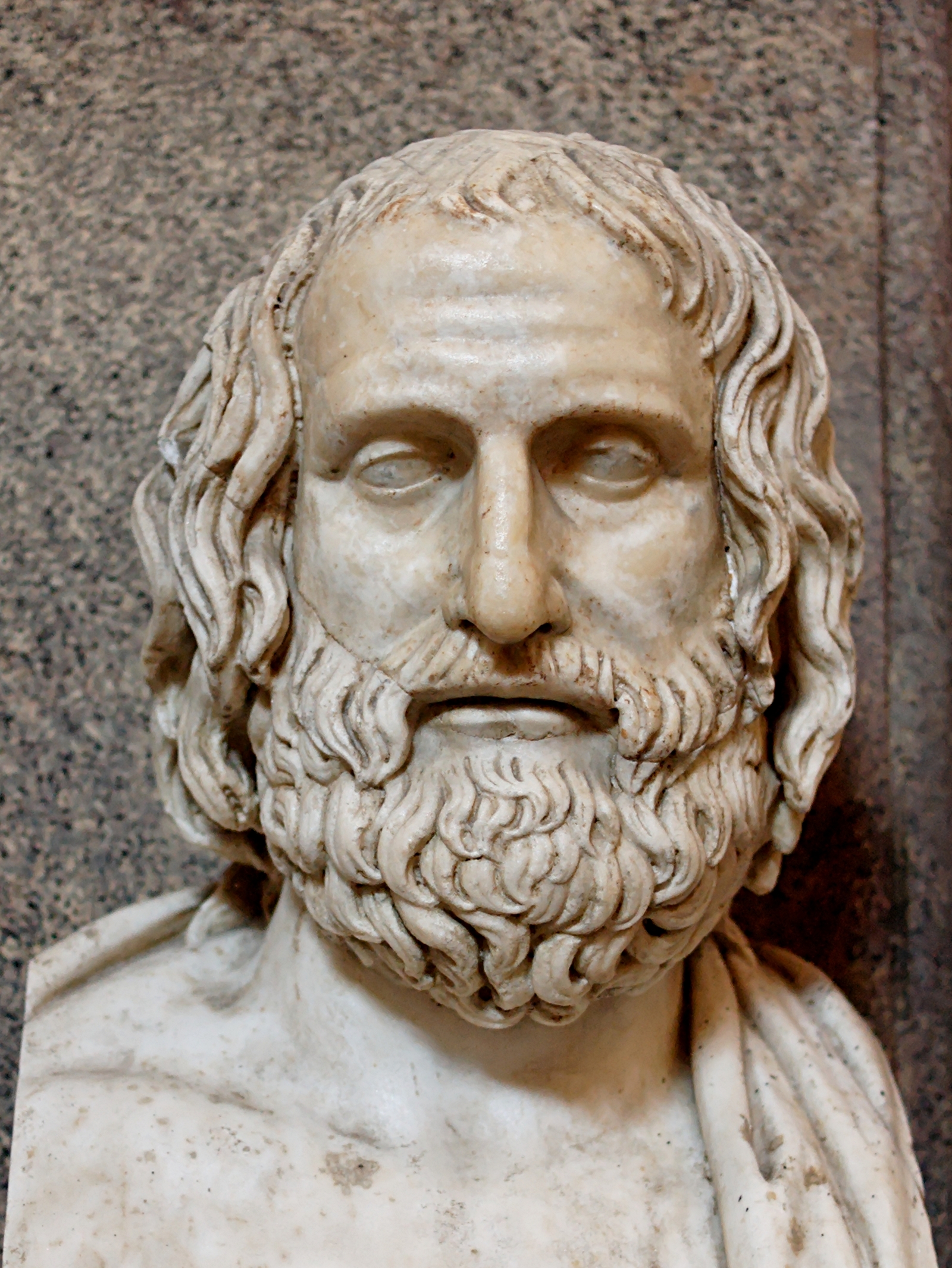
Over the years I have touched and gone on Greco-Roman mythology while specializing in the mythology of Ugarit. Now that I’m teaching a course on mythology, I’m going back to my classical roots and rereading the stories of times not quite so ancient as the fertile crescent civilizations’, but older than what is considered practical nowadays. While rereading Euripides’ play The Bacchae, the concentration of images, concepts, and actions that recur in the Bible stood out in chiaroscuro. Especially noticeable were references to Paul in the book of Acts.

Like Paul, Dionysus comes to be imprisoned. Not recognized as a divine figure, King Pentheus of Thebes locked him in chains until he could demonstrate that Dionysus is just the wild imaginary figure of repressed women. An earthquake, however, soon rattles the city and Dionysus emerges, chains shed, to the astonishment of Pentheus. The scene reads like Paul and Silas’ escape from jail in Philippi (Acts 16). Admittedly this could be coincidence. A few lines later, however, Dionysus, free from prison, tells Pentheus, “Don’t kick against the goad – a man against a god,” (Act 3, Paul Roche’s translation). Even so, Paul on his way to Damascus sees a vision of a god and is asked, “Why are you persecuting me? It is hard for you to kick against the goads” (Acts 26.14). Perhaps Luke had read his Euripides?

Now I’m no scholar of the Christian Scriptures (although I have taught courses on them a time or two), but when obvious parallels exist it is incumbent upon modern readers to pay attention. The parallels of Dionysus and Jesus were evident to early Christians, so what I noticed was nothing new. When the followers of Dionysus, however, strike a rock with their sticks and water flows out, I wondered if Euripides had read his Torah!

Paul's bedtime reading