
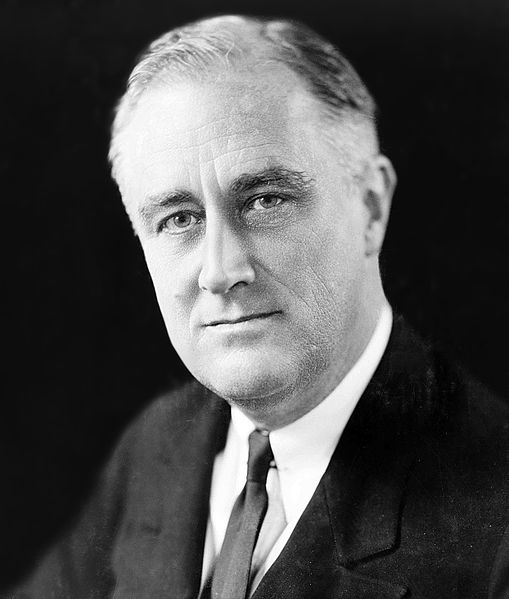
CNN’s Belief Blog, apparently open to contributions only by “successful” (i.e., university employed) religion scholars, nevertheless occasionally comes up with a thoughtful story. One of yesterday’s posts focuses on the fact that Stephen Hawking says Heaven is a “fairy story.” First of all, I have admit being surprised to see that Hawking is still in Cambridge—I could have sworn he was working in the Princeton public parking garage because it is his voice that comes out of the ticket machine. (Times being what they are for academics, I figured he might have needed a second job.) Ah, but appearances can be deceiving! I have had great respect for Stephen Hawking for many years. My own scientific interests must be relegated to a decidedly lay position among the collegiums of scientists, but Hawking writes books that people like me can (mostly) comprehend. Echoing an idea I stressed earlier—we came to the same conclusion independently—Hawking noted in a recent interview that Heaven is an idea devised to cope with fear.
Cosmologists, such as Hawking, speak with authority on the literal heavens. Ironically, the word “heavens” continues to retain its usefulness, even among scientists, for describing everything that is out there. Humans are assuredly small and our place in the universe is miniscule. In our heads, however, we conceive lofty ideas that seem to place our own consciousness outside the unlimited bounds of this universe. Is it any wonder that we can concoct gods? As deeply as they peer into the cold, dark recesses of outer space, astronomers and cosmologists find no room for Heaven. This cosmic inn, no matter how many aliens there may be, is largely empty.
What I find interesting is that journalists of religion find skepticism among scientists newsworthy. While being a rational thinker, as science demands, does not necessarily forego divine entities, using gods as explanations and having trans-dimensional heavens tucked away behind some far asteroid does somehow devalue the power and majesty of our eternal home. We expect our scientists to be skeptical—we wouldn’t often visit a doctor who sacrificed a goat on every office visit to consult its entrails concerning our health. And yet it is newsworthy when a scientist says in a forthright statement that Heaven does not exist. It would be like an evangelical preacher saying evolution never happened. The biggest miracle of all may be that whether it is Dr. Hawking’s doing or not, I actually manage to find parking in Princeton.
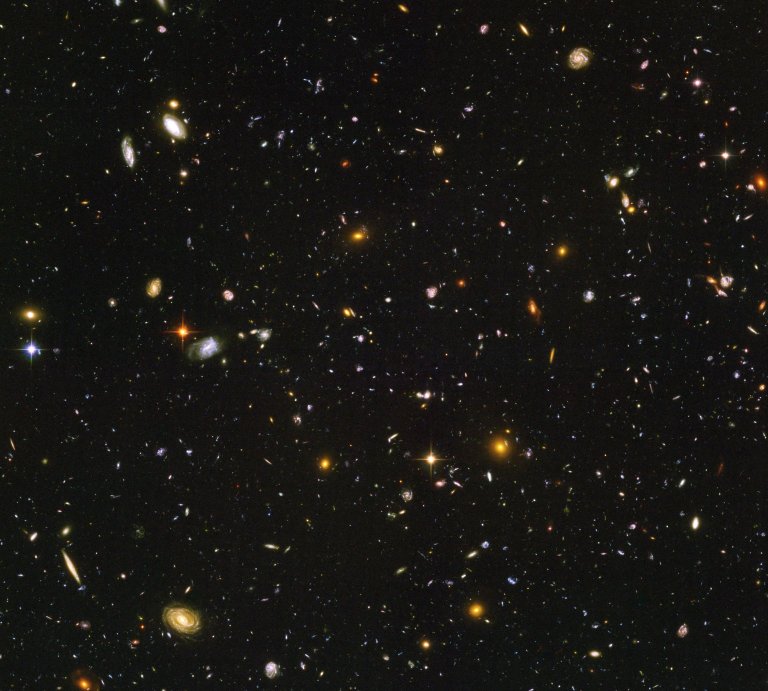
Billions and billions, but no angels with harps...
 Steve A. Wiggins