Artificial Hubris

As much as I love writing, words are not the same as thoughts.  As much as I might strive to describe a vivid dream, I always fall short.  Even in my novels and short stories I’m only expressing a fraction of what’s going on in my head.  Here’s where I critique AI yet again.  Large language models (what we call “generative artificial intelligence”) aren’t thinking.  Anyone who has thought about thinking knows that.  Even this screed is only the merest fragment of a fraction of what’s going on in my brain.  The truth is, nobody can ever know the totality of what’s going on in somebody else’s mind.  And yet we persist in saying we do, illegally using their published words trying to make electrons “think.”  

Science has improved so much of life, but it hasn’t decreased hubris at all.  Quite the opposite, in fact.  Enamored of our successes, we believe we’ve figured it all out.  I know that the average white-tail doe has a better chance of surviving a week in the woods than I would.  I know that birds can perceive magnetic fields in ways humans can’t.  That whales sing songs we can’t translate.  I sing the song of consciousness.  It’s amazing and impossible to figure out.  We, the intelligent children of apes, have forgotten that our brains have limitations.  We think it’s cool, rather than an affront, to build electronic libraries so vast that every combination of words possible is already in it.  Me, I’m a human being.  I read, I write, I think.  And I experience.  No computer will ever know what it feels like to finally reach cold water after sweating outside all day under a hot sun.  Or the whispers in our heads, the jangling of our pulses, when we’ve just accomplished something momentous.  Machines, if they can “think” at all, can’t do it like team animal can.

I’m daily told that AI is the way of the future.  Companies exist that are trying to make all white collar employment obsolete.  And yet it still takes my laptop many minutes to wake up in the morning.  Its “knowledge” is limited by how fast I can type.  And when I type I’m using words.  But there are pictures in my brain at the same time that I can’t begin to describe adequately.  As a writer I try.  As a thinking human being, I know that I fail.  I’m willing to admit it.  Anything more than that is hubris.  It’s a word we can only partially define but we can’t help but act out.


How You Feel

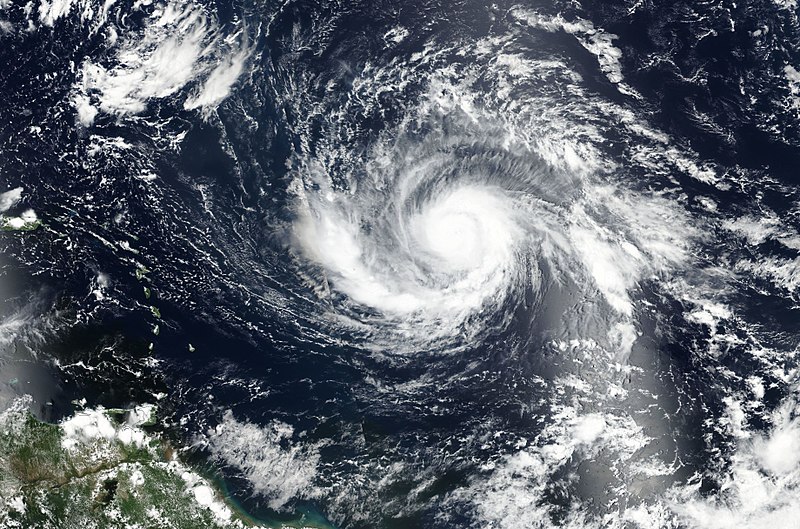
Image credit: NASA, public domain via Wikimedia Commons

Have you ever had someone tell you how you should feel?  This always feels like an odd thing on the receiving end.  Each of us is born, learns from our experiences, and confronts emotions.  Many people believe that they might improve others’ lives if only others would feel the way they think they should.  Interestingly, and simultaneously, at work and in social settings we’re being told to honor diversity.  We are to respect the feelings of others, no matter how uncomfortable they make us feel.  Who is the guardian of others’ feelings?  Emotions are tricky to figure out.  We can clearly see them at work in animals—the age-old flight or fight response, for example, is based on fear.  Still, based on their own experience and temperament, one animal will run while another in the same circumstances will attack.

Emotions don’t come with an instruction manual.  For a not insignificant outlay of resources you may hire a professional to help you work through them.  Or you might learn to trust your emotions.  They evolved for a reason.  Telling someone else how to feel invalidates their experience.  If they feel frustrated, or lonely, or angry, aren’t those legitimate human responses when neither fight or flight works?  Human societies create great complexities.  Some of us like things the way they were.  Many of us currently alive are only a generation away from people who grew up with horses clopping down the street and now all of life is virtually virtual.  How does that make you feel?  How do you even assess what the right feeling might be?

Advice givers mean well.  Perhaps your emotional state causes them discomfort.  If only you would cope the way that they cope then we could all go home happy.  The lament, however, is a time-honored means of expressing frustration when things just aren’t going your way.  We like to believe that good people prosper and that things work out for them in the end.  We like to believe lots of things.  We also have plenty of feelings about them.  Invalidating others’ experience may make us feel better about ourselves.  After all, we have just given valuable advice to someone who hasn’t experienced the situation like we have.  Being a parent may be the best way of learning to empathize and help another human being deal with the always tricky realm of emotion.  The important thing is to let others know that, no matter what somebody else says, only they know how they are feeling.