
This is not a movie to be watched by someone with PTSD. I watched Outpost for the scenery (I’ve been to the area it was filmed many times) and because the New York Times highlighted it. It ended up being the scariest movie I’ve seen since The Shining. I mean the kind of scary where your heart is still battering around your chest even after the credits roll. As an indie horror film it may not be well known. For clarity’s sake I need to say it’s the Outpost released in 2023. The one about a woman who goes to spend a summer in a fire tower to recover from domestic abuse. If you haven’t suffered PTSD, and you’re not as emotionally involved as I let myself become, you might guess by about halfway through what’s really going on. But there are a bunch of people in the northern Idaho woods that you just don’t trust.
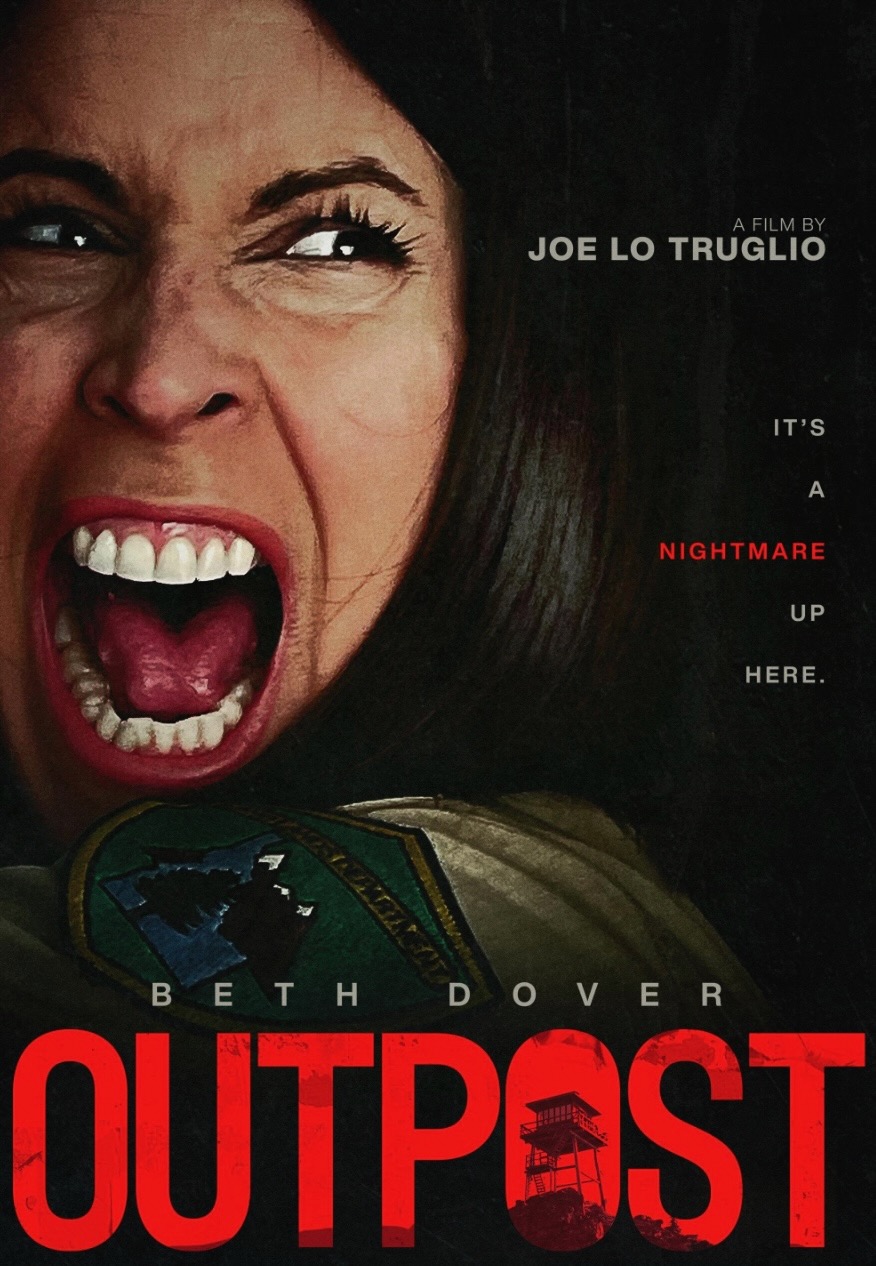
I’ll try not to spoil the ending, but here’s how it goes: Kate was beaten by her husband. And sexually abused by an uncle when she was growing up. Against the advice of her best friend, whose brother works for the forestry department, she takes a summer job on a fire lookout tower. The locals at the store, all men, are threatening in her eyes. Her new boss doesn’t think she’s a good fit for the post, but to help smooth things over with his sister, he lets Kate have the job. Along with lighthouses, fire lookout towers are some of the loneliest places in the civilized world. When a couple of young guys hike by, noting she’s all alone in the tower, your skin begins to crawl. She keeps having flashbacks to the violence in her past. Then she meets an older woman hiker who stays awhile and teaches her how to shoot. A local retiree teaches her how to chop wood.
Kate still doesn’t trust the local retiree. One of her colleagues from the forestry service has surreptitiously taken photos of her and ogles them. And day after day after day she has to follow a routine and sees no one. You get the picture. I don’t want to give too much away, but for some of us this may be among the scariest movies we’ve ever seen, despite most of it being in the clear summer sunshine of northern Idaho. The movie ends with a contact number for the National Domestic Violence Hotline. Joe Lo Truglio, the director, is an actor known for comedy. Outpost makes me think there’s something else behind the laughter.

 Steve A. Wiggins