
“You’re waiting for a train. A train that’ll take you far away. You know where you hope this train will take you. But you can’t know for sure.” Yet you’ve been standing on the windy platform in Newark for twenty minutes and they’ve announced the next train to New York will be an hour late. A man you don’t know says the PATH train will take you to New York, but New York is a big city, and you only go there to work. It must be a snow day. Well, almost. I work for a company that only closes when New York City Public Schools close for weather. Today, kids, school’s open; but all is not lost—field trips are cancelled. And so, the constellation of companies who take their cue from NYPS truck (sometimes literally) their New Jersey-based employees across or under the river, into a city where slush half a foot deep awaits them on every street corner, and that doesn’t slow those muck-flinging cabs down at all.
With the weather we’ve been experiencing this year, I hear a lot of people saying that Mother Nature is still in charge. Allow me to differ. You see, I’ve been researching the weather and the Bible for years now and I’ve come to a slightly different conclusion. In the Psalms, anyway, it is clear that God is in charge of the weather. Given that New York is such a sinful place, I guess none of us should be surprised. Still, I’m not sure the Bible has got this one quite right either. After all, I’ve walked through ice-crusted snow up to my knees for a good part of my walk to the station, and I have my coat open so the cold breeze will cool me down a little bit before I have to walk into work with crazy hair and a scowl frozen on my face. Didn’t some great theologian once say “sin boldly?” No, it is not Mother Nature in charge. It is not even the deity. It is something far more powerful than God—money. Can’t lose a red cent when there are human resources to be utilized.
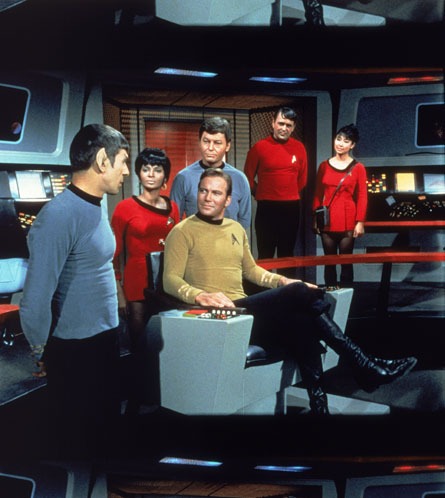
I’ve never been on a Port Authority Trans-Hudson train before, and I’m not sure where this one stops. I heard someone say 33rd Street, and that sounds encouraging, so when the train stops I follow him across the platform. Sheep, as any shepherd knows, will follow a random person who looks confident enough. I emerge from the dark underground, not quite sure where I am, and I just can’t find a Psalm in my heart at the moment, unless it’s an imprecatory one. I stepped out of my front door into freezing rain three hours ago. My trousers are wet to the knees, and I’m a little sick from facing the wrong way on the PATH train for a lengthy ride. The cars, I notice, are shaped like Krell. Yes, this is a forbidden planet and I don’t know where I might end up. Excuse me, Mr. Mayor, but I think you got it wrong. Field trips are not cancelled after all. And I’m not sure I’m even worshipping the right god.
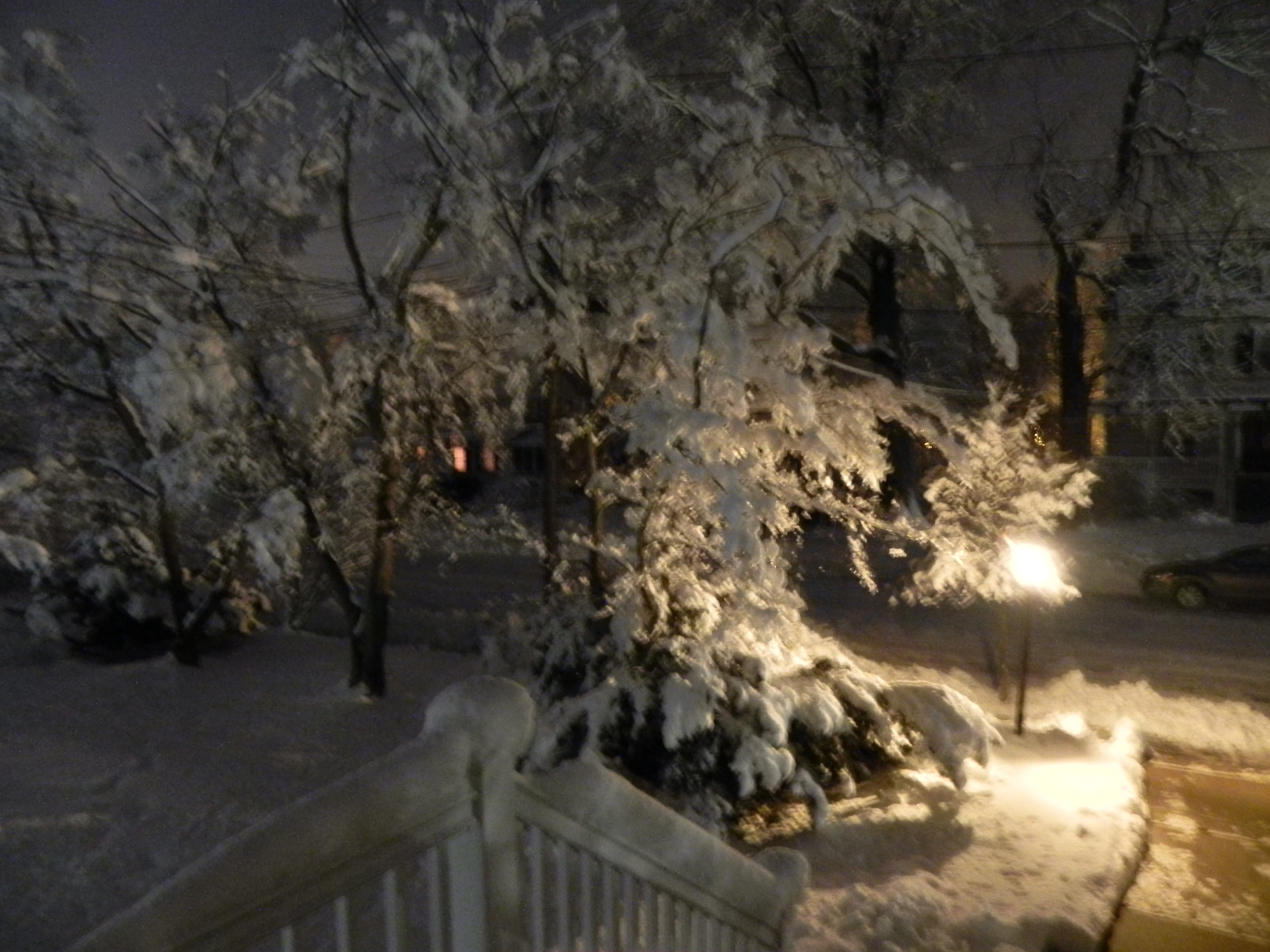
Deceptively peaceful
 Steve A. Wiggins