New Age Present

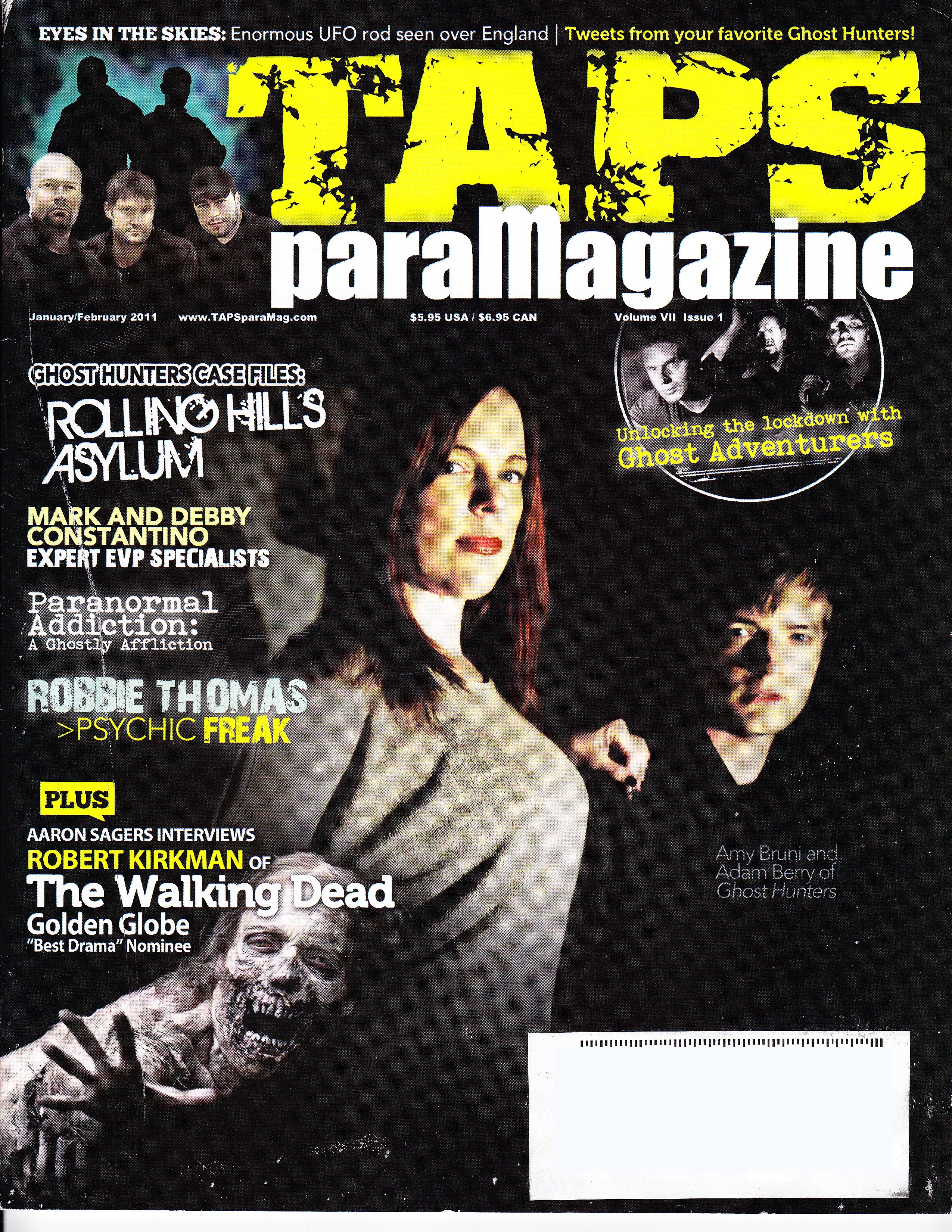
Okay, so I admit I’m curious. As my “six month” subscription to TAPS Paramagazine continues into its second year, itself somewhat paranormal, I get the feeling that I’m witnessing the birth of a new religion. I’ve been in this business long enough to know that new religions are hardly rare, but this one seems an accidental entry into the field. Now ghosts and religion are natural enough as corollaries. Both involve afterlife concerns and the unknown. Having watched TAPS Paramagazine feature fairies, tarot cards, and zombies, however, I wonder if the distinctions are becoming blurred. In this latest issue (January/February) many of the articles make explicit mention of God. God and ghost in the same breath, with the exception of a particularly holy spirit, is an odd combination, given the biblical injunction against mediums.

Spiritualism in the late nineteenth and early twentieth centuries was descried by famous debunkers such as Harry Houdini and accepted by famous intellectuals like Sir Arthur Conan Doyle. It is that liminal area that stays out of the reach of traditional Christianity and Judaism, but strays into the afterlife-prepared psyche. If the dead are out there, they should be able to communicate. Right? And with God’s full approval, so it seems. This latest issue alone suggests that UFOs may be demonic, that clergy may be legitimately interested in ghosts, God may speak through dead children, and that one may become addicted to paranormal investigation. Sounds like a recipe for a New Age mythology. Throwing in light-hearted contributions about the Walking Dead, and suddenly zombies become real as well. Oh, and skunks have a special wisdom.

Traditional Christianity cautions against all of these things (except skunks). When it comes to the supernatural, it claims, there is only one super, supernatural being. The rest are charlatans and wannabes. The Bible certainly does not encourage consorting with ghosts, and yet, in this New Age milieu it is possible to find any remotely spiritual entity touted as proof of reality beyond reality. As Bader, Mencken, and Bader observe in Paranormal America, citizens of this country are inclined to believe. Where does belief lead when there is no pole-star to guide the ship? I sense that we may be steering into uncharted waters. Anyone want to volunteer to be captain? Religions always get to make up their own rules, so feel free to devise your own compass.


Back to Paranormalcy

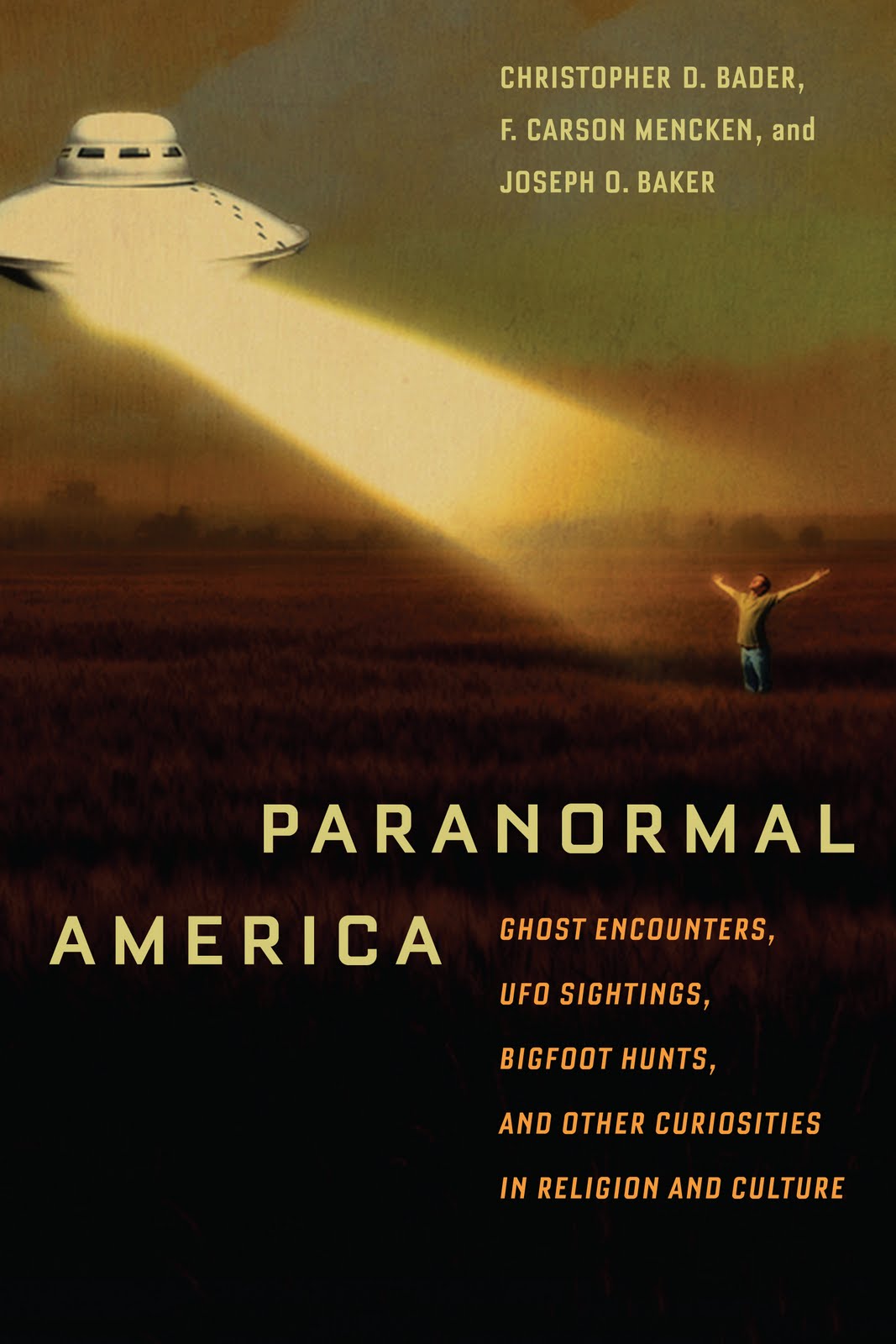
Belief is a paranormal phenomenon. Or so it would seem. Having just finished the fascinating sociological study of Christopher Bader, F. Carson Mencken, and Joseph Baker, Paranormal America: Ghost Encounters, UFO Sightings, Bigfoot Hunts, and Other Curiosities in Religion and Culture, the implications are thought-provoking. I’ve known the work of Christopher Bader, the lead researcher, for some time. Instead of trying to prove or disprove the phenomena under study, he performs a rare feat in actually addressing something most scholars avoid: what people really believe. As becomes clear throughout the book, a substantial majority of Americans believe in some paranormal phenomena at some level. The official story is that nobody believes this stuff, but the numbers beg to differ.

It is appropriate that such a topic should be undertaken by sociologists of religion. One of the difficulties the authors have is differentiating between religion and paranormal. Both religion and paranormal subjects involve going beyond empirical evidence. There is no “proof” that their objects of interest/devotion exist. The authors ultimately decide that what separates belief from God from belief in aliens is a matter of numbers: is it a generally accepted belief or one that is outside the norm (i.e., paranormal)? Since a vast majority of Americans believe in God, that is religion. Since far fewer believe in ghosts, they are paranormal. As I have suggested before, the main problem is one of definition. Religion stands on a continuum with “paranormal” beliefs. One society validates, the other it castigates.

I sensed a hesitation as I read this study. Grouping psychics alongside ghost hunters may seem reasonable, but how do Bigfoot and UFOs fit in? Those who research these latter topics often claim they are physical phenomena, as real as the keyboard I’m using, only undiscovered. Does an unsubstantiated phenomenon qualify as paranormal? Who decides what is really real? Academic institutions often distance themselves from subjects that might be suspect. (They also distance themselves from fair hiring practices as well, but that is perfectly normal.) It seems to me that the problem with “paranormal” comes in the grouping. Some of the individual subjects may indeed have merit: ghosts are perceived, reported, and some would say even photographed and recorded. They make up one of the earliest facets of religious belief. The psychic down the street has a less sure pedigree.

These fringe subjects, regardless of veracity, have a wide following. Even highly educated people generally believe in some form of “paranormal” phenomenon. Religion, widely accepted and practiced, ventures beyond the empirical as well. The difference is only, it seems, a matter of degree. Where is Fox Mulder when we really need him?


Didymus Haunting

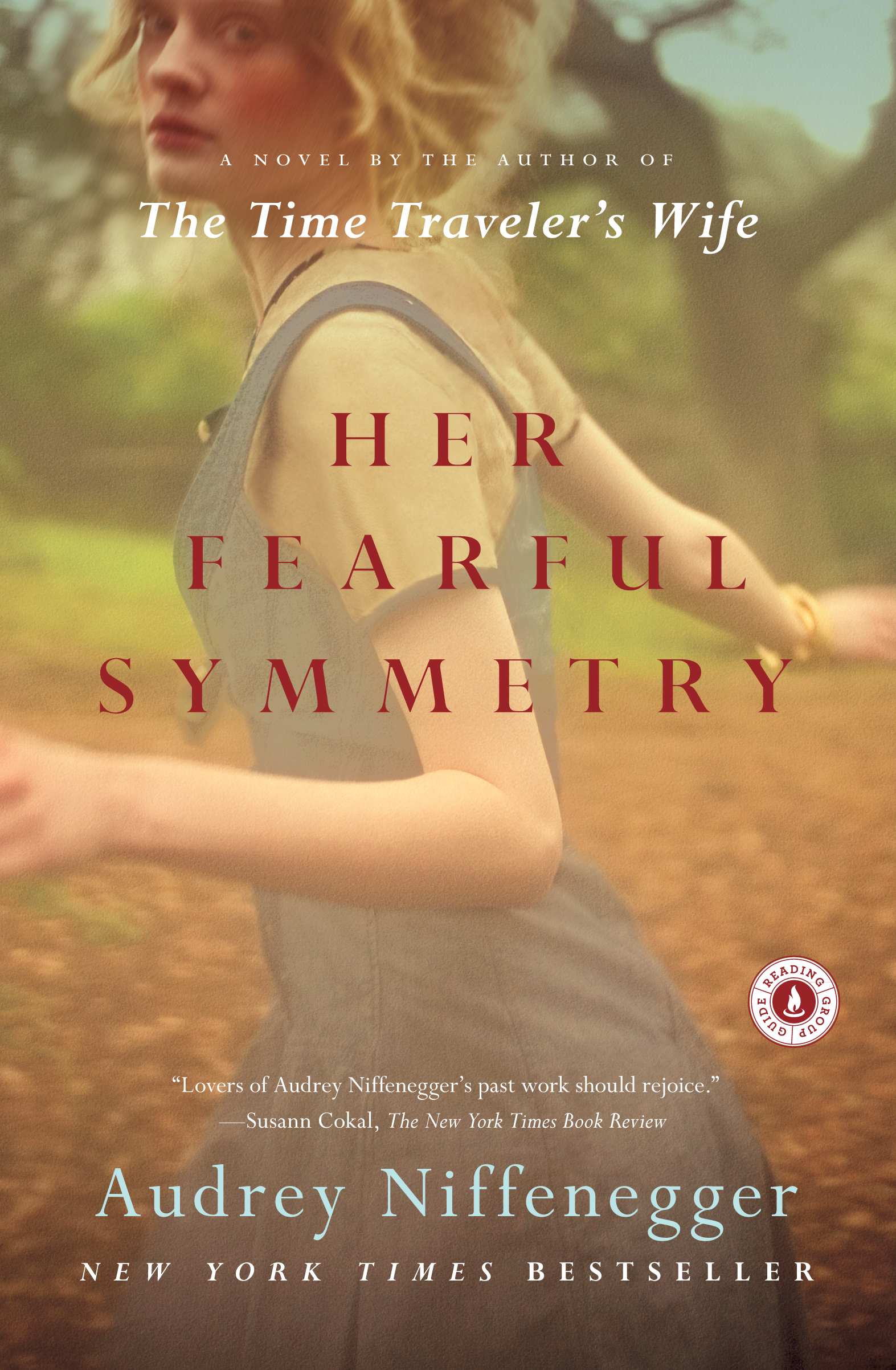
Now that winter is nearly here, the season of reading the autumn books is nearing its end. Each year, in my scant free-time, I seek the perfect book to capture the essence of the dying of the trees, the chill in the air, and the growing length of night. Autumn generates an emotion that is difficult to replicate or even describe. Many people respond by watching spooky movies and those of us old enough to appreciate printed literature turn toward moody books. One of my choices this year was Audrey Niffenegger’s Her Fearful Symmetry. At the constant urging of one of my former Gorgias Press colleagues, I’d read Niffenegger’s The Time Traveler’s Wife this summer. It was well crafted and left me with enough sadness to want to see if this New York Times bestseller might capture the feeling of the season. I was drawn into the book by reviews that mentioned it centered on Highgate Cemetery in London, the scene of a real-life vampire fracas back in the 1970s.

No vampires graced this novel, but ghosts abound. Often Niffenegger’s characters are either wealthy or have managed to obtain fulfilling jobs, features that make them inaccessible to me. Nevertheless, she is able to draw in the supernatural in a way that makes it seem normal and believable. By tingeing her novels with romance she is able to tap into an inexplicably huge readership, but her story development is intriguing even to those who read books with a paranormal slant. It took me a couple hundred pages to really feel much sympathy for many of the characters, but the ghosts eventually take over the story and it becomes very creepy indeed.

For those who’ve ever wondered about the secret lives of twins, Her Fearful Symmetry will provide hours of fascination. The title may be drawn from Blake, but the story is older than Esau and Jacob. The struggle of twins ranges far back in literature and raises questions of what a soul might actually be. Is it possible to share one? What happens when one twin predeceases another? What is the nature of individual identity? Even the Gospels take pains to inform us that Thomas is a twin. I finished the story last night feeling a twinge of autumn, but still hungry. Perhaps it is good that I completed this bedtime reading just in time to get ready for the more Dickensian ghosts of Christmas.


Holy Horror

Back in October, in the spirit of the season, I attended a local lecture by a ghost hunter at a nearby public library. This sincere young man struck me as perfectly normal, but haunted by his ghostly encounters. During the question session someone asked about TAPS (The Atlantic Paranormal Society, of “Ghost Hunters” fame). The lecturer indicated that TAPS is not above fabricating evidence for ratings, a disappointing but not unexpected factor when it comes to television. He even gave some evidence to back his assertions. Nevertheless, my wife’s whimsical six-month subscription to the TAPS Paramagazine has continued on well past its expiration date, and when the November/December issue arrived, I was interested to see a piece entitled “Sacramental Horror: What scary stories can tell us about what is real.” Well, this was too good to pass up.

The article, written by Presbyterian minister Jonathan Weyer, discusses the value of horror films. The juxtaposition of a clergyman and horror films is a little unexpected, but believable. After all, many horror films feature religious ideals clothed in monstrous form. Dividing horror films into Uncanny/Unsettling horror, gross-out horror, and torture porn, Weyer goes on to explain how uncanny or unsettling horror underscores the moral order of the universe and is therefore appropriate for Christian contemplation. He even draws the Nicene Creed into it. Gross-out horror serves the function of making the viewer contemplate death and perhaps even helps to make fun of it. This is a less noble, but still acceptable Christian enterprise. Torture porn, on the other hand, simply has no redeeming value. Sacramental horror really didn’t enter the discussion. Douglas Cowan’s Sacred Terror takes this issue on more directly.

I really don’t expect much insight from a fanzine that treats the reality of fairies and the prognostications of tarot cards next to the genuinely mysterious, such as ghosts. Finding morality in horror films is often a matter of eisegesis. The fear in such films often emerges from the sacred, either in pure or distorted form. Even if “the pure of heart or, often the virgin” survives while “Wrongdoers get put to the axe,” as Weyer states, seldom is that the intended point of the movie. John Carpenter denies that there was a moralizing message in his Halloween, often cited as the movie that established the “good girl survives” motif. The fact is that horror relates to the sacred in the element of fear. If people were not afraid, there would be little for religion or horror movies to accomplish.


Black Monks and Grim Reapers

Last night I assisted my daughter with a stint of volunteering at the local community “haunted house” for charity. This is one of the high points of October, so I was glad to be asked. I reprised my role that I developed for Nashotah House: in that context the character was called “the Black Monk,” based on a local ghost story. While I was on the faculty of Nashotah there were plenty of students who swore the Black Monk story was true, the actual event involved an early student who drowned while trying to walk across water (something many students think they are capable of) – this was actually during the winter, however, and Upper Nashotah Lake is not always as thickly frozen as people assume. The poor student broke through and is buried in the cemetery on campus. Halloween was a major event at that Gothic location until a new, evangelical administration came along. During a haunted hayride, the kids of the community lumbered along on a hay-wagon while costumed students jumped out to scare them. I played along in a costume my wife made where my face was invisible and the flowing black robes eerily blended into the night.

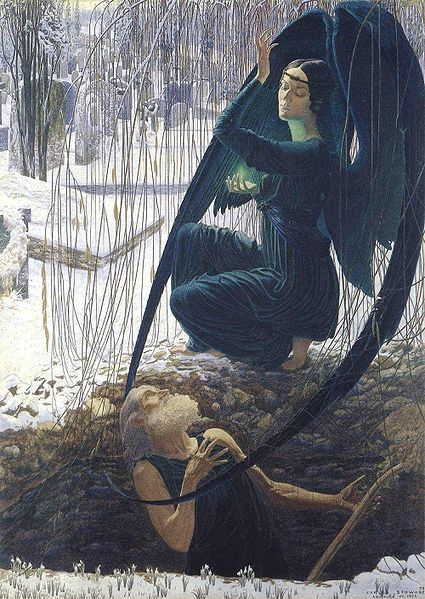
In my current secular context, of course, I was simply The Grim Reaper. This character has a very ancient pedigree. Religions from the earliest times have personified Death as a character that all people inevitably meet. The Mesopotamians had Ereshkigal, the Queen of the Underworld, the Ugaritians had Mot, the god whose name is “Death,” and the Hebrew Bible has “the Angel of Death.” We are often not given a physical description of this baleful but sometimes beneficent supernatural entity. When Revelation was finally penned, Death is one of the four horsemen, and he rides a pale horse, but we do not find many physical details. In the fifteenth century Death was pictured as a skeleton, often with a scythe. His role is that of the classical psychopomp, or guide to the next world. He is not evil, but when the doorbell rings you’d rather hope it had been Avon calling rather than the G.R.

Carlos Schwabe, Death of the Undertaker

Appealing to the fear of the unknown, I lurked last night in the shadows, face completely obscured, not speaking, stepping out to reminded holiday revelers that what is really scary is that which we can not define. When playing the silent ghoul, sudden movements are not necessary to frighten, shouts and screams are unimportant. The simple reminder of mortality and the unspoken question “is he here for me?” are sufficiently frightening on their own. Whether the Black Monk or the Grim Reaper, this character has a natural place on the chilly nights of October. And sometimes it seems there is just not enough October to keep all of us in line.


The Problem with Demons

One of the perks to life among a university community is the special programs that come to campus. As an adjunct instructor with a schedule so confusing that even Escher would get lost, however, I do not often have the opportunity to take advantage of such programs. More’s the pity since next week Montclair State University is hosting an event called “The Real Exorcist.” One of the very few authorized exorcists of the Catholic Church will be speaking on campus. The event overlaps with a previously scheduled class at Rutgers.

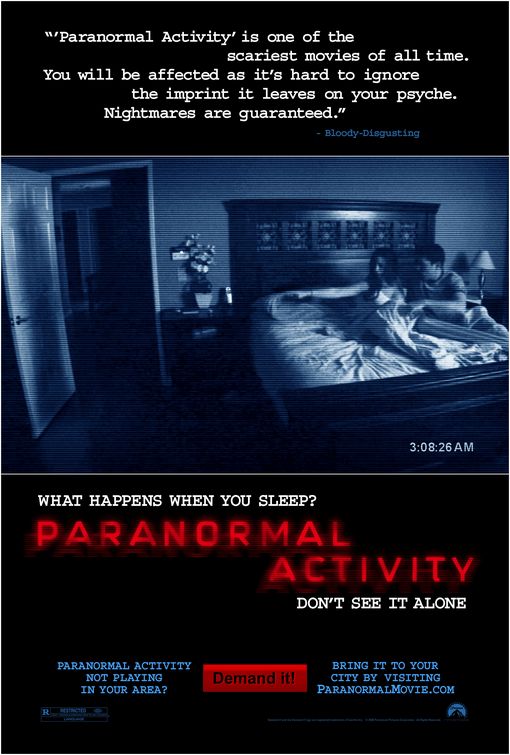
A little disappointed, last night I sat down to watch Paranormal Activity, the indie movie that made such a splash last year. Assuming it was a ghost story, I wasn’t too concerned about watching it alone on an October night. When I discovered it was a demon story, however, I wasn’t sure watching it alone was such a good idea. You see, in the hands of paranormal investigators the demon has undergone a transformation. Ancient Mesopotamians believed in a set of lesser gods who caused misfortune, although they don’t seem to have been pure evil and they didn’t call them demons. By the time we reach nascent Christianity, demons are cohorts of the Devil and are utterly malign and capable of possessing a person making them do the bidding of their dark lord. That’s where they remained on the divinity scale until modern day investigators using scientific equipment found them. I confess to having watched Ghost Hunters a time or two. Here the demon has morphed into a non-human disembodied entity – the very antagonist of Paranormal Activity.

Being aware of the origin of concepts is often a comforting place to be. When I realize that no special revelation has suddenly validated the existence of a baleful creature set to do me serious harm, a relief encompasses me. The problem with demons is that they don’t evaporate so easily. “Invented” by the Mesopotamians to explain misfortune, by the change of the era they had evolved into (largely) an explanation for epilepsy and mental illness. Now today they are back as haunting entities that have no human sympathy since they were never human. Paranormal investigators take them very seriously, despite their checkered theological pedigree. I guess I side with Shakespeare on this one: “there are more things in heaven and earth, Horatio…” After all, it is October and the nights are growing noticeably long.


Seeing God

My daughter reminded me that one further aspect that stood out at the Red Mill Museum in Clinton was the persistence of pareidolia. Pareidolia, or matrixing, is the tendency to interpret “random” data as meaningful. More specifically, it is often used to refer to seeing a person (or entity) where it is not. As I wrote in an earlier entry, it has been suggested that pareidolia is the ultimate origin of religion.

For my purposes here, however, I wonder if the sheer amount of false faces we encountered while at the Red Mill might have some connection with the idea that the property is haunted. Somewhat of a skeptic, I am somewhat swayed by ghost accounts since they are so plentiful and since many of those who report them are reputable persons with good observation skills. Ghosts are, however, impossible to separate from some form of religious thought since they are the ultimate examples of the intangible, unmeasurable phenomenon. If there are ghosts in the laboratory, they haven’t been quantified yet.

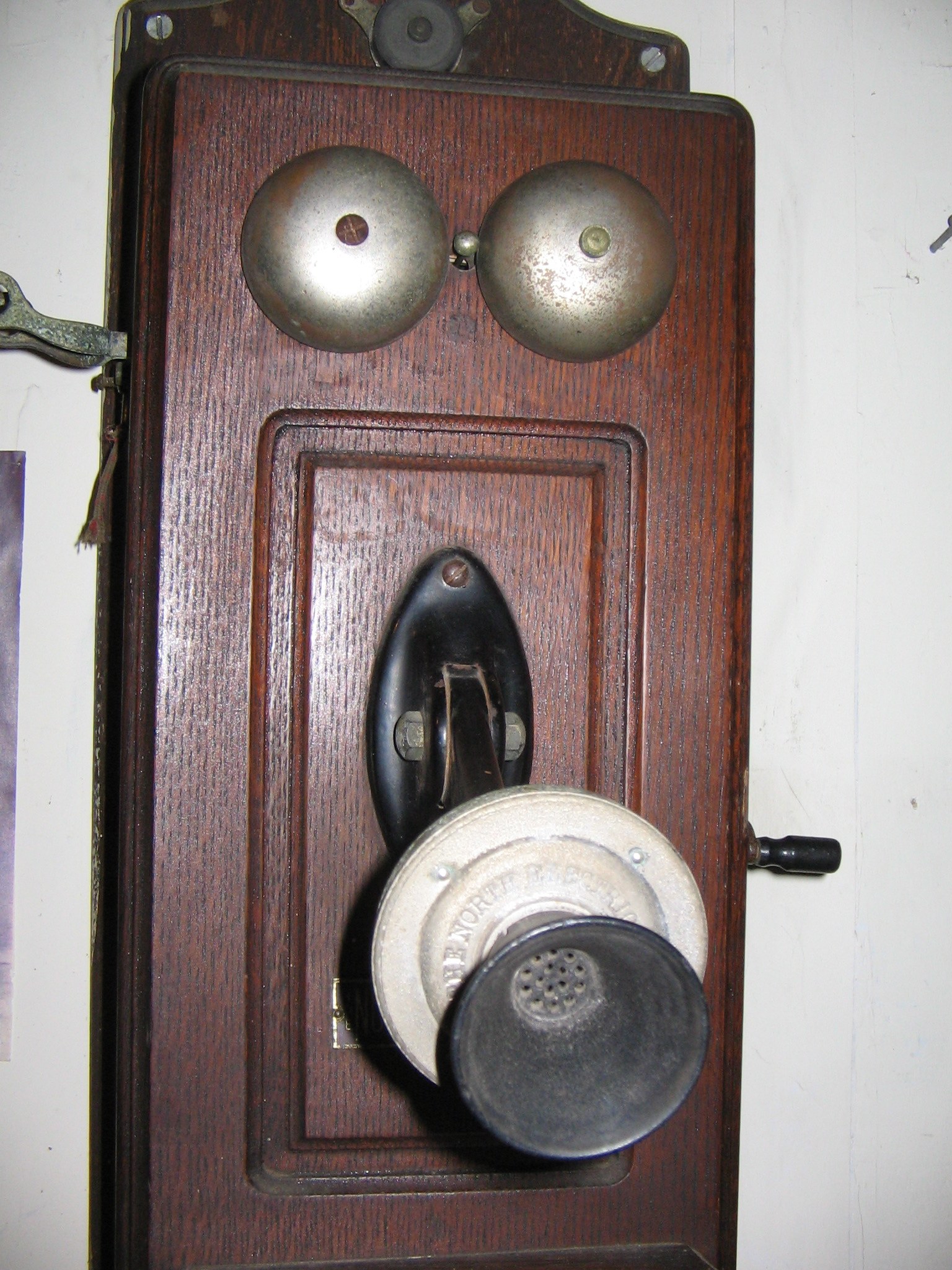
Old buildings, which abound at sites like the Red Mill, are full of knotholes or other apertures whose original hardware has long since disappeared. Round holes, or spots, as many insects and fish “know” are easily interpreted as eyes. Add a horizontal line beneath your “eyes” and you have a basic face.

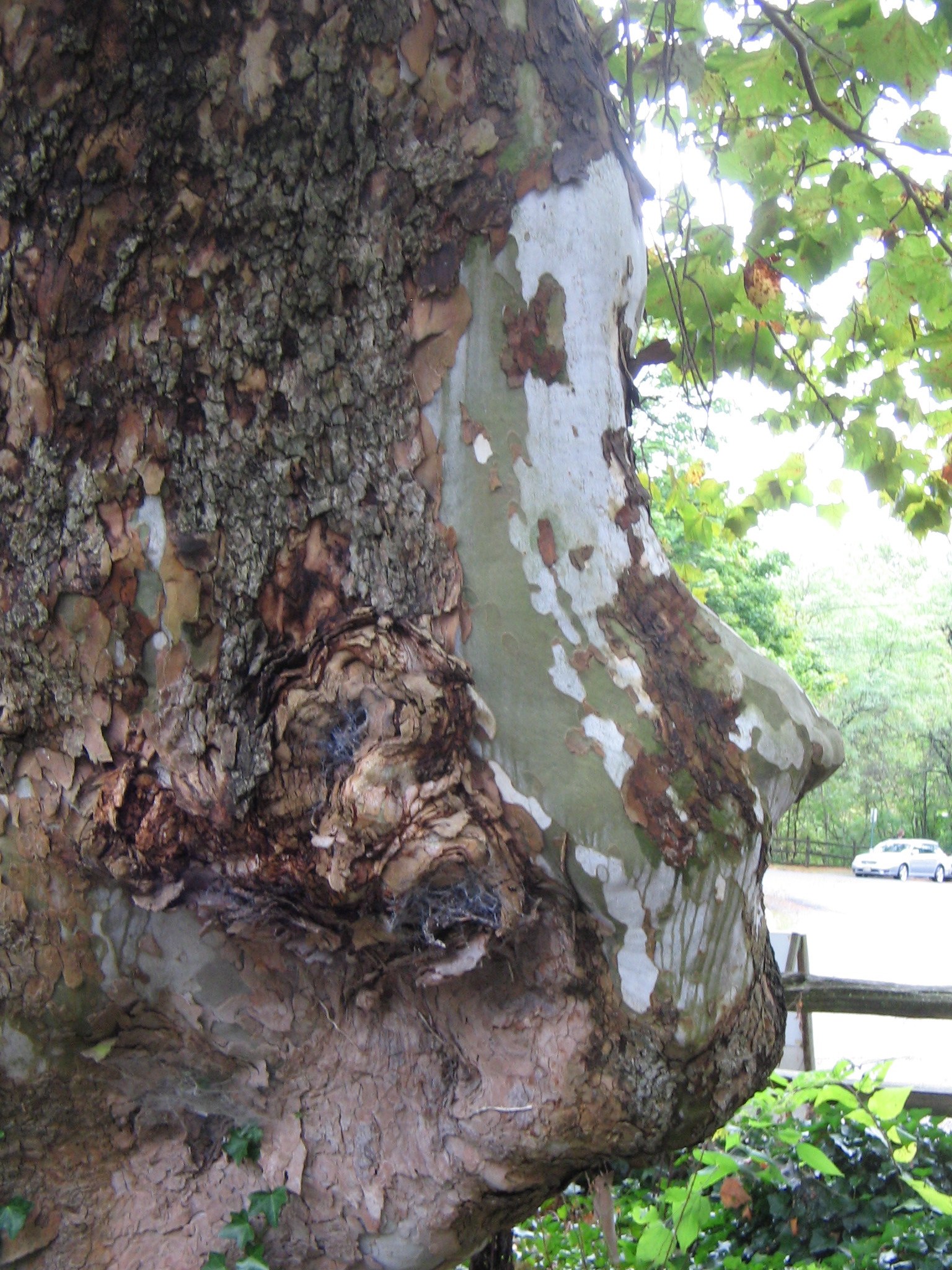
Perhaps my favorite example of pareidolia at Red Mill is an old sycamore tree. A large burl on the trunk bears a striking resemblance to a human profile. This is more easily seen in real life where the mind more easily filters out the distracting coloration and focuses on the shape. Since pareidolia is such a fascinating aspect of the human experience of the world, and since it might, conveniently, be tied to religion, this seemed to be as appropriate a venue as any other to share some great examples.


Random Faces

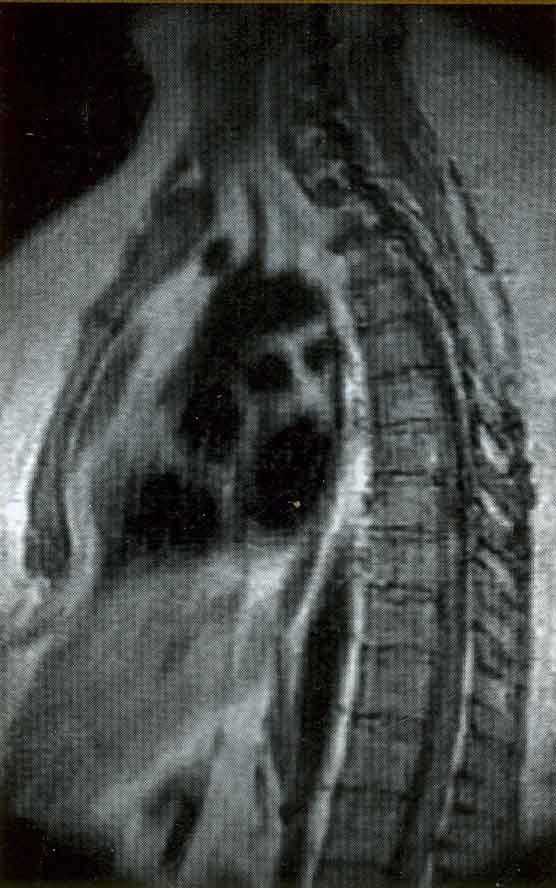
A friend recently sent me an issue of the Annals of Improbable Research that featured an instance of pareidolia on the back cover. Pareidolia, or the brain’s tendency to read patterns in random input – especially faces or human forms, has been a subject addressed on this blog before. Nevertheless, the phenomenon has continued to find wider exposure on the internet, and its implications continue to grow. The Cheezburger folks who brought us LOL Cats now have a site dedicated to pareidolia entitled “Happy Chair is Happy.” The question is not so much why we see faces everywhere, but what do we do about it.

Photo credit: C. Vittore, K. Tribble and D. Savala, Ann. Improbable Research

Perhaps the most prevalent uses of pareidolia in natural phenomena (human-made objects are often funny or uncanny, but the faces may be there by intentional design) revolve around the supernatural. Would-be ghost hunters find what looks like a face in a window or shadowy corner and interpret it as a disembodied spirit. Religious believers of various faiths find the faces of their founders or leaders in natural noise. A tract I saw as a child told the heart-wrenching story of a woman who’d given up hope. She randomly took a photograph of her garden and when she developed it (this was back when film was actually still in use), she found the face of Jesus in among the leaves. Her angst alleviated, she went on to face life with a fresh sense of possibilities.

We often see what is not really there. On a visit to my niece last year, while waiting in the car outside her dorm, I saw a shadow on the wall that looked exactly like the recently deceased Michael Jackson. The shadow was cast by security lights through a bush, but the face was unmistakable. To test my observation, I asked my niece – who knew nothing of the fleeting rock star on the side of her building – if she could see it. Immediately it became obvious to her. An epiphany of Michael Jackson may be a religious event, or at least a supernatural one, to some. In reality it was a temporary arrangement of leaves aligned just right to catch a security light to form a public icon. Putting faith in pareidolia is a very haphazard source of security. However, if it helps someone deal with the stresses and strains of life, what harm is there in seeing Jesus (or Michael Jackson) where he really isn’t present?


Zoroastrian Odyssey

Clinton's Red Mill

Clinton’s Red Mill is a popular New Jersey attraction, but numerous reports of paranormal activity have thrown an additional lifeline to the museum in the form of much-needed revenue in the form of seasonal ghost tours. Last year about this time my family and I participated in one. Touring the old grounds at night can certainly lead to spooky experiences, even for those of us who sit on the fence about ghosts. We discovered that The Atlantic Paranormal Society, the “TAPS” of Ghost Hunters fame, had investigated the Mill the previous year. We watched several episodes of the popular show, and for a lark, my wife bought me a subscription to TAPS Paramagazine for my birthday. All in good fun. I always thumb through when it arrives, but it is hard to take much of it seriously.

The last issue (volume vi, issue 2), however, contained an article about Demonology. Now, I thought I had graduated from The Exorcist and the Exorcism of Emily Rose to a healthy skepticism, but I could not resist reading this article. The first statement declares, “A demon is a fallen Angel that rebelled against God along with Satan, refusing to be humble before, and serve, God” (Adam Blai). While I never make light of things I don’t understand, I did consider the fact that the concept of demons, which derives from a Judeo-Christian mythology, presupposes a mythic war between the powers of good and evil. At the same time, I have been reading up on the Zoroastrians, one of the oldest continuously practiced religions in the world. There can be no serious doubt that the Judeo-Christian tradition borrowed the concept of the demonic from their Iranian neighbors of the ancient Persian Empire.

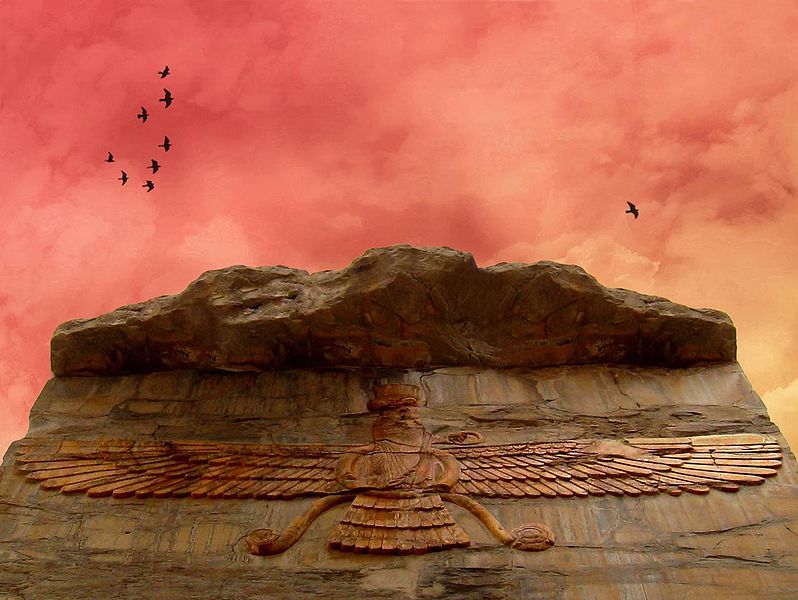
A Zoroastrian fravashi

The implications of the Zoroastrian connection are profound. If the ancient sage and Afghani priest Zarathustra was correct about the dualistic conflict of good and evil, was he not also right about Mithra and the Amesha Spentas as well? Zoroastrianism gave the Judeo-Christian tradition its base concept of Heaven and Hell, but the divinity of fire they did not accept. By picking and choosing what fit best into its experience, Judaism developed into a religion that allowed for Christian demons and angels and all the invisible hosts of the ethereal realms. Today many Christians accept demons as literal beings (less so jinns, although Clash of the Titans (2010) allowed for them). What does this say about the remainder of Zoroastrianism? Perhaps Ghost Hunters should begin with the Gathas and move on to the Avesta? As for me, I’ll be over here, sitting on the fence.


A Walk Around the Watchtower

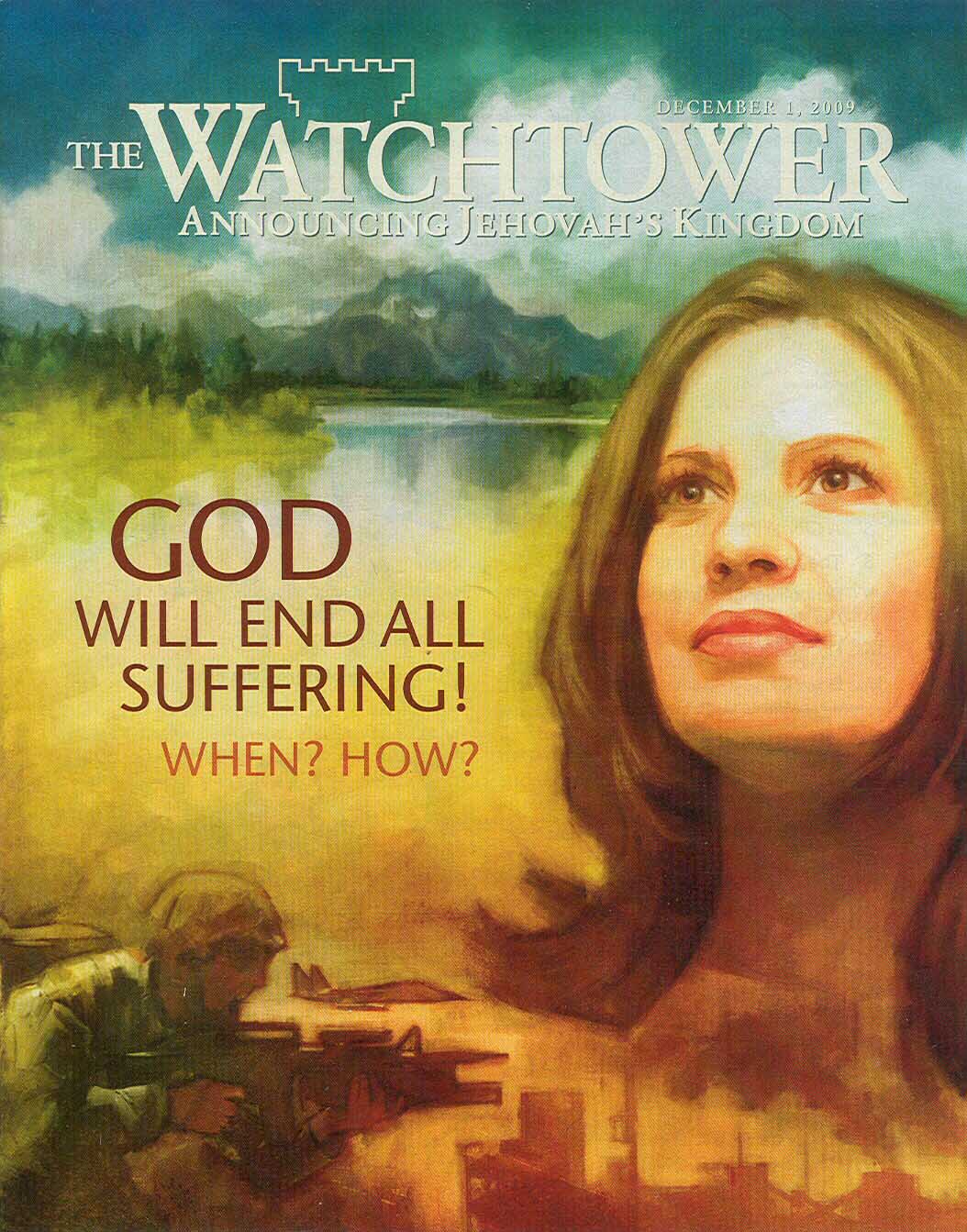
The Jehovah’s Witnesses stopped by yesterday. I never pretend not to be home, and when I’m less stressed out I like to engage them in terms of biblical exegesis — religion is all about conflict. Yesterday I was still recovering from the disappointment of not getting a job I really wanted, so I simply answered their questions and accepted their Watchtower magazine. Thumbing through it, I ran into some hermeneutical obstacles — an occupational hazard for those of us who’ve spent a little too much time with the Bible, I suppose. A story about Joshua informed me that “Jehovah wants you to succeed.” It tasted a little too much like prosperity gospel and not much like life in the present. So I flipped a few more pages.

An article on Lunar New Year (Chinese New Year, as it is traditionally called), warned against Christians celebrating it, in part because of ancestor veneration. The Watchtower declares, “the Bible show that the ‘ghosts’ and deceased ‘spirits’ are really wicked spirit creatures pretending to be the deceased. For what purpose? To mislead people and bring them under their evil control!” Now, I admit to being drawn into the Ghost Hunter fan-base, but I do recall the story of Saul summoning Samuel from the dead. The Bible doesn’t indicate that he’s evil; in fact, it is Samuel himself! If ghosts want to deceive then they need to show up a little more clearly and give more direct messages.

I then learned about King David’s remarkable musical prowess in the story about music in the Bible. It is truly amazing what can be extrapolated from a literal reading of the Psalms. The magazine informs us that King Sennacherib, emperor of Assyria, demanded male and female musicians from Hezekiah. “It seems that they were first-class performers.” This seemed a little too much like the stereotype of Jewish entertainers, and since it was extra-biblical I couldn’t accept it. The story concludes by indicating that music is not a human invention. “The Bible describes music and singing in the heavens themselves, where spirit creatures play figurative harps and sing praises around Jehovah’s throne.” As I pondered what a figurative harp would sound like, I could swear I heard the sound of one hand clapping.

Being that time of year, the issue has an Epiphany story. Well, most Christians associate the wise men with Christmas, so I’ll call it a Christmas story. Eager to be honest, the author notes that the wise men were really foreign astrologers. And although they were into witchcraft, the angel announced Jesus’ birth to them to lead them away from this abhorrent practice. Then a divine revelation came to them in a dream in order that they could avoid Herod and his wicked plan. So the astrology that led them to Jesus was bad, but the end result was good.

When the Jehovah’s Witnesses ask me if I know about the Bible, I look at my feet and kick at an invisible speck of mud on the floor as I admit that I have taught Bible for nearly twenty years. But when they ask what I believe about the Bible I tell them the same thing I tell my students — what I believe is personal and I choose not to share it. I don’t begrudge any person of their religion. I even share the Jehovah Witnesses’ hope that the future may be brighter than the present. If you want to convert a religion professor, even an adjunct one, however, it will take more than a Watchtower to do it.


Ghosts of Nashotah House

A recent search for “Nashotah House” + ghost (not unsurprisingly) brought up my blog. Perhaps I was being bated, but I’ll bite anyway. Who can resist a good ghost story?

A wee history lesson will help to set the scene. Nashotah House is/was a seminary of the Episcopal Church nestled in the woods of what had been the frontier in Wisconsin. Established in 1842, it was originally conceived of as a monastery — an ethos it has tried to maintain ever since. It is a residential campus with both students and faculty required to live on the school grounds. I taught there from 1992 to 2005, long enough to see some strange things.

I admit up-front that I don’t know what to believe about ghosts. Very nearly ubiquitous as a cultural phenomenon (and firmly related to religion), ghosts permeate the human imagination. It is not at all unusual that ghost stories should thrive in a gothic setting like Nashotah; a simple web search will bring out the traditional hauntings of the place, especially those of the black monk. When I made my first visit to campus there were some distinctly creepy vibes that I wrote up as being non-priestly jitters amid the secretive life of the black-robed clergy. For my first two years I would be there for just part of the week, so instead of the usual faculty house to reside in, I was assigned to live in an apartment in Webb Hall. Known simply as “the Fort” for the solidity of its limestone block construction, Webb Hall had been built for a former dean, Rev. Dr. Azel Cole, as a grand three-story residence for the priest and his wife, Betsy. (Episcopal priests can marry, creating a steady siphoning of Roman Catholic priests who love both the liturgy and the ladies.) My apartment was on the third floor of the Fort, the highest point on campus. As the living dean showed me around, I had that oppressive, “something’s not right” feeling, despite the fact that the living room had been newly furnished and had a spectacular view across campus.

The dean pointed out the amenities of the spacious apartment, but when we reached the kitchen/dining area, we found something unusual. In the very center of the floor was a single dining plate, shattered. The dean muttered something about how the cleaning lady must have missed it on her rounds when she had prepared the apartment for my arrival. Otherwise the apartment was spotless. There was a door leading to a private chapel that Dean Cole had constructed. I was told it was no longer used since the only access was through the apartment, but the dean supposed I would be interested in seeing it. We stepped inside and it was coated with cobwebs and a thick layer of dead black-flies covered the floor, especially near the windows. The dean informed me that it was kept locked to prevent clandestine, unapproved Masses from being performed there by renegade priests on the faculty.

The creepiest room, however, was my bedroom. A spare room (for sleeping only, no doubt), furnished with only a new bed and side-table, it nevertheless felt crowded. When something finally did happen in that room it was after I had moved to a regular faculty residence.

[For the rest of the story please see the Full Essays page]