
Late last year scientists announced that a tunnel they’d found on the moon (remotely, of course) would make an ideal location for a human colony. The moon, you see, is quite cold and, lacking an atmosphere, constantly exposed to naked solar radiation. It’s a tough sell, even for first-time buyers. Still, with a little hole to crawl into, and some homey touches, this might be the future of humanity. Of course, offshore relocation has been a staple of science fiction from the beginning. Technically encumbered by the whole speed of light thing, we’re left with neighboring planets and moons that are either too hot or too cold, our species having evolved on the Goldilocks of solar system real estate. Moving to the moon might sound like a good idea right about now, but it’s going to take more than Two Guys and a Truck to get us there.
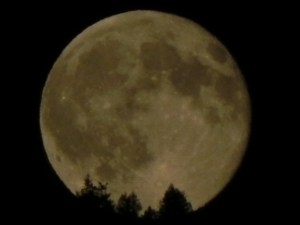
Fantasies of moving abroad come in two varieties—those of optimism and those of pessimism. Either things are going so well that we want to spread the evangel of our soaring success to the universe or things are looking so terribly Republican that even the dark side of the moon seems enlightened. There’s no question which phase we’re in at the moment. The moon is relatively close after all. It has been a fairly quiet neighbor over the millennia. We’ll want some good insulation, however, and despite the Weir version of Martians, we’ll depend on those back earth-side to send us some grub every now and again.
In ancient times the moon was frequently a goddess. Some ancient cultures pegged our satellite as masculine, but many saw her gentle light as more befitting a powerful female. Heading outside in the predawn hours with a full moon overhead is a pleasant, if chilly, reminder of just how bright our constant companion can be. Light without heat. Ancient desert-dwellers found the moon more benevolent than the sun, for night was relief from the fierce heat of day. Still, moving to the moon would meaning making a new world in our own image. Nothing, I suspect, would defile a goddess quicker. Our costly detritus already litters the once untouched face of Luna, and our size-nine-and-a-half prints are permanently left behind there. Heaven has always been that undiscovered country somewhere over our heads. The discovery of tunnels on the moon where we might snuggle down and be free may sound great. But we need to get things settled out on the ground first, otherwise our one and only satellite will merely become our next victim to exploit.
 Steve A. Wiggins