Evil Echinoderms

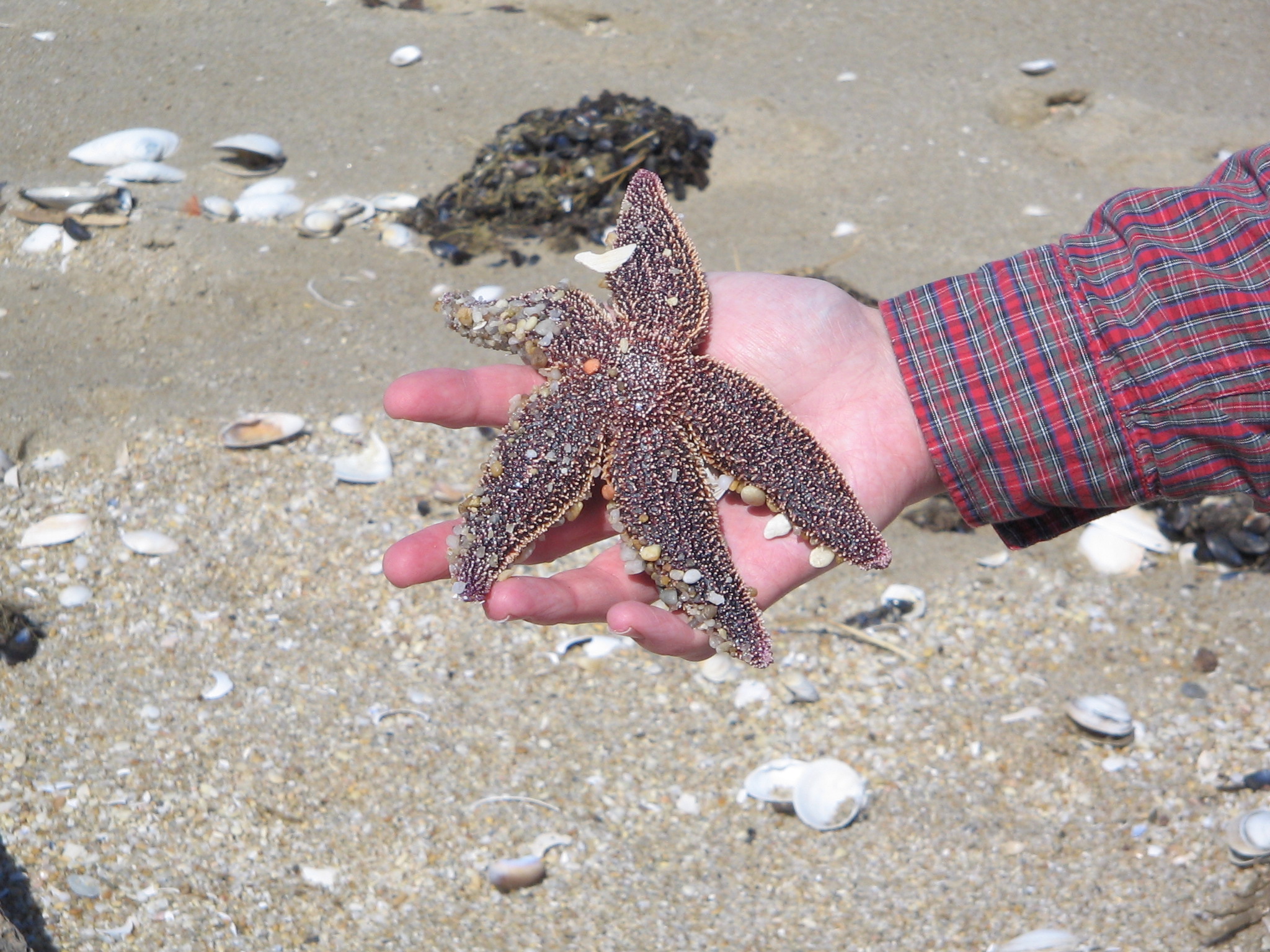
Ever since I can remember, I have longed for the ocean. Not a good swimmer, and not one to eat the myriad creatures that fill its immense waters, I find myself nonetheless drawn to its endless pounding surf and salt spray. Even before I’d read Rachel Carson’s The Sea Around Us, discovered the eternal fascination of Herman Melville’s Moby Dick, or had even heard of H. P. Lovecraft, I knew that I belonged to the ocean. It need not compete for my affection. It had already won. With family visiting this weekend and with an unseasonably warm March weather-system, we went down to the Jersey Shore yesterday to visit my old friend. Sandy Hook is a peninsula that juts up from New Jersey toward New York City, a sandbar of undeveloped free ocean access administered by the National Park Service. During the summer it can be intensely lined with fishermen and sun-worshipers, but in March it was a reasonable place to be. Sea creatures are abundant when left alone, and we saw our first harbor seal of the season, along with a galaxy of sea stars. These echinoderms had eluded me thus far; we’ve been to the shore several times during our Jersey days and had never discovered any. One large sea star had been stranded in an evaporated tide pool. Compassion overcame me and I carried it down to the surf to offer it a chance for continued survival.
Miserable sinner?

Recently I reread Jonathan Edwards’ horrific yet classic sermonic masterpiece, “Sinners in the Hands of an Angry God.” Vividly depicting a furious deity barely capable of restraining his repressed wrath directed toward wicked human beings, but for an uncommon dose of misplaced compassion, Edwards suggests we all deserve ghastly destruction. Edwards underscores one of my recurrent observations about religion – it is a means of control. The great Puritan divinity only accepts penitent Puritans, all others go directly to Hell, not passing Go, not collecting their two-hundred dollars.

As I held that helpless sea star, destined for the cruel, drying rays of an unclouded sun, I did not think of its multiple transgressions. Murderous predators, sea stars consume other sea creatures, including their own kind, in the constant struggle for survival. This one had obviously had a successful run and had grown to an impressive size. I felt no rage, no desire to destroy this killer. Instead, I saw a radiant example of a being evolved to live in an environment that I can not even comprehend, just doing what it needs to get along in its undersea world. And I recognized the wrath of God for what it really is – one man’s unfulfilled plan to decide the destiny of his fellow creatures.

Moby Dickens

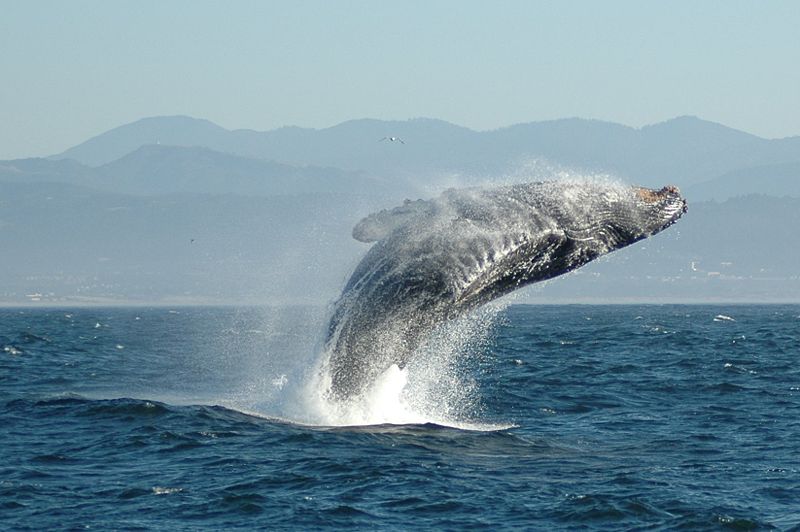
One of the perks, or perhaps afflictions, of not having cable is missing the constant stream of current culture daily rushing by. When I hear others discussing the latest chic program I feel helplessly Bronze Age in the cell phone generation. Occasionally, when visiting family members who can afford to be fully wired, I catch glimpses of what the thousands of networks have on offer. During a visit to my mother’s house last year I caught an episode of Whale Wars. This reality program follows the exploits of the Sea Shepherd Conservation Society as crews attempt to foil whalers going about their daily slaughter. The truly disturbing part of the episode I watched was the enmity of the whalers towards these cetacean saviors — let alone their utter disregard for the intelligent creatures in our seas who have the misfortune of not having evolved opposable thumbs. Armed with weapons for disabling, and potentially killing, their species-conscious fellow homo sapiens, the whalers defiantly claim it is their right to destroy these gentle giants.

I confess to having been an advocate of our animal companions since I was a child. I used to contribute regularly to Greenpeace until the non-negotiable bills of adult life routinely began to outstrip my extremely modest income. These great creatures, the largest our planet has ever yielded, are seriously endangered because of the machinations of their only predators — us. Despite the fact that most whale products are not really necessary for economically deprived families, the gruesome harvest continues. Today’s newspaper carried the story of how the Sea Shepherd’s new ship, Ady Gil, was rammed and sheered in two by an angry Japanese whaling crew’s vessel.

In the light of all this, it may seem hypocritical to admit that my favorite novel of all time is Herman Melville’s Moby Dick. I cringe every time I read his descriptions of nineteenth century whaling, but I draw my comfort from knowing that Ahab’s nemesis is not a physical whale but an invisible, silent, immortal deity. As the tortured captain hurls harpoon after harpoon at the implacable god who caused him so much personal harm, no barb can ever kill Moby Dick. The echoes of Melville’s own subterranean cries against cosmic injustice reverberate so clearly through his prose that I simply can not put the book down once I start to read it over again. My heart goes out to the physical whales, however. They are the innocents being hunted by a predator they can’t stop as they are forced by nature to surface for air. In the cetacean version of Moby Dick, which surely must exist in some form of whale consciousness, they too are being relentlessly pursued by unfeeling gods.