
Few spans of human life are so idealistic as our college years. There we meet many people from beyond our hometown, and we learn the treasures of diversity and different ways of doing things. Ideas mix and blend, and with professors who’ve learned so much telling us all the places we can go, the possibilities seem endless. I find the idealism of college kids refreshing. That’s one reason, I suppose, that I enjoyed teaching them so much. At work you’re far more often told why things won’t work and how they can’t be done. And I find myself thinking back to college and wondering when people lost their sense of vision. When did idealism die?
Yesterday I spent on the campus of the University of Texas at Austin. Between appointments I was crossing a quad area and noticed a bunch of blue and white balloons. We’re all still kids inside when we see balloons. I stopped to look. Then I noticed, across the street (in which sat a very obvious police car) a small group of students waving a Palestinian flag. Several police, frankly looking bored, stood between the two peaceful groups.
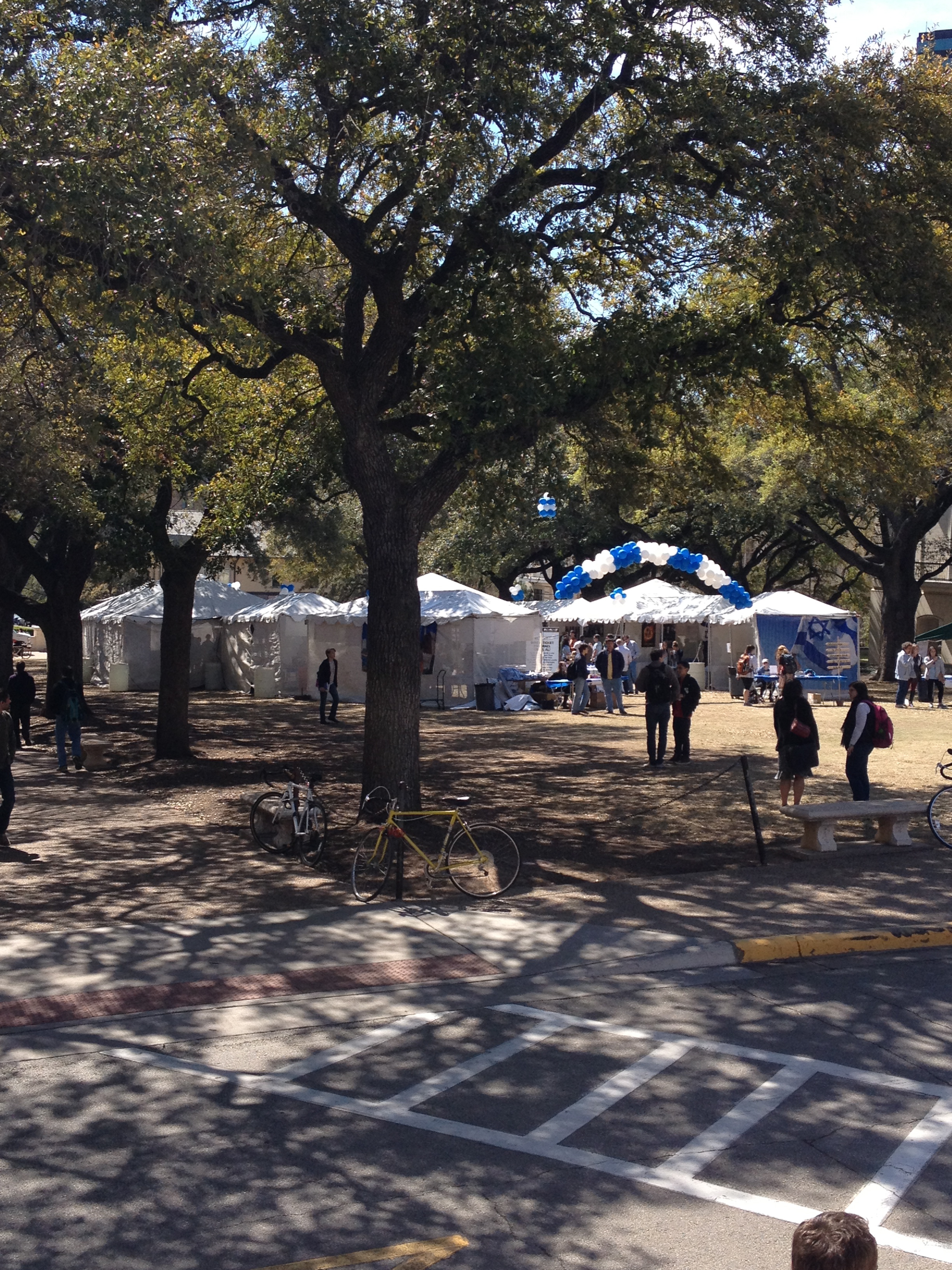
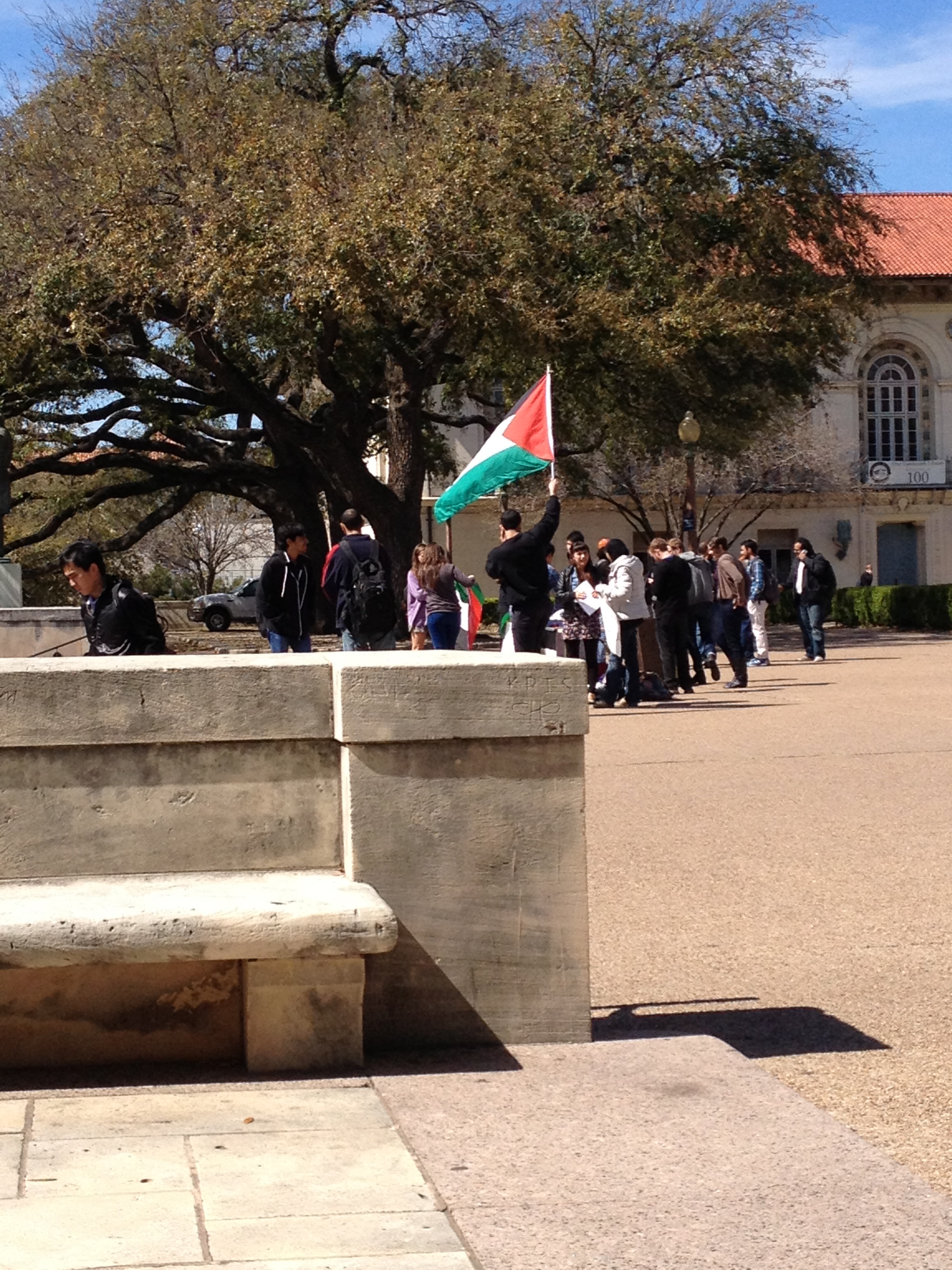
Looking back to the balloons, there were a series of tents set up and a sign read “Israel Block Party.” Obviously this had been a carefully planned event, and we all know the heinous story of the constant persecution of the Jews throughout much of “civilized” history. The simple table across the street bore the sign “Free Palestine.” Less than ten students stood around, handing out literature, peaceful, yet literally flying their flag. Yes, the Palestinians have also been oppressed for much of their history. If only adults could live so peacefully as these students. My heart went out to them.
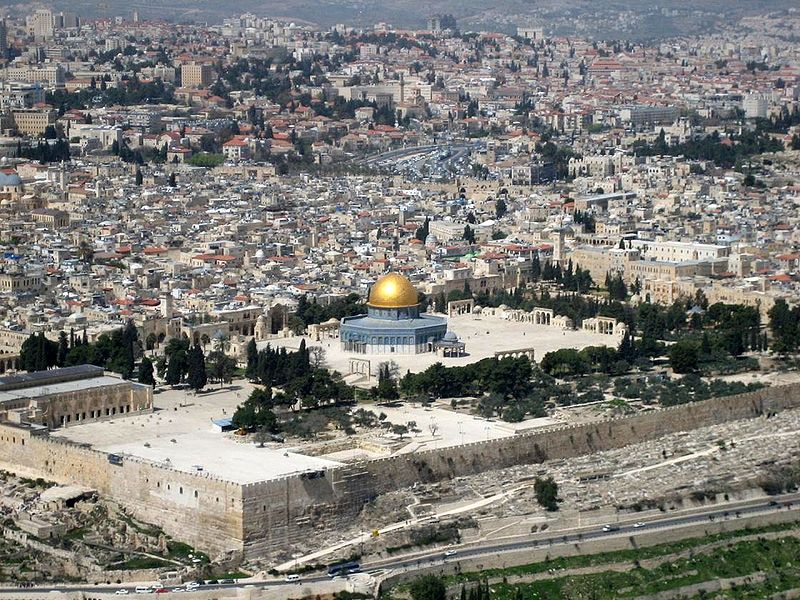
The issue of Israel and Palestine is one of the deepest scars in our collective human psyche. Indirectly, that conflict is responsible for many tragic terrorist acts, including the attacks of 9/11. And it is so frustrating because both sides (and there are actually more than two) are victims. We like our good guys in white and our bad guys in black. I’m still an idealist, after all. Yet in Israel/Palestine we have two historically oppressed groups vying for the very same land. And in the middle of this maelstrom, the Bible. The very book that can be read as an eternal promise by God that the people of Israel should own this land. By 1947, however, we’d stopped relying on God and began relying on guns. And atomic bombs. And life has never been the same since.
Images of the wall going up between Israelis and Palestinians just after the wall went down in Berlin reminded me of Bush’s proposed wall between Texas and Mexico. Here in Texas just about everyone in the lower paying jobs I’ve met is hispanic. And friendly. Grateful in a way that many of us wouldn’t emulate in such low stations. We are all people. We all experience the same feelings, needs, and desires. Why not tear down the walls and let us look at one another? Take a good, long look. And my idealistic self says, if we face another human being with love everything will be all right.
 Steve A. Wiggins