
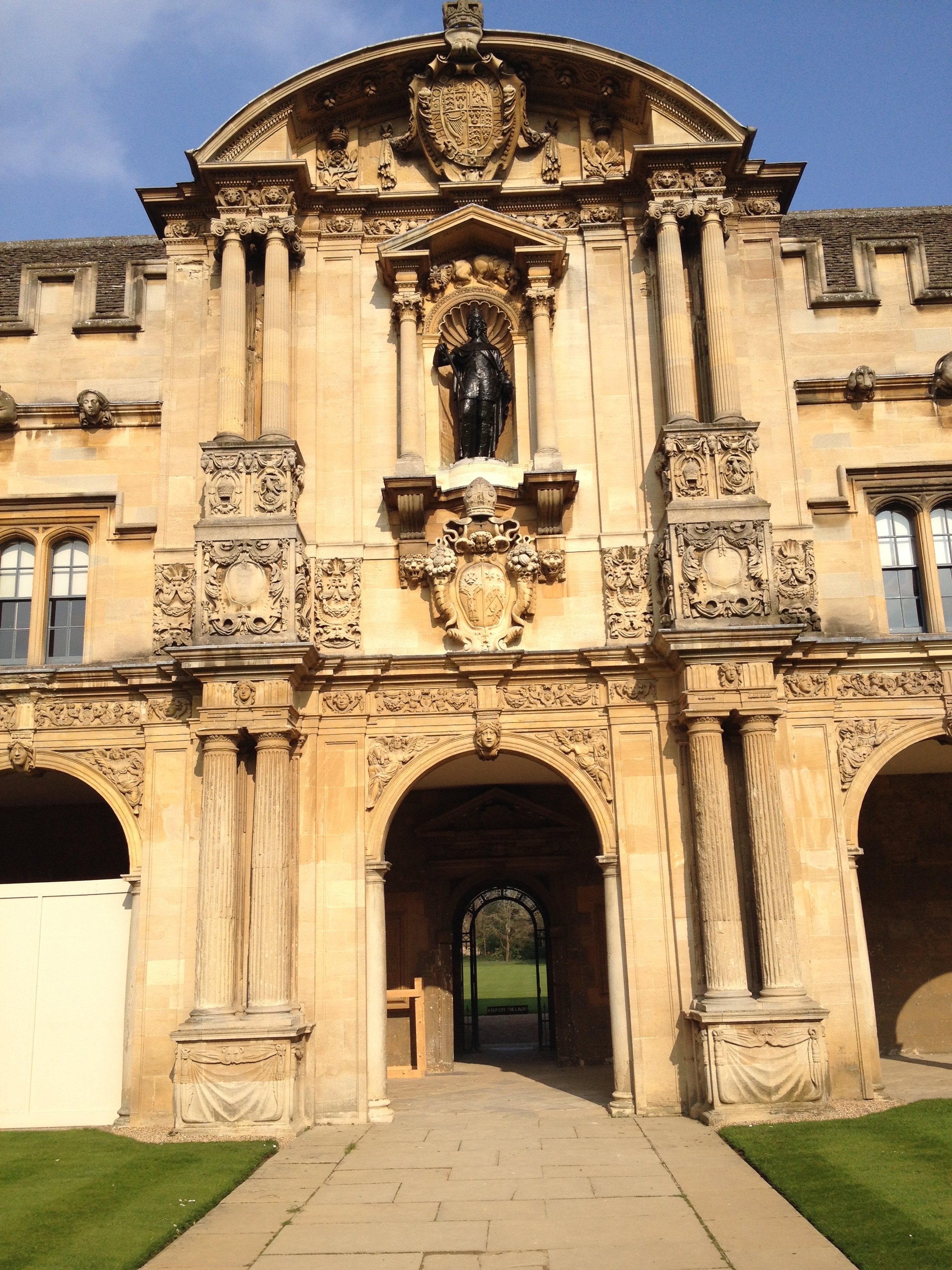
I read The Hobbit and The Lord of the Rings back in college. Although I enjoyed them a great deal, they weren’t enough to swing me into high fantasy. I do sometimes think I should go back and re-read them, but with so many books on my to read list, it’s a matter of time. In any case, I’d read that the movie Tolkien was a good example of dark academia, cinema-style, so I finally got around to seeing it. Although I learned quite a bit about Tolkien’s life from it, as a movie it really never soars. The academia part is pretty straightforward as King Edward’s School and Oxford University play a large role in Tolkien’s life, and in the movie. As does World War I, which is where the darkness comes from. That, and being an orphan. And also a guardian priest who prevents you from being with the girl you love. The movie stays with Tolkien until he begins writing The Hobbit.
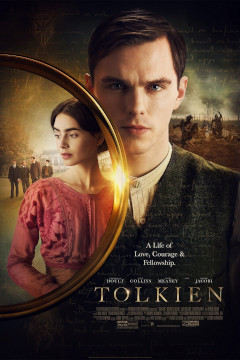
The difficulty with biopics of writers is that trying to portray where they get their ideas is a fraught business. Those of us who write fiction know that inspiration comes in many forms, from dreams, to real life events, to the visit of an unusual shop. Travel, intriguing people, and ideas out of the blue can all trigger a story or novel. How do you capture inspiration on film? A love story is, believe it or not, somewhat easier. The film portrays Tolkien’s early fascination with Edith Bratt, whom he would eventually marry. One thing that I’ve learned from psychology and those who teach storytelling is that certain narratives more or less play automatically in people’s minds. Now, this cannot be asserted universally, but if you introduce a young woman and a young man in a story, many people’s minds naturally begin to bring them together romantically. Showing how a writer goes about their craft is different.
Many biopics of writers are considered examples of dark academia. Probably one of the reasons is that no lives are lived without loss and trauma. People handled traumatic events differently. Many writers use their art as a coping mechanism. I can’t know, but I suspect that such things often lead people to become writers. Poe, for example, keenly felt the loss of his mother at a young age, a trauma that would lead to a lifetime of writing. I hadn’t known, until watching this movie, that Tolkien had become an orphan. I knew little of his life; I’d read his books, and even walked by his house in Oxford, but this movie did provide a bit of context. I’m glad, for that reason, to have seen it.




 Steve A. Wiggins