
Sometimes I forget the beauty of the Bible. With its constant current of misuse in our society, it is sometimes easy to forget that, like an abused child, the Bible is not to be blamed for being the victim. As a civilization we owe a great deal to it, and even on its own, when we overlook the insensitive and sexist parts, it remains a literary masterpiece. Just over a year ago I visited a true friend I’ve known since high school. He is not a religious man, but in his living room, on a stand, stood open the Bible. It is more than a jingoistic symbol. Even the more we become aware of other great spiritual writings: the Rig Veda, the Tao Te Ching, the Gilgamesh Epic, we shouldn’t let the sublime messages from the Bible escape our notice. Even in this secular, workaday world, the words of the Sermon on the Mount often come to me, grand and resplendent. Parts of Isaiah still bring tears to my eyes. Writers from Shakespeare to Bradbury drew on its noble sentiments.
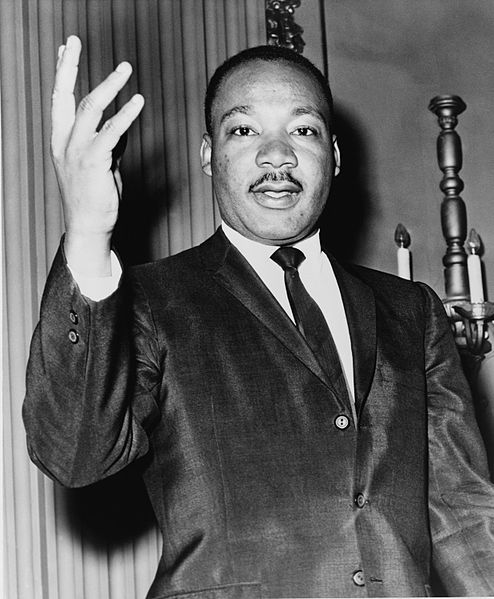
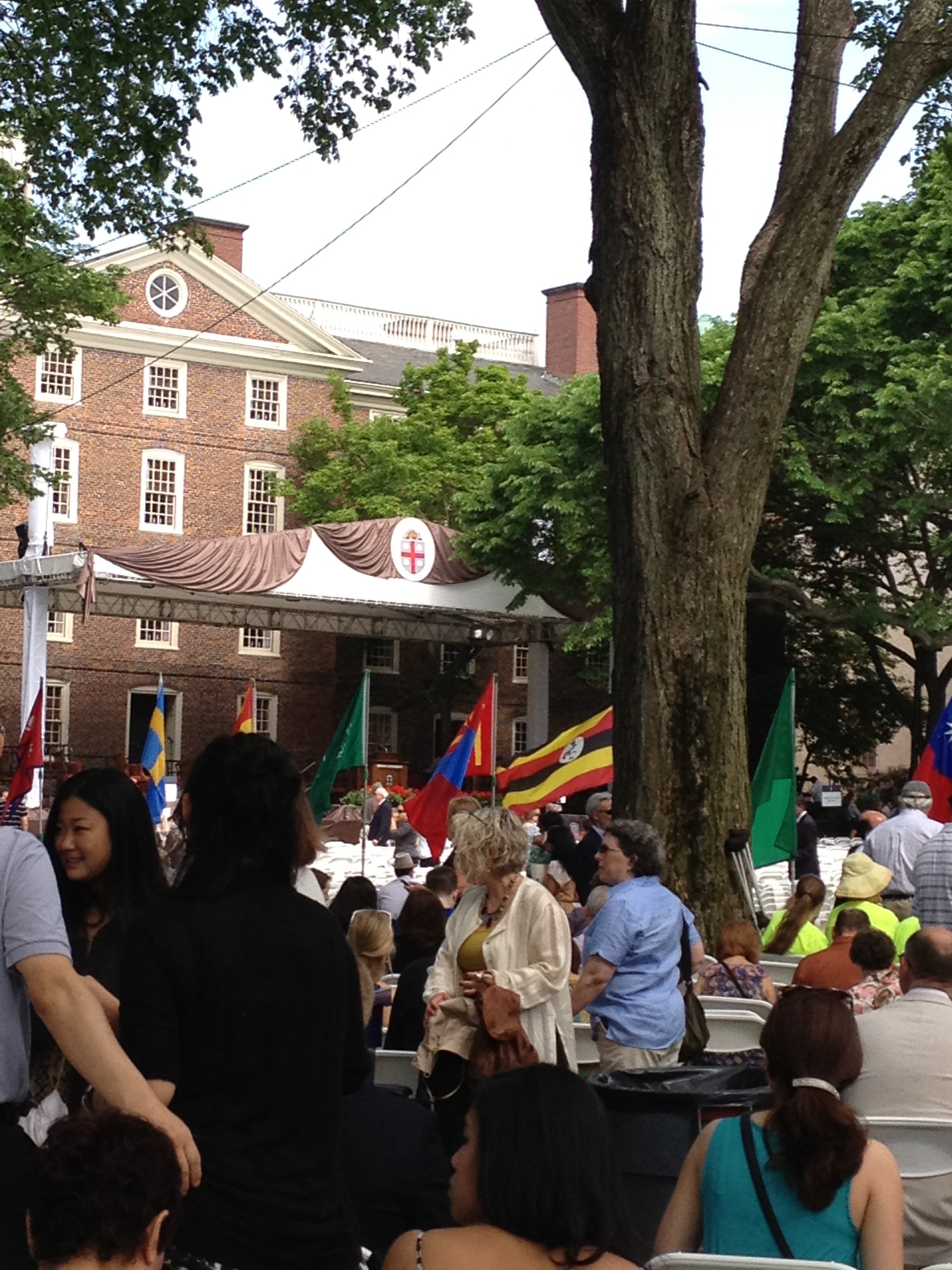
The Bible comes to mind when thinking of Martin Luther King, Jr. Our chronological spans overlapped by just five and a half years, but I followed him to Boston University School of Theology, walked the same corridors he did, meditated in the same chapel. Even then, some two decades after his martyrdom, his vision had not been fully realized. It still remains unfulfilled. At Brown University in May of last year, I was fortunate enough to be in the crowd when John Lewis received an honorary doctorate. His remarks to the crowd were humble, few, and profound. He said he never thought of the civil rights movement as a way to greatness. He was only trying to help. He admonished the affluent, the comfortable sitting on a hot Ivy League green, “Find a way to get in the way.” Injustice must come to end. The color, gender, sexual orientation, place of birth or financial status of no person should ever be used to judge her or him. With remarks I’ve heard about President Obama, most vulgarly on Facebook, we still have a long, long journey ahead of us.
In a day when the internet weaves millions of people into a fabric that should remind us we are all part of a whole, some still insist that their shading, location, or special pedigree make their part of the cloth the most valuable. Even as revolutions against injustice—something with which Americans especially should sympathize—take place in “backward” nations by using social media, we in the “first world” still judge one another by the origins of our ancestry and the mythical superiority of our skin tones. The greatest asset the United States offers to the world is its unique blend of people from everywhere. Our country demonstrates what can happen when people from every continent put their minds and wills together to work for the common good. This clashes with the biblical brand of separatism, I know. But even Isaiah, even if it is in his third incarnation, reminds us, “Also the sons of the stranger, that join themselves to the Lord, to serve him, and to love the name of the Lord, to be his servants, every one that keepeth the sabbath from polluting it, and taketh hold of my covenant; Even them will I bring to my holy mountain, and make them joyful in my house of prayer: their burnt offerings and their sacrifices shall be accepted upon mine altar; for mine house shall be called an house of prayer for all people.”
 Steve A. Wiggins