
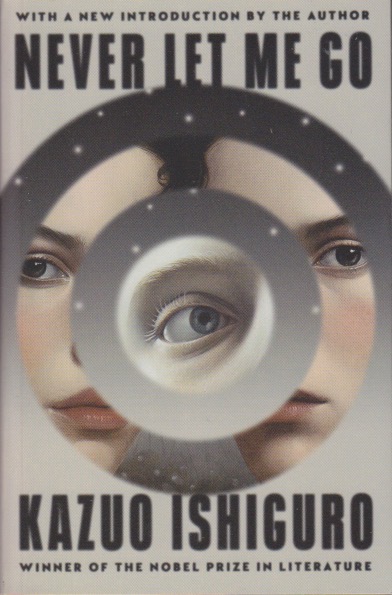
I should’ve known from the title that this would be a sad story. Kazuo Ishiguro’s Never Let Me Go won the Nobel Prize in Literature, despite being speculative. It’s only mildly so, but enough that it is sometimes classed as science fiction. It’s appropriate that a twentieth anniversary edition was released because it is an extended consideration of the price of technology as well as dehumanization. I’ll need to put in some spoilers, so here’s the usual caveat. I read this novel because it’s often cited as an example of dark academia and it certainly fits that aesthetic. It starts out at a private school called Hailsham, in England. The students are given some privileges but their lives aren’t exactly posh. Most of their possessions are purchased on days when a truck sells them things they can buy with money they earn by creating art. They aren’t allowed to leave the school. Spoilers follow.
The special circumstances of the children are because they’re clones being grown for replacement organs. The public doesn’t want to know about them or interact with them. In fact, most people believe they don’t have souls, or aren’t really human. They’ve been created to be used and exploited until they die, always prematurely. While this may sound grim, the story is thoughtfully told through the eyes of one of these children, Kathy. She becomes best friends with Ruth and Tommy, who later become a couple. Ruth is a difficult personality, but likable. As they grow they’re slowly given the facts about what their life will be. They’re raised to comply, never to rebel or question their role. Most simply accept it. Kathy, Ruth, and Tommy, in a submissive way, try to get a deferral regarding their “donations.”
I suppose it’s presumptuous to say of a Nobel Prize winner that it’s well written, but I’ll say it anyway. Ishiguro manages to capture the exploratory friendships of youth and reveals what you need to know in slow doses, all told with a compelling, if sad and accepting voice. Although the genre could be sci-fi, it’s set in the present, or, more accurately, about twenty years ago. The technology, apart from the cloning, is about what it was at the turn of the century, or maybe a decade or two before that. With what we see happening in the world right now, people should be reading books like this that help them understand that people are people, not things to be exploited. And that Nobel Prizes should be reserved for those that are actually deserving for their contributions to humanity.
 Steve A. Wiggins