
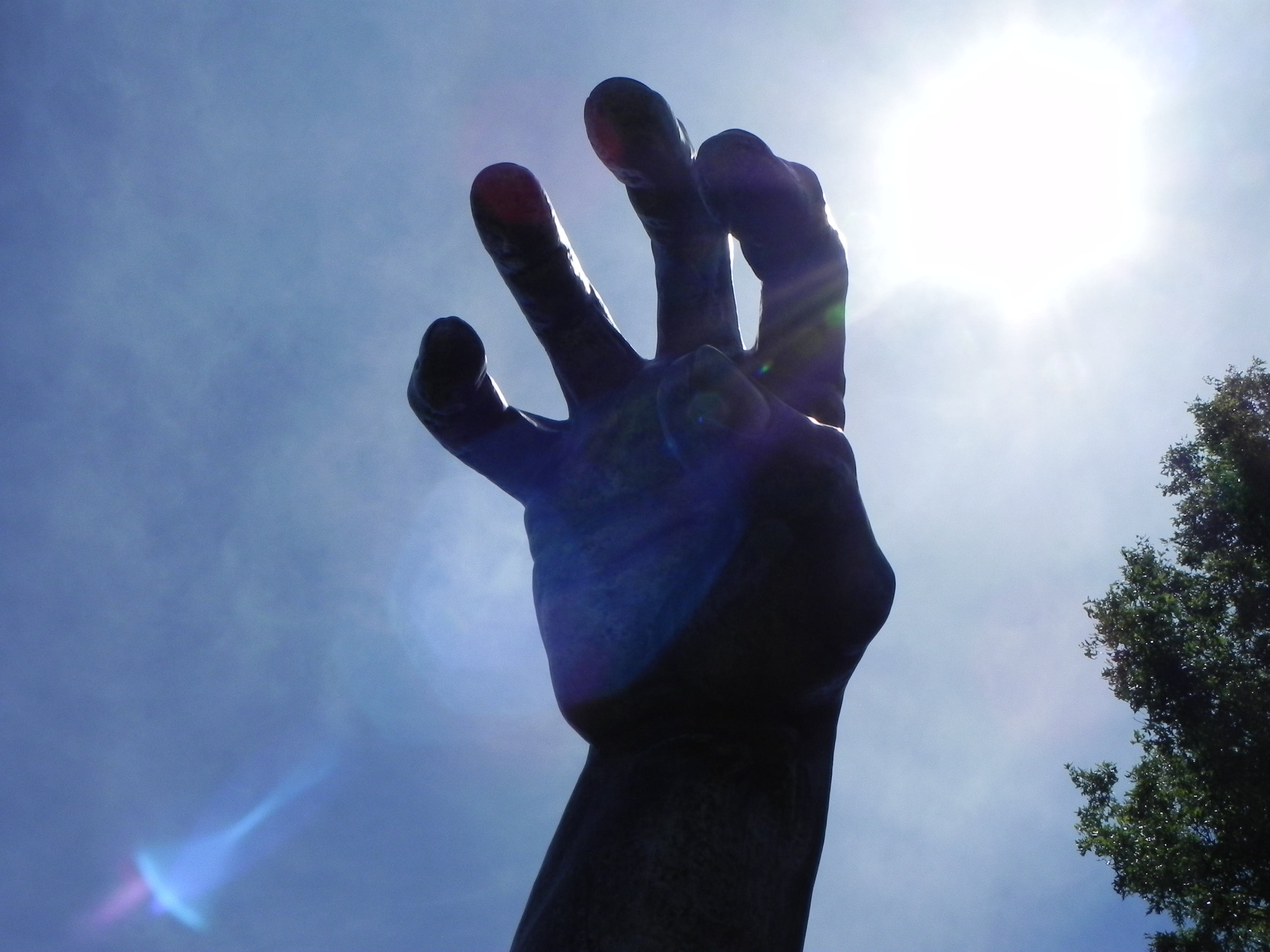
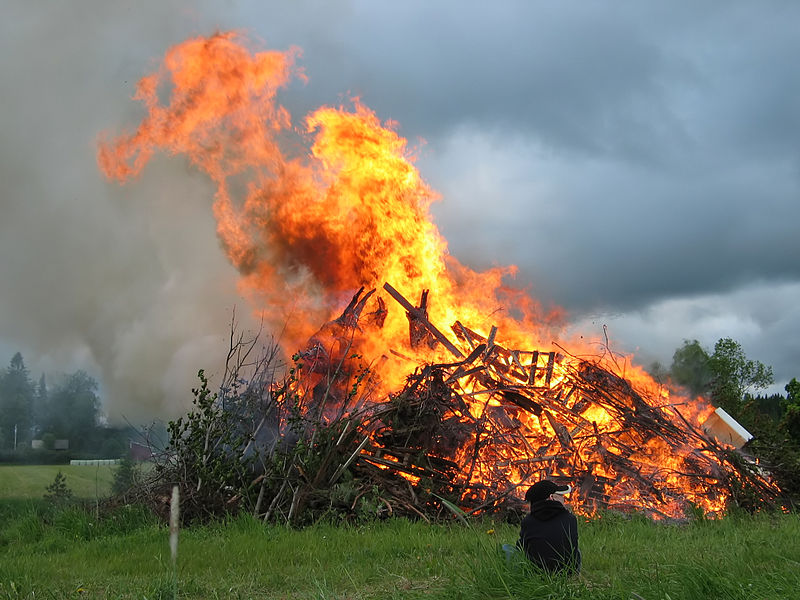
Two holidays in a row! Although today nobody gets off work because, well, two holidays in a row is too much. People might come to expect a little more time off. If you’re like most people, the summer solstice creeps up on you. Its more somber sibling, six months from now, is more anticipated. In December we’re light deprived (here in the northern hemisphere) but we’ve been soaking in the sun for some time already now. Besides, nobody gets the four turns of the year off work. Christmas is a gimme, but it comes three or four days after the solstice. We figure Labor Day is close enough the the autumnal equinox, and thank God Easter is a Sunday, at least in the years when it’s near the vernal equinox, so nobody complains. I feel at my most pagan these days. Why not celebrate the turning of the wheel?
The other day I was catching up on the Vlog Brothers—John and Hank Green. Last week they were talking about “Beef Days,” or how to reduce the amount of red meat they eat. They proposed doing it by setting aside a few holidays a year where they would have it. Their reason? The biggest environmental threat to our planet is our dependence on beef. It’s the reason rainforests are being clear cut. It is a huge source of greenhouse gasses. The one thing they didn’t mention, however, is the suffering of the animals themselves. Industrial farming leads to horrible lives being raised to be consumed. The conditions in which animals are kept is so bad that it is illegal in some states to reveal the conditions to the public. You hide things that you’re ashamed of. I became a vegetarian a quarter century ago, and a vegan coming up on a decade now. I can’t live being the cause of the suffering of others.
Why not use the ancient holidays as days of some kind of indulgence? I don’t recommend eating red meat—in fact, I agree with my Edinburgh friend that if you want to eat meat you should be required to kill it yourself. (He’s not a vegetarian, note, but a wise man.) In any case, although you may be stuck behind a desk at work, take a moment to ponder that light will be slowly fading from this day on until we reach that other pole that turns another year. And we can dream of shortened work weeks, although that’s about as likely as being given the summer solstice off as a matter of course. Speaking of which, work calls.
 Steve A. Wiggins