
It really used to bother me. Other kids in kindergarten or first grade called them “crabs.” The picture, however, clearly showed a lobster. Quiet and introverted, at least I knew how to tell apart basic body plans. It’s a weakness I’ve always had—the need to correctly identify. This didn’t come from my family, who really seem not to be bothered about such things. It came from somewhere deep inside. A lobster is not a crab. The same applied to toads and frogs, or any number of other fine distinctions. Now I confess that I try to stay away from Nextdoor.com. It seems that no matter what anyone writes the comments immediately turn political and belligerent. Such is our world. But when someone can’t identify an animal, that’s clickbait to me. I just have to take a peek.
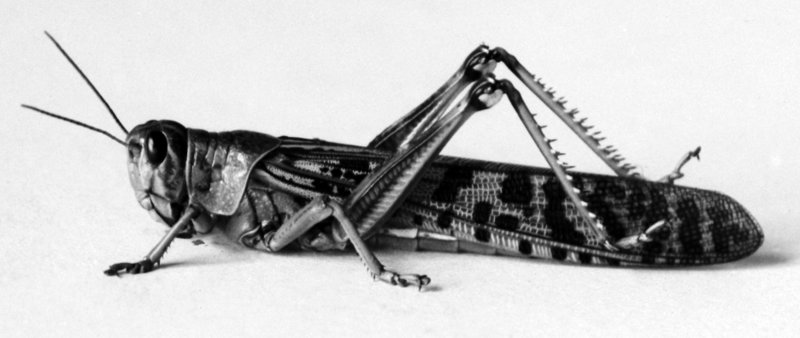
A couple of months back a woman posted a photo of a cicada. I didn’t chime in because at least thirty other people already had. The thing was, several locals said it was a locust. Even after previous commenters had sent helpful links showing the difference between a cicada and a locust. Probably it comes from many years of teaching biblical studies, but I couldn’t believe anyone would misidentify a locust. Mind you, when I taught the book of Joel we talked quite a bit about locusts—they are amazing creatures. In a pre-market economy, they were also deadly. They don’t attack people like they do in horror films, but they will eat every green leaf for as far as the eye can see. They travel in huge swarms, capable of blocking out the sun when they fly overhead. Cicadas are harmless. Noisy but harmless.
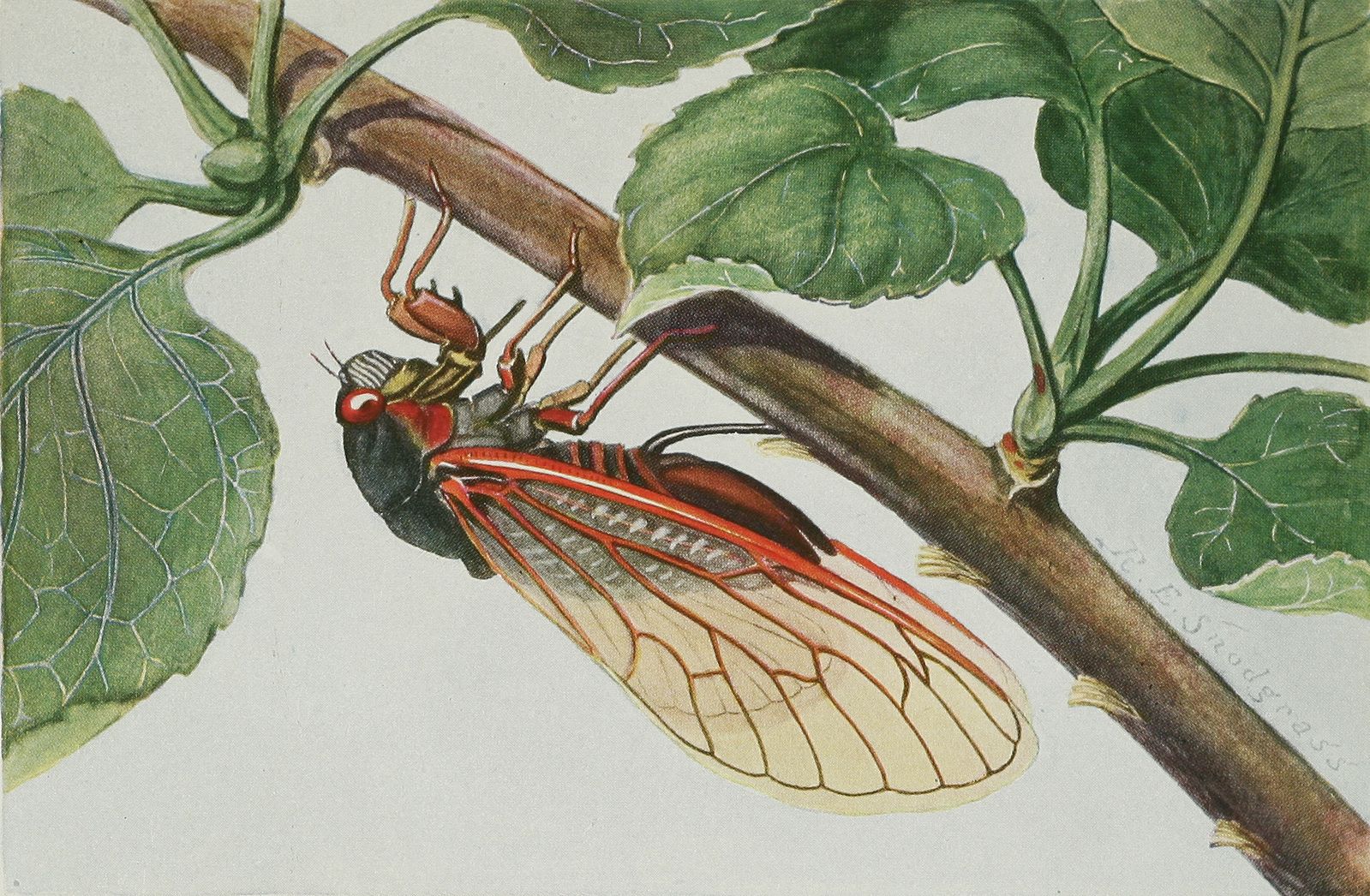
How someone can live in the world and not care to know the other things that surround them I cannot fathom. I can understand mistaking similar creatures—some animal mimics can be incredibly effective. A locust, however, looks nothing like a cicada. They’re both insects, yes, and they both have wings. The similarity stops there. Life is complicated, I know. There’s a lot to learn. As a writer one of the things constantly using up my time is trying to find the right name for a thing I know by sight but have never heard called by its noun. With the internet, identification of critters has become somewhat easier. But only somewhat. You have to know where to start. I still have the well-thumbed animal identification books from my childhood. Outdated, yes. Coming apart at the spine? Definitely. Full of childhood memories of learning what things are? Of course.
 Steve A. Wiggins