
Dan Brown’s The Lost Symbol comes out tomorrow, and I, for one, will not be standing in line to purchase a copy. I actually read his previous two Langdon stories in the correct sequence — Angels and Demons then The DaVinci Code — and what immediately struck me was their similarity of plot and lack of historical veracity. Perhaps as a sometime writer who has had difficulty finding publishers I am just jealous, but the stories to me seem to draw on tired theories of some great conspiracy in antiquity that involved Jesus and Mary Magdalene eloping to France after the crucifixion where they happily raised a family only to be forgotten by history while he was off becoming a deity some thousands of miles away.
I read an interview with Dan Brown about his new book in which he confesses that he’s not a believer in conspiracy theories. To me some of the Area 51 stories sound more convincing than the trite material from Holy Blood, Holy Grail that has been recycled into a fictitious field of academics — symbology — and given a fake pedigree by placing Langdon at Harvard. I was in college when Holy Blood, Holy Grail came out and my literature prof told our class that the work was revolutionary and would restructure modern society. The only restructuring I’ve seen is the planet tipping a little towards Brown’s bank account trying to readjust to all the cash rushing in.
Perhaps my real frustration is with the fact that the ancient world is already fascinating without requiring fictionalization, yet those who actually do know something about it experience difficult times finding non-fictional university posts. Meanwhile average citizens will swirl around bookstores like the insects in an Indiana Jones movie waiting to purchase a copy of a book that fictitiously recreates that ancient world. If Harris tweeds are as miraculous as they seem to be in Brown’s books, maybe I should click my elbows together and say three times, “There’s no place like Rutgers” and I’ll end up in a fulltime professor of Symbology instead of teaching Ancient Near Eastern Religions as a mere adjunct tonight.
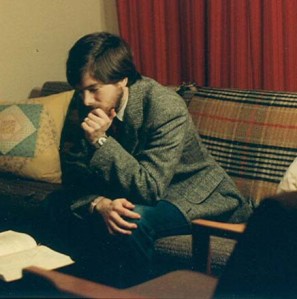
An authentic Harris tweed in its native Scottish environment
 Steve A. Wiggins