
I had a friend in seminary—nameless here because I mention no non-public figures without their permission—who invited me over for movies. Although he was more of a comedy guy, he liked horror too and I couldn’t help but think of him when watching House (the movie, not the doctor show) recently. The film looked familiar to me but I couldn’t recall having watched it before. By the end I was pretty sure I’d seen it with my seminary friend one weekend afternoon. There was too much I remembered someone else commenting upon. A comedy-horror, House is one of those not-so-great movies that becomes a cult classic. The monsters aren’t particularly scary, and the plot’s a bit disjointed, but still it bears repeating once every few decades. There really isn’t any religious imagery, but it does reflect on American involvement in Vietnam.
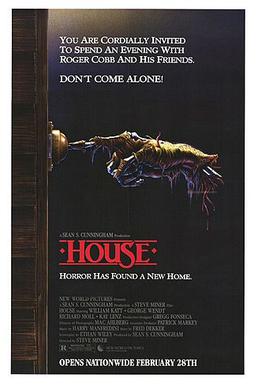
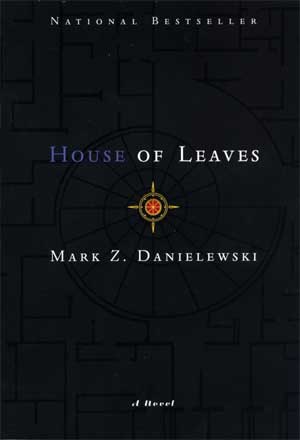
Roger Cobb, a divorced horror writer, moves into the house where his favorite aunt died by suicide. It’s also the house where his young son went missing years ago. The titular house, which is, of course, haunted, is where Roger plays out his memories of Vietnam while trying to write his next book. Monsters pop out of closets and show up at his front door as he tries to make sense of what happened to a friend in the war. I couldn’t help but be reminded of Mark Z. Danielewski’s House of Leaves as mirrors and doors open onto voids that confuse the narrative but make the film like a funhouse ride. My friend, with whom I must’ve seen it, commented on several of these scenes, which is what convinced me, by the end, that this wasn’t a new film for me.
I watched monster films as a kid—I was a late monster boomer. Kids talked about prominent horror in school—Rosemary’s Baby, The Exorcist, The Omen—movies I didn’t see until I was an adult. I watched a few horror movies in college and quite a few in seminary. I moved away from them until I lost my career and then I came running back. I’m not really sure what I’m looking for here in this haunted house. Like most people, I don’t like being afraid, but there seems to be something hidden here. Horror can convey meaning, even solace. Very few people understand my use of horror for spiritual development, but it’s something with very deep roots. And as realities in the quotidian world become more and more untenable, I’ll have at least have had some experience grappling with monsters. Sometimes even with friends.
 Steve A. Wiggins