
It was an epiphany. My wife has, on more than one occasion, accused me of playing the martyr. I know very well that I let other people step all over me. The epiphany came when I was reading about Stephen’s martyrdom in the Acts of the Apostles (in the New Testament). Unbidden by me, a memory—more of a distinct impression, a deeply planted feeling—arose. I started reading the Bible at a young age. The story of Stephen is disturbing to a child. The thought of being stoned to death for saying what you believe is a species of horror. The memory, or impression, was of my mother pointing out how good it would be to be like Stephen. He is not technically my namesake, but since there were no male role models in my family, I subconsciously made the connection: Stephen the martyr, Steve the martyr.
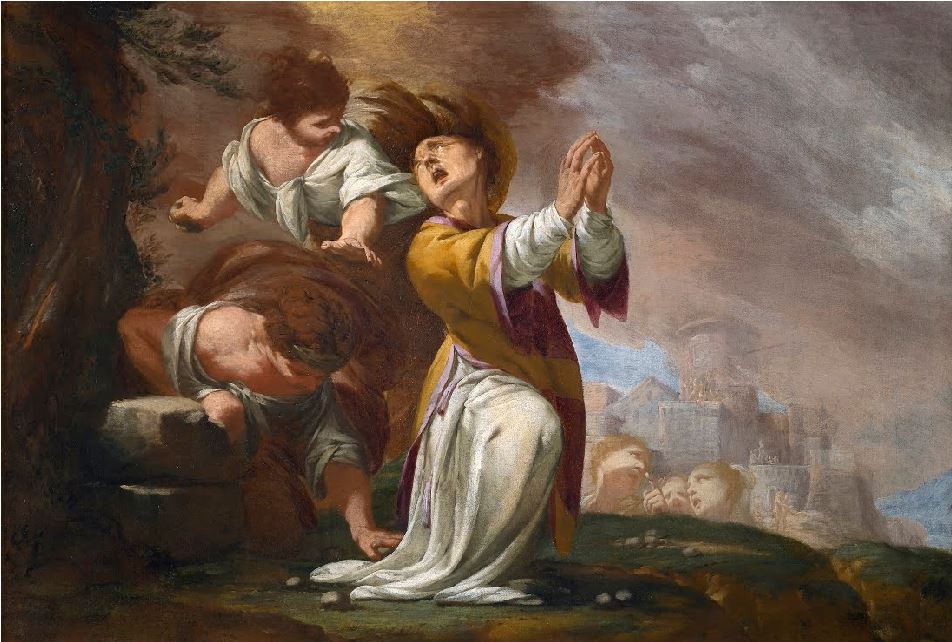
It’s strange to realize this suddenly after half a century of not consciously recollecting it. What we teach our children stays with them. If we tell them that it’s good to die for your beliefs, well, we shouldn’t be surprised when they grow up with strong convictions. (My brother tells me that Virgos think they’re always right and that’s why we’re stubborn; is it the stars or is it the Good Book?) The Bible puts a positive spin on Stephen’s death. Formal sainthood isn’t a biblical concept, but he dies forgiving his murderers. It struck me there in the middle of a working day. Some of my subconscious personality traits floated to the surface.
My deep desire to avoid Hell also formed my young outlook. Although my beliefs have to be held accountable to what I’ve learned over decades of study, that fear never departs. This too was planted in me before I had any real concept to absorb it. When I grew old enough, the horror became academic, but nonetheless real for it. I’d studied the history of Hell and I knew New Testament secrets. To avoid the bad place, be like Stephen. The dilemma is that as life goes on, we continue to learn. Young parents don’t know as much as old ones do. And since we have to teach our children not to run out into the street, or not eat that thing they found, we cast ourselves as The authority. And that includes things religious. If we live an examined life, we see shades of nuance where once there was only certainty. And sometimes we have epiphanies.


 Steve A. Wiggins