
I was pulling together a bibliography, you know, like one does, when I realized just how outdated the usual formats are. Particularly the trinity invoked at the end of Chicago/Turabian—city: publisher, date. Now, to their credit a number of more recent formats have dispensed with the “city” part. Most presses have multiple offices and even those of us in the biz can’t always tell which one produced the book, which was, in all probability, printed elsewhere anyway. Why list the city? In this internet age, no physical copy of the book may have even been in the office. The real problem, however, is the date. Scholars want to know when something was published. Publishers want to prolong the copyright (seventy years after an author’s death apparently isn’t long enough). They can do this by using the next year as the copyright, as long as a book’s published in the latter half of the year.
Maybe you’ve had this happen too. You put a book in your bibliography which, at the time, has a date a year later than it is in real-time. You’re writing the future, apparently. Or maybe publishers are just optimistic. The fact is it’s a fiction. Citations were invented so that you could find where an idea originated. Dates can be important for a book that’s gone into multiple editions and you want to be sure to look in the correct one. I had any illusions about permanency shattered when I realized that publishers routinely fix errors in books with no indication that they’ve done so. It used to be that, if you knew how to read the printer’s key on the copyright page you could even figure out which printing of a book you held. All of this fun disappears when we go electronic.
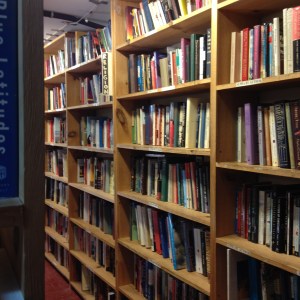
This sense of temporariness is problematic. People ask me “Why don’t you get a Kindle?” Books are an investment. Consider iTunes. How many times have you had to “rebuy” a song because you changed devices? Or has your battery died right in the middle of something? Have you tried to sell an MP3 you no longer listen to in a yard sale? Books are physical objects—more than the words they contain. They may be dated before they’re published, but they do have staying power. Besides, citing an electronic source, what with broken links and all, is a tenuous business. Those who write books want some indication that what they labor over for so long has a real presence in the world. Even if you can’t say, precisely, when or where it was published.
 Steve A. Wiggins