
While teaching at the University of Wisconsin Oshkosh I was assigned a course whimsically entitled “Myth and Mystery.” With little more than an old syllabus and some Agatha Christie reading experience to go on, I set about building an academic study of the unknown. (Ironically, in the years since then it has mostly been students from this course who have contacted me later to follow up on classroom material.) One of the mysteries I addressed was the werewolf legend (also see the previous post).
The earliest known record of a man becoming a wolf derives from ancient Greece. An Olympic athlete named Lycaon reputedly turned into a wolf (not during the games, I suspect, or he would had to have been put in the dog races). I would contend, however, that werewolves are at least biblical and likely older yet. The tale of Nebuchadrezzar transforming into an animal in Daniel 2 is widely known. Less recognized is that this story likely originated earlier than the book of Daniel, and it was associated with Babylonian king Nabonidus. Nabonidus was a devoted worshiper of Sin, the god in charge of the moon, and was rumored to have struggled with an “evil ulcer” (the mind reels) instead of having transformed into a beast. Rumors that he’d gone insane abounded, which, for lunatics, must count for something! How far back the moon’s transformational powers go is not known, but the marauding beasts of the night were known and feared long ago, along with the occasional insane king.
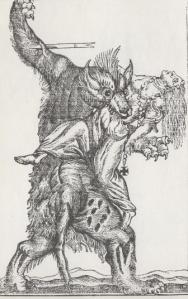
Not Nabonidus, but maybe one of his kids?
Unfortunately only after my Oshkosh course ended, I struck up correspondence with Linda Godfrey, a journalist who lived almost close enough to be a neighbor. Linda is an avid researcher of the Beast of Bray Road, Wisconsin’s own home-grown version of the werewolf. The closest I ever came to experiencing the beast was being awoken one midnight by a pack of coyotes howling through the yard, but I read Linda’s books with wonder. Are ancient fears really present realities? I suppose only time will tell, but our ancient ancestors sometimes had more keen eyesight than their modern day beneficiaries do. Their advice was to love the moon with caution since it could cause insanity in select cases!
 Steve A. Wiggins