
I wish I had more time for reading short stories. I grew up on them since, like many young boys I lacked the attention span for entire novels. Many collections of short stories sit on my shelves, but I’ve been drawn into the world of extended stories, perhaps because so much of reality bears escaping from these days. In any case, I find myself neglecting short story collections. I have a friend (and I tend not to name friends on this blog without their express permission—you might not want to be associated with Sects and Violence!) named Marvin who writes short stories. This past week his tale called “Meh Teh” appeared in The Colored Lens. Marvin often uses paranormal subjects for his speculative fiction.
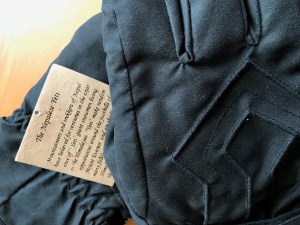 “Meh-Teh” is a Himalayan term for “yeti.” Since we jealously guard our positions as the biggest apes on this planet, science doesn’t admit yetis to the realm of zoology without the “crypto” qualifier in front. Still, people from around the world are familiar with the concept of the abominable snowman. Maybe because I grew up watching animated Christmas specials, I knew from early days that a mythical, white ape lived in the mountains, and that he needed a visit to the dentist. The yeti has even become a pop culture export from Nepal, since those who know little else about that mountainous region know that strange footprints are found in the snow there. Apes, however, like to dominate so we tend to drive other apes to extinction. Still, they had to be there on the ark, along with all other cryptids.
I recall an episode of Leonard Nimoy’s In Search of that dealt with yetis. Or was it a Sun Pictures presentation about Noah’s Ark? I just remember the dramatic earthquake scene where either the skullcap of a yeti or a piece of the true ark was buried, lost forever under the rubble. Yeti is also a brand name for an outdoor goods company based, ironically, in Austin. This fantastical ape has become a spokesperson, or spokesape, for the great outdoors. All of this is a long way from the story Marvin spins about the great ape. As is typical of his fiction, religion plays a part. I really should make more time for reading short stories. In a world daily more demanding of time, that sounds like a solid investment. And free time is more rare than most cryptid sightings these days.
 Steve A. Wiggins