
2009 ended with a blue moon. Last night’s lunar display (for those who could see the satellite) was the second full moon in December, one of the accepted definitions of a blue moon being the second full moon in any one month. Apart from its cool beauty of mythological fame, the moon is a timepiece to rival any Rolex or even Timex. Many ancient peoples lived by lunar calendars since the 28-day units of lunar time were regular and much more obvious to the layperson than solstices or equinoxes. A full moon is hard to miss.
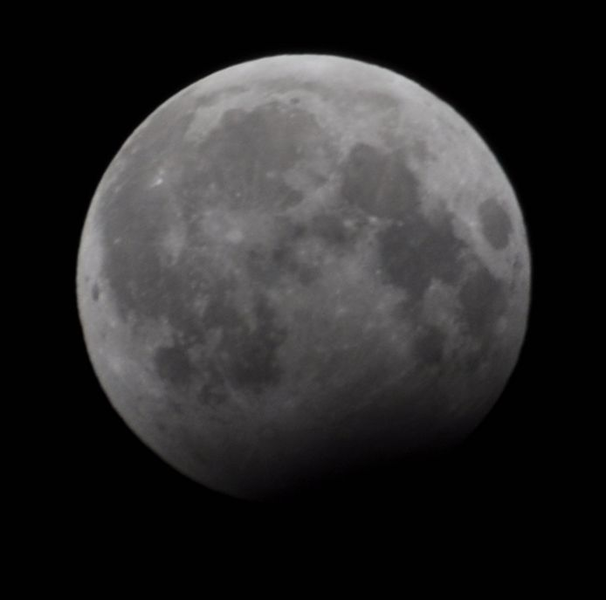
Last night's blue moon from Wikipedia Commons
The marking of time is a religious activity. The date of Easter is still set according to the full moon; Easter falls on the first Sunday after the first full moon after the vernal equinox. Since Passover is a moveable feast and since we don’t know the year of Jesus’ death, Easter is a mathematical shot in the dark. It is regular because of the steady cycles of the moon. Time is a non-renewable resource, and since religions are generally concerned with what happens after death, time gains a sacred blush. Few holidays are truly secular in origin.
New Year’s is one of the most important holidays in the ancient world. There, the proper observance of seasons meant correct planting and harvesting times, and the possibility of survival. Living very close to the land, people required the assurance of the gods that their meager returns for labor led to enough food to survive. Keeping the gods happy as the new year began was essential. In the United States, New Year’s Day was observed on March 25 until 1752. It was observed on the supposed date of Gabriel’s annunciation to Mary that Jesus would be born. If you want to understand the title of today’s post, you’ll need to take a look at the Full Essays page and read the New Year’s Day section from my as-yet unpublished book for teens on the holidays. It does have a religious basis, as does circumcision itself.
 Steve A. Wiggins