Ark Apocalypse

I get lost in the web. Although my work requires that I remain plugged in to the internet all day long, I confess to feeling lost on the weekend. I don’t know what to browse or where to look for titillating new information. A friend then asked me what I thought of Gabriel’s Ark being sent to Antarctica. I had no idea what Gabriel’s Ark might be and I had to hunt through the corridors of rumor and conspiracy that make up much of the worldwide web to find it. Once I did the story grew incredible and also impossible to verify. Maybe this is why I avoid the web on weekends.
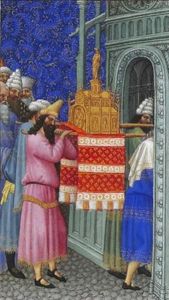
337px-Folio_29r_-_The_Ark_of_God_Carried_into_the_Temple

So the story goes like this: Gabriel, the archangel, gave Mohammed a secret weapon called an ark that would herald the last days. This ark was buried in Mecca. So the story goes, it was unearthed in September and it was the power of that ark that led to the tragic crane collapse that killed over a hundred pilgrims in Mecca last year. Days later the weapon went off again, leading to the death that the media blamed on a human stampede. Wanting to rid themselves of the ultimate weapon, the Saudi officials handed it to Russia. A research ship headed for Antarctica took on the mysterious cargo in Arabia before chugging south. Patriarch Kirill of the Russian Orthodox Church met with Pope Francis, so the story goes, to receive an ancient document to control the ark. The Patriarch then showed up in Antartica to enact a strange liturgy before the trail goes cold on the story.

No major, respected news media carried the story. That only confirms that it is a cover-up in the eyes of many. What is so fascinating about all of this is that those who continue to keep the story alive clearly believe that the end of days is being unleashed not via the Christian apocalypse, but a supposed Muslim one. It’s as if Revelation didn’t deliver, so now we need to turn to some other ancient, obscure document to document the apocalypse. Meanwhile, those who’ve spent their lives learning to read ancient texts by accredited universities scrounge for whatever work they can find. Odd people aspire to very powerful political positions. Money is the only thing that matters. Maybe it is the end of days after all.

Watch, and Pray

Religion is a lucrative business. There is likely a deep, evolutionary urge for fair play nestled somewhere in primate DNA. Monkeys and apes seem concerned about it, and certainly nothing gets people more upset than a cheater who does prosper (unless he, less often she, is the protagonist of some gangster movie). Most of us work pretty hard to make a living, often doing tasks that push us beyond our comfort range in order to ensure some kind of success. The same is true of clergy. Yes, stories of lazy or lackadaisical ministers abound, but many work long hours under often stressful conditions. Most are not paid very well. Their eyes, according to unwritten writ, are turned toward a larger prize. In an economy that has become a nearly universal capitalism, everything has a price. People want to feel that they are pleasing God but there are oh so many rules and regulations! The Hebrew Bible alone has 613, and then add the Christian Scriptures and two millennia of ecclesiological dogmatism and you’ve got one hefty bill. We don’t mind paying a bit of that for a religious specialist to take care of the details while we get on with the real business of life.

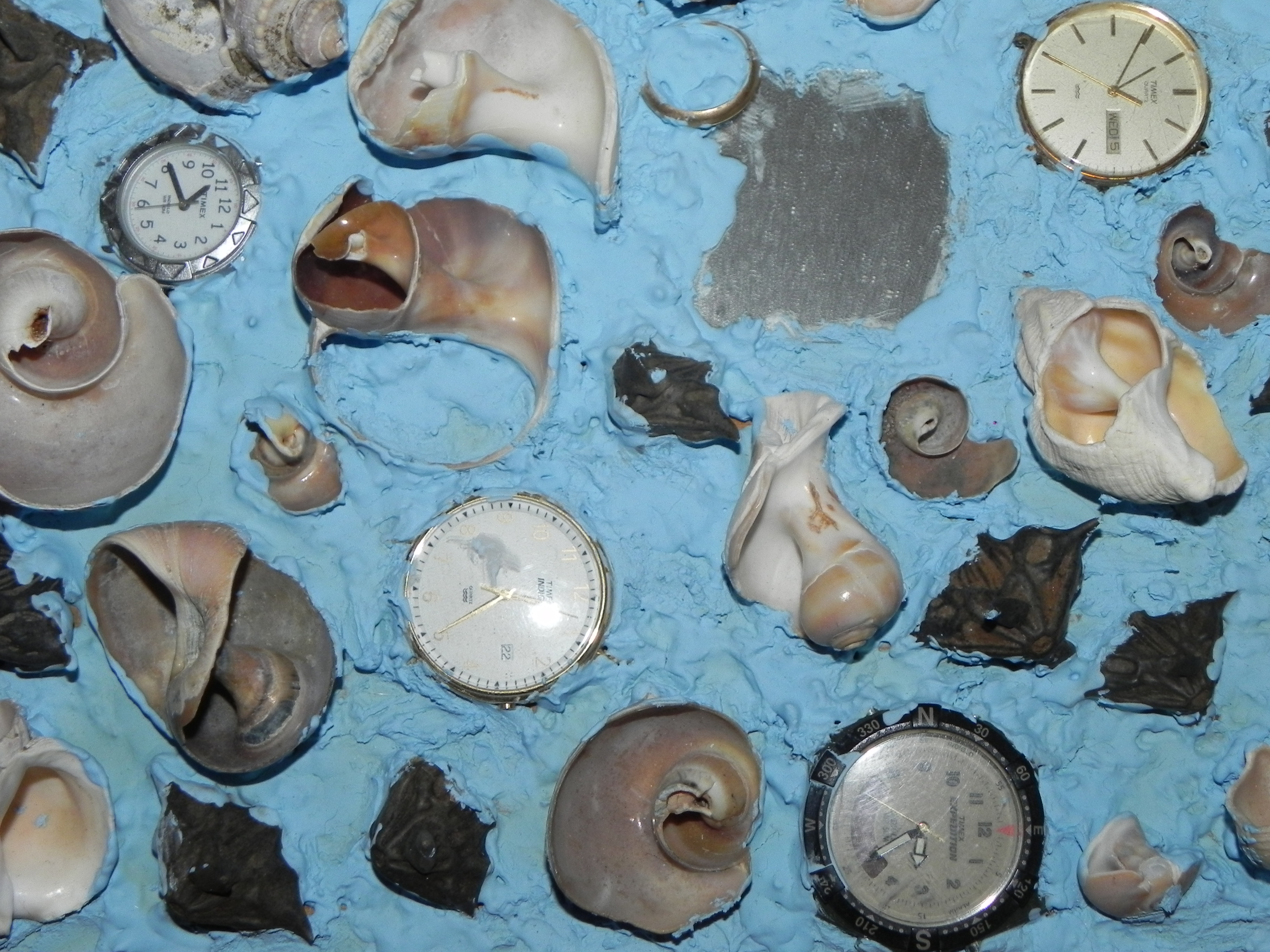
Now add a little math. How many people does it take to add up to a small fortune? Already by the Middle Ages the Catholic Church, really the only show in town across Europe, had amassed a real treasury. Although individually the clergy could claim to own nothing, collectively they were flush. Even today the wealth (and therefore power) of the Vatican is nearly beyond comprehension. A colleague recently pointed me to a story I had missed back in April. This involved the computer age and lucre in an unexpected place. Russian Orthodox Patriarch Kirill I was photographed sitting at a high-gloss table, wearing a Breguet watch valued at $30,000. There was an outcry. The Russian Church, long under the pressure of a communist state, could hardly be described as opulent. Well, liturgical vestments and accouterments are expected to be costly, but personal items such as watches, are expected to be modest. Thirty-thousand dollars is a lot of money to be reminded of when to show up for mass.

In response, some church leaders turned to technology for a solution. The watch was Photoshopped out of the picture and, as if a miracle, the scandal disappeared! Except they forgot the glossy tabletop—the reflection of the watch, like Dorian Gray’s portrait, remained as evidence. (The story may be found here, along with the damning photos, if you can stand the snarky writing.) Owning such a watch may be considered bad form among the humble clergy, hiding it, however, is even worse. I don’t mean to single out Patriarch Kirill—the Russians have had a pretty rough go of it, what with Stalin and Reagan and all—but religions seldom like to have their coffers examined. The laity will pay handsomely to avoid the extra work salvation demands. Herein lies the rub: salvation has become less tangible as material wealth has expanded. Many people have mistaken one for the other. It’s just that they don’t want to get caught enjoying a little too much of the one at the expense of the other.

Now watch this, for time is fleeting