Book Stories

I’m a headline browser.  Sometimes a story will make me sit up straight and click.  I was browsing the headlines in Publisher’s Weekly’s daily updates earlier this week.  One of their regular sections is on independent bookstore news.  When I saw “Oil City” and “Pennsylvania” in the same headline, well, I sat up straight.  I grew up very near Oil City, and attended Oil City High School.  One thing I noticed, even as a child, is that the nearest bookstore we knew of was over in Meadville.  (Eventually a B. Dalton’s, or Waldens, I can’t remember which, opened in the local mall that is now a very sad superstructure to visit.)  I would work the summers and after buying my school clothes would beg mom to take me to Meadville so that I could visit the bookstore.  It was a place that made me happy.

I don’t remember a bookstore ever being in Oil City (or Franklin, except a Christian bookstore).  I wish Raven’s End very well.  If it weren’t six hours away I’d drive there this weekend just to support them.  In these times of challenging human intelligence, we need more bookstores.  We need more readers.  That’s one of the reasons, I suspect, that Publisher’s Weekly informs readers of new bookstores opening.  As a young person you tend to accept things the way that they are.  In one of my philosophy classes I learned that this was called “naive realism.”  I also learned along the way that our brains evolved to help us survive, not to discover reality.  We have to work at the latter, and that means reading.
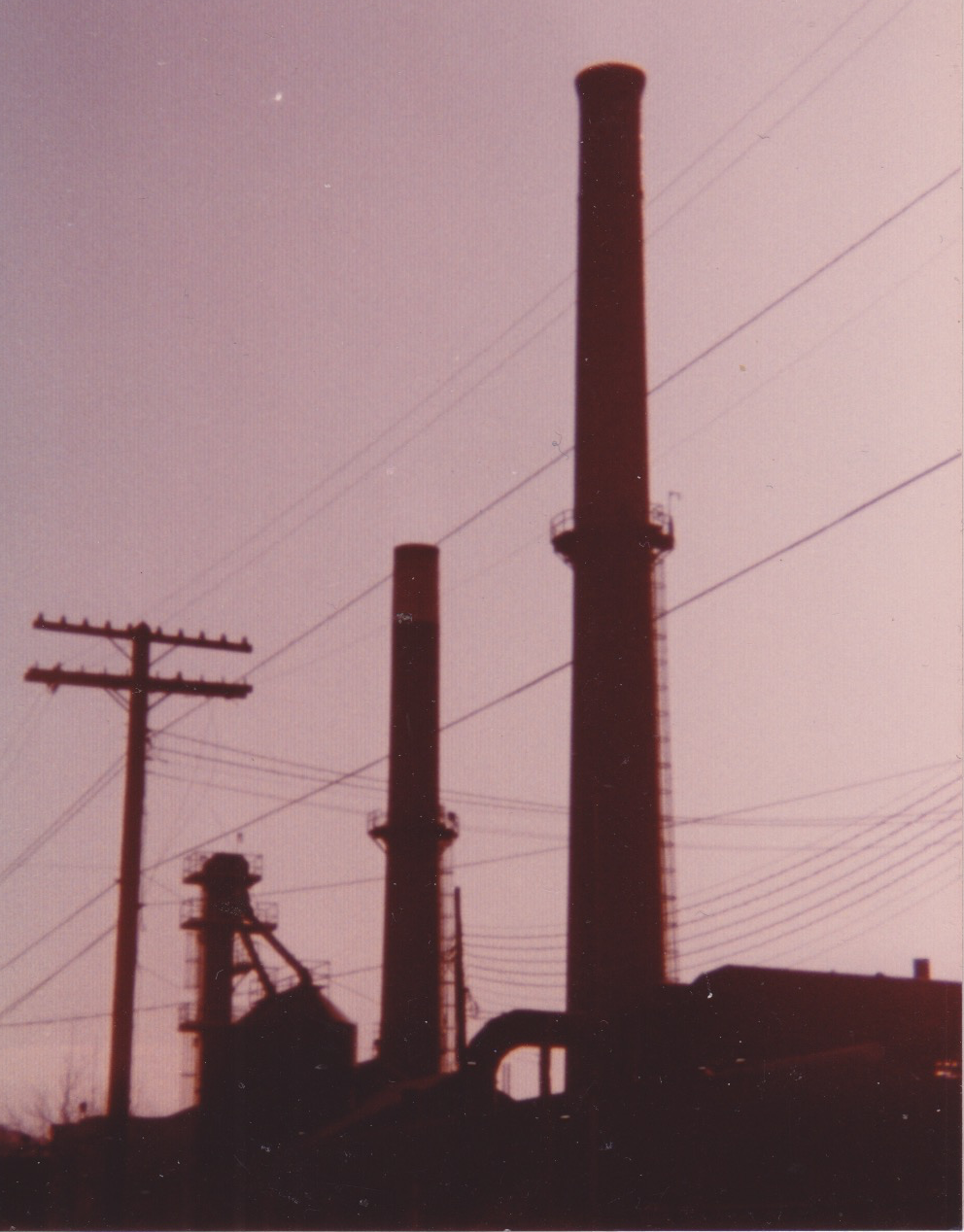
I live in the Lehigh Valley, a community that has had to remake itself after the closing of Bethlehem Steel.  I grew up in the Oil City and Franklin area which would eventually have to remake itself after the closing of Pennzoil and other large, heavy industries.  As I was growing up there I found books, but in department stores like Woolworths, or more commonly, secondhand at Goodwill.  People are changed by the books they read and, given their own devices, most won’t go online looking for books.  After work I tend to shut the computer down and pick up a book to read.  I also try to carve out reading time each morning.  I grew up without easy access to bookstores.  It gladdens me to see one opening in the small town where I began to realize the importance of picking up a book and learning about this ever-changing world.
The Valley

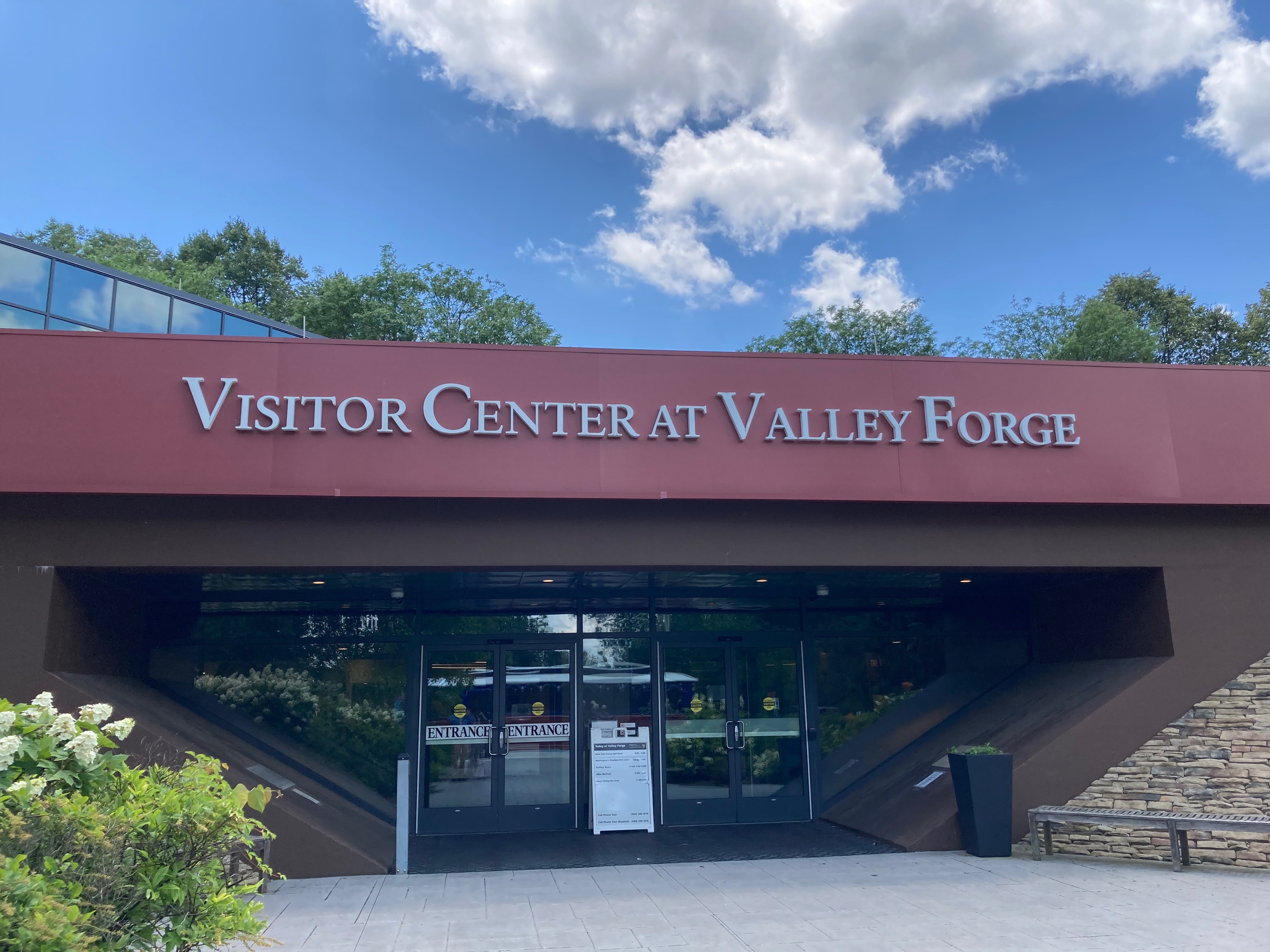
Juneteenth seemed a good day to get to Valley Forge.  With all the nonsense going on in the White House, we need to be reminded what this country was founded on and for.  I like to think that we weren’t the only ones there yesterday for that reason.  In fact, in the gift shop I found a book titled America’s Last King.  By the time we left it was sold out.  Like many Americans, I suppose, I only had a vague idea why Valley Forge was important for our young country.  We took a tour that helped explain it.  A tour that some in Washington ought be be required to take.  Valley Forge was a winter encampment—the third in the War of Independence.  George Washington had just suffered two defeats and the British had taken Philadelphia.  His poorly provisioned army set up winter headquarters in this strategically secure hill country.  Inadequately clothed, barely fed, many dying, they planned how to keep their efforts to survive alive.

What happened that winter of 1777–1778 at Valley Forge that kept the United States alive depended on two things, both brought by immigrants.  Let me say that again, in case ICE is having trouble hearing—immigrants saved America.  The young country was in very real danger of defeat.  What turned the tide was an alliance with France (the name Lafayette still looms large here in the east) and the help of Baron Friedrich von Steuben, a Prussian.  Without these foreigners, America would never have survived to become great.  Oh, and Mr. Kennedy, Washington ordered vaccinations at Valley Forge to prevent so many of his troops from dying from small pox, an inconvenient truth.  What emerged from Valley Forge that winter was a more organized, healthier United States Army that would go on to defeat the British so that we could be free two and a half centuries later.

I needed Valley Forge.  Although it was a hot day and the roads are paved, I needed to be reminded what it felt like to be proud to be an American.  Juneteenth is to commemorate the end of slavery.  History shows that many in Washington’s army were of African descent.  It seems that DC has forgotten what America is and what we were fighting for all those many years ago.  It wasn’t to exclude those who were different.  No, it was to pull together to survive.  Our would-be king spends his idle days planning military parades in his honor.  The US Army was born in Valley Forge.  And as an American with ancestors here from Washington’s day on, I really needed that visit to remind me of how America became great.


Museum Life

Allentown is the third largest city in Pennsylvania after Philadelphia and Pittsburgh.  Here in the Lehigh Valley it abuts Bethlehem and is just a few miles from Easton.  Getting an early jump on Memorial Day this year my family visited the Allentown Art Museum.  My daughter had been there before and let us know that it’s not huge, but certainly worth seeing.  They do have a Rembrandt among their collection, and a few Medieval pieces, including a tapestry that I could swear I saw on a book cover once.  In any case, I would recommend it.  We’re still fighting with rain around here, so it was a great Friday diversion.  We’re museum people, and I’ve pursued creative outlets my entire life.  I like to look at those good enough to be on public display.  As I told my family, when I was young I was curious about art and checked out books from the library on the great masters so that I could learn to identify paintings I hoped some day to see.  And as a bonus, the Allentown Art Museum is free.

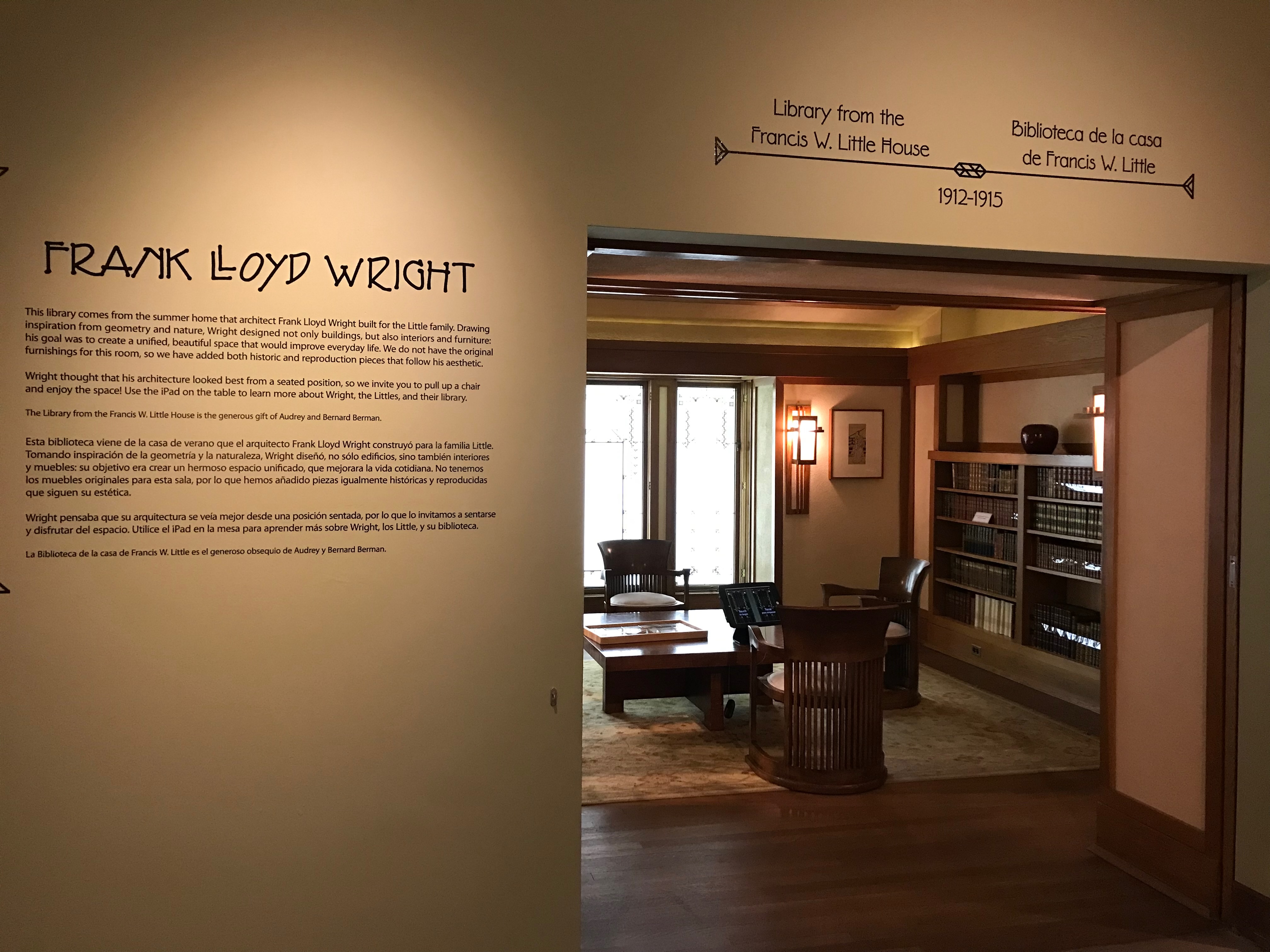
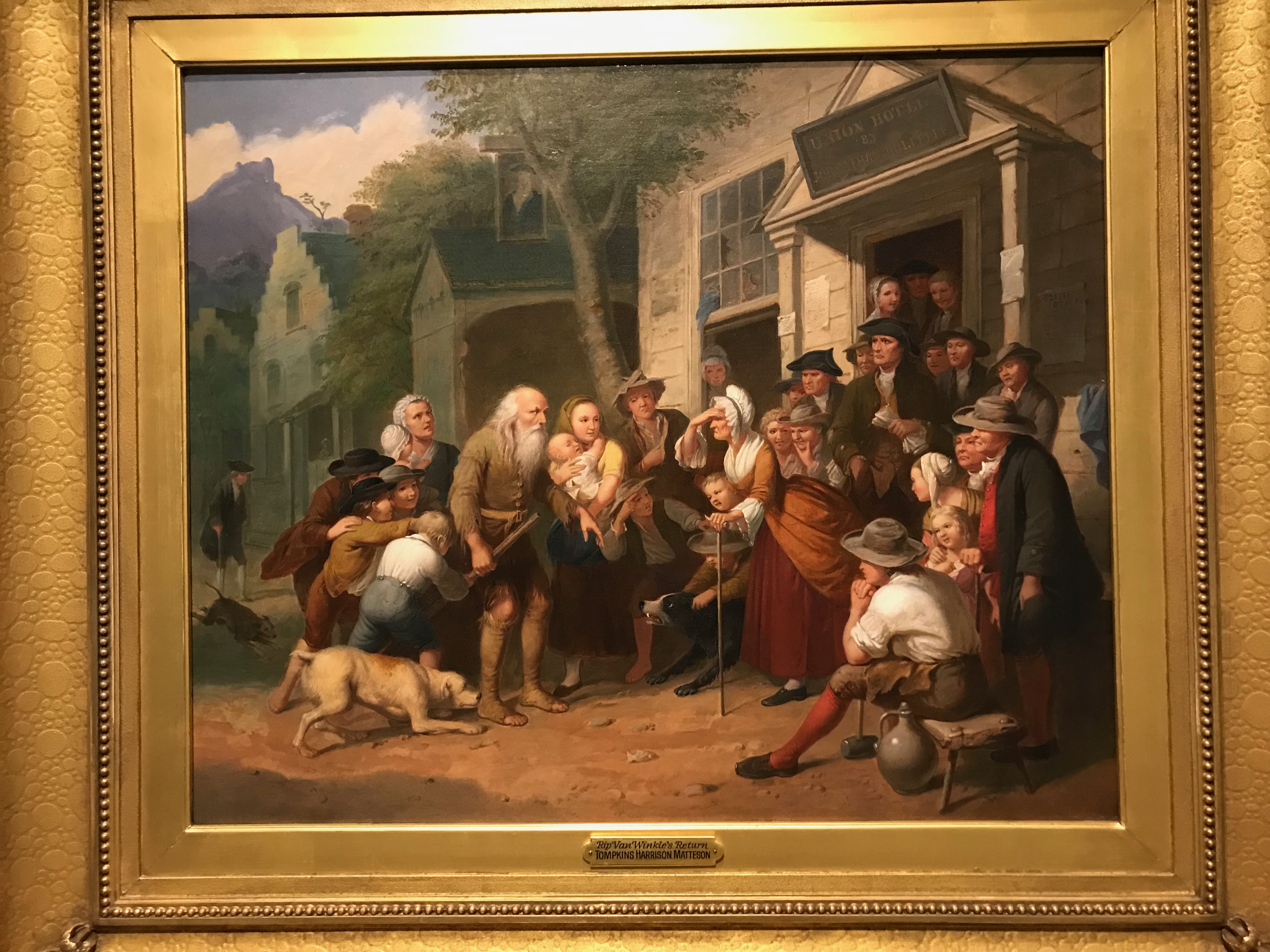
One of the features of the facility is a personal library designed by Frank Lloyd Wright.  The books on display aren’t his actual books (I don’t think), but being a book person I had to look over the titles.  Washington Irving was well represented.  Since Sleepy Hollow as American Myth will be out shortly, I was curious to see if they had The Sketchbook of Geoffrey Crayon, Gent.  This is the book in which “The Legend of Sleepy Hollow” first appeared.  It seems they have all of Irving’s books because I did indeed find the Sketchbook.  Such an unexpected connection was a bonus on what was already an enjoyable visit.  I wandered out into the paintings again and found Tompkins Harrison Matteson’s “The Return of Rip Van Winkle.”  As I discuss in the book, “Rip Van Winkle” is also in the Sketchbook.  Not for the first time, I’d made a personal connection with art.

Visiting art museums always leaves me in a liminal space.  For a while my soul was mingling with those of others driven by creativity.  I’ve made a few art works myself over the years but I’ve really had no training.  I did take a drawing and painting class in college, but I kept none of my output.  I enjoyed making it, however.  My daughter asked why I don’t do more and the issue always comes down to time.  Work takes the lion’s share and now weed control (they love the rain) takes most of the rest.  And writing, of course.  That’s why I need to go to museums.  To become fully human again.


New Hope Nightmare

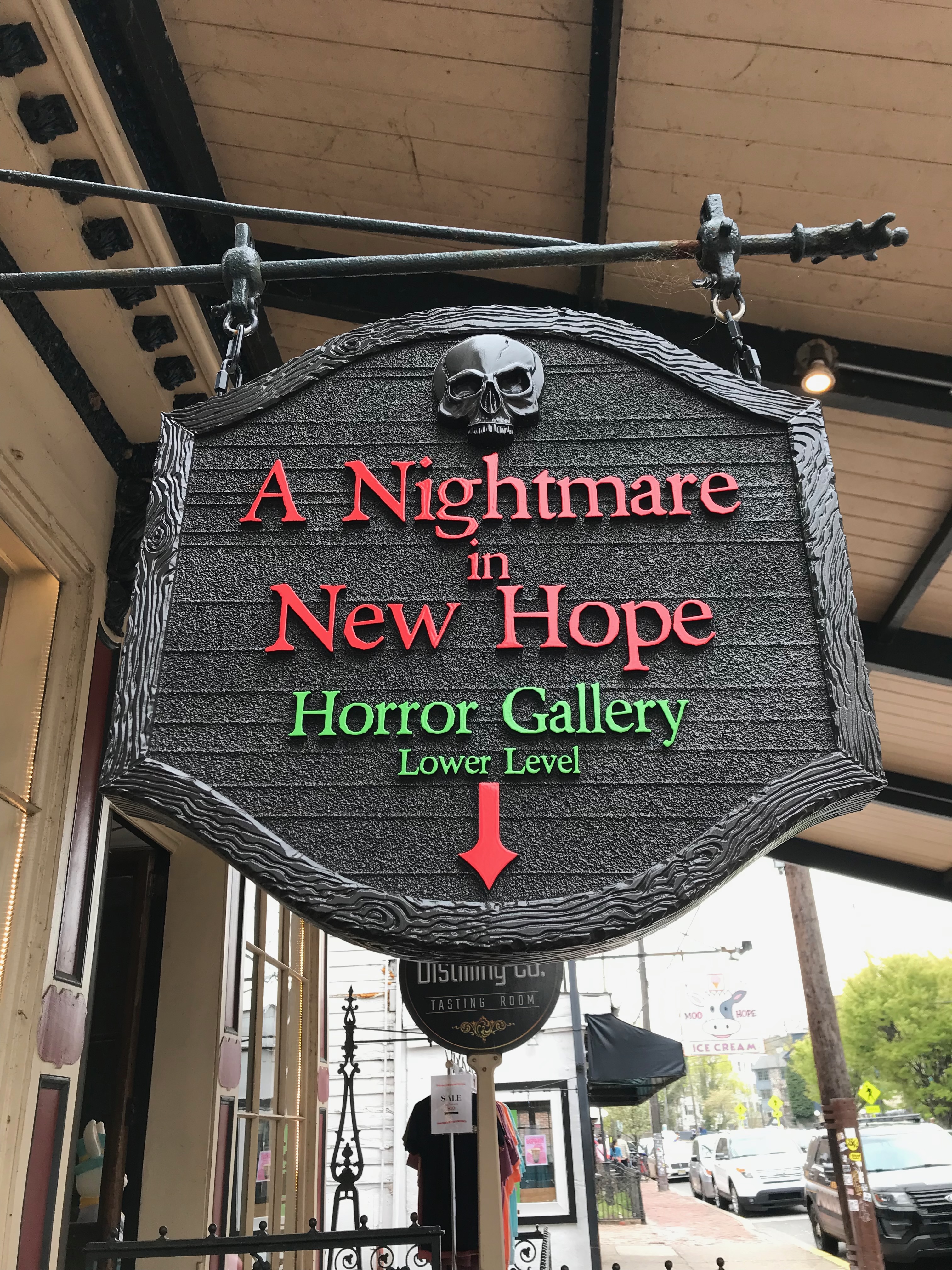
One of my favorite places along the Delaware River is the town of New Hope.  Across the river is the very nice town of Lambertville, New Jersey, but New Hope has a feel to it.  When I learned that a new horror museum had opened there—Nightmare in New Hope—we scrambled to change plans to get there right away.  We went the Saturday before Easter.  We’d planned to spend some time touring the rest of the town as well since it’d been years since we’d done so.  We managed to find parking and, since the museum opens at one, grabbed some lunch and went to Farley’s Bookshop.  Independent Bookstore Day was actually the following weekend, but bookstores need no special occasion.  Farley’s has changed a lot since our last visit.  It’s smaller (as has happened with many indies) and brighter.  I found plenty to like there, but I did miss the darker, dustier feel to the first incarnation of the store I’d known.

We made our way to Nightmare in New Hope.  And waited.  And waited.  Several people passed by, noting that they’d have gone in if it were open.  One of our party messaged the website since telephoning did nothing.  Eventually the owner indicated that he was closed for Easter.  Of all things.  A horror museum, open only on weekends, closed for the first nice weather we’d had on a weekend?  That was the main reason we’d driven an hour to get there.  We found a place with vegan ice cream and fed the ducks on the river.  I was sad that the main objective of the trip, the museum, hadn’t turned out.  And I knew it would be quite some time before we could try again.

My daughter, knowing my tendency to get depressed over such things, suggested we could go to Peddler’s Village instead.  My wife and daughter had visited it before, and so we decided to round out our Saturday trip there.  Peddler’s Village is a set of speciality shops that was born about the same time that I was.  These days there are about 60 shops with items that may or may not be strictly necessary.  Although we’d been to Farley’s, I couldn’t pass up the Lahaska Bookshop, part of the Village.  It was warm that day and we saw maybe only five or six shops.  At least one of them was an independent bookstore.  Not exactly the day we’d planned, but a day spent in and around New Hope is never wasted.  But really, closed for Easter without even putting a notice on the website?

(See updates here and here.)


Festival Spirit

Festivals.  These common events, often outdoors, are ways to be around other people while not really seriously engaging them.  I spend a lot of time by myself, or alone with family.  We don’t know many folks locally (I’m pretty sure very few locals read this blog), so online community is often how I connect.  Still, even we introverts crave the human touch now and again.  In October we attended the Covered Bridge and Arts Festival in Bloomsburg, Pennsylvania.  It is one of the largest free festivals on the east coast, and just a couple of hours from us.  While there, we learned about the much smaller Riverfest in nearby Berwick, held the same weekend.  We decided to stop there on our way home.  The thing about craft fairs is that you get used to seeing pretty much the same kinds of things over and over.  That’s fine, because we’re here for the atmosphere.

At one of these events, while my wife and daughter were examining the wares, an owner came up to me (I was just outside the tent) and said, with a bit of surprise and wonder in his voice, “You have the spirit of God.  You can tell someone who does.”  Now, this can be a sales ploy, of course, but he seemed sincere.  He really didn’t nail my spirituality, but he was correct that I am a very spiritual person.  Given his talk of Jesus, I suspect he’d have been put aback if I told him that horror films are one form of spiritual practice for me.  So I remained relatively noncommittal until he turned to my wife to tell her about the products in his tent.  Still, the encounter left me reflective.  I don’t think myself any kind of spiritual guru, but I have been singled out by a number of people over the years and I wonder what it is that they see.

Some New Agers suggest we all have auras.  That’s generally considered paranormal, of course.  I’ve known people, however, who’ve been accurately “read” by strangers who seem sensitive to such things.  Or are extremely good at cold reading.  When I go to a festival I don’t mean to have my aura showing.  I spend a lot of time alone, so maybe I’m hiding my aura in my house.  No neighbors have complained about the light pollution, in any case.  I admire those who see something special in strangers, even if it’s an attempt to get them to buy something.  That’s why we go to festivals, I guess: to have a kind of spiritual experience that comes from being with others.


Locating Yourself

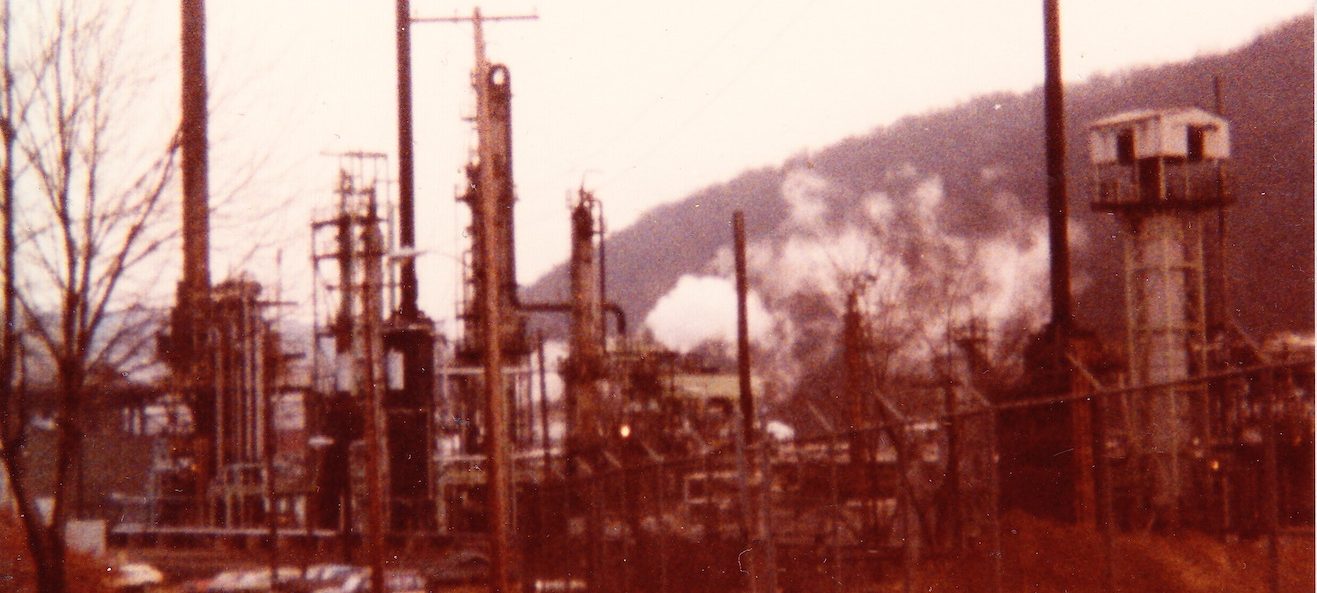
How do you come to where you spend your life?  It could be where you’re born.  I was born in Franklin, Pennsylvania.  Neither of my parents were.  On my mother’s side we had a tradition of wandering.  We eventually moved to Rouseville, a refinery town not too many miles from where I grew up initially, but very different in character.  I knew I wanted to get away.  I lived in Grove City next, only as a student.  For a short while I resided with some friends in the South Hills of Pittsburgh before moving to Boston to attend seminary.  Like many who go to Boston for school, I wanted to settle there.  I did so for about a year after graduation, making a living, such as it was, selling cameras.  My next move was precipitated by love.  I moved to Ann Arbor, Michigan to be with my fiancée, but I’d already been accepted to Edinburgh University, so an international move was imminent.

Roseville

Edinburgh, like Boston, is a spiderweb.  We would’ve stayed if we legally could have, but with a job market for academics already tanking, we headed back over the Atlantic.  My wife was a grad student at the University of Illinois, so we moved first to Tuscola (family there), then Savoy (on the outskirts of Champagne-Urbana).  Meanwhile I commuted to Delafield, Wisconsin, home of Nashotah House.  We eventually moved to Delafield and stayed until I was no longer wanted.  Our move to Oconomowoc was necessary to keep our daughter in the same school.  The possibility of full-time employment drew me to Somerville, New Jersey.  We would stay there until my daughter had a chance to graduate.  Depression convinced me that I’d run out the clock in that apartment, but a financial advisor suggested Pennsylvania, where I was born.  Thus we ended up in the Lehigh Valley.

I’ve liked every place I’ve lived.  If I had my druthers, however, I would’ve ended up teaching at a small college in Maine.  Several friends have moved to Maine as I’ve jealously watched.  The places we spend our lives, at least in my case, are determined by a measure of fate.  Nashotah House was the only job I was offered from Edinburgh.  Gorgias Press was the only job I was offered after the seminary.  Moving to my home state was volitional, of course.  As a couple we’d have been content in Massachusetts, Michigan, Wisconsin, or New Jersey.  Economics, of course, has a heavy hand in all of this.  I sometimes think that, if I could ever retire, moving to Franklin again would be a way of coming full circle.  But then, life is change and we end up, it seems, where we’re meant to be.  Perhaps Canada?


Mere Eagles

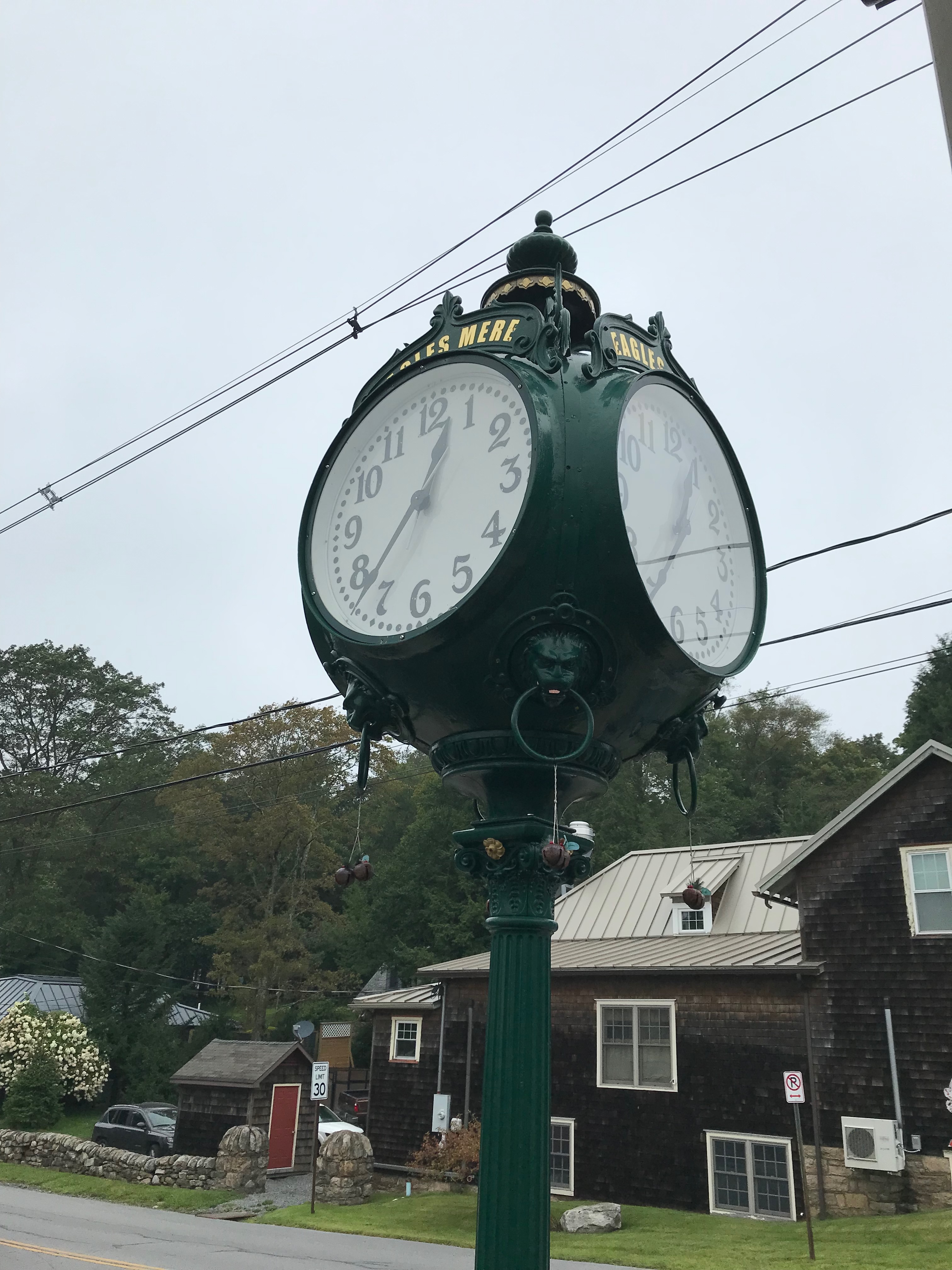
One of our summertime jaunts was to the small town of Eagles Mere in the Endless Mountains region, north of the Poconos.  Growing up in western Pennsylvania, I often heard of the mysterious Poconos out east, and now that we live just south of them in the Lehigh Valley, they are weekend-getawayable.  As are points north.  Eagles Mere was an early resort town built on the second highest natural lake (“mere”) in Pennsylvania.  In the early days it was accessible mainly by a slow moving train that took visitors up the mountain.  Today, of course, everyone drives.  It’s a town of about 150 people but the population increases to 3,000 in the summer.  It’s also known for its winter sporting opportunities.  It’s fully dependent on tourism.  I got the sense from walking around that it’s the kind of place you need to stay in to appreciate fully.  Once there were four major historic hotels, all of them gone now, so visitors stay in more modest accommodations, or like us, far enough away to be affordable.

I often wonder what it must be like to live full-time in such a place.  I mean, the rest of us slog away at daily jobs until we can get away for a few days, perhaps to Eagles Mere.  I can’t imagine having to draw in your entire income during a summer with lesser business in the winter, and a smattering of visitors in the fall.  What must life be like in the off-season?  Is it better than the 9-2-5 sitting in front of a computer screen?  At least they have a beautiful, clear lake.  And peace and quiet.  One of the things that struck me—we were there on a drizzly, somewhat chilly August day—is just how silent things can be when we get away from the sounds of civilization.  Perhaps this is the pay-off to not getting year-long pay.

Such places exist because the rest of us need to escape what is it we normally do.  Work, at times, seems mainly to be dealing with other people’s frustrations.  These build up over time until we need to forget about it for a while.  In other words, getaways are interludes of fantasy.  Imagining how it must be to live with so much money that you could afford not to work, but just to paddle out on the lake, watching for eagles, and listening to silence.  Every time I visit a resort town I wonder what it must be like to live in one.  The docent at the museum said many of the 150 are descendants of those who ran the grand hotels.  Even in, perhaps especially in, the off-season this is home to dreamers.


Borrowed Land

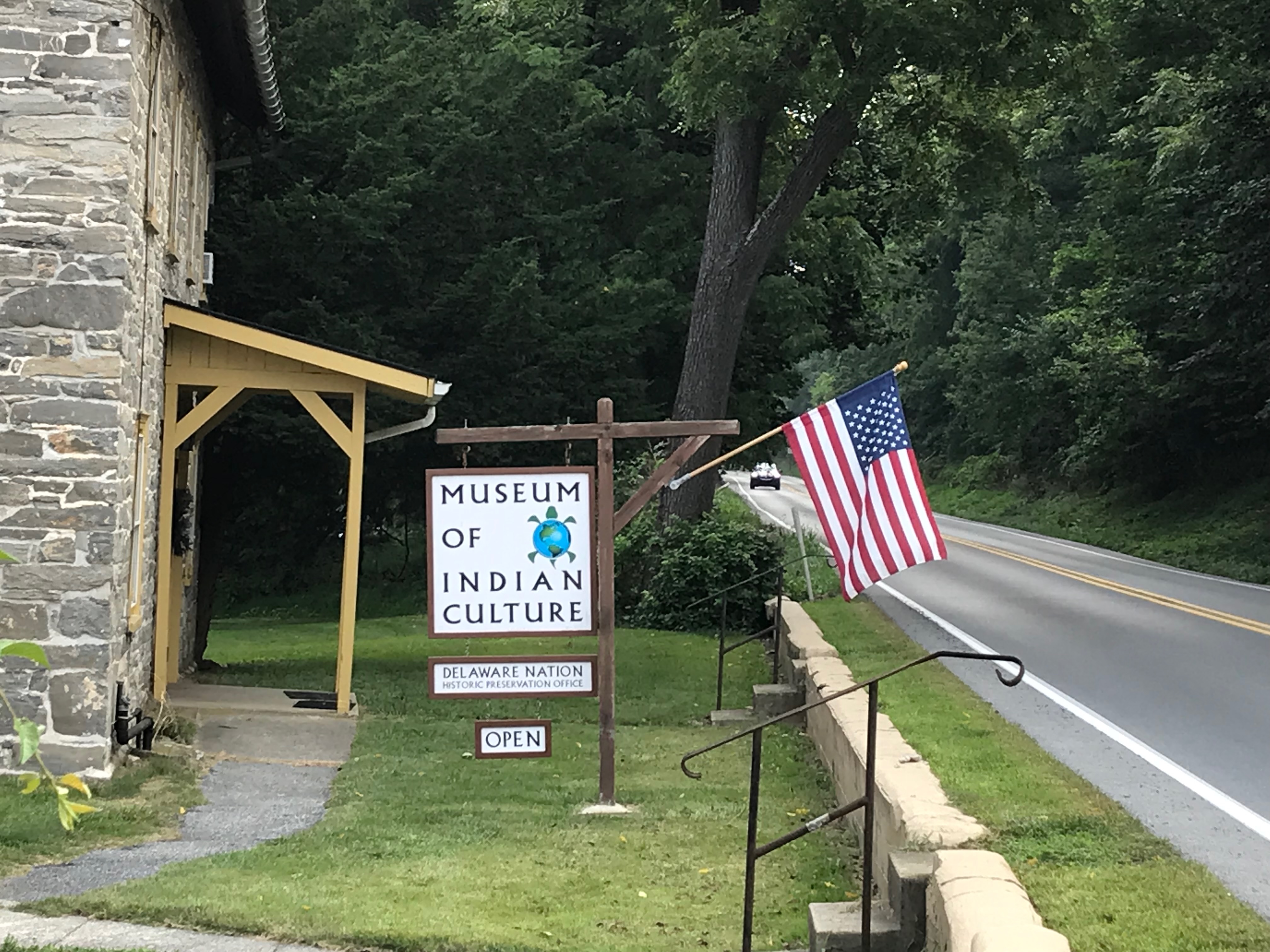
The thing about local attractions is that residents seldom have time to visit them.  Weekends are busy with the tasks you can’t accomplish otherwise with a 9-2-5 and being a “homeowner” is more like being owned.  Nevertheless, one Sunday afternoon we ventured to The Museum of Indian Culture, just south of Allentown.  I’d known about it for a few years, but wasn’t sure what to expect.  Occupying the house built by the Bieber family (not the singer, but the local bus-owning company that died during the pandemic) way back, the museum is small, but intimate.    The docents are unstinting with their time.  This is Lenape tribal land and the museum houses some local, and some national, pieces.  It also has a very extensive library.  

Often it’s difficult to feel proud of being of European extraction.  So many crimes were committed during the period of colonialism (and are still being perpetrated) that you just want to apologize over and over when you meet an American Indian.  The thing is, every native American I’ve met has been gracious and kind.  They still feel connected to the land in a way that seems foreign to Europeans.  Colonialists (and present-day capitalists) saw (see) the land as for exploitation.  We are slowly, hopefully, coming to realize that the indigenous way of living with the land is far more sustainable than the conquering attitude that metal smelting and gunpowder gave.  I kept thinking, what would it be like if people we didn’t even know existed showed up and just started taking everything for their own?  And claiming an all-powerful deity had given it to them?  Wouldn’t we fight back, just as the first Americans did?

I was especially hit by the hypocrisy of it all.  The code talkers helped win the Second World War.  As our docent said, at the Carlisle Indian School Indians were severely punished for speaking their native language.  They were being Christianized, of course.  Then, during the War the military realized we have a treasure-trove of languages that nobody else in the world speaks.  Suddenly their languages were an asset to be exploited.  Native Americans proudly served (and serve) in the military.  It is actually their land they’re defending.  We spent an educational hour in the small museum not far from property we “own,” according to a law code of “right behavior” drafted by others.  You might be able to leave places like this small museum, but they don’t leave you.


Things about Pennsylvania

When I used to pick up my daughter from college in upstate New York, we’d sometimes come up with ways to keep the conversation going for the three-to-four hours it’d take us to drive home.  One trip we thought of doing a parody of “Sweet Home Alabama,” namely, “Sweet Home Pennsylvania” (same number of syllables).  We sketched out some verses by her asking me what Pennsylvania was known for.  Now, I was born and reared in this state, but my ancestral states are more properly New York, North and South Carolina, and the District of Columbia.  Still, I feel at home in PA, but I’ve always felt it was one of those places that people think “Philadelphia” then call it quits.  Pittsburgh used to be much larger than it now is; it was the 16th largest city in the country when I was in high school.  So, the Liberty Bell/Declaration of Independence, and steel (also in Bethlehem), were obvious gimmes.  But what else?

The Amish.  Yes, they have colonies in many states, but Pennsylvania has Lancaster County.  The state may not be widely known for this, but it is the second biggest supplier of fossil fuels in the lower 48, right after Texas.  Indeed, the petroleum industry was born right here, not far from where I grew up.  So we have the Mennonite farmers and heavy industry.  It is really quite a varied state, my home.  We have lakefront property on Erie, and a tiny part of the Atlantic in Philly.  We have a good dose of the Appalachian Mountains.  Lots of forests, even some with elk.  We were the second state, after Delaware, and Pennsylvania is properly a commonwealth instead of a state.  Our European founding was by means of the Quakers.  Pennsylvania housed several Indian tribes.  It was known for religious tolerance.  Daniel Boone was born here.  So was Stephen Foster.  And two US Presidents.  Not bad.  Not bad at all.

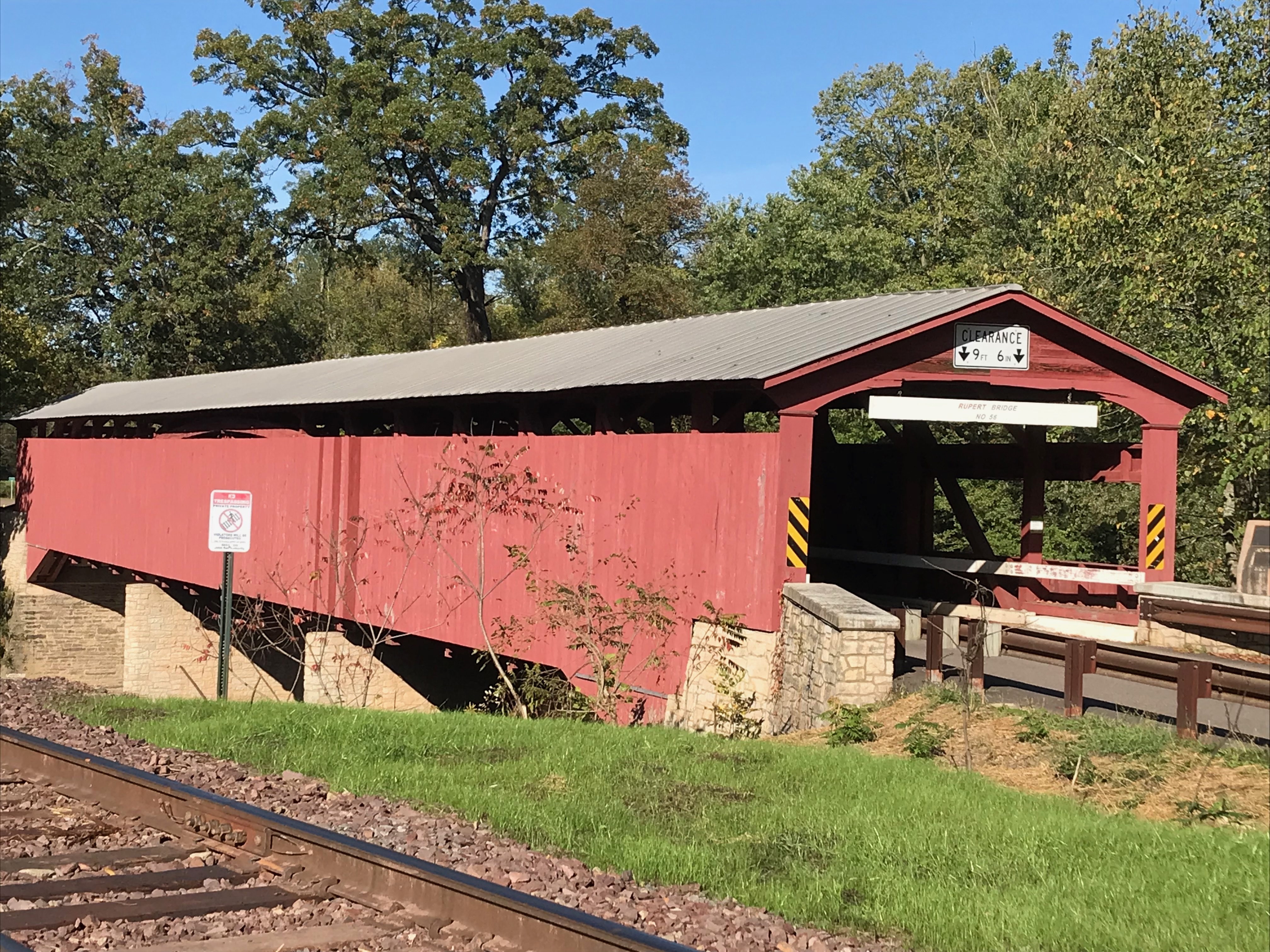
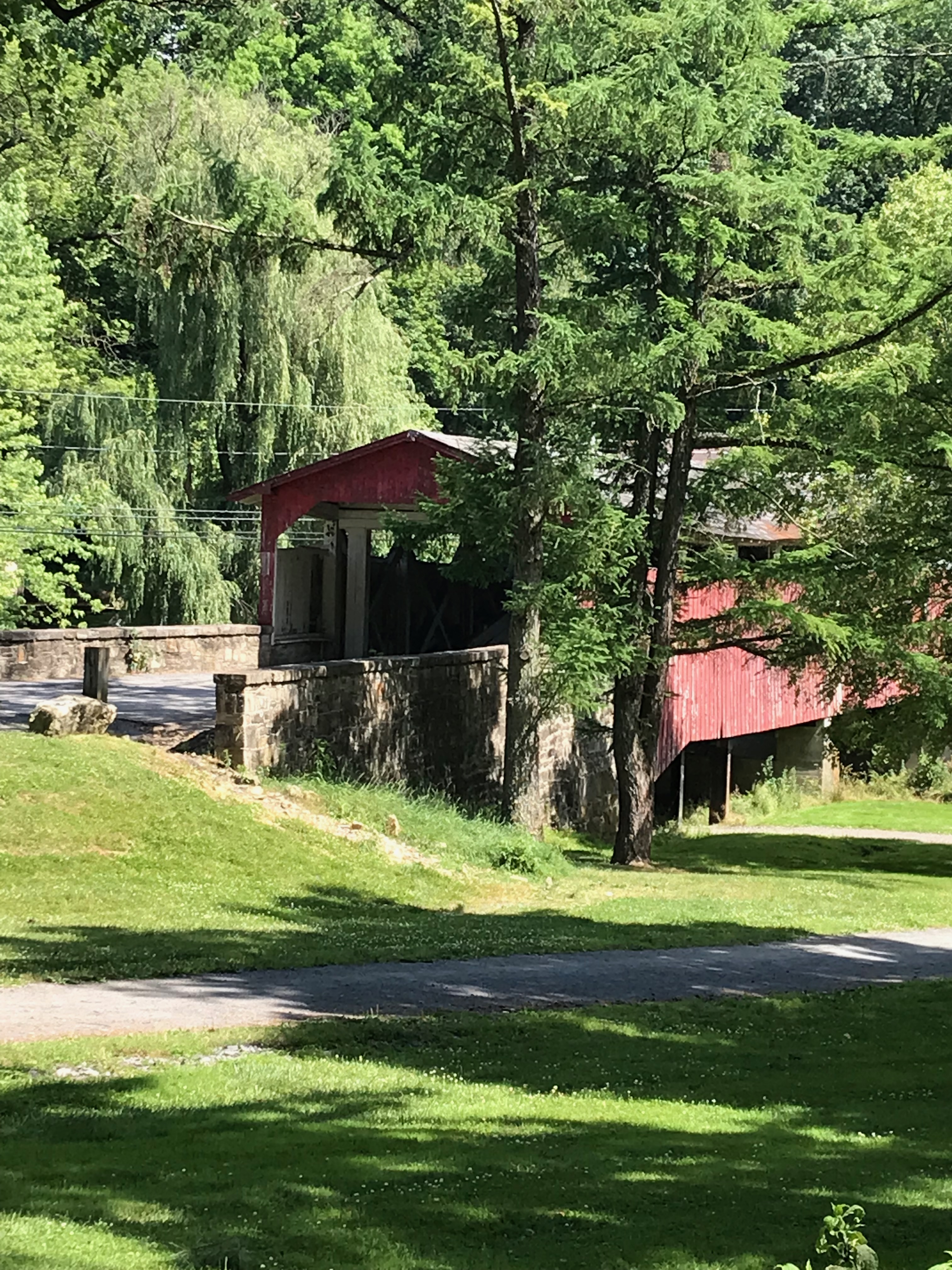
Only recently did I learn that the covered bridge was invented in Pennsylvania and that we have more still standing than any other state.  The current count is about 209.  Now, there’s a romance to covered bridges.  During this summer of staycations, we started to visit some.  You can’t go shopping there, and you can’t stay overnight or even order food, but these old-timey structures are a draw all on their own.  Part of the fascination is that we don’t build them anymore.  We have cars to keep the rain off and our vehicles don’t get spooked by the sight of open water or slip unduly on wooden planks.  Back when we were trying to make up alternatives to Alabama’s charms, I wasn’t aware we had so many covered bridges.  I saw a few growing up, of course, but paid little attention.  Now they’re another part of what makes this a sweet home.


Following Irving

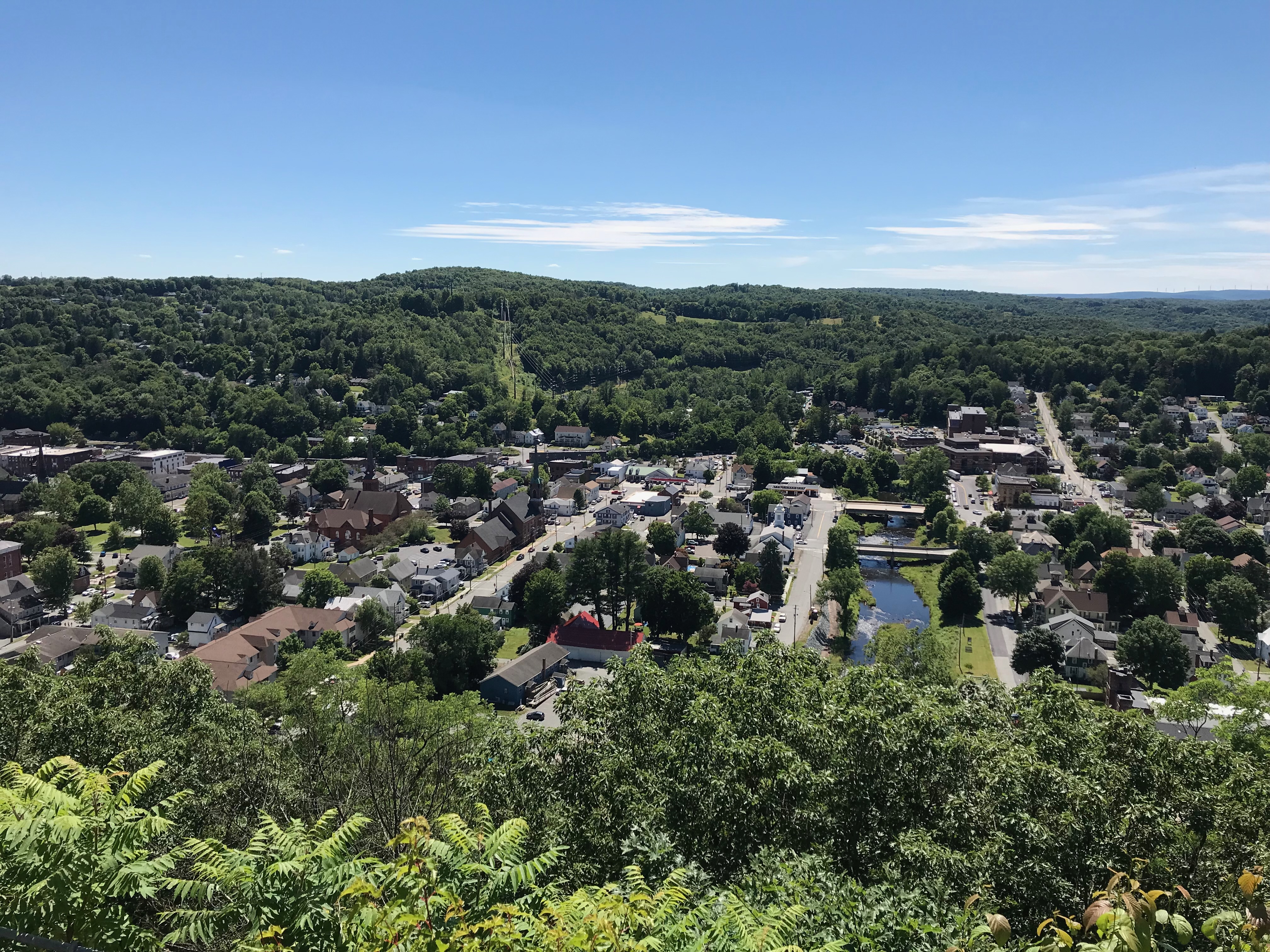
I’m growing fond of staycations.  Maybe it’s because I’ve become such a creature of habit that major disruptions seem daunting, but I still like a change of scenery with my family.  We settled on the Poconos because of, well, a chocolate factory.  More on that anon.  In any case, said location was near Honesdale, Pennsylvania.  Before setting out we learned that Honesdale is one of those quaint downtowns that has made it an island of culture in a sea of red, if you get my drift.  While researching things to do we learned about Irving’s Cliff.  This is an overlook of the town from a bluff atop one of the many hills.  What really caught my attention is that the Irving was none other than Washington Irving, the author of “The Legend of Sleepy Hollow.”  This cliff was a view he enjoyed, so it was named after him.

The view from Irving’s Cliff

Honesdale is a small town.  Less than 5,000 people call it home.  Growing up in western Pennsylvania I heard about more affluent people going to “the Poconos” out east.  It was a “romantic” getaway for some lucky high schoolers while the rest of us had to use our imagination regarding what such a place might be like.  Of course, living just south of the Poconos now we’ve driven through them many times, but we never stopped to linger here.  As I tried to commune with the spirit of Irving on his cliff, it occurred to me that he had been a world traveler.  Nipping across the border from his native New York to Pennsylvania must’ve been no big deal.  Still, he wrote incessantly and the locals obviously appreciated that a famous writer had tarried in their town.  Standing here, I knew the view he took in was quite different.  The hills would’ve been here, but a much smaller town and, above all, no cars.

My forthcoming book on Sleepy Hollow will have a thing or two to say about Washington Irving, of course.  It’d be a fool’s errand to try to follow in his footsteps, just as it would be to try the same for his namesake George Washington.  Besides, I was born in a western Pennsylvania town visited by our first president.  Although we couldn’t afford accommodation in Honesdale itself (it is a quaint town), we checked into our hotel knowing that “Washington Irving slept here.”  And when you’ve spent a few years writing a book about a guy’s work, well, a staycation to a place where he had one is worthy of comment.


Downtowns

I recently wrote about the movie Peeping Tom.  I mentioned a scene, particularly creepy, where a news agent sells a girl a candy bar after selling an older man pornography.  Writing about this reminded me of my own youth.  After we’d moved to Rouseville, the nearest town with shops in western Pennsylvania was Oil City.  It had a reasonable downtown then—a couple of blocks with a Woolworth’s, Thrift Drugs, a movie theater (the lamented, lost Drake), stationary stores, and the like.  By the time I was in fifth grade I’d begun to discover books.  (Ours was not a reading family, being much more of the television crowd.)  Finding books in Oil City was a bit of a challenge.  There wasn’t a bookstore.  The nearest regular bookshop was all the way over in Meadville, and Mom didn’t want to drive that far too often.

I’ve noted before that I bought used books at the Goodwill up in Seneca (where we bought clothes and household items as well).  If you stayed downtown in Oil City, though, you could find books for less than a dollar in a bin at Woolworth’s.  (I still have a few of those cheaply printed and bound “Easy Eye” editions on my shelf.)  There was, however, just a door or two down, a mysterious shop where I’d spied a rotating wire rack of paperbacks.  I was curious and although Mom never forbade us to go in, she certainly didn’t encourage it.  I was a tween ravenous for new reading material.  This shop also sold magazines and tobacco products.  Some of the magazines had their covers obscured, and although on the cusp of puberty, I was really only after books.

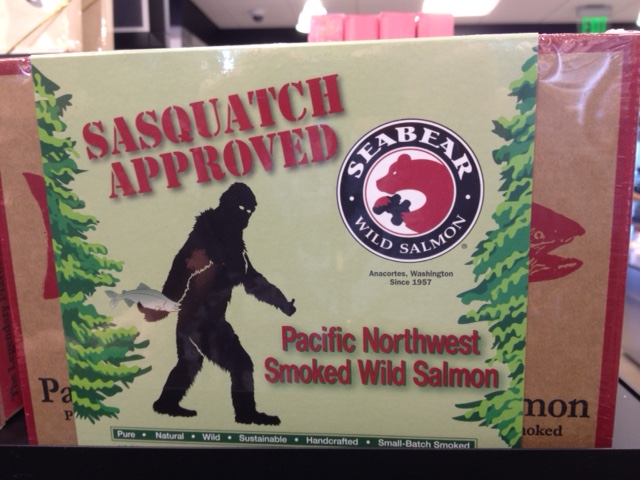
One time I went in to give the wire rack a whirl.  I seem to recall that the owner gave a rather wry look when a minor, myopically focused on books, wandered in.  The fare there was not what I was used to.  There was a novel about Bigfoot, I recall.  I thought maybe that would be of interest, but I didn’t buy it.  When I walked out, I had that creepy feeling that seedy places seem to leave palpably on your skin.  I guess it might’ve been the feeling of that innocent little girl wandering into a shop selling nudie pictures to buy a candy bar—probably because it was the closest shop to home.  Such downtowns, and undoubtedly, such stores still exist.  They’ve become rare.  Downtown Oil City is no longer recognizable when I go there.  Now, it seems, there’s nowhere to buy books at all.


Craving Stability

As memorable events go, earthquakes are right up there.  Well, we don’t get them often around here, but at 10:23 a.m. yesterday a 4.8 hit about 30 miles east of us, in New Jersey.  The whole house was shaking and it took quite a while to calm back down.  (Me, not the ground.)  The only other time I experienced an earthquake was the Virginia quake of August 23, 2011.  Yesterday’s was much closer and therefore felt much stronger.  It took a few seconds to believe it was even really happening.  Work will do that to you.  Such an event, just 3 days ahead of a total solar eclipse, has an almost apocalyptic feel to it.  And we’d just come off of a punishing super-soaker storm that left puddles in one of our bedrooms.  Those of us out east just don’t get these kinds of things happening very often.  It’s a little difficult to process and it kind of makes me wish I’d gone into geology after all.

Since apparently nobody was hurt, this goes into the category of transcendent earthly things.  Ironically, confirmation came from social media before any news networks had anything to say about it.  Big wheels turn slowly, I guess.  The first minutes after it hit were a time of confusion—did it really happen?  Was that actually an earthquake?  What else could it be?  The same was true after the Virginia quake.  I don’t want to brag about surviving an earthquake if that’s not what it was.  Funny how you want validation, even at a time like that.  Such events remind us that we’re small compared to this planet we call home.  When the earth moves there’s nothing you can do about it.

Ironically, there are no maps detailing the Ramapo Fault line that was responsible for this quake. At least there aren’t any on the web. At 5:58 p.m. we had a 4.0 magnitude aftershock, much briefer than the main event.  An end-of-the-day reminder that we rely on mother earth for just about everything.  Earthquakes are times to call certainties to question.  Time to ask what we really know.  The tri-state area (in this case New York, New Jersey, and Pennsylvania) isn’t particularly susceptible to earthquakes—or isn’t prone to them, in any case.  I grew up in Pennsylvania and never felt one, although a bolide shook my childhood house back in January 1987, I believe it was.  Such reminders serve a purpose and in that sense they’re signs and portents.  We need to listen to the earth.  If we don’t, she will get our attention.  And then we must ponder.

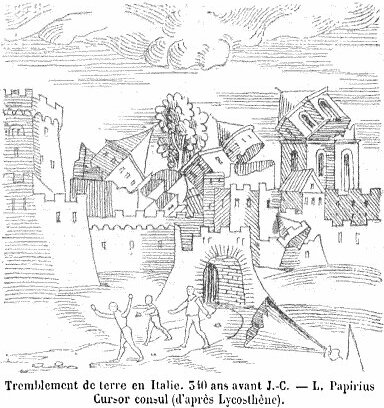
Nothing as bad as this! Image credit: illustration extraite Prodigiorum ac ostentorum chroniconde Lycosthène, public domain via Wikimedia Commons

Not so E-Z

Paying for someone else’s mistake.  That’s what technocracy brings.  We’ve used E-Z Pass for years.  We first got initiated in Pennsylvania although we lived in New Jersey at the time.  In those days we were taking lots of trips from New Jersey to upstate New York, for which you generally have to drive through Pennsylvania.  Hey, we’re a tri-state area.  One of the ironies my wife and I noticed is that you have to pay tolls to get out of New Jersey, but not to get in.  That’s not a scientifically-verified fact, just a pedestrian (or vehicular) observation.  Since I’ve got more things on my mind than I know what to do with, we set the account to auto-replenish.  When funds get low, it automatically refills.  Nifty, huh?!

For some reason I can’t even remember the card on which this system was based had to be reissued.  Like most people I can’t remember all the auto-renews on any given card, so when I get a notice that there’s a problem, I update immediately.  So let it be with E-Z Pass.  See, there—wasn’t that easy?  But apparently not.  The day after I updated (and given that transactions are instantaneous these days, what, me worry?) we happened to drive to New Jersey.  My wife had four work-related trips to our neighboring state over the next two weeks.  Then the violations started arriving.  From New Jersey E-Z Pass.  I’d spoken with a rep from Pennsylvania E-Z Pass the day before and he assured me everything was set up correctly.  But New Jersey plays hardball.  They won’t even talk to you until you’ve received the violations by mail—weeks after the fact.

Any violation comes with a $30 surcharge.  I needed to speak to a person since NJ’s E-Z Pass menu doesn’t offer an option for “If our system has screwed up and your being charged for it, please press 666.”  The message immediately says there will be a forty-minute wait to speak with a representative (PA E-Z Pass picks up on the first ring, just sayin’).  Forty-minutes of muzak turned into an hour.  My phone died.  I recharged and tried again.  Another hour passed.  Finally I called at 8 a.m. the next morning—there’s still a forty-minute wait, but it’s only forty minutes.  I finally spoke with a truculent rep (if you’re already out of sorts by 8:40 a.m. perhaps it’s time to look for a different job) who told me I had to set up an account for NJ E-Z Pass—they don’t have truck with PA E-Z Pass—and check it seven-to-ten business days later to see if the charges had cleared.  E-Z Pass really isn’t that easy.  Keeping a pocket full of quarters might save you time in the long run.


Final Thoughts

You feel kind of special running stop signs and red lights.  I’ve never driven in a funeral cortege before but this one is somehow taking place on an obligingly rainy October afternoon.  Although I was in that kind of emotional shock that you feel at the death of a close family member (it isn’t my first), I couldn’t help but consider all those behind the scenes who work in the death industry.  From the mortician at the Gardinier-Warren Funeral Home—where my grandmother’s funeral was also held—to the undertaker getting soaked in the chilly rain, everyone was friendly and kind.  I also reflected that watching horror movies is homework in a world where death is inevitable.  As a child I already knew about death, and although I’m not afraid to die, I’m not eager to have that particular experience just yet.

Horror movies are all about learning to cope.  Not so different from the book of Job, they’re reflections on why “the good life” doesn’t continue as it sometimes does for various stretches of a human life.  And as we age, death more and more naturally comes to mind.  I’ve written before about the therapeutic aspect of my odd avocation.  One of the realities of growing up religious is that my mother—may she rest in peace—taught me early on that this would be my bodily fate.  I found it disturbing seeing my grandmother in her casket.  I remember distinctly Mom telling me, “this is just her shell,” that her soul had moved on.  That didn’t prevent nightmares of that shell rising and walking again.  Is it any wonder I grew up watching horror films?

Reflecting afterwards with my brothers on our physical ailments—we aren’t young any more—my thoughts wandered back from time to time to horror movies that had made this just a little easier for me.  Life is full of opportunities to do our homework.  As I grew up reading the Bible and watching horror, I didn’t think of it as studying, but it was.  Many kids with whom I went to high school have died over the years.  I tend to look at the alumni magazine necrologies even as medical science improves our chances of surviving some of nature’s more dreaded diseases.  Life comes with no guarantees and horror films reinforce that it’s not a bad idea to think of some of these things ahead of time.  Afterwards, at one of my mother’s favorite local overlooks, I reflected on how I have a lot yet to process.  Homework never ends.


Hotelling

Perhaps I’m just sleep-deprived, but staying in a hotel is a collective experience.  It’s a place where communal consciousness should run high.  You’re stacked (in many cases) on top of and/or beside strangers.  And strangers have different habits.  Back in my hometown of Franklin for my mother’s funeral, there aren’t many options for accommodation.  Her last years in this region were spent in the small “suburb” of Oil City called Seneca.  An ambitious Holiday Inn Express visionary put a not-exactly-cheap establishment in this economically depressed area.  It’s generally a pretty comfortable place to stay.  I am, however, an early riser.  (I know this can’t be easy on my family since I go to bed early and that means televisions have to be kept low after 8 p.m. I’m part of the problem.)  As I say, it’s a collective experience.  I’m constitutionally incapable of sleeping in, so late nights lead to sleep-deprived days.

Around 1:30 new upstairs neighbors checked in.  Walker, Texas stranger types.  Heavy-footed with a penchant for running.  Their arrival awoke me at a dangerous hour since any time after midnight my body says, “You’ve had a few hours’ sleep, and dawn’s not that far off.”  As I groggily tried to remember relaxation techniques, my mind kept getting sucked back to our New Jersey apartment.  We rented the first floor of a house and one set of upstairs neighbors had a son who would run back and forth the length of the apartment, shaking all the light fixtures, knocking down plaster, and breaking concentration.  And sleep.  One particularly memorable work night, said urchin was leaping off a bed and running at about the same time as our late visitor last night.  The husband had a police record but we had to call the landlord for an intervention (I had to get up at 3:00 to be ready for my early bus).

When staying in a hotel, we’re living a model of life in community.  I think of this as a parable.  Societies thrive only when everyone considers the effects of their actions on others.  Arriving at a hotel after a long drive, kids are full of energy (I was, believe it or not, once one myself).  Still, if children aren’t taught that strangers are sleeping below, as adults will they ever internalize the message?  Or maybe it’s simply the trauma of those disturbed and frustrating years of constantly pounding feet above my head that have come back to me at an inopportune 2 a.m.  I have a funeral later today, but perhaps I’m just sleep deprived.

Who might be staying upstairs?