Oil City Millionaires

Oil City Junior High School. Ninth grade. As a kid who grew up politically naive, Mr. Baker’s words felt like the Gospel. “People will never elect a president against their own economic interests,” he once said. Then came the Reagan years with “trickle down” bs, and, let’s be honest, the working class has been hurting ever since. Reading the political headlines, I’m frankly distressed that politicians no longer have any clear idea what working class life is like. Online I see working-class friends following, zombie-like, the richest man to ever run for President, daily proving Mr. Baker wrong. I’m not naive enough to think that most career politicians of either party know what it’s like to struggle for a living, but I have seen time and time again the Democratic Party trying to stretch out safety nets for those who receive no trickle down hand-outs. I do know what it is to struggle, and I do know that getting an education does not equate to getting a job. I also know that no Republican since Eisenhower has tried to be fair to the working class.

I grew up just outside Oil City, Pennsylvania. It was a town founded by potential millionaires because petroleum had been discovered in the region. Many get-rich-quick schemers settled these pleasant hills and valleys, but the oil pools were as shallow as a politician’s sympathy, and some of the towns in the region became ghost towns. The Oil City I knew was working class families, trying to get by; many grasping religion when politics never ceased to disappoint. We were children of Damocles. Somehow the message has morphed from when I was a child paying attention in school. The issue is now, “I’m not well off, but I sure as heck don’t want the government helping those worse off than me!” Trickle down indeed. To me it seems obvious why the wealthy skew “pro-life”—their schemes cannot succeed without a constant stream of desperate workers. Keep those kids coming!

Because as a child I read all the time, I knew there was a life outside Oil City. Paying my own way through college with crippling debts, I managed to get out and earn an advanced degree overseas, just to be fired by a Republican who thought my advocacy for fair treatment had no place in a seminary. Yes, I’ve felt the barbed lash of unemployment. I spent years wondering what might become of my small family as trickle-downs began defying gravity and wormed their way back up to the wealthy. I’ve never owned a house; none has ever trickled down to my income level. Those Oil City millionaires never gave me any handouts. But Oil City did give me an education. I learned to see through those who say they are protecting me and my future. The only thing they are protecting is securely tucked into their back pockets. I’ve seen their ads castigating Jimmy Carter, a president who is actually out there building houses for the poor. I’ve heard them blaming Obama for not filling in a trench that took Bush the Less eight years to dig. I say let’s just let trickle-down fill that hole. I’m sure the Oil City millionaires will be glad to kick in a greenback or two; after all no one ever votes against their own economic self-interest.
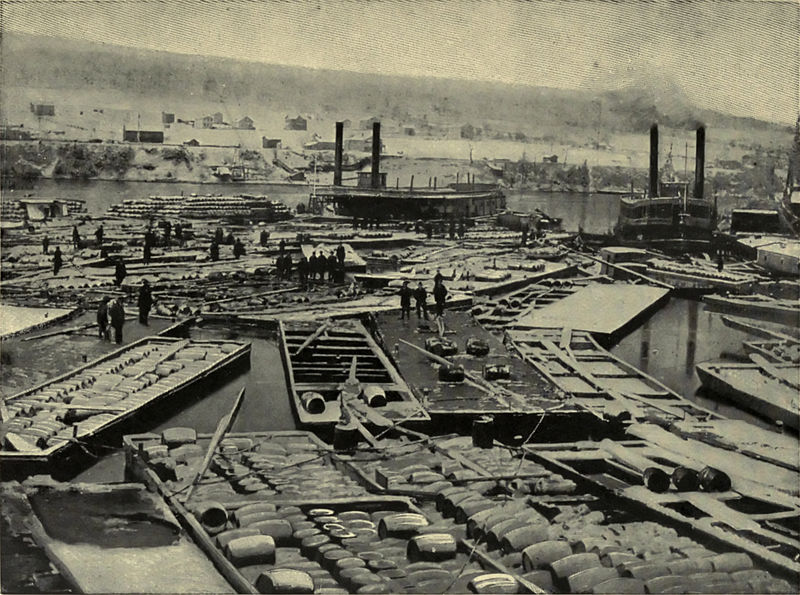
Trickle down.

Country Roads

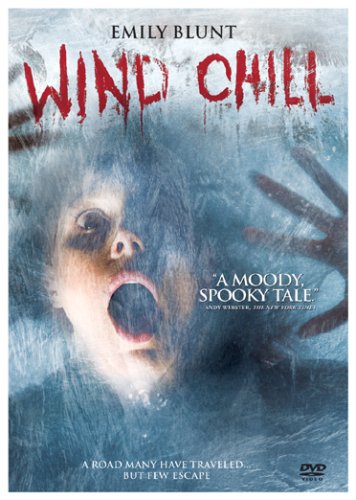
It may be a little too early for winter, but scary movie season has begun in my personal calendar. This weekend I watched Wind Chill. Although critics weren’t always kind to the movie, and the ending is somewhat predictable, it is one of the more decidedly creepy films I’ve seen recently. Since it is set in Pennsylvania there was a bit of a homey touch to the terror. I have driven on similar roads to that in the movie, during snowstorms, and that is one of life’s true terrors. What makes the movie so frightening is its ambiguity. Put a teenage girl alone with a guy in a car on an isolated road and you’ve already got enough elements to make your spine tingle. It becomes clear that the guy hasn’t been honest with the girl all along (the characters are never given names in the movie) and as they spend the night in the broken-down car reality and nightmare become increasingly difficult to parse. Of course, religion plays a role in the show.

The guy is giving the girl a ride home for the holiday break. He’s been watching her, a little too closely, for some time although she doesn’t know that until it’s too late to turn back. As they fumble for conversation it turns out that he is an “Eastern Religions” major and they met in a philosophy class. This just keeps getting scarier and scarier! After they break down (spoiler alert!) and the ghosts start showing up, we learn that some of them are priests. They had come to this haunted road to give the last rites to some accident victims before freezing to death in the poorly insulated cells in a strange little monastery on the hill (this is Pennsylvania, remember). As the night wears on we find the priests condemning the bad cop to a fiery death before light dawns and the girl finally finds salvation.

Of course, this is a variation of the old urban legend of the teenage couple out parking when something scary happens. Having everything in half-light and through smeary, foggy windows makes it more difficult to perceive what is actually going on. A lying religion major, priests complicit in a deserved fatality accident, and Nietzsche’s eternal recurrence give the film a little intellectual heft among the muted special effects and bleary-eyed confusion as the night goes on. Morality is on trial here. Although not the most profound of films, Wind Chill deserves some credit for bringing religion and horror to the same remote location and having them trade cards in the dark of night.


Guide Me, O Thou Great

You are an apostate, or worse. Unless, that is, you belong to the relatively select religion known as Jehovah’s Witnesses. Having grown up in a town bereft of Witnesses, my first exposure came as the result of an American Religions course. Grove City, Pennsylvania was not an ideal locale to experience religious diversity, outside the Protestant Neapolitan flavor. When we had to visit a religious service outside that milieu, I joined some classmates for a trip to the local Kingdom Hall. There are few situations as uncomfortable as watching other people being religious. It is so intimate. When Watchtower study began, my classmates and I, good Christians all, were shocked to hear even a young child answer one of the questions put by the leader with “the Christian apostates!” She was quite enthusiastic. If you were not a Witness you were an apostate.

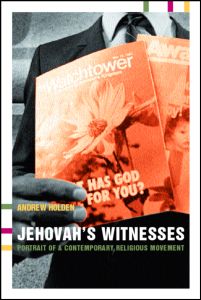
Since that time, Witnesses have been no strangers to my door, so I read Andrew Holden’s Jehovah’s Witnesses: Portrait of a Contemporary Religious Movement (Routledge, 2002) with interest. Holden is a sociologist who undertakes an analysis of the ascetic, millenarian group in a conflicted situation. Modern society proves quite difficult to reconcile with Witnesses’ authoritarian biblical literalism. The assertion, now quietly overlooked, that the world did not end on cue has proved an embarrassment more than once. Most recently Armageddon was scheduled for a 1975 time slot, but this stubborn, old world just keeps limping along. In many ways, it is a sad tale. Witnesses advocate clean living and fair dealing, but if you’re not part of the club you are a danger to those who are. Non-monastic, they nevertheless shut themselves off from much that the world has to offer.

Holden’s study is a model of fair-minded analysis. He is not out to humiliate or insult the Witnesses or their lifestyle. He remains true to the evidence (but not the doctrine) and offers a rare, objective look at a New Religious Movement. Distinguished as one of the few religions to have started in Pittsburgh (the city that also gave us the cinematic zombie), Witnesses are now a six-million strong, worldwide religion. While Holden gives only a cursory glimpse of their doctrine, he does offer a rare view into an exclusive faith struggling for the end of a pluralistic world. It is a study well worth reading. Especially for an apostate.


Searching for God (Rock)

The last time I visited my native western Pennsylvania I went on a quest to find the “Indian God Rock.” This is a local landmark that contains a rare set of Native American petroglyphs from around 1200 C.E., and which I have never seen. Having heard of the stone since my earliest days in the local school system, I was curious to see it. The moniker “God Rock” is complete speculation, based on early assumptions that the Algonquin wouldn’t have inscribed the stone without religious motivation. Since that time, however, the site itself has been deemed a numinous place by some by dint of having authentic petroglyphs. What makes any site sacred is the experience of the visitor. I had lived in this area for the first two decades of my life and never found it. Of course, there was no Internet in those days and its location was remote. Sacred places should be difficult to reach. It was about time.

The Indian God Rock is located on a bicycle trail. For me that now translates into bicycle trial. I used to take epic bike trips with my brother, but although they say you never forget how to ride a bike I am agnostic on the point. I have ridden a bicycle a few times in the last decade or two, and always with unusual aches when it’s over. I still like to jog, but perhaps having my feet in contact with the ground is a kind of sacred behavior in itself. In any case, when I went after the God Rock, I was on foot. Although I’m motivated in a fairly serious way when I’m on a quest, I also know what it is to be outvoted (unlike some politicians). Without a map, perhaps on the wrong trail, in the rain, after a couple hours of walking, I had to bow to the wishes of the majority and give up.

On the way back to the car, I found a newt. In my younger days in this region I used to find them in our yard following a good rain. They are delicate creatures. When you pick them up, they try to scrabble out of your hands, supposing, as nature informs them, that to encounter a larger force is to risk being consumed. I think that this must be similar to human religious motivation. In the presence of something larger than ourselves, something that boggles the mind, we assume it is a god. The reality of the matter, however, is that the life within us is the closest we get to the divine. The newt in my hands is the true wonder. Somewhere not far from here is an Indian God Rock that I have never found, but right now life is in my hands. I later discovered I had been on the wrong trail all along.


Don’t Let Them Frack You

One of the consequences of having been born into a post-industrial society is the sense that others have managed to set the parameters even before I became aware of them. In the summer of 2010 I learned about the Deepwater Horizon accident. Prior to that, I had no idea that semi-submersible, deep-water drilling was even possible, let alone already happily lining billionaires’ pockets. I felt violated. This is my planet too. That same year, while attending a FIRST robotics competition in Trenton, the high school kids were greeted after the event by a lone protestor wearing a sandwich board warning of the dangers of fracking. In New Jersey it is very easy to find people protesting. Sometimes their nemeses are purely delusional. “What’s fracking?” I asked one of the kids (all of whom are arguably smarter than me). He didn’t know. I looked it up once I got home, and once again had the feeling that somebody was messing up my planet without me knowing.

Sure, human habitation has a tremendous impact on the environment. It is part of the curse of consciousness. Nevertheless, at some level we must know that our actions threaten not only other species, but also our own existence as well. A story on CNN about fracking, back in my own oil-industry state of Pennsylvania, demonstrates the dangers all too clearly. I grew up in the shadow of a petroleum refinery—Pennsylvania is where the oil industry began. Unfortunately it also has a history of poisoning its own environment. The CNN story highlights the dilemma of Dimock, a tiny town with water contamination caused by fracking. Not even a hundred miles away to the south lies Centralia, still slowly asphyxiating from its fifty-year old mine fire. Our lust for fossil fuels—and more importantly, the wealth they bring—has bankrupted our sense of responsibility to our planet and to each other.

I am certain free-market entrepreneurs would characterize what I sense to be injustice as mere complaining. But there comes a point at which we have to ask if the extra energy is worth the cost. Maybe we could do with a little less. I know that’s blasphemy in capitalist ears, but it is a truth whose scars scrawl across the landscape of this nation. Just about 150 miles southwest of Dimock lies Three Mile Island, a testament to our love of power. Over on the western edge of the state sits the ghost town called Pithole. An oil boom town, it ran out of steam when deeper pools were discovered elsewhere. When I stand in its deserted streets, returned to nature after the many decades of neglect, I realize that it is a silent symbol of human ambitions. We should not give up on our earth, lest it give up on us. It is not too late. Yet.

Borrowed from the National Fuel Accountability Coalition


The Fires of Bureaucratic Porn

My hopeless naivety must show through on this blog from time to time. I mean, I once walked into a Fossil store expecting to find impressions of dead animals instead of trendy accessories. Maybe it is because I grew up in a small town, without cable, with a regular regimen of church attendance and associated activities. Being working class often means taking things at face value. You learn pretty quickly that you don’t have much control over the things around you—someone else signs the checks, and if you don’t do what they say, the checks don’t get signed. I grew up in a refinery town doing lots of dirty jobs. “Excuse me sir, but do you have any trilobites?” There’s one born every minute. Well, more frequently than that, actually.

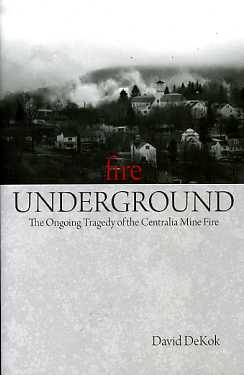
Thus it was with a certain wonder that I first learned about another small, Pennsylvania town with an unearthly problem. David DeKok’s Fire Underground: The Ongoing Tragedy of the Centralia Mine Fire is an unsensationalized ride through the reality of bureaucratic lack of heart and the weighing of peoples’ lives in the scales of cost effectiveness. The Centralia mine fire began the year I was born (1962). It still burns today and has enough fuel, some reports suggest, to last for a thousand years. This is a hellish millennium. Accounts of elderly citizens awaking in the middle of the night with carbon monoxide clouds in their basements, ground temperatures hot enough to melt blacktop, bore-hole readings of over 800 degrees. Under what’s left of the town of Centralia, the heart of the fire is hotter than the surface of the planet Mercury. What DeKok provides is a step-by-step analysis of political side-stepping. Realizing how expensive it had become to fight this fire underground, state officials were repeatedly caught with their skirts over their heads, claiming that they were wearing full-body armor underneath. During the height of the crisis, in the Reagan and Thornburg years, cutbacks in vital services left the working people of this town in an impossible predicament. Those in positions of power would not even change their vacation plans to try to save a thousand lives. When the smoke clears, after a millennium, if there’s anyone left to write histories, we will see where unchecked greed and ambition lead. It is the only hope we have. The book reads like porn for bureaucrats.

In my hometown we worried about refinery fires when I was growing up. As a child I saw such a fire from a distance; it looked like an entire hillside (a mountain in my naive eyes) was aflame. My brothers and I went outside to gather ashes as large as dinner plates that were floating through the sky, falling like demonic snow. (We doubtless would have kept them, alongside our fossils, had my mother not sensibly put down her foot.) Later, when we drove out that way, we saw the great steel vats that held 260,000 gallons of petroleum products bent and folded over like the hem of God’s great robe in the temple. Over forty years later the image is still vivid in my mind. Those who’ve lived with fire know the danger better than plutocratic oligarchs who view human lives in terms of the bottom line. One truth of physics may come to our aid, eventually; heat does rise. Whether it will ever reach the level of those in power, however, will only be answered when I find that trilobite I’m seeking amid the expensive watches and wallets of the Fossil crowd. I’ll find one too, before the Centralia mine fire burns itself out.


Don’t Know Much

Pennsylvania does not come immediately to mind when “big states” are mentioned. When you have to drive the breadth of the state, however, you start to get a sense of the beast. Despite its abundant natural beauty, Interstate 80 manages to keep it to a minimum, so driving home yesterday we listened to the first disc of Kenneth C. Davis’s A Nation Rising in audio-book format. Mostly known for his Don’t Know Much About — books, Davis is a popular historian with a sense of what makes the past interesting. I can’t speak for the entire book yet, but the unabridged reading of A Nation Rising certainly was an educational experience for the first hour or so I’ve heard. The book focuses on the initial fifty years of the nineteenth century (1801-1850) in the United States. Of particular interest to me is the religious angle. In the introduction Davis states that it will become clear how the concept of America as a Christian nation is a myth. Other than my usual objection to “myth” being equated with falsity, this premise does look very interesting.

Stepping back before the nineteenth century, Davis spends several minutes (which I assume translates to several pages) describing the ancestry of Aaron Burr, one of America’s bad-boy politicians of the period. Burr was a grandson of the reformed minister Jonathan Edwards and this circumstance leads Davis to recount a bit about the Great Awakening. The first major religious revival on American soil, the Great Awakening spread throughout the States in the 1730s and ‘40s, setting the reputation of the young nation as a bastion of Reformed Christianity. Although many denominations became involved in the show, the origin and orientation of the Great Awakening was Calvinistic. Reacting against enforced Catholicism in much of Europe, many colonials flocked to America to practice their stripped down, Bible-based, generally intolerant religion in the New World. Particularly interesting in Davis’s rendition is George Whitefield. Viewing the preacher from hindsight that includes a distorted religious view of American history, Davis notes that Whitefield was as much performer as preacher.

Trying to figure out the next hot trend

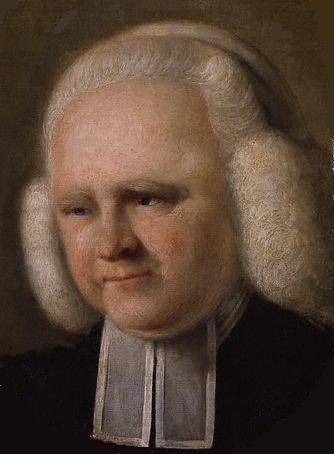
Whitefield was an Anglican priest who helped set the mold for John Wesley’s success in bringing what would become the Methodist Church to America. “Whitefield pioneered the development of multiplatform marketing strategies,” using the media and staged events to draw attention to his evangelistic efforts, according to Davis. Whitefield knew that religion alone could not sway the masses. They had to be entertained. Davis notes that even the Tea Party has corollaries in early American history. What the mainstream has been slow—perhaps too slow—to realize is that entertainment works. In casting the die for American spirituality, preachers like Edwards and Whitefield knew the value of the gripping sermon vividly illustrated. The antics of many Tea Partiers reveal that they learned the lesson well. Showboating will garner more votes than substance any day. How else can we explain Ronald Reagan, Sonny Bono, Jesse Ventura, and Arnold Schwarzenegger? This is America’s truest legacy: entertaining with religious faith will take you where intellectual depth just can’t go.

I will have to wait for another car trip to hear more of Davis’s interesting perspective on American history, but in the meantime I wonder how long it will take intelligent Americans to catch on. Don’t Know Much About History is a frighteningly prescient title for those who continue to ignore religion as a political force.


A Sense of Place

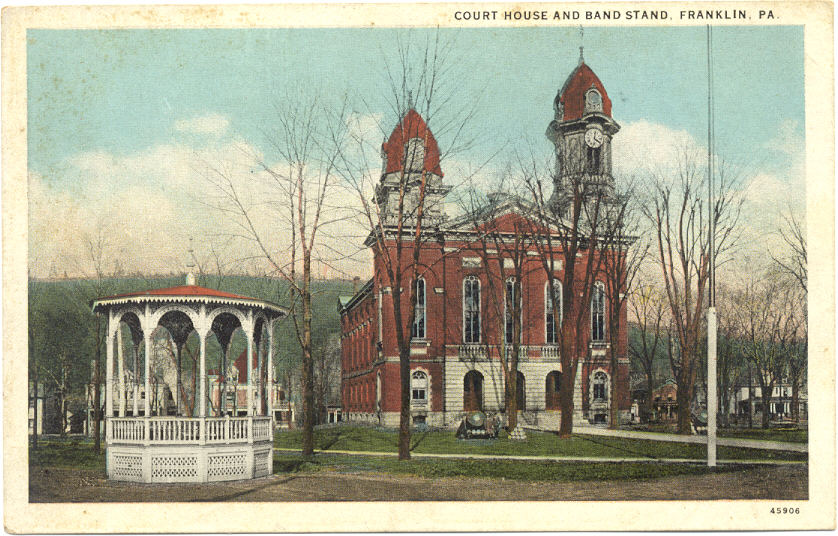
Franklin, Pennsylvania. The place I was born seems to participate in what is sometimes labeled “sacred geography.” No one really knows why people imbue certain places with a sense of particular significance, but we all do. Whether it is world-famous tourist sites or our humble hometowns, there are places for us that possess an emotional resonance that other places lack. By the time I was an adult I was eager to get away from my hometown, to stretch myself and see if there was more to this world than these ancient green hills were willing to disclose. But still I return. When something brings my town into prominence, it somehow still impacts me. In the second season of the X-Files Mulder and Scully came to Franklin. Of course, the episode was not filmed here, just set here. But that was enough. My small hometown had been validated. It is part of my personal sacred geography.

I recently learned about WestPA Magazine. While it still has a way to go before becoming mainstream, it needles into that sense of belonging that refuses to let me go. Reading about the grandeur that once settled over this town feels like reading my own biography at times. Last night, for example, I learned that one of the first steps of female equality—a small step, but we all must begin to walk somewhere—took place here. One of the inheritors of the oil wealth that originally put this region on the map was Charles Joseph Sibley Miller. He hosted two presidents on his yacht, partnered with John Astor and William Vanderbilt on a business venture, and had his car personally delivered by Louis Cheverolet. Although largely overlooked by history, Miller purchased a hot air balloon in which he took his wife, Mary Prentice Miller, for a ride, making her the first known woman aeronaut in history. One small lift for a woman, one giant lift for womankind.

There seems to be no scientific basis for sacred geography. It is simply something that we sense. I left my home region, the birthplace of the oil industry, a site of some importance in the Revolutionary War, to pursue a more tenuous, if abstract career track. And still I come back and find myself amazed. I suspect our sense of sacred geography evolved along with our penchant for territorialism, our desire for private property, and our need to find sanctuary of some kind. I can stake no claims for the accomplishments of those who settled this region, but for me it will always be a touch-point for sacred geography. When I make my occasional returns, it feels as though I might still belong.


Sacred Bowl

No winners in this game

I am not a sports fan. Nevertheless, in years when we can afford cable I’ve watched the Super Bowl with a perverse curiosity. Especially when I’ve lived near the locus of one of the competing teams. Having grown up just north of Pittsburgh and having spent fourteen years just south of Green Bay, this year would have been a toss-up for me anyway. I have friends from both Pennsylvania and Wisconsin, and it was interesting to watch the pre-game posturing, knowing that someone’s self esteem would be low this morning after. The Super Bowl, unlike Sunday religious meetings, is an event that never fails to fill the pews. Football reaches across denominational borders into personal pride. It is an odd thing to find regional self-worth in the antics of highly paid professional players from all over the country secured in a single location by money alone.

Sports are religious for many. There are acolytes, saints, bishops and high priests of the gaming community. And the congregation feels special when their team wins. An odd way to measure civic pride. When was the last time that a city bragged about the social care offered to its unfortunate? Would sponsors pay millions to see a city cleansed of unemployment, uneven health care, and corruption? Shining cities just aren’t set on the hills any more. What shines are lycra leggings and polycarbonate helmets. And funny commercials. For one day many Americans are gathered around the common altar of the television screen and many, many prayers are uttered.

In a world full of serious problems, playtime may be essential release. Nevertheless, when the game is over the problems remain. If only people could get as excited about solving a genuine crisis, and feel a sense of accomplishment by helping those on the opposite team. Instead religions divide up into teams and compete for stakes higher than even a Vince Lombardi, stakes that are sometimes taken too literally. No matter what the teams may be, the losers are always the same. They are the ones who suffer no matter which team walks away with the prize. Who won the Super Bowl? Did anybody really win?


The Triumph of Baal

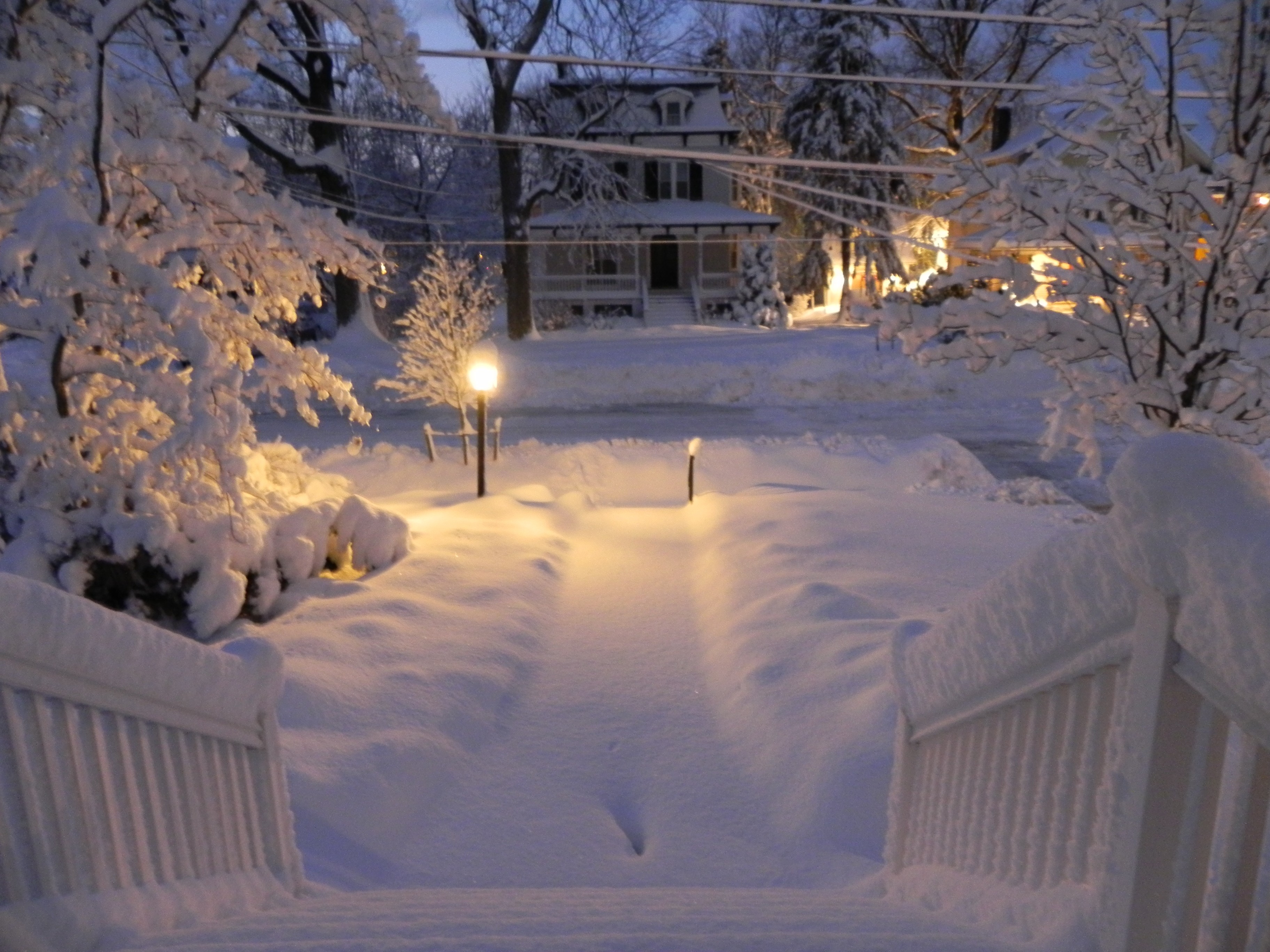
“Snow weariness” is no strange phenomenon even to those of us who were reared in the legendary snow belt of Lake Erie. Although Buffalo consistently topped our records, months of deep snow burying all the familiar features of our landscape in northwestern Pennsylvania were regular expectations of winter. Snow weariness generally settled in around March when we longed for green pastures and unstill waters. As an adult in generally snow-deprived New Jersey, the weariness sets in much quicker. Attempting to drive on highways with sneophytes is a challenge; before I had my license I had driven in plenty of snow, otherwise I’d have had to hibernate from December through April of each year. Digging out from New Jersey’s third major snow-plop of January, however, the magic seems to have vanished.

Baal was a god who controlled the weather. Some years back I finished a book (still unpublished) on weather terminology in the Psalms. Many psalms are notable for containing archaic imagery and phrasing, leading some scholars to suggest they might have been new, revised “Canaanite” versions of songs originally dedicated to Baal. Perhaps so. The Psalms frequently note the wonder of weather, even occasionally of the snow. Psalm 147 contains the lines:

16 The one giving snow like the wool,
he scatters hoarfrost like the ashes,
17 throwing his rime like crumbs,
before his cold who will stand?

Originally a paean to Baal? Who knows? It’s just that we’re all shivering down here. And Israelites didn’t have to shovel a path to their cars to turn over reluctant engines to get a modicum of warm air circulating before they actually arrived at work.

Once Israel’s monotheism set in, Yahweh took control of the weather, thank you. Even a glance at the Psalms demonstrates the superiority of Israel’s divine weather-maker. From the view down here, however, it looks like maybe Baal has a few tricks still to play. Would Yahweh ever cause a Bible class to be cancelled because of inclement weather?

Dawn in the new snow Baal


Hunting Vampires

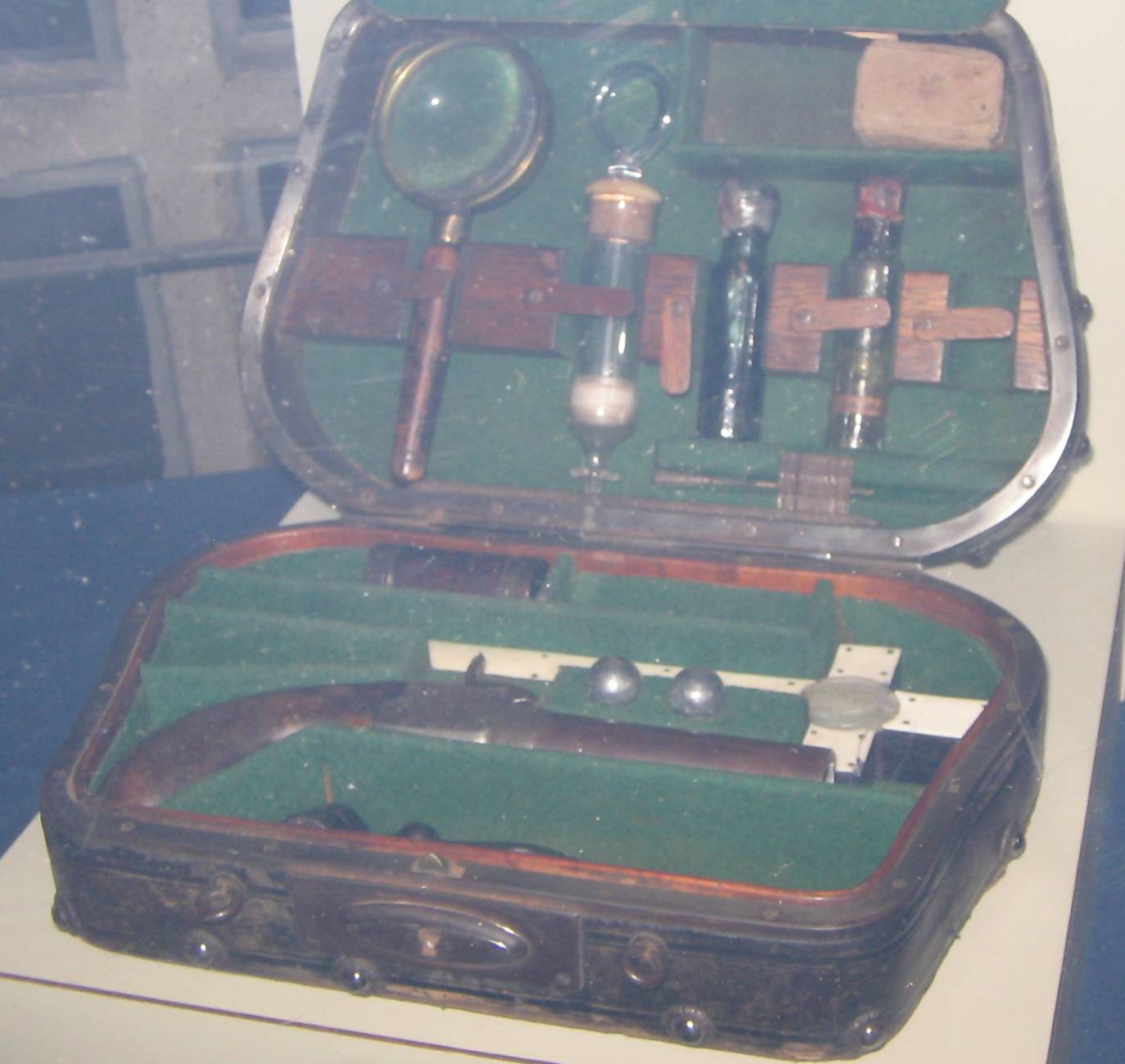
The Mercer Museum in Doylestown, Pennsylvania is a treasure trove of Americana from the turn of the last century. Henry Chapman Mercer, in addition to being wealthy, had the foresight to realize that society was rapidly changing, even back then. He undertook the collection of everyday artifacts from many human industries, poured himself another castle-like concrete building, and housed the baubles there. It is a fascinating walk through nineteenth-century America. And if you visit on a cold day it feels as well as looks like Currier and Ives have just passed through. My main draw, however, was a vampire hunting kit.

If only I had a polaroid lens...

Prominently displayed, the kit includes a Victorian Protestant’s tool chest for any blood-sucking eventuality. A cross (sans corpus), a pistol with “silver” bullets, glass vials with various apotropaic ingredients, even a little stake, all in custom-cut green velvet. Unfortunately, the kit is believed to be a forgery, although the items in it are from the Victorian era. The silver bullets are, for example, pewter. As the placard notes, vampires do not exist, but that doesn’t mean people didn’t believe they might have existed. The museum, naturally enough, hoped that the Victorian era kit might be authentic. Scientific analysis has revealed otherwise despite the fact that many people continue to believe in something that has no basis in reality.

Belief constitutes reality. Otherwise, how could it be that thousands, if not millions, of people don’t accept the fact of global warming? Brash barons of unhindered industrial progress insist that humans can’t harm the planet – it’s just too big. We can suck out all the resources that billions of years have deposited in intricate recesses and that nature has sprouted right on the surface. For, they say, God has given them to us. They believe that. If we held a mirror up to them, what would we see? Maybe we would be forced to change our minds and go after that vampire-hunting kit after all.


Mercer Metaphor

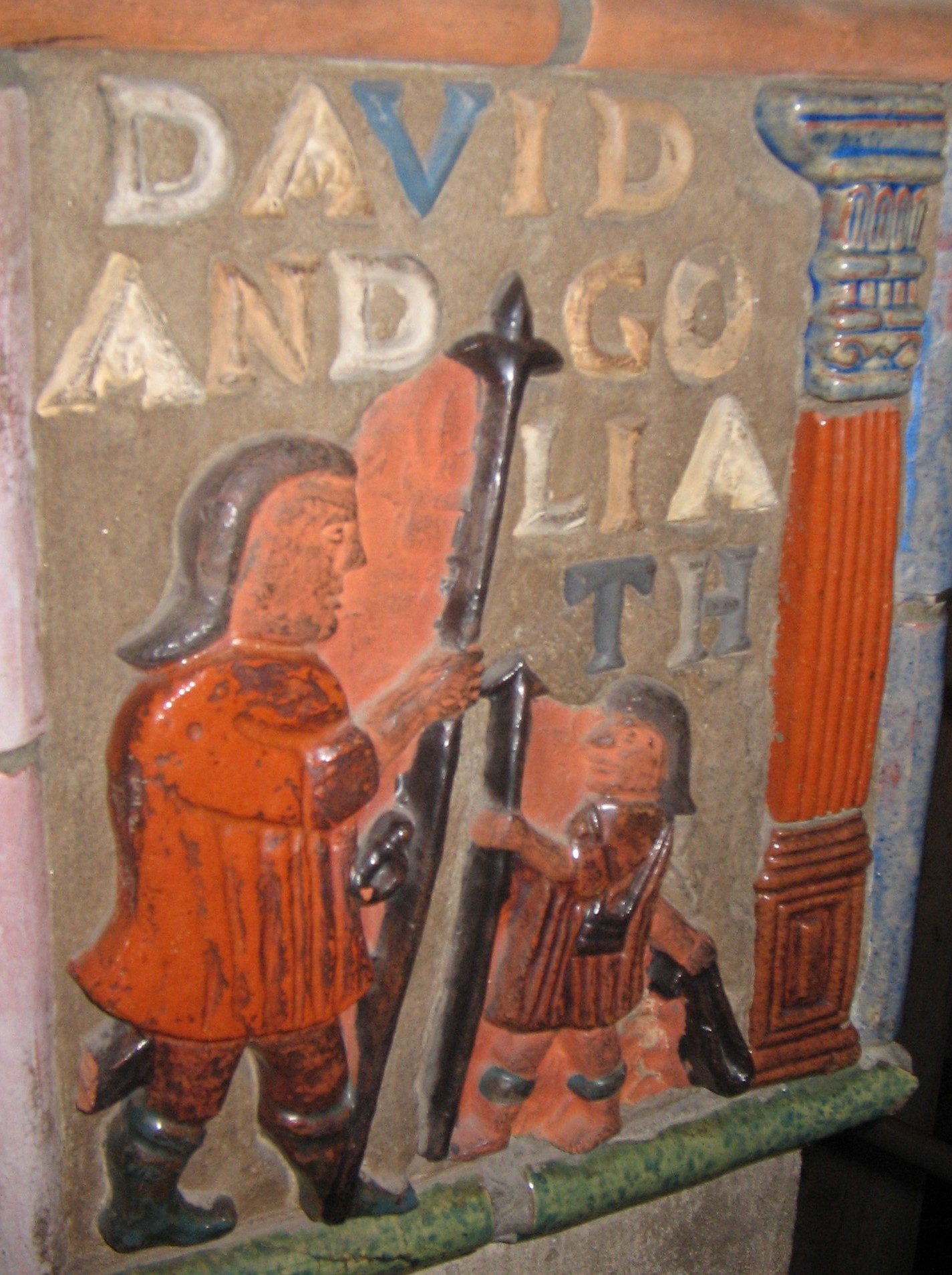
Not being a follower of the rich and famous, I had never heard of Henry Chapman Mercer before visiting his house. Mr. Mercer has long departed, but he was a tile-maker with a very rich auntie back at the turn of the penultimate century. Being from Doylestown, Pennsylvania, Mercer poured his money (literally) into a castle made of concrete. This sturdy, labyrinthine structure, called Fonthill, is a five-story museum that is an hommage to ceramics and the art of tile making. The friends who introduced us the museum enticed me with the information that Mercer had embedded Sumerian tablets in the wall of his concrete mansion. Indeed he had. Standing in the house that Charles Dickens once visited, I realized that the literary connections stretched beyond Sumer to the lifetime of Mercer himself. And right in the middle was the Bible.

Who might that giant be?

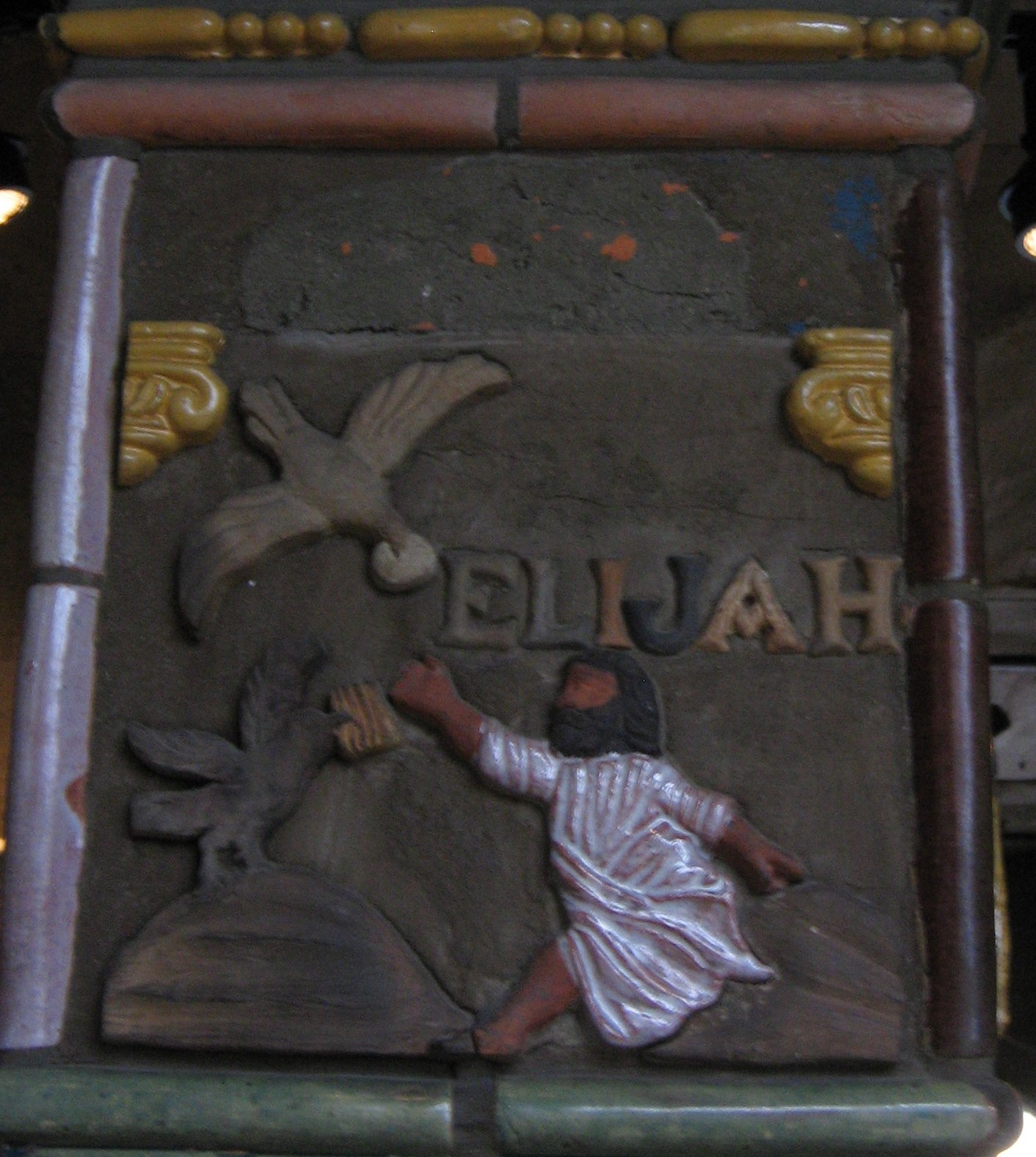
There is so much to see in every room of Fonthill that I could not hope to take it all in. No photographs are allowed inside, so I was desperately trying to remember every square centimeter that I was lucky enough to examine. The Bible, however, came in the form of clay. Mercer designed tiles. A tile factory still sits on the grounds of the house. Many of these tiles depict biblical scenes. Perhaps sharing a shudder with most of the wealthy, Mercer had concerns for the afterlife. The Bible is the balm in Gilead. Although I couldn’t take photos in the house, pieces made from the same molds adorned the nearby Mercer Museum that we visited later that day. Both buildings lack adequate heating but abound in human-made stone. I snapped a couple of biblically themed tiles before eagerly heading to the warmth of the car.

Elijah reaches for a handout

Meanwhile the news declares that unemployment benefits are being shortened by a bloated government. Those who’ve been forced out of work by a capitalism out of control will now have to make their own jobs, it seems. Bush-era tax breaks are being desperately defended by congressmen who look surprisingly well fed. The rich have never had it so bad. Henry Mercer did not have to work for his money, yet the Bible adorns his monument in stone. Fonthill is definitely worth the trip to Doylestown. While you’re there, look for the ubiquitous Bible. The Bible, although possibly the most misunderstood book in human history, lends its gravitas even to the vaunted towers of Babel.


Impossible Kingdom

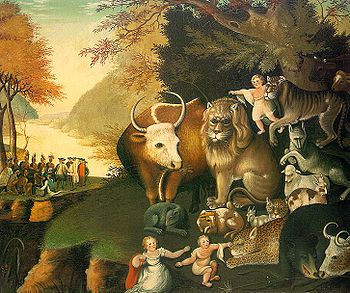
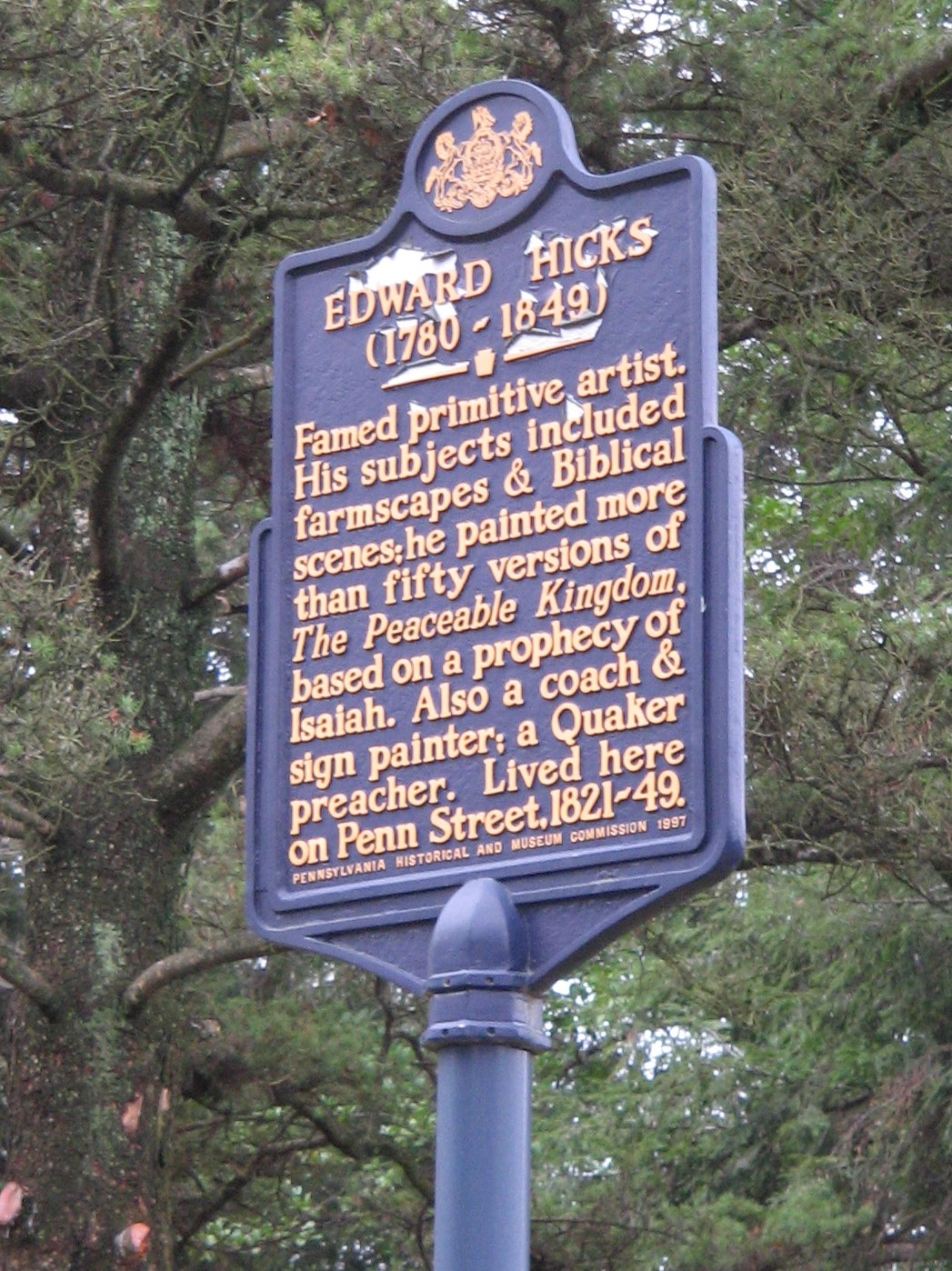
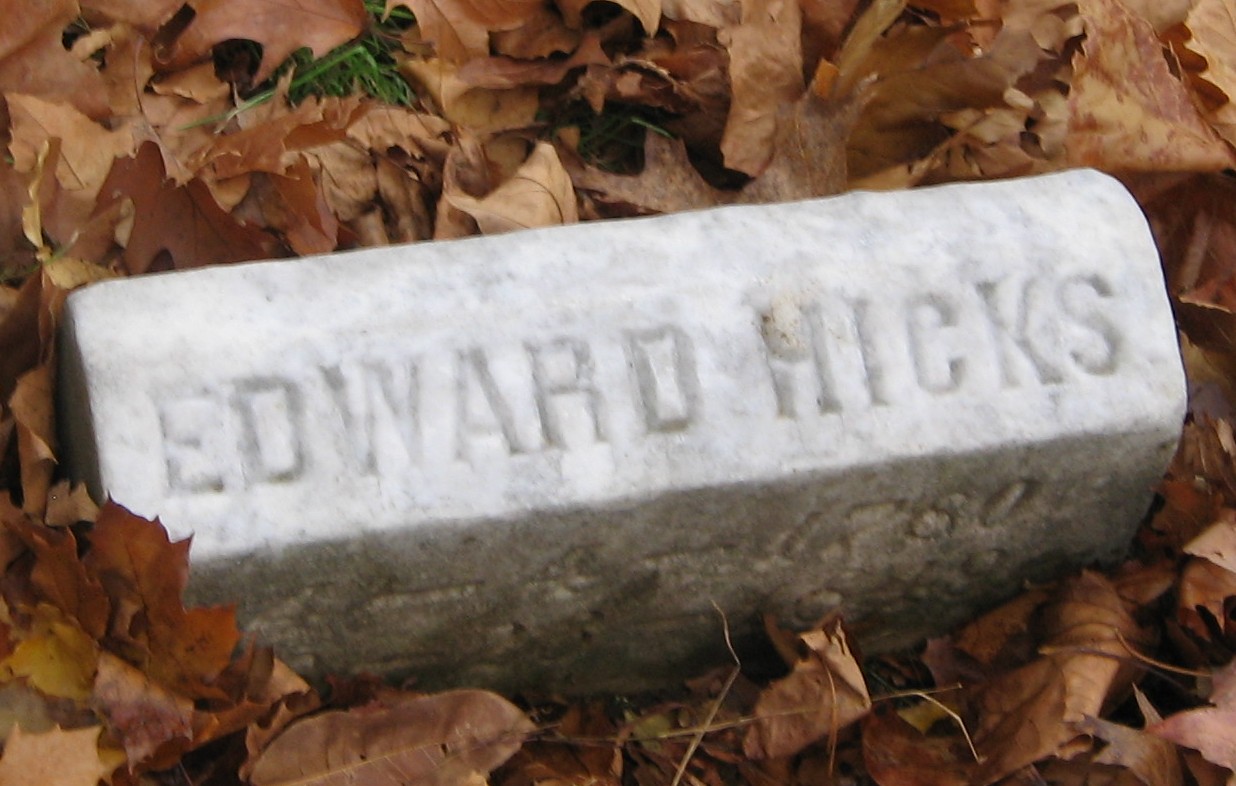
Over Thanksgiving we visited friends in Newtown, Pennsylvania. Newtown was the home of the Quaker painter Edward Hicks, famous for his many renditions of The Peaceable Kingdom. On a chilly Black Friday we walked to his former home, visited his Meeting House, and stopped by his grave. The Quakers, whose presence is much more palpable in the eastern part of the state, were the original Pennsylvanians. Their pacifism defined them, and the peaceable kingdom was their ideal world. A world without strife, without greed, without televangelists and politicians. It is a compelling vision.

A peaceable kingdom

The Society of Friends recognized no human leader to their movement that sought direct experience of the divine. In the Bible such a vision pervades early Israel where the rule of God was expected to be enough; no king was needed for this kingdom. The ideal world, however, was plagued by human ambition and selfishness. Before the first judge hung up his hat they knew that they’d need a king. A monarchy, as they were warned, that would bring about its own set of intractable problems. Leadership inherently creates inequalities. Just ask any accountant who keeps track of a governor’s expenses. Kinglets are just as bad as godlets.

We read about the excesses and abuses our leaders stockpile in the name of public servanthood. Yet, for all that, the world is not at peace. An increasing number of nations are joining the nuclear club, poising their missiles over populations of innumerable people in need. The peaceable kingdom has no king, and the visions of the prophets are cloudy and uncertain. Visiting the quaint, affluent hamlet of Newtown, it is possible to believe in the vision of one of their defining personalities. Just don’t open the newspaper or turn on the television. Because, like the Israelites, we have many eager kings lined up outside the door.

Is the peaceable kingdom dead?


Escanaba in da Moonlight

My daughter was ill at school recently and I went to pick her up. It has been a few years since this has happened, so I guess I’m a little out of practice. In the school office there is a Star-Trekish device poking up through the counter where visitors check in. I was instructed to put my driver’s license on the device and an eerie glow emerged from it as they scanned my card. You are not allowed to leave with your own child, even if the school calls you, without being scanned. A New Jersey license is a real hassle to acquire with multiple forms of ID required – this isn’t the Midwest where you just turn in your expired license and they hand you a new one. Every four years you have to prove you are who you say you are. As we climbed into the car, I was glad for the school security, but I couldn’t help remembering.

I grew up in western Pennsylvania where deer worship was the dominant religion. The first day of buck season was a school holiday; I can’t recall if doe opening day was just a half-day or not. We could not graduate without passing a course called “hunter’s safety” which involved detailed instructions on how to shoot rifles and shotguns. My high school – God’s truth – had a rifle range in the basement and you were allowed to bring your rifle to school as long as you checked it in the principal’s office. When I tell others about this they don’t believe me, but when I ask my high school friends they all remember it that way too. Now that my stupidly smiling driver’s license image is floating around the school mainframe as a potential kidnapper for picking up my own daughter, I think about the difference in times.

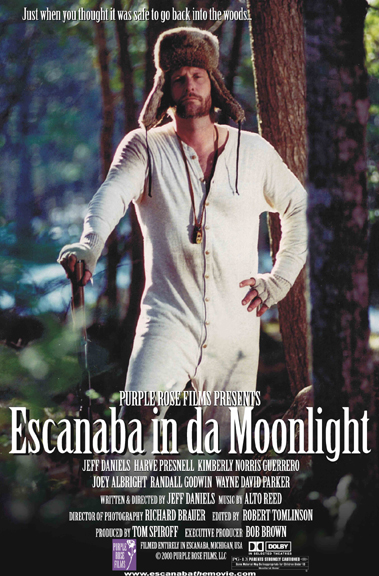
Kids had guns in my high school in the late 1970s, but they knew that it was wrong to shoot other students. It was a small town, but we were all taught the rules of engagement and we knew that other human targets were outside the scope. Every year there were accidental hunting fatalities (Dick Cheney would have felt right at home), but the schools were used to address that issue. Today I see wind-bag politicians trying to cut back on education as much as possible and I see kids who don’t know any better killing their fellow students indiscriminately. No, I’m not nostalgic. I do not own a gun. It is my belief that children learn from adults, and when politicians say through their words and actions that looking out for number one is all that matters and that bullying (yes, Mr. Governor) is appropriate for getting what you want, I think it is no wonder we find ourselves with children who can’t tell right from wrong. I’m ready to watch Escanaba in da Moonlight and pray to the god of the deer.

Deer God...


Robots and Divine Engineers

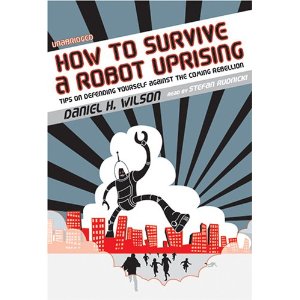
Pennsylvania seldom comes to mind when one thinks of a “big state” unless, that is, you have to drive across it. On the way to a family wedding in Ohio, I had to drive interstate 80 from the Delaware Water Gap to Sharon, Pennsylvania, and beyond. Having made this trip more times than I care to recount, I knew some diversion would be necessary. So it was that my family settled in to hear the audio version of Daniel H. Wilson’s How To Survive a Robot Uprising. Given my current status as a “Robot Dad” and my lifelong interest in both monsters and doomsday scenarios, this particular book was an apt choice.

Although the book is classified as humor, there was much that was thought-provoking in it (as there frequently is in quality humor). As Wilson systematically describes what makes robots tick, back five years ago, it became clear what it means to make a creature in one’s own image. Roboticists analyze how humans go about doing things and how we think in order to replicate these processes in mechanical formats. The results are machines that easily outperform humans, but which also have severe limitations – what Wilson frequently refers to as the benefits of evolution. Not only is the book funny, but it is also informative concerning what amazing robots are already in development. For those with the capital, there is little that robots can not be made to do.

All the while, I was also thinking of the human dilemma. Judeo-Christian tradition claims that we are made “in the image of God” without ever really explaining what that means. Perhaps it is the height of hubris to suggest that we are pale reflections of what we might have been, given a divine designer. When humans make robots, they are designed to surpass what we can do. Is there a reason people can’t see in the infrared or ultraviolet light ranges, like robots can? Why are we not able to hear all available sounds waves or smell all possible odors, such as our machines and dogs can? Could a team of human engineers have designed a better prototype than the God of Genesis?

While I do not really fear a robot uprising, I often ponder why things are the way they are and why human limitations often lead to such intense suffering. It is an idea that can be explored thoroughly when, after hours of driving, you realize that you still have 200 miles to go to the border.