Burn Out

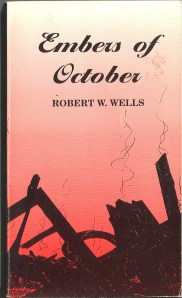
The Los Angeles fires are terrifying.  In my case, I can’t help but think of the Peshtigo, Wisconsin fire of 1871.  I read two books about it, the first because my daughter, in late elementary school in Oconomowoc, heard about the fire in class.  Embers of October by Robert W. Wells is one of the scariest books I’ve ever read.  After we’d safely moved out of Wisconsin I read Denise Gess and William Lutz’s Firestorm at Peshtigo.  Frightening stuff.  I feel for those suffering from the Los Angeles fires.  America is particularly vulnerable to such things since, according to books I read when writing Weathering the Psalms, the western half of the nation exists in, for the most part, a perpetual drought.  (Those who live in Seattle may disagree.)  Rain doesn’t fall evenly across the country.  I grew up in the relatively moist eastern part (we get a lot of rain), but even here fires are a possibility.  We had a very dry October, and a very dry May the year before.
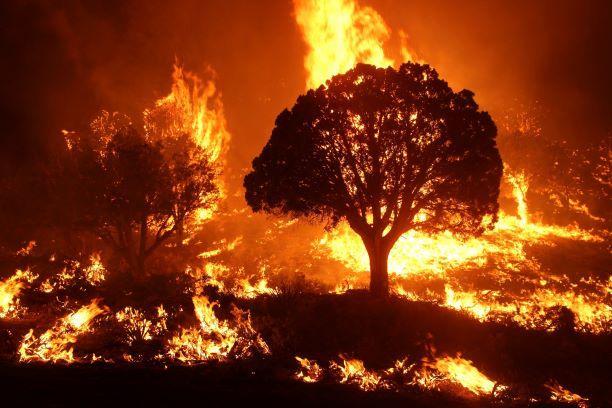
Image credit: Mike McMillan/USFS, public domain as a work of the US government, via Wikimedia Commons

Global warming will only increase the problems, I fear.  Too long too many people in power haven’t taken it seriously enough.  The weather is a large, extremely complex phenomenon that we still don’t understand.  I sit shivering at my desk on a cloudy January day looking at weather apps that tell me it’s sunny outside.  One thing we do know about it is that if we tamper with it in one place, it affects the weather everywhere.  What if, instead of posturing and fussing with people who live in other countries, with larger entities trying to control them, we all turned our attention to that sky we hold in common?  Trying to understand its needs and temperaments?  Realizing that if crops fail in one country there will be shortages everywhere?

The fires aren’t just Los Angeles’ problem.  Large nations posturing about who has the biggest leader has proven ineffective time and again.  We need cooperators and collaborators, not nationalists.  Embers of October, especially, paints a Hell on Earth.  One that couldn’t be escaped by many of the people in this small town that was utterly wiped out by a natural disaster.  Such things should be required reading.  Instead, small-minded people ban books claiming ignorance is bliss.  Trying to avoid a metaphorical Hell, they introduce a real one here on earth.  And yet, some use even this to divide people against each other.  And people who have no will to help one another is Hell indeed.

Hell on Earth, Part 2

Some time back I wrote a post on the Peshtigo, Wisconsin fire of 1871. That fire, one of the worst natural disasters on American soil, must have seemed like Hell to the residents of the small frontier town. Peshtigo regrew after the fire and is a thriving community today. On the way to a family wedding in Ohio, we stopped in Centralia, Pennsylvania yesterday. Centralia is its own variety of Hell on Earth. In 1962, a fire in a trash heap set an exposed coal seam on fire. The fire spread into a coal mine and has proved impossible to extinguish. The fire burns deep underground today, nearly fifty years after it started. Some analysts suggest that there is enough fuel in this anthracite-rich area to keep the fire burning for a thousand years.

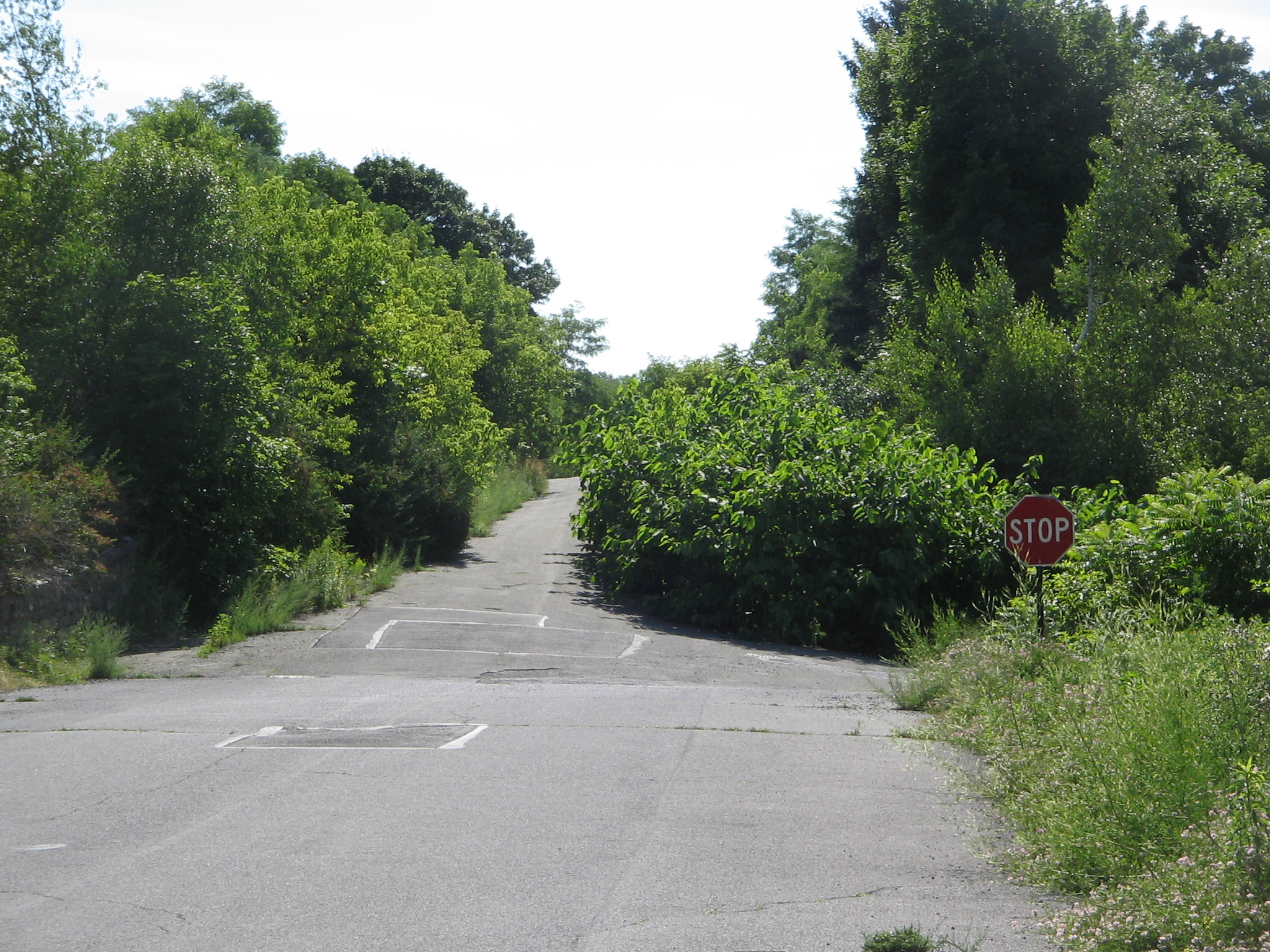
Today Centralia is a ghost town. Toxic fumes, sinkholes, and at times unbearable ground temperatures have driven many away. The federal government bought out the remainder; however, fewer than ten people still live here, refusing to leave their homes. When I learned that we’d be stopping in a nearby town for the night, I diverted our route to Centralia. There is really nothing to see. Two houses were all that I counted, and abandoned roads run into the untrimmed bushes like Life After People. While I attempted to get a feel for the place, my family spotted another car cautiously driving the abandoned roadways, looking for some ineffable handle on this man-made natural disaster. While not to the scale of the Deepwater Horizon spill, it is another example of the lust for fossil fuels and what might go wrong when these volatile substances accidentally escape human control.

Centralia, Pennsylvania

I couldn’t find the perfect picture of Centralia. There is no perfect picture here. Wary of sinkholes and reports of hostile locals, I pulled aside to take in the overall scene. On a hillside not far away, giant wind turbines lazily spun in the summer air. This clean energy alternative felt almost like an apology for setting the earth aflame below the feet of a town inhabited by mostly ghosts and less than a dozen living souls. In my head I knew that the temperature was 1000 degrees Fahrenheit well below, that 1000 people had been relocated, and 1000 years from now the fire may still be burning. Who needs a metaphorical Hell when human beings are so good at creating their own physical perditions?


Hell on Earth

October 8, 1871 is remembered by many as the night of the great Chicago Fire. Few Americans ever learn that it was also the night of what many consider to be the greatest natural disaster in United States history: the Peshtigo Fire. The autumn of 1871 was tumbleweed dry in the upper midwest. A wildfire that burned over a million acres of northern Wisconsin and Michigan completely incinerated the town of Peshtigo, Wisconsin on the same night Chicago burned. 1,200 people were killed in a single night. One of the most terrifying books I’ve read is Robert Wells’ Embers of October (also published as Fire at Peshtigo), a factual horror story filled with survivors’ accounts and early aid workers’ reports. Many described the scene as reminiscent of Hell.

Gehenna in Wisconsin

Hell is an interesting concept. Following on from my podcast on the origins of the Devil, the concept of Hell is an equally interesting development. The Hebrew Bible knows of no Hell. The dead, good and bad alike, go to Sheol, the gloomy world of the dead, after they die. There is no punishment or torment beyond the languor of being deceased. People seem to be described as having some recollection of life and its benefits, but they are weak and sleepy and attached to their drying bones. The concept of an afterlife comes pretty late to the Israelites, depending on how you define “afterlife.” The book of Daniel, the latest in the Hebrew Bible, provides our first glimpses of a kind of resurrection for the righteous who died before their time. The earliest biblical Hell is the Gehenna of the Gospels, the garbage heap perpetually burning outside Jerusalem.

To picture an eternity of constant burning and torment requires a kind of distinction between an afterlife and afterdeath to be made. Zoroastrian influence on emergent Judaism provided the dualism that made a Devil possible after a few centuries. It also provided the distinction between the glorious afterlife of the good and the doleful fate of the wicked. Concepts that eventually blossomed into the theological constructs now regarded as Heaven and Hell drew their inspiration from an ancient religion of Afghanistan and Iran. Given what human imaginations are, Hell has naturally grown more and more gruesome over the centuries, but if one requires a sense of an entirely natural version of what can happen to good and bad alike, the Peshtigo Fire may also deliver many sleepless nights.