
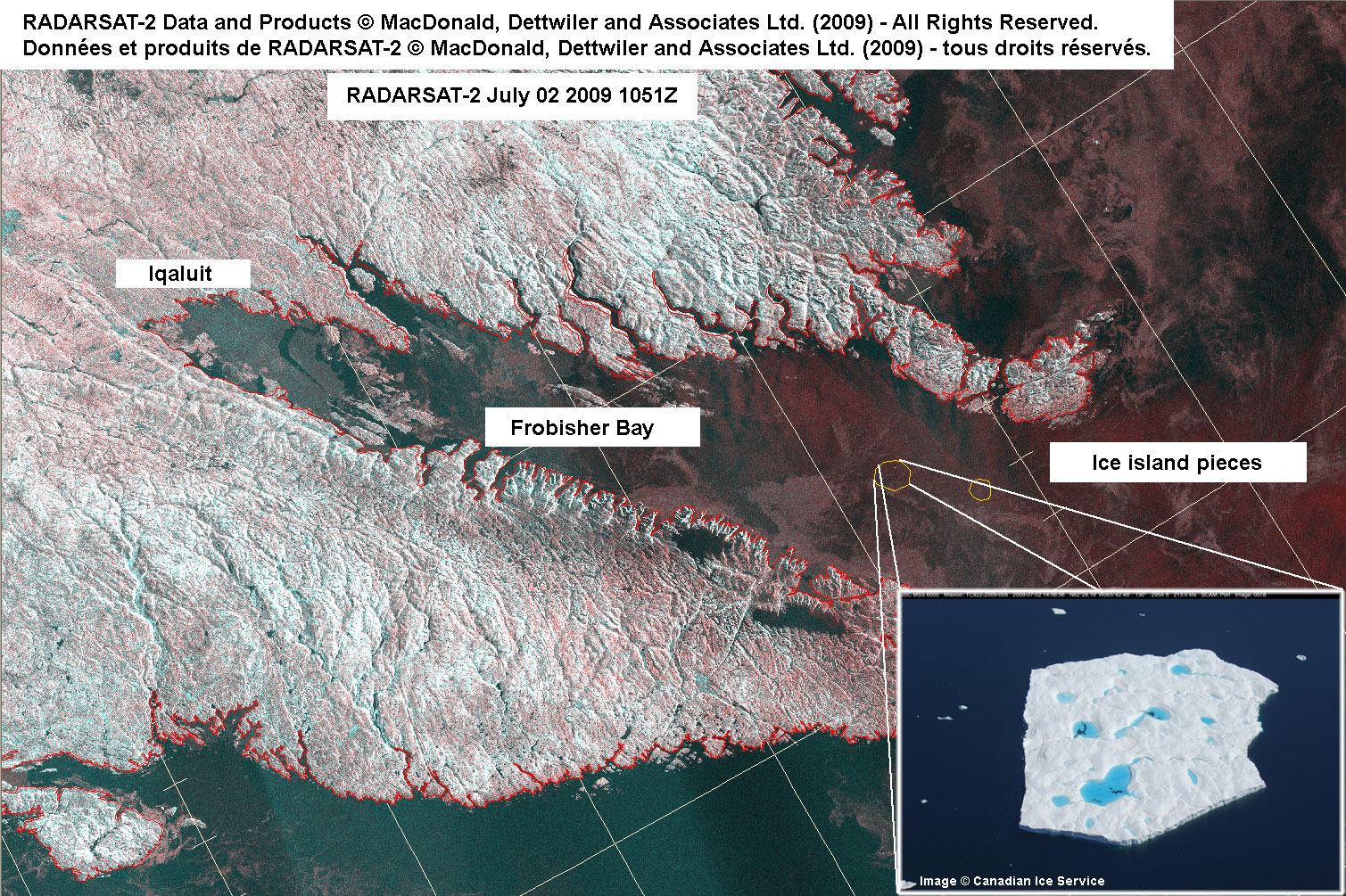
Walking inside with the newspaper this morning, I would have wagered that the word “biblical” would appear on the front page. This would have been a fairly safe bet since the headline of the New Jersey Star-Ledger reads, “Fire, Flood and Now a Massive Iceberg.” The reference is to the Petermann Glacier iceberg from Greenland that will likely threaten human maritime activities in the North Atlantic for some years to come. The massive iceberg, “four Manhattans” in size, is expected to drift down along the Canadian coast, causing potential problems for off-shore oil wells and shipping traffic. Sounds like a job for James Cameron, or maybe Kevin Costner.
The biblical connection comes in paragraph three: “It’s been a summer of near biblical climatic havoc across the planet, with wildfires, heat and smog in Russia and killer floods in Asia.” The more I ponder this curious superlative for disaster (i.e., “biblical”), the odder it grows. The Bible is really home to few epic disasters, most of them centered in the flood, the exodus and wilderness wanderings. Those who favor an apocalypse might throw Revelation in for good measure, but overall the Bible deals mostly with everyday occurrences that seldom find reflections in the media. To convey the idea of grand disaster, however, the Bible remains unrivaled.
While the Petermann ice island may not be the end of life as we know it, it is an appropriate symbol of our times. Our planet is warming; no one denies that. It is through human irresponsibility, it is true, but like all truths, this is controversial. The Bible, that great bastion of western morality, is frequently used to bolster positions that claim God gave the earth to humanity to do with as we please. It might serve the captains of greed and industry well to realize that the world given to Adam and Eve was flat, with a see-through dome overhead, and it was the only habitable space in a very limited universe.

 Steve A. Wiggins