
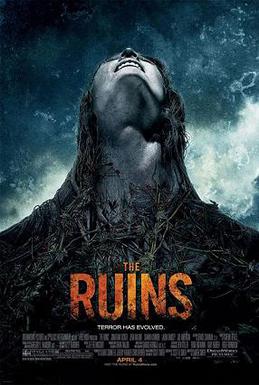
If your backyard is like mine, you’ll find The Ruins scary. It’s pretty scary even if your plant-control skills are better than mine. There’ll probably be some spoilers here, so I’ll say upfront that I recommend the movie. If you’re wanting to see it fresh, well, you might want to pick up here afterwards. Two couples vacationing in Mexico befriend a German who’s off to find his missing brother, last known to have visited an obscure archaeological site. When the group arrives, they discover that the local Maya, who don’t speak Spanish or English, try to prevent them from approaching the pyramid. Once they touch the vines growing all over it, the locals kill anyone who tries to leave. It takes the group a few days to learn that the vines are carnivorous, and if you get a wound, they will invade your body through it. It gets pretty gnarly.
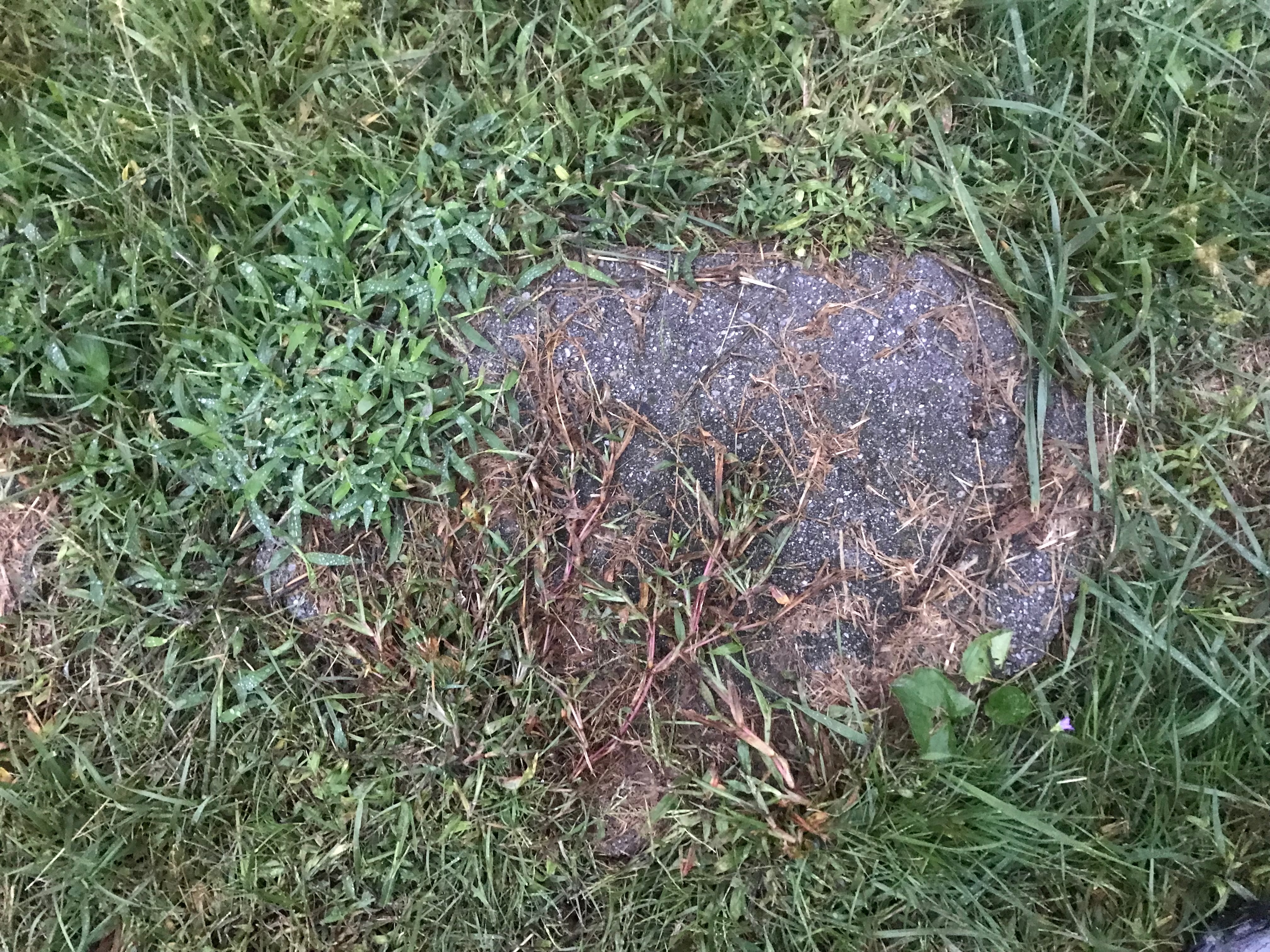
Plants, we are coming to learn, share some form of consciousness. They move (slowly by animal standards, but they do). And they can quickly “consume” such things as say, oh, paving stones, that have been deployed to control them. In a matter of maybe three weeks crab grass had nearly completely covered such stones that I laid out to try to reduce the amount of mowing the yard requires. Plants exemplify the tenaciousness of life. They can far outlive humans, or any other animal. Being rooted in the earth has its benefits, it seems. The Ruins has been described as ecological horror, and I would agree with that. One thing, though. Ecological horror often makes it clear that humans “started it.” Here, the plant grows in one location only, kept under strict control by the locals.
Although the movie didn’t rock the critics, I thought the acting was good and the premise well laid out. This writer knows how to put his protagonists at the edge of a cliff and then throw rocks at them. The tourists are all likable people, but they’ve stumbled upon something dangerous, inadvertently, and they have to try to survive amid plants that seem to have a kind of sentience as well. Somewhat like Triffids. This is a very tense story. There’s a bit of gore as well, so be warned. Nevertheless, it’s not a gross-out for gross-out’s sake. The larger story is intelligent and it even raises several ethical issues along the way. And it seems to suggest that if you’re planning to travel to Mexico, stick with the well-touristed ruins rather than trying to discover some new ones.
 Steve A. Wiggins